

Finding the Best Basement Waterproofing Snellville Homes Actually Need
A walk-through of what we look at, how to tell a real fix from a cheap patch, and the questions that sort good companies from fast ones.
Give us ten minutes at the bottom of your stairs and we can usually tell you where the water comes in. We don’t start with a sales folder. We start by looking at the floor line, the paint, and the stuff you moved off the concrete two springs ago — because the best basement waterproofing Snellville homeowners can buy always starts with finding the source, not covering it.
Good news right away: almost everything we find down there is fixable, and most of it is not dramatic. It just has to be handled properly the first time.
So what are we actually looking at down there?
The floor line comes first. Where the wall meets the slab there’s a seam called the cove joint, and in Georgia that seam is the number one way water gets in. If the paint is bubbled in a band about a foot up, or the baseboard is soft, water has been arriving there for a while.
Next we read the walls. Block tells on itself — chalky white streaks mean water passed through, while a horizontal crack partway up means soil is pushing. Then we check the corners, because corners collect. Nobody stores boxes in a corner twice.
After that we go back outside, where half the answers usually live. Downspouts dumping at the wall, a patio sloping toward the house, mulch piled above the block — those are cheap corrections. A company willing to point at one, even though it shrinks the job, is worth talking to.
Why do Snellville basements behave this way?
Age and clay, mostly. Most of this city went up between the mid-seventies and the mid-nineties, so split-levels and ranches with block basements run from Kingsley Creek to the streets around Briscoe Park. Those homes held up well. Still, their waterproofing standards are forty years old.
Then there’s the ground itself. Red clay swells when it’s wet and shrinks when it’s dry, so it grips the wall and holds rain against it instead of letting it drain. A saturated clay bank can press on a basement wall with thousands of pounds of force. That pressure has a name — hydrostatic pressure — and it’s what pushes water straight through solid concrete, which the U.S. Geological Survey explains well in its groundwater basics.
The terrain adds one more wrinkle. Snellville rolls toward the Yellow River, so lots near Stonecypher or in the Norris Lake area sit on slopes that quietly aim runoff at a foundation. That’s not bad luck — it’s water doing the only thing water does.
The local detail that matters most
A lot of Snellville basements were finished in the nineties, and the drywall has been quietly wicking water ever since. The fix isn’t more drywall — it’s stopping the water first, then rebuilding once.
How do you tell a patch from a real fix?
Here’s the thing: this is the question in Snellville. Plenty of low-cost operators work these neighborhoods, and a lot of homeowners we meet have already paid somebody once. That work looked fine on day one, and it held right up until the next spring storm.
A patch treats the wall. Hydraulic cement troweled into a crack, a coat of waterproof paint, caulk along the floor seam — all of it works on the inside face of the block. Meanwhile the pressure outside hasn’t changed. Coatings can’t out-argue pressure, so water finds the next weak spot and comes in three feet over.
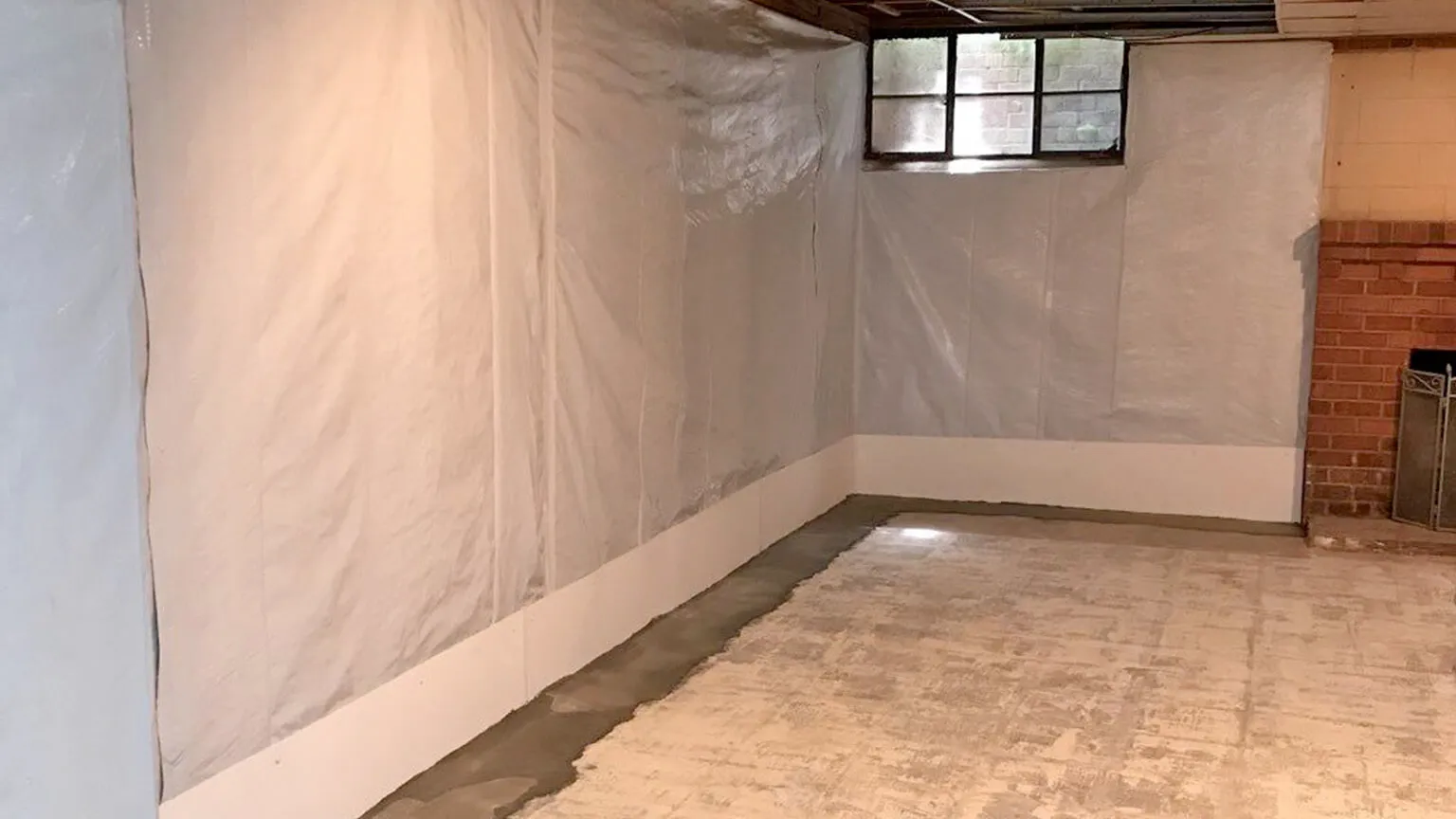
A real fix treats the water. That means relieving the pressure and giving water somewhere to go before it reaches your floor. Perforated pipe in clean stone, set below the slab, routed to a sump that discharges well away from the house — plus whatever the yard needs. Done that way, the wall stops being a dam.
You can spot the difference in an hour of conversation. A patch crew talks about products. A real crew talks about paths — where water enters, where it travels, and where it leaves. If nobody has told you the path, nobody has found the source.
One more tell: a patch is quick, while a fix has a plan. We met a homeowner near Kingsley Creek who’d had the same crack sealed twice by two different guys, and both patches held about a season. Once we cut drainage into the two wet walls and moved the roof water away from that corner, the weeping stopped for good.
How do you read an estimate without a construction background?
Look for scope, not the number at the bottom. A real estimate names the walls, the linear feet, the drainage depth, and where water discharges. If all you got was a total and a signature line, that’s a guess wearing a nice font.
What a solid Snellville estimate spells out
- Which walls, and how many feet. One wall versus a full perimeter is the biggest price swing there is.
- Drainage depth. Below the slab, not beside it. Bargain bids quietly cross that line.
- The discharge point. Water has to leave the property, not tour the flower bed.
- Finished-space work. Most nineties basements here have drywall to open and close again.
- Exterior corrections. Grading sometimes is the fix, so price it honestly.
- Warranty terms, in writing. What’s covered, for how long, and who honors it.
Prices swing because houses do, so get your number after somebody has stood in your basement. For the nuts and bolts of each system, our guide for local homes walks through them, while the basement waterproofing page shows what we install.

What should you ask before you hire anybody?
Five questions do most of the sorting. Ask each company the same ones, then compare the answers instead of the totals — that’s really how the best basement waterproofing Snellville has to offer separates itself from the rest.
Five questions worth asking
- “Where exactly is the water getting in?” A clear answer means they looked. A vague one means they didn’t.
- “What did you find outside?” If nobody walked the yard, the source hunt never happened.
- “How deep does the drainage go?” Below the slab is the only right answer.
- “Will you photograph the pipe before the concrete goes back?” Yes should come instantly.
- “Who’s on my job — your crew or a sub?” You deserve to know who’s in your house.
Red flags are simpler than people expect. A firm price quoted by phone means nothing got measured, and pressure to sign today is a sales move rather than a scheduling reality. Real talk: when one bid lands far under the others, ask what got left out. Usually it’s drainage depth or the discharge line.
Timing helps too. Spring storms and late-summer tropical remnants drive most of the calls we get from around Eastside Medical Center and the streets off Scenic Highway, and you can watch that pattern through the National Weather Service Peachtree City office. Booking in a dry stretch means a calmer schedule.
What should you do every year once it’s dry?
This is the part almost nobody covers, and it’s the part that keeps a good system good. None of it is hard. Set a phone reminder twice a year and you’re done.
Clean the gutters, twice. Once after the leaves drop and once in early spring. Clogged gutters send roof water straight down the wall, which is the exact problem you just solved.
Check where downspouts end. Extensions get bumped by mowers and kicked loose by kids, so walk the perimeter and make sure each one still carries water several feet out.
Test the sump pump. Pour a bucket of water in the pit and listen for it to kick on, then shut off. Two minutes tells you the pump is ready before the storm is.
Look at the grade. Soil settles, so add dirt where the ground has dipped toward the house. Mulch should stay below the block rather than banked against it.
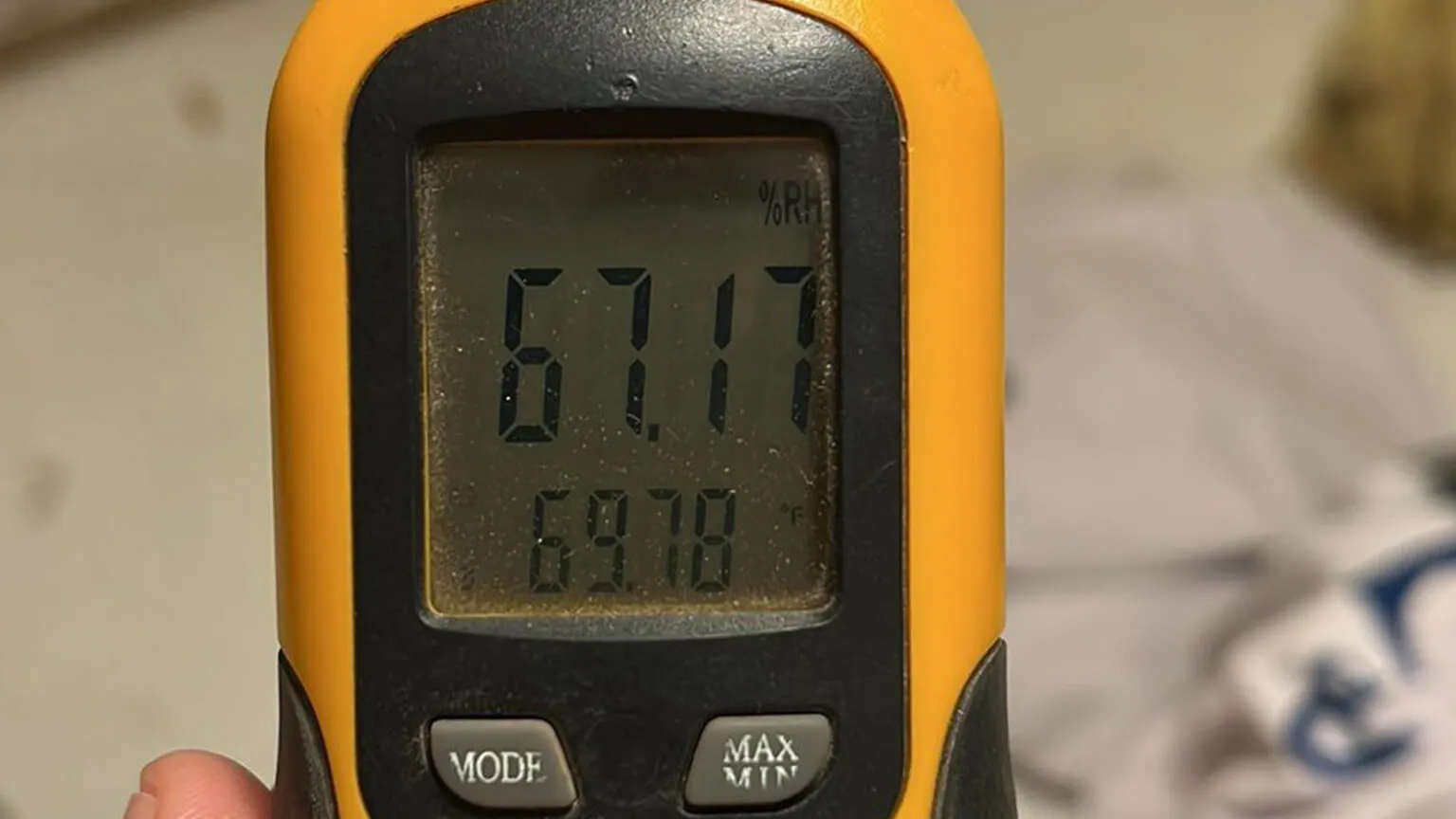
Glance at the humidity. A cheap gauge is plenty. If summer readings climb past sixty percent, a dehumidifier usually settles it back down.
Five small habits, and together they buy you decades. Better yet, they change how storms feel. Rain rolls through, you hear it on the roof, and the basement never crosses your mind.
Why are we a good fit for Snellville homes?
Because we’ve spent twenty-plus years on exactly these houses. Block basements under seventies split-levels, nineties finished rooms with soft drywall at the floor line, crawl spaces that smell like the yard — that’s a normal week here. We’re based in Lawrenceville, roughly fifteen minutes north, so a truck is usually close.
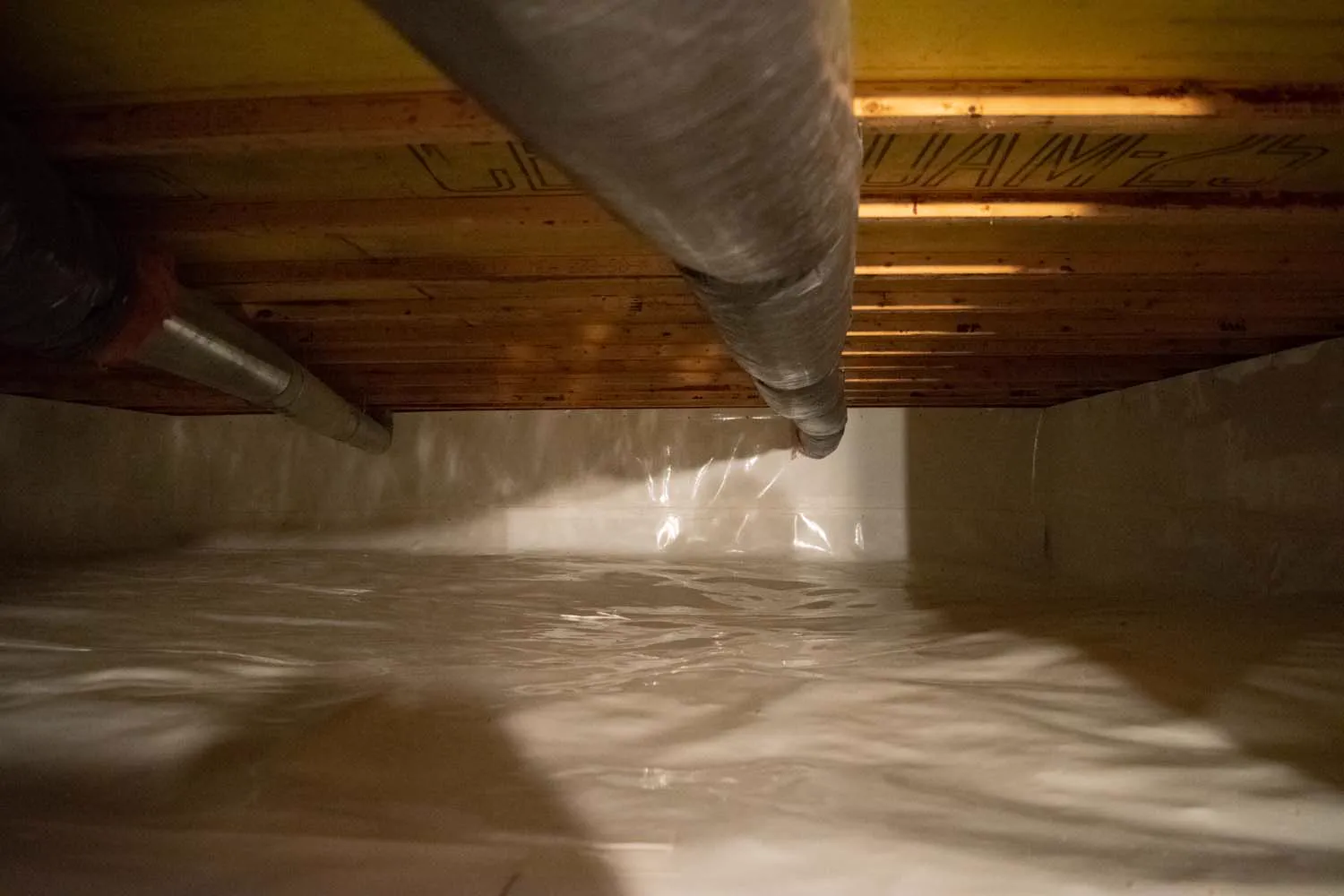
You’ll also get the explanation, not just the invoice. We’ll trace the water path with you, say which walls need drainage and which honestly don’t, and send photos from under the slab. If the damp starts beneath the house instead, the right answer may be crawl space encapsulation. Our Buford best basement waterproofing guide covers newer construction if you want the comparison.

Where we work around Snellville
We’re in this part of Gwinnett constantly, and that includes Snellville, Lawrenceville, Grayson, Loganville, Lilburn, Stone Mountain, Tucker, Dacula, Norcross and Duluth. Whether you’re near the Towne Center or over toward Briscoe Park, we already know how these foundations were built — and what they need now.
Questions Snellville homeowners ask us
Most interior systems in a Snellville home run two to four working days. Add a day when the basement is finished, since drywall has to come out and go back. We’ll give you the schedule up front.
No, just clear about four feet along the walls we’re working on and slide boxes toward the middle. We’ll handle the heavy items and cover what stays. Pets are happier upstairs while the saw is running, and that’s about the whole list.
Often yes, though a crack can be its own conversation. Relieving water pressure stops seepage through a joint or a hairline, but a crack caused by movement needs that movement addressed first. We’ll tell you which one you have during the inspection.
It depends on where the water starts. Interior drainage is the reliable choice for most block basements here, since it relieves pressure no matter how wet the clay gets. Exterior work makes sense when the source is surface water, and sometimes the right plan uses both.
Stone and pipe below a slab have nothing to wear out, so the drainage keeps working for decades. The sump pump is the one part with a service life, usually replaced around the ten-year mark like a water heater. Warranty terms come in writing before work starts.
Let’s walk your Snellville basement together
We’ll show you where water is getting in, explain the plan in plain language, and say honestly whether you need a full system or a smaller correction. Free inspection, free estimate, no pressure.
(678) 914-5112Serving Snellville and all of Metro Atlanta · $500 off projects over $3,500 · Live support 7am–8pm, 7 days a week