

Basement Waterproofing in Snellville: What It Costs and What to Expect
You smelled it before you ever saw it. Here’s what a real fix involves, what moves the price, and why the second try should be the last one.
Long before anybody sees water, they smell it. That heavy, closed-up smell drifts up the stairs on a warm afternoon, and weeks later a dark stain shows up on the baseboard. If that’s your house, basement waterproofing Snellville crews handle this exact pattern every single week, and yours is very likely a normal job with a normal answer.
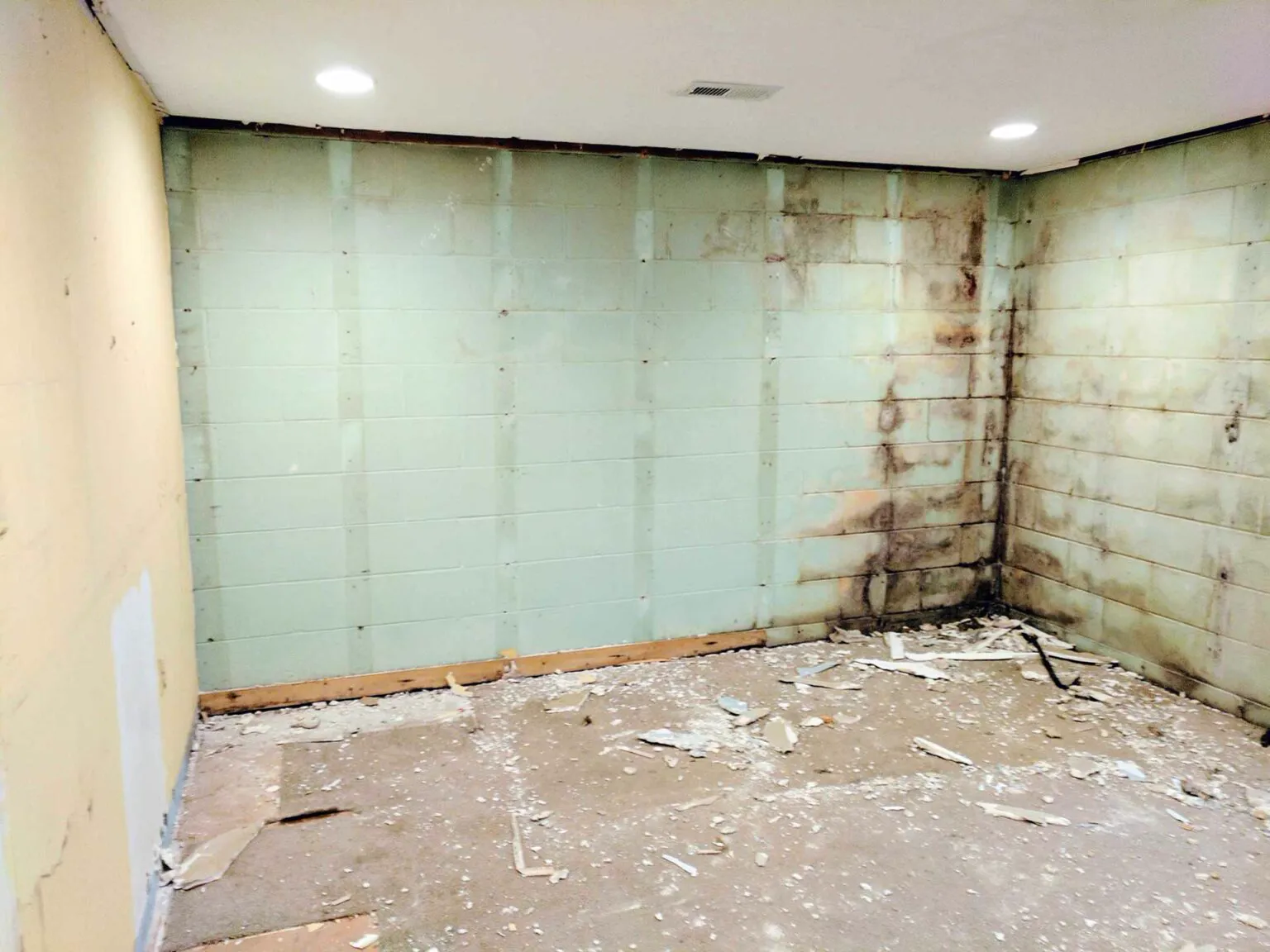
Here’s the thing about our town. So many homes here went up between 1975 and 1995, and plenty of those basements got finished in the nineties. The drywall has been quietly wicking water ever since, so the honest fix isn’t more drywall — it’s stopping the water first.
Why does the smell show up before the water?
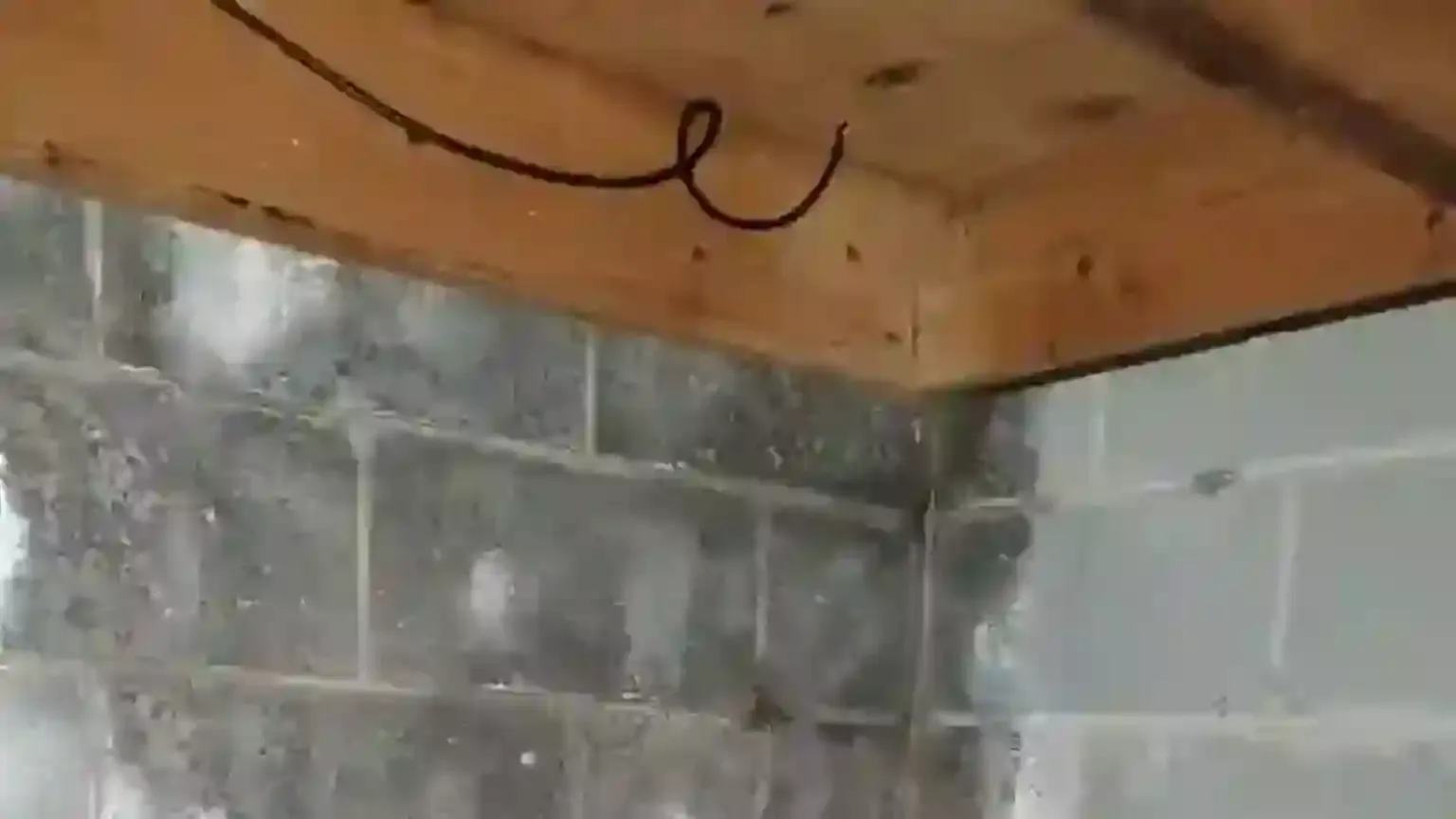
Because block walls hold moisture the way a sponge does. Water moves into the block, spreads sideways, and evaporates into the room without ever puddling on the floor. Your nose picks that up months before your eyes do.
Good news, though: an early smell is the cheapest stage there is. Nothing is ruined yet, and the source is usually simple to trace. We’ve walked into homes near Stonecypher where the whole answer was one wall and one downspout, and the owner had braced for a much bigger day.
What is the work, in plain words?
Groundwater sits in the soil around your footing and pushes. That push has a name, hydrostatic pressure, and saturated red clay can throw thousands of pounds of it against one wall. Block is porous, so pressure alone moves water through it without any crack at all. For the plain science behind where that underground water comes from, the USGS groundwater primer explains it without selling you anything.
You don’t beat that pressure. Instead, you give it somewhere better to go. An interior system opens a narrow strip of floor along the wall, sets perforated pipe in clean stone below the slab, and carries water to a sump basin. The pump then sends it well away from the house.
Exterior work solves the same problem from the yard side, with grading, drain lines and buried downspouts. On the split-levels and ranches that fill this area, the winning plan is often a little of both, since a lower floor that sits partly below grade puts most of the strain on one short wall.
One more detail almost nobody mentions. The cove joint — where the wall meets the floor slab — is the most common entry point in a Georgia basement, so a properly placed drain catches that seam first.
What does a real job look like, day by day?
Day zero is the inspection, and it costs nothing. We walk the outside first, because a good share of the time the answer lives in the yard and the invoice gets smaller. Gutters, grade, downspout outlets — all of it matters before anybody talks about cutting concrete.
Then we read the foundation from the inside. Block walls behave differently than poured concrete, and horizontal cracking from clay pressure changes the plan again. After that, you get a written scope: what goes in, where, and why.
Install day is loud, and then it isn’t. Saw cuts, spoil hauled out, stone and pipe set low, discharge routed away from the house — not politely back into the flower bed for a second lap. Fresh concrete closes it up, and the mess leaves in our truck.
Most Snellville basements run two to four working days. Add a day for a finished space, plus another when a wall needs reinforcement. That’s it — by the weekend you’re back to normal, only drier.
What if you looked at it from the water’s side?
Try this for a second. Forget your basement and picture yourself as a raindrop landing on the roof. Where do you go next, and what’s stopping you?
Down the shingles, into the gutter, out the downspout — and then what? If that spout dumps two feet from the wall, you soak straight into the clay beside the footing. From there, you push. You’re not trying to get into anybody’s house; you’re just following the easiest path, and right now the easiest path runs through the block.
Once you see it that way, the whole repair makes sense. Every step is simply offering water an easier route than your wall. Extend the downspout, and the drop never reaches the footing. Put stone and pipe under the slab, and the little bit that still arrives gets a highway out.
This is also why a bucket of hydraulic cement rarely holds. Patching doesn’t change where water wants to go — it just makes it pick the next weakest spot, usually a foot to the left. Plenty of folks around the Norris Lake area have paid for that lesson once, so they call asking hard questions the second time. We like those calls.
What actually moves the price?
Mostly how much wall is involved and how hard it is to reach. We won’t publish a flat number, since one price for a 1978 split-level and a 1994 ranch would be wrong somewhere. Still, here’s what we weigh, in order.
Price drivers, biggest first
- Linear feet. One wall versus a full perimeter is the biggest swing by far.
- Finished space. Opening and protecting nineties basement finishes takes careful hours before the real work starts.
- Wall condition. Block with horizontal cracking from clay pressure may need reinforcement, shown as its own line item.
- Sump and discharge. Some homes have a serviceable basin. Many have none, or one that quietly retired years ago.
- Access. Built-ins, a bar, a bathroom, or a tight side yard all add labor.
- Outside work. Regrading, buried downspouts, drain lines. Sometimes that is the whole fix.
Small exterior corrections land at the low end. A full perimeter system with a new sump, a battery backup and wall reinforcement sits at the top. Most basement waterproofing Snellville jobs fall between, and you get one written number with the scope beside it. Still sorting out what’s happening down there? Our guide to a wet basement covers the symptoms, while the basement waterproofing service page shows the systems we install.
What’s included, what isn’t, and what’s the warranty?
Included: the inspection, the estimate, the diagnosis, the system, the sump and discharge, the concrete going back, the cleanup, and photos of the stone bed and pipe before the floor closes. Ask anybody you hire for those photos, because any honest crew already takes them.
Not included, usually: rebuilding finished walls we opened, replacing damaged flooring, and mold remediation. However, we flag each one during the walkthrough, so nothing arrives as a surprise. Nobody enjoys a mid-project plot twist.
The warranty is written, plain, and readable in one sitting. If a warranty needs a lawyer to decode it, it isn’t doing much for you. Ours transfers with the house too, which matters in the Brookwood district neighborhoods where families trade up without leaving the school cluster.
Which other rooms does a damp basement touch?
More than most people expect. Air moves upward through a house, so basement air becomes main-floor air within hours. That’s why a musty smell shows up in a closet nobody has opened since spring.
Humidity rides along with it. As a result, upstairs feels sticky at the same thermostat setting, and the bedroom over the damp corner never quite matches the rest of the house. The EPA’s guide to moisture and your home makes the same point: control the moisture and the rest settles down.
Then there are the quiet ones. Main-floor doors that stick every August. Photo albums stored downstairs that slowly go soft. A crawl space under the addition doing the same thing on a smaller scale — for that, crawl space encapsulation is the matching answer.
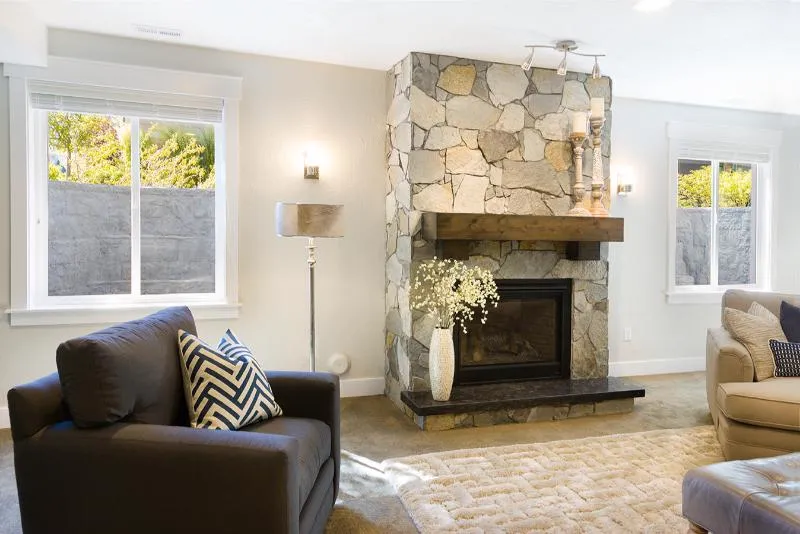
Now picture the fixed version. The lower level smells like nothing at all, which is the highest compliment a basement can earn. You put a desk down there, the kids claim the rest, and you stop apologizing at the bottom of the stairs. Better yet, when somebody asks about the house, you get to say it’s solid — and mean it.
Why does hiring a local company matter here?
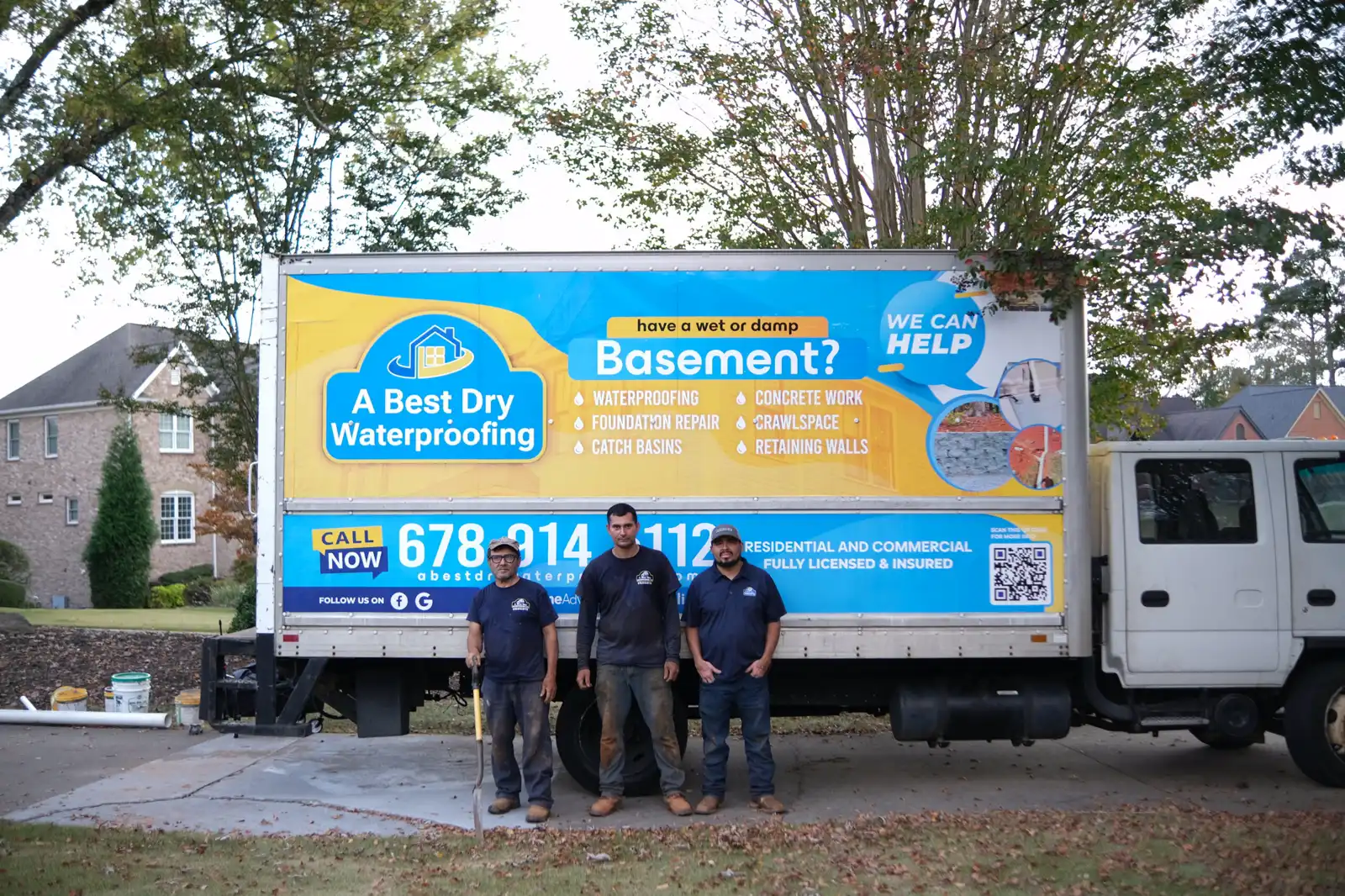
Because retrofit work on eighties and nineties block basements is its own skill. Twenty-plus years around Metro Atlanta means we already know your foundation type, your soil, and how water behaves on ground that drains toward the Yellow River. Every basement waterproofing Snellville project runs with the same crews and the same trucks.
Being close helps too. We’re about fifteen minutes up from the Snellville Towne Green, and we’re on and off Lenora Church Road constantly. One spring we had three jobs within a mile of Brookwood High School, all with the same story: finished in the nineties, patched once, never actually fixed. Curious how this plays out on newer construction? Our Buford basement waterproofing guide covers that side of the county.

Where we work around Snellville
We’re based in Lawrenceville, roughly fifteen minutes north, so we’re through this part of Gwinnett most days. That covers Snellville, Grayson, Loganville, Lilburn, Lawrenceville, Stone Mountain, Tucker, Dacula, Centerville and Between. Whether your house sits off Highway 78 or closer to Scenic Highway, we’ve likely worked on one built the same year by the same builder.
Questions Snellville homeowners ask us
Sometimes, though they’re two different questions. A seeping crack can often be sealed as part of the work, while a crack that’s moving is a foundation repair conversation instead. On older block walls we check for horizontal cracking specifically, and we tell you which one you have before money comes up.
It depends on where the water starts. If the trouble is gutters, grading or a downspout dumping beside the wall, exterior work is usually cheaper and smarter. When groundwater is pushing in at the cove joint, interior drainage is the reliable fix — and on split-levels we often recommend a bit of both.
The drainage lasts as long as the house, because stone and pipe below the slab have nothing to wear out. Your pump is the one part with a service life, so plan on replacing it around the ten-year mark, much like a water heater. Test it each spring with a bucket of water and you’ll get plenty of warning.
Yes, and it’s written in plain language you can read in one sitting. It covers the system we install, and it transfers to the next owner if you sell. Ask any company for the warranty in writing before you sign — a real one is short, clear and specific about what it covers.
Usually we open only a low strip of wall along the affected side, not the whole room. Since we have to reach the cove joint, some finish work does come off, and we mark exactly what before we start. Plenty of nineties basements around here come through with one wall touched and everything else left alone.
Let’s find out what your Snellville basement actually needs
We’ll walk the house with you, show you where the water is getting in, and explain the fix in plain words — including what the last company missed. The inspection is free, the estimate is free, and nobody pressures you at the end of it.
(678) 914-5112Serving Snellville and all of Metro Atlanta · $500 off projects over $3,500 · Live support 7am–8pm, 7 days a week