

Basement Waterproofing in Duluth: What It Costs and What You Actually Get
A plain-English walk through the work, the price drivers, the warranty, and how to tell a real fix from a quick patch.
Is this normal? That’s the question almost every basement waterproofing Duluth call starts with, and people say it a little quietly, like they’re worried the answer makes them a bad homeowner. It doesn’t. A damp corner after a hard rain is one of the most common things we see, and it’s fixable.
So let’s take the awkward part off the table. You didn’t cause this, and you’re not the only house on your street dealing with it. What you want is a straight answer on what the work involves, what it runs, and why you’d pick one company over another.
What is waterproofing, in plain words?
Here’s the simplest version we’ve got: waterproofing is giving water an easier path than the one it’s taking through your house right now. That’s the whole idea. Water is lazy and it never quits, so it always takes the easiest route available.
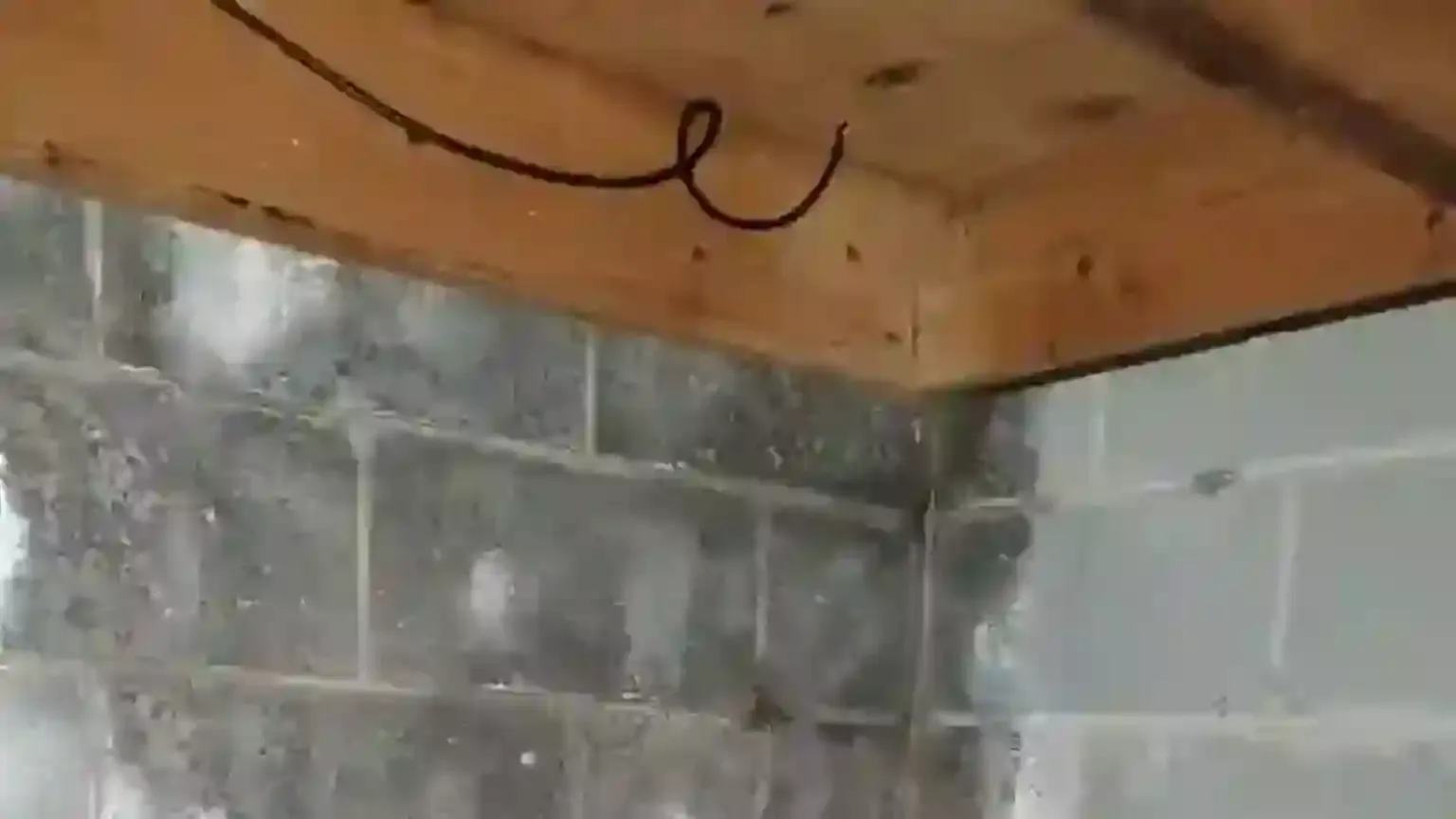
On most Duluth homes, that route runs along the seam where the basement wall meets the floor. Red clay swells when it soaks up rain, and swollen clay presses hard against foundation walls. That pressure has a name — hydrostatic pressure — and it’s strong enough to push moisture through solid concrete with no crack in sight.
Duluth adds a wrinkle. The Chattahoochee wraps the north and west edge of town, so lots near the river sit over sandy pockets that hold seasonal groundwater. If your yard slopes toward Rogers Bridge Park, groundwater is part of your story either way. The USGS explains groundwater levels well if you like the science.
Good news
A wet basement and a structural problem are two different conversations. Most homes we look at only need the first one, and we’ll tell you plainly which one you’re in before anybody talks money.
What does a real job look like on your house?
Nobody likes surprises when there’s a jackhammer involved, so here’s the honest shape of an interior system from start to finish.
- We find the source first. Before we price anything, we walk the outside — grading, gutters, downspouts, where the water lands. Then we walk the inside. Often the real fix is smaller than expected, because the problem was outside the whole time.
- We open a channel at the perimeter. A narrow strip of slab comes up along the affected walls. It’s dusty and loud, and it’s usually finished in a day or two.
- We install drainage below the slab. This is the part that matters most. Perforated pipe sits in clean stone below floor level, which means water gets collected before it ever reaches your floor instead of after.
- Everything routes to a sump. The pipe carries water to a basin, and the pump pushes it well away from the house — not beside the foundation, where it would come back for another lap.
- We close it up and clean up. Fresh concrete over the channel, wall liner where it’s called for, and our mess leaves in our truck.
Notice what nobody painted. Waterproof paint is fine for what it is, but a coating can’t beat pressure. It’s a raincoat on a submarine.
Duluth basements are working basements — in-law suites, home offices, kids’ spaces. When one gets damp here, it isn’t storage getting wet. It’s somebody’s bedroom.
That line matters more here than in most cities. Multi-generational households are everywhere in Duluth, so a basement in-law suite is real living space, not a place to stack holiday bins. When moisture shows up in a room where a parent sleeps, it stops being a maintenance item. Good news, though — that’s also where a proper system changes daily life the fastest.
So what does it cost?
Straight answer: it depends on how much wall is involved and how hard that wall is to reach. Anyone quoting a flat number over the phone, sight unseen, is guessing — and you’d be paying for the guess. Still, here’s what we look at when we price a job.
What drives the number up or down
- Linear feet. One wall is a very different job than a full perimeter. This is the biggest single factor, every time.
- Access. An open basement is simple. A finished one with a bar and built-ins costs more, because there’s careful work before the real work.
- Sump and pump. Some homes already have a usable basin. Plenty don’t, and plenty have one from the 1990s living on borrowed time.
- What’s happening outside. Sometimes regrading and rerouting downspouts handles most of it, which is a smaller invoice.
- Wall condition. Cracking or bowing means structural work comes first, because waterproofing a moving wall is money spent twice.
- Backup power. A battery backup adds cost, but it runs during the storm that kills your power — the exact storm that fills basements.
Small drainage corrections land at the low end. A full perimeter system with a new sump, a battery backup and a finished space to protect sits at the high end. Most basement waterproofing in Duluth lands in the middle, and after we walk your house you get a written number with the scope spelled out — not a range, not a “starting at.”
What’s included? Labor, materials, the channel work, the drainage, the sump and pump, the concrete patch, permits when they apply, cleanup and the warranty paperwork. What isn’t? Refinishing — drywall, flooring, trim and paint are their own trade. If your grading or gutters need help, we’ll say so, since those are often the cheapest wins available.
The myth we hear on almost every estimate
Ready for the one that comes up over and over? Homeowners tell us, “We just need to seal the wall from the inside, right?” It sounds reasonable, so it spreads fast — and it’s the single most expensive misunderstanding in this trade.
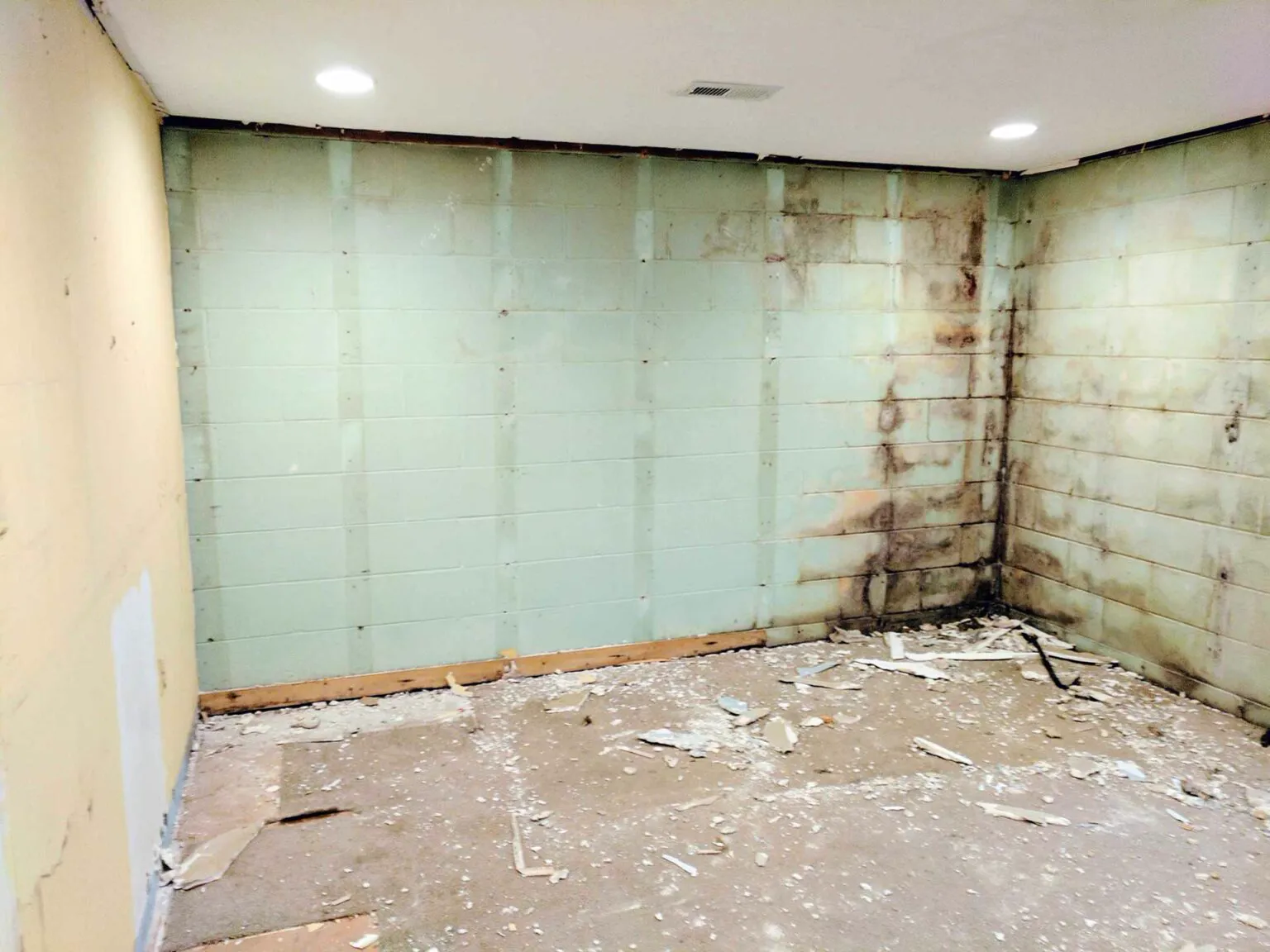
Here’s why sealing alone falls short. Water isn’t sneaking through one hole you can plug; it arrives under pressure across the whole wall. Plug one path and it finds the next, because the pressure never lets up. Sealants age, too, while clay keeps swelling and shrinking every season.
Now the fix, and it’s a smarter idea. Interior drainage systems collect water below the slab and route it to a sump before it ever reaches the floor, instead of trying to block it at the wall. In other words, we stopped fighting water and started giving it directions.
That’s also why we’ll put a warranty in writing. You can’t honestly warranty a coating, but you can warranty a system built around how water behaves. Ours transfers when you sell, which matters more than people expect around Chattahoochee Run and Abbotts Bridge, where buyers ask good questions.

Why hire somebody local for this?
Because we’ve been doing basement waterproofing in Duluth for over twenty years, and we’re about fifteen minutes down Duluth Highway (GA-120) from most of these neighborhoods. We know the 1990s subdivisions along the Bunten Road corridor, where original drainage has quietly silted up. We’ve also learned how differently walkout basements behave on the rolling lots toward McDaniel Farm Park.
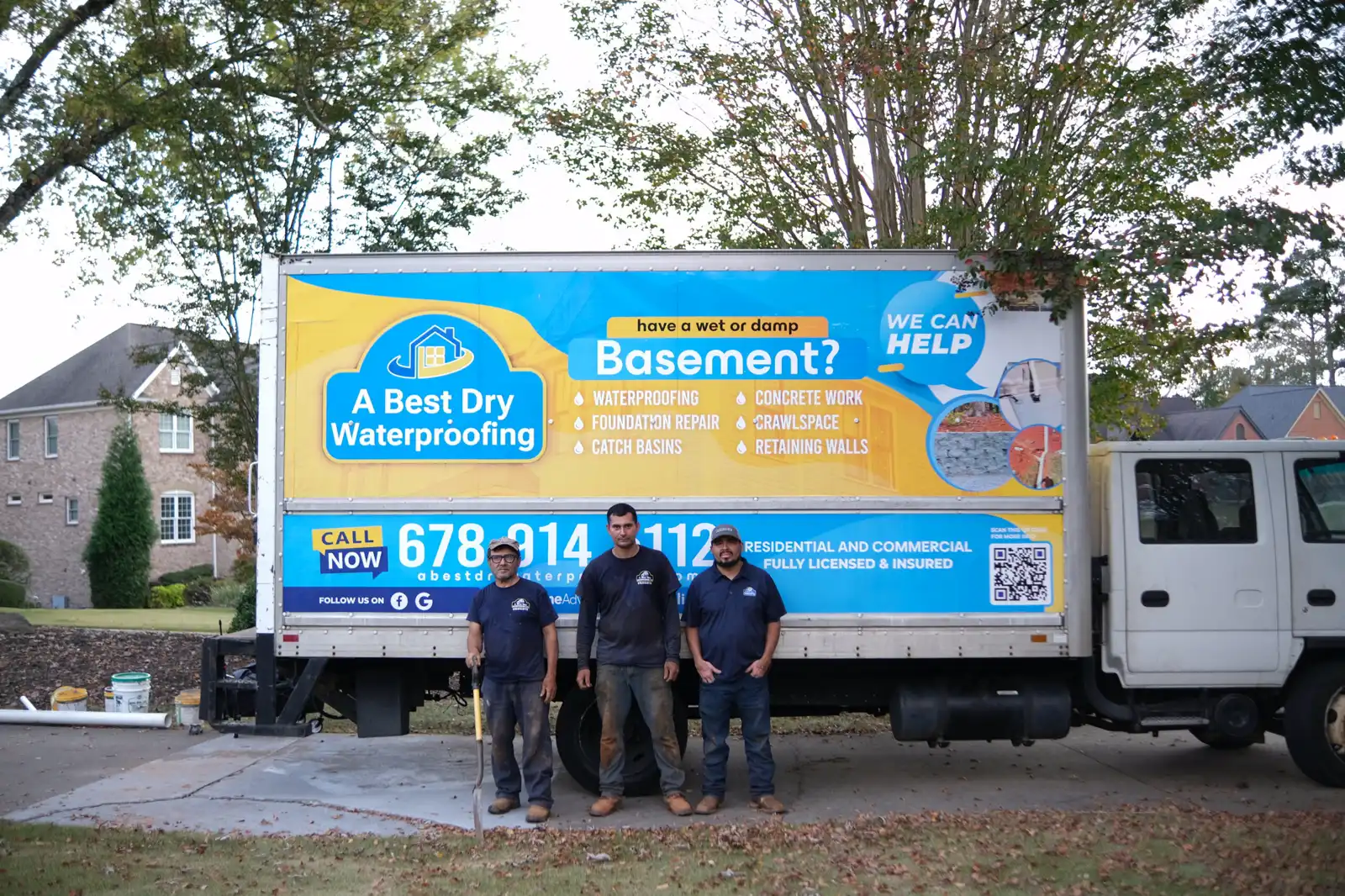
Local matters for a boring but important reason: a warranty is only as strong as the company behind it. If something needs a look in year seven, you’re calling the same crew and the same trucks — not a call center three states away. Word travels fast in Duluth, too, and one happy basement on a cul-de-sac usually turns into three more.
What should you do once it’s fixed?
Almost nobody asks this, and it’s the best question in the whole conversation. A good system does the heavy lifting on its own, but a few minutes each year keeps it easy. Think of it like an HVAC filter — small effort, long payoff.
Your once-a-year checklist
- Test the pump every spring. Pour a bucket of water in the basin and watch it kick on. If it hesitates, call before storm season rather than during it.
- Clean the gutters twice. Once after fall leaf drop, once in early spring. Clogged gutters drive more November calls than anything else we see.
- Check the discharge line. Make sure the outlet is clear and still aimed away from the house. Mulch and enthusiastic landscaping love to block it.
- Walk the grading. Soil settles, so add dirt anywhere the ground has started tilting back toward the foundation.
- Peek at the humidity. A cheap meter tells you plenty, and a dehumidifier usually settles things right down.
- Glance at the walls. Look for new staining or that white powdery bloom, and snap a photo if you spot any.
Do those six things and the next stretch of ugly weather turns into background noise. The floor stays dry, the musty smell at the bottom of the stairs is gone, and the room downstairs becomes one you use instead of one you apologize for. Better yet, when the forecast turns nasty, you don’t think about the basement at all. That’s the real product — not a pipe under the slab, but a storm you get to ignore.

Still sorting out what you’re seeing down there? Our guide to what causes a wet basement covers the usual symptoms, and the waterproofing systems we install are laid out in full. If your older place near downtown has a crawl space instead, crawl space encapsulation is usually the better answer. Comparing notes with family up the road? We cover the same ground for Suwanee basement waterproofing, and the EPA’s guide to moisture control makes a good neutral second opinion.
Where we work around Duluth
We’re based in Lawrenceville, about fifteen minutes from most Duluth addresses. Along with Duluth, we work in Johns Creek, Suwanee, Berkeley Lake, Peachtree Corners, Norcross, Lawrenceville, Sugar Hill, Buford, Lilburn and Snellville, plus the rest of Gwinnett County. If you’re near the Town Green, odds are good we have a truck close by already.
Questions Duluth homeowners ask us
Neither is automatically better, because it depends on where water gets in and what’s sitting on the soil outside. Exterior work stops water before it touches the foundation, but it means digging, and a deck or patio changes that math fast. Interior drainage is far less disruptive and works well on most Duluth homes.
The drainage itself is built to last the life of the house, since it’s stone and pipe below the slab with nothing to wear out. The pump is the part with a service life, so plan on replacing one somewhere around the ten-year mark. It’s the same kind of planning you’d do for a water heater.
Yes, and you get it in writing before work starts rather than after. Ask us to walk you through what’s covered and what isn’t, in one plain sentence. A warranty you can’t explain to your spouse isn’t doing much for you.
Usually, yes. We open only the perimeter, so the work stays along the walls instead of running through the middle of your space. Some baseboard and a low strip of drywall may come off, but the rest of the room typically stays intact.
It helps, mostly because a dry basement is usable square footage and a damp one is a negotiation point. Buyers and inspectors both look for moisture signs, so documented work with a transferable warranty removes a common sticking point.
Let’s find out what’s really going on down there
The inspection is free, the estimate is free, and nobody leans on you afterward. We’ll show you where water is getting in and what it takes to stop it — even when the answer turns out simpler than you expected. Duluth homeowners can usually get on the schedule this week.
(678) 914-5112Serving Duluth and all of Metro Atlanta · $500 off projects over $3,500 · Live support 7am–8pm, 7 days a week