

Crawl Space Encapsulation in Duluth: What It Costs and What to Expect
You’re ready to hire somebody. So here’s the whole picture — the work itself, what moves the price, and what’s actually covered.
There’s a cardboard box in the corner of the storage room. Last month it was fine. Today the bottom feels soft, and the flap peels apart in your hand like a wet paper towel. Nothing spilled on it, so where did the water come from? Usually it came up from underneath, which is exactly why crawl space encapsulation Duluth homeowners ask about starts with the dirt below the floor and not the box.
Good news right away: this one is very fixable, and it comes with a clear scope, an honest price range, and a warranty you can read in one sitting.
What is encapsulation, in plain words?
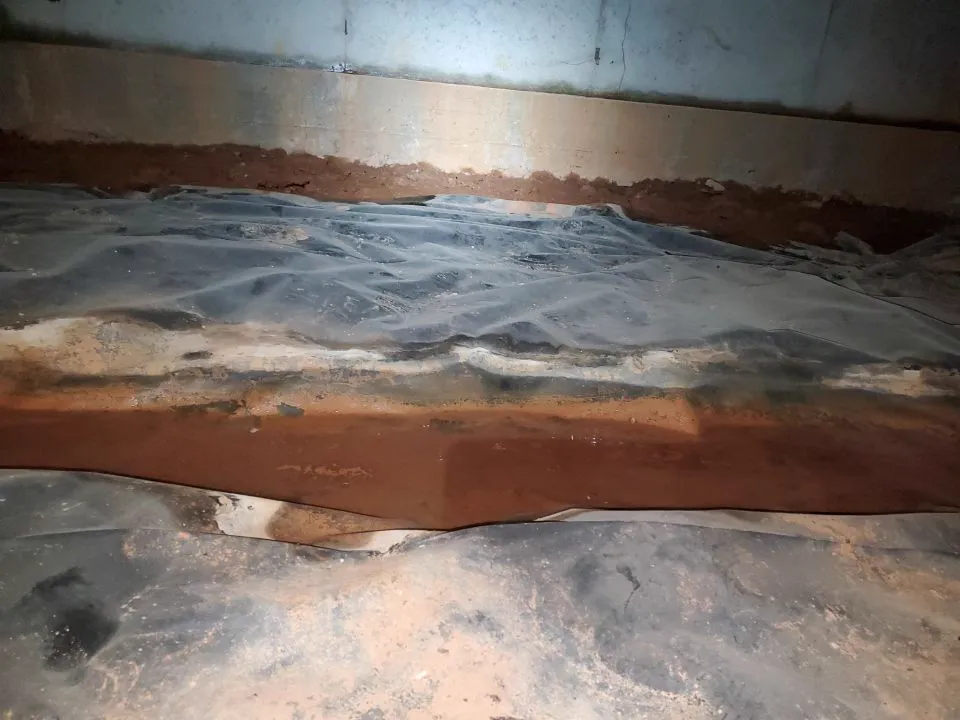
Your crawl space is a room with a dirt floor. Georgia red clay holds water like a sponge, so that dirt gives off moisture around the clock. Old open vents were supposed to dry it out, but on a humid August afternoon they pull damp outside air in and cool it against your ductwork instead.
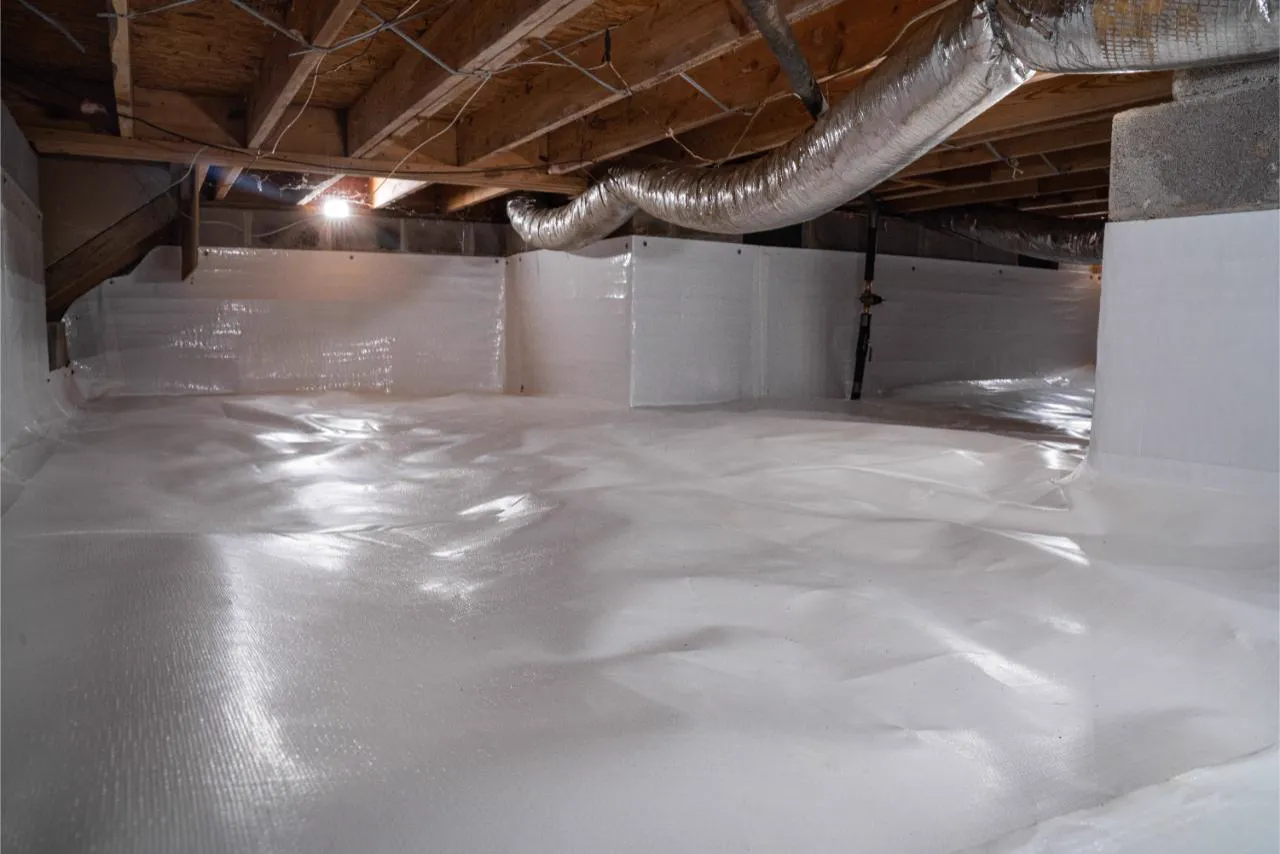
Encapsulation flips the whole idea. We seal the crawl space and treat it like part of the house. A heavy reinforced liner goes over the floor and up the walls, sealed to the block and around every pier. Vents get closed and sealed. Then a dehumidifier holds the space at a steady level so the wood stays dry.
Here’s the detail worth remembering, because it’s the difference between a real job and a cheap one. A true encapsulation uses a reinforced liner sealed to the walls and piers — not loose sheeting laid on the dirt. Loose plastic just moves the puddle around.
Why does crawl space air end up upstairs?
Air in a house moves upward. Warm air rises and escapes near the roof, which pulls replacement air in from the lowest point — your crawl space. Builders call it the stack effect, and it means a big share of the air in your living room started its trip down in the dirt. In other words, it’s the intake.
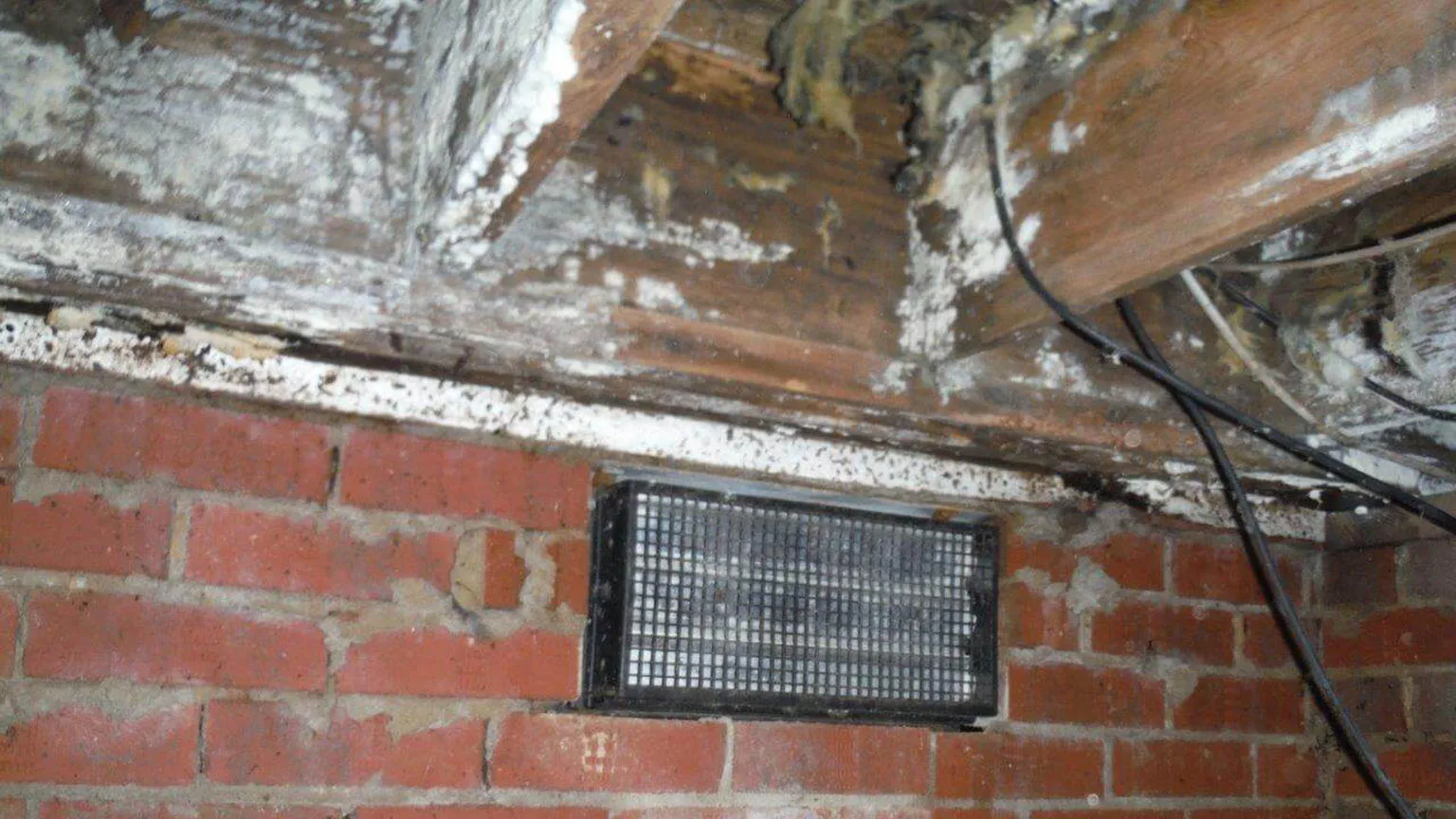
Wood supports mold growth once its moisture content climbs to about twenty percent, and damp joists sit right in that range. The EPA’s guidance on mold and health is a level-headed read if you want the science without a sales angle attached.
This lands hard in Duluth specifically. Plenty of homes here hold multiple generations under one roof, and the lower level is real living space — a parent’s suite, a college kid’s setup, a home office. When the air down low is damp, it’s not storage that’s affected. It’s somebody’s bedroom. Fix the source and that whole floor of the house feels different within days.
What does a real job look like, start to finish?
Day zero is the inspection, and it costs nothing. We go under the house with a light and a moisture meter, read the wood, check the piers, and look for standing water. After that we walk the outside, because gutters and grade cause more crawl space moisture than most people expect.
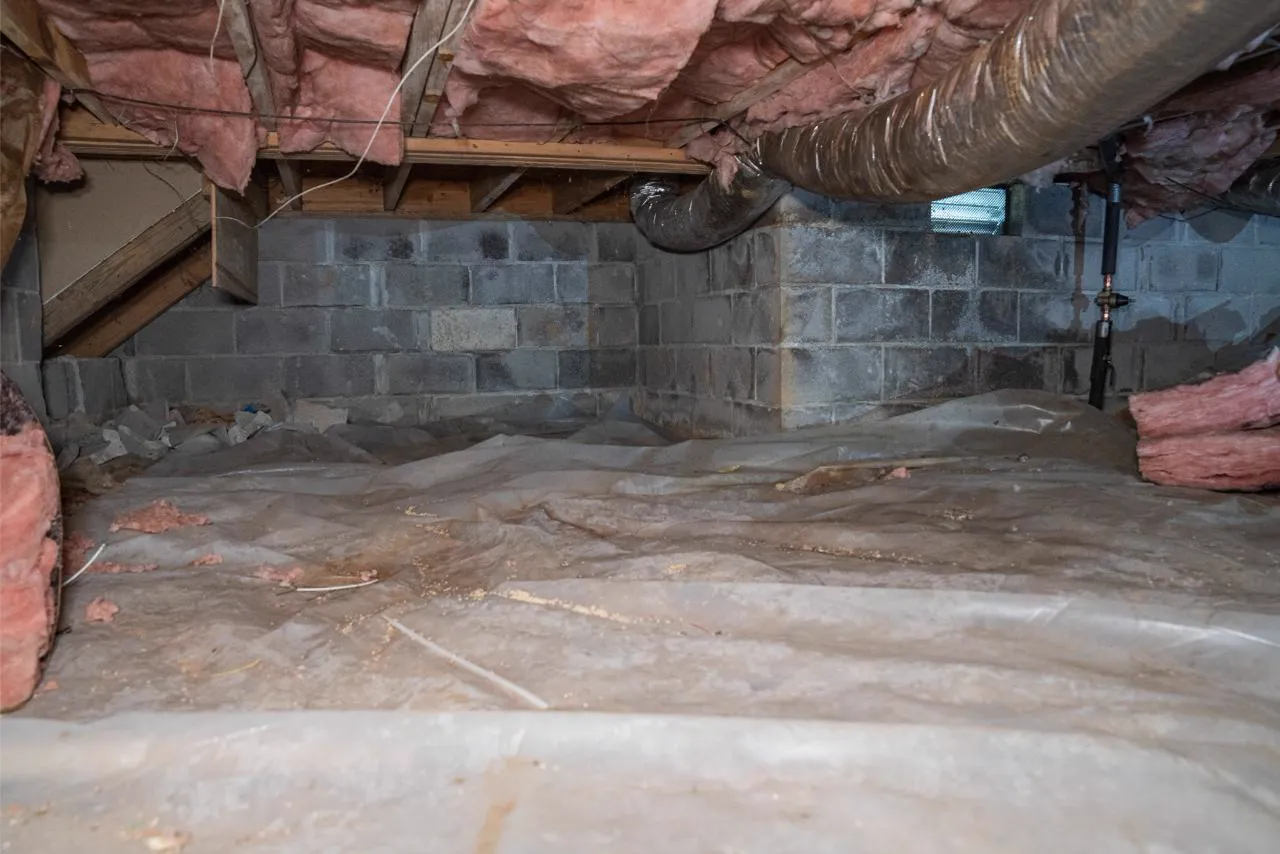
Next comes cleanout. Old insulation, torn plastic, debris and the occasional forgotten lawn chair all come out first, because a liner installed over junk fails early.
Then we handle water before we handle vapor. If a corner takes on standing water after a storm, that gets a drain and a pump first. Sealing a wet crawl space without solving the water is like putting a lid on a boiling pot and calling it dinner. Once the water has a path out, the liner goes down, seams get taped, and the walls and piers get sealed.
Finally the vents get closed and the dehumidifier gets set and drained. Most Duluth crawl spaces take two to four working days. Add a day when there’s heavy debris, and another when drainage is part of the scope.
Worth knowing
Moisture and structure are two different conversations. Plenty of damp crawl spaces have perfectly sound framing, while a few need a support post or a sistered joist first. We’ll tell you which one you have, in plain words, before money comes up.
Is there an easier first step?
Yes — and almost nobody realizes they have it. Before you buy anything, put a cheap humidity gauge in the crawl space and read it once a week for a month. That single habit tells you more than any estimate, because now you know whether the space runs damp all the time or only after rain.
If the readings stay high year-round, the dirt is the source and encapsulation is the answer. If they only spike after a storm, you may have a drainage problem, and the fix could be a gutter extension and a regrade for a fraction of the cost. Either way, you walk into the estimate knowing something concrete instead of nodding along.
We tell people this constantly, even though it sometimes talks us out of a job. A homeowner over near the Berkeley Lake edge did exactly this, found the spikes lined up with heavy rain, and ended up needing a downspout rerouted plus a small drain. Real talk: that’s a happier outcome for everyone.

What actually moves the price?
Mostly square footage and how hard the space is to work in. We won’t publish one flat number, because a flat number for a 900-square-foot downtown cottage and a sprawling 1990s subdivision home would be wrong somewhere. Still, here’s the whole scale we’re weighing, in order of impact.
Price drivers, biggest first
- Square footage. Liner is priced by area, so this is the largest swing by far.
- Headroom and access. A twenty-inch crawl takes far longer than one you can crouch in, and that’s real labor.
- Cleanout volume. Old insulation, debris and torn plastic all have to come out and go somewhere.
- Drainage needs. A sump and interior drain add cost, but they make the rest of the work last.
- Dehumidifier size. Bigger spaces need bigger units, plus a drain line.
- Pier count and wall condition. More piers means more sealing, and rough block takes prep.
A small, clean, tall crawl space with no water sits at the low end. A large low one with debris, standing water and a new sump lands at the top. Most homes fall in between, and after we walk it you get one written number with the scope spelled out beside it. If you’re still sorting symptoms, our guide to a wet crawl space covers the early signs, and the crawl space repair page shows the systems we install.
What’s included, and what’s the warranty?
Included: the inspection, the estimate, the diagnosis, full cleanout, the reinforced liner sealed to walls and piers, vent sealing, the dehumidifier and its drain, plus photos of the whole space before and after. Ask any contractor for those photos. Honest crews already take them, since you’re buying a room you’ll rarely see again.
Not included, usually: structural repairs, HVAC or duct replacement, plumbing leaks, and mold remediation when growth is heavy. We flag every one of those during the walkthrough, so nothing arrives as a mid-project surprise.
The warranty is written in plain English and it transfers with the house. That last part matters more than people think, because buyers along the Peachtree Industrial Boulevard corridor ask sharp questions about moisture now.
What do year one and year ten look like?
Week one is the fastest change. The musty smell fades, usually within a few days, because the source of the damp air is gone. Floors near the crawl space feel less clammy, and the gauge you bought earlier settles into a steady, boring range.
Year one brings the slower wins. Wood dries down out of the mold range, and the Department of Energy’s guidance on insulation and moisture control explains why drier air is also easier air to heat and cool. Storage stops going soft. Plus that lower-level bedroom finally smells like the rest of the house.
Year ten is the part worth planning for. Liner sealed to the walls has nothing to wear out, so it keeps doing its job quietly. The dehumidifier is the one component with a service life, much like a water heater, so budget for a replacement somewhere around that decade mark. Everything else just sits there working.
Why hire a local company for this?
Because Duluth housing is not one thing. Older homes near the Southeastern Railway Museum and the Downtown Duluth Town Green often have shallow crawl spaces with no vapor barrier at all. Meanwhile the 1990s subdivisions have original drainage that has silted up over thirty years, which changes the plan completely.
Twenty-plus years around Metro Atlanta means we’ve already met your house type. We’ve worked the Downtown Duluth townhomes, the older streets around the Parsons Alley district, and plenty of homes closer to the river. Same crews, same trucks, no subcontractor roulette — and we’re about fifteen minutes away in Lawrenceville. If your home has a full basement instead, flooded basement repair is the related conversation, and folks comparing notes across town can read our Suwanee crawl space encapsulation guide too.
Where we work around Duluth
We’re based in Lawrenceville, about fifteen minutes east, so we’re in this part of Gwinnett almost daily. That covers Duluth, Johns Creek, Suwanee, Berkeley Lake, Peachtree Corners, Norcross, Lawrenceville, Sugar Hill, Buford and Sandy Springs, plus the wider Gwinnett area. Whether your home sits on a golf-course street or a quiet block downtown, we’ve been under houses just like it.
Questions Duluth homeowners ask us
Usually yes, and faster than people expect. That smell rides up from the crawl space with the air, so sealing the source cuts it off at the start. Most homeowners notice a clear difference within the first week, though heavy existing growth may need remediation too.
Most crawl spaces take two to four working days. Add a day if there’s heavy debris to haul out, and another if drainage or a sump is part of the scope. You get the timeline in writing before we start, so you can plan around it.
Often a little, because dry air is easier to heat and cool than damp air. Your ducts also stop fighting humid outside air all summer. That said, we won’t promise a specific dollar amount — comfort and dryness are the reliable wins, and savings are the bonus.
Old sagging fiberglass between the floor joists comes out and gets hauled off. Once the space is sealed and conditioned, that insulation isn’t doing much anyway, and wet fiberglass holds moisture against the wood. In some homes we insulate the crawl space walls instead, which we’ll explain during the walkthrough.
It helps a bit, but it isn’t the same thing. Thin sheeting laid loose on the dirt tears easily and lets moisture travel around every open edge. A real encapsulation uses reinforced liner sealed to the walls and piers, which is what actually keeps the damp air out of your house.
Let’s find out what your Duluth crawl space actually needs
We’ll go under the house, take real readings, show you photos of what’s down there, and explain the fix in plain language. The inspection is free, the estimate is free, and nobody pressures you at the end of it.
(678) 914-5112Serving Duluth and all of Metro Atlanta · $500 off projects over $3,500 · Live support 7am–8pm, 7 days a week