

Encapsulation Cost in Alpharetta: A Step-by-Step Breakdown
What we look at, what the work involves, what moves the number, and where a weekend project honestly runs out of road.
Most people looking up encapsulation cost Alpharetta numbers have never actually seen their own crawl space. That’s completely normal, by the way. There’s a little door on the side of the house, and behind it is a place nobody has crawled into since the home inspector did it before closing.
So let’s fix that first. Here’s what we look at when we pop that hatch, in order — and what each finding does to the price. Good news up front: this one is very solvable.
What are we looking at down there?
Headroom, first. We measure it before anything else, because a 24-inch crawl and a 4-foot crawl are two different jobs. Working on your belly is slower than working on your knees, and hours are the biggest chunk of any estimate.
Next comes the access door. A hatch behind a shrub means every roll of liner and every bag of debris moves by hand. Then we walk the floor, checking whether the dirt is damp and whether the old plastic is doing anything at all.
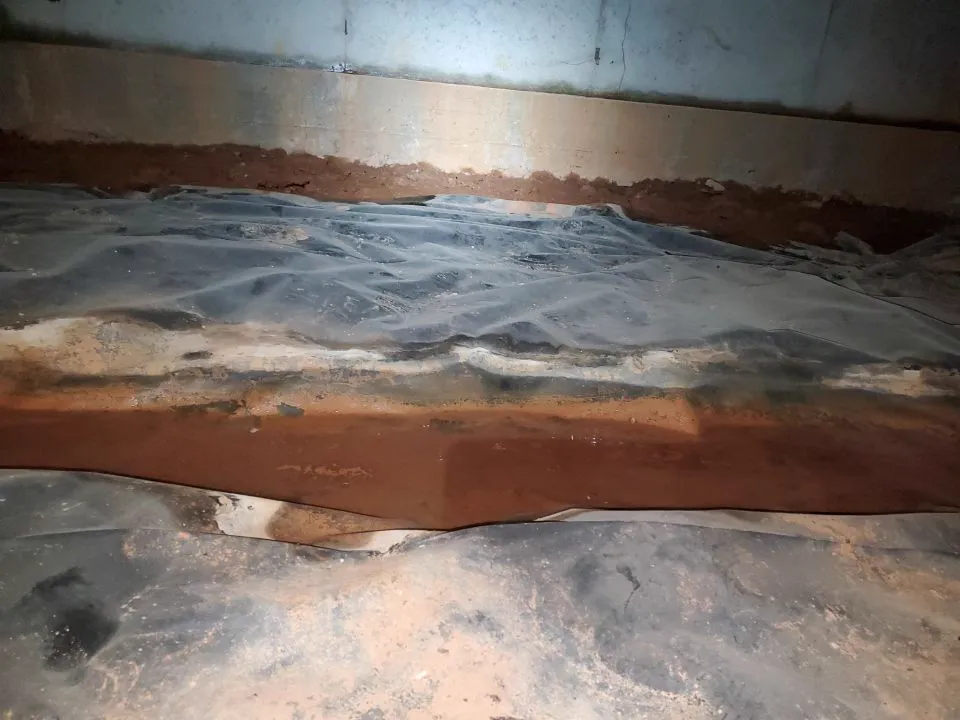
After that we look up. Sagging insulation is a tell, because fiberglass only falls once it has held moisture. Finally, we count the vents and look for standing water, since those two answers decide whether this is a liner job or a drainage job.
Worth knowing
Around here, the crawl is usually damp because the ground is. Red clay over weathered granite drains slowly, so it holds water against the house for days after a storm. That’s not a defect in your home — it’s just Fulton County dirt doing what it does.
What does the work actually involve?
Every crawl is a little different, but the sequence almost never changes. Here’s the honest version, in order.
- Clear it out. Old insulation, torn plastic, construction scraps and whatever the 1996 framers left behind all come out first. This step alone can take a full day in a big crawl.
- Fix the water before the liner. If there’s standing water, drainage and a sump pit go in now. Covering wet ground with white plastic just gives you a cleaner-looking puddle.
- Treat and dry the wood. Stained joists get cleaned and dried, so we’re sealing a healthy space instead of a damp one.
- Seal the vents. Humid Georgia air pouring in through foundation vents is the whole problem in summer.
- Lay the liner. Heavy reinforced sheeting goes across the floor and up the walls, with seams taped and the top edge fastened.
- Seal the perimeter and the door. Rim joist, wall top, and the hatch itself. A sealed space with a leaky door isn’t sealed.
- Set the dehumidifier. Not every crawl needs one, but most sealed ones do better with it.
- Walk it with you. Photos, the discharge point, the warranty, and a plain explanation of what got done.
Timeline is friendlier than people expect. A straightforward crawl runs two to three working days, plus a day for heavy cleanout and another when drainage goes in first.
Plastic on the dirt and a sealed crawl space are not the same product. One slows moisture down. The other changes the climate under your house.
What did twenty years change about how we do this?
Honestly? The order. Early on, the trade treated this as a materials job — thicker plastic, more ground covered, done. We learned that sequence matters more than thickness.
Here’s the thing we didn’t fully appreciate at first: a sealed crawl space is a room now. Once you close the vents and line the walls, whatever moisture is already in there has nowhere to go. So the drying and the drainage have to come before the sealing, every single time. Get that backwards and you’ve built a very tidy terrarium.
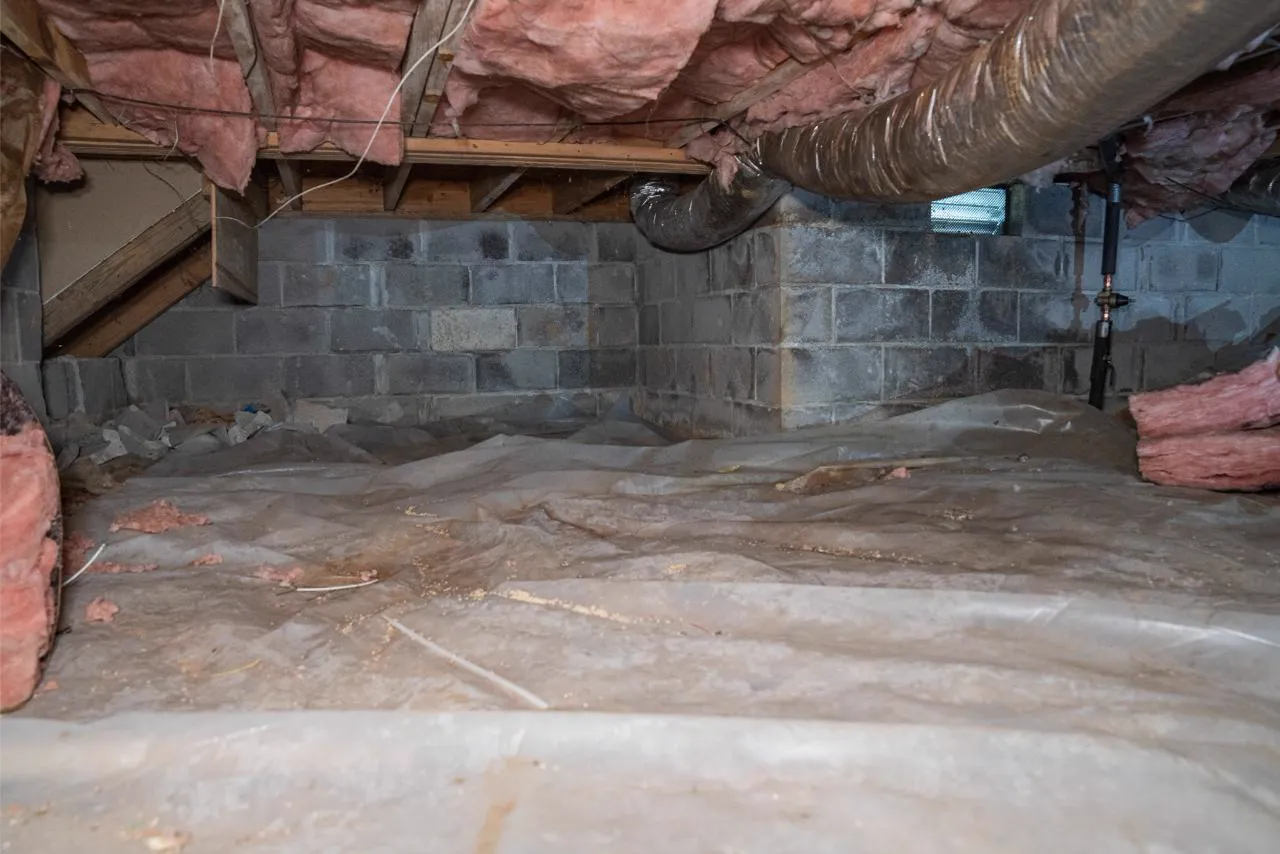
The second shift was about vents. For decades, code said crawl spaces needed to breathe. That made sense in a dry climate, but Georgia summer air is loaded with moisture, so the vents were quietly feeding the problem they were meant to solve.
The third one is local, and it surprises people. Alpharetta’s boom-era subdivisions are now old enough that the original moisture control has simply worn out — even on homes that look brand new from the street. We see it constantly on the mid-market streets near Haynes Manor and out toward The Hills at Windward. A thirty-year-old house isn’t old, but thirty-year-old builder plastic absolutely is.
What moves the number up or down?
Square footage first, then access. Those two drive most encapsulation cost Alpharetta estimates before anything else gets counted. Anybody quoting a flat price over the phone is guessing, so here’s what we actually weigh.
Price drivers, biggest first
- Crawl space square footage. More floor and more wall means more liner and more hours.
- Headroom and access. A 24-inch crawl with a tight hatch costs more to work in than a four-foot one, because everything takes longer down low.
- Cleanout volume. Old insulation, debris and buried plastic all have to come out. Heavy cleanout can add a day.
- Standing water. If water pools, you need drainage and a sump before the liner. That’s the single biggest add-on.
- Vent count. Sealing four vents is quick. Sealing fourteen on a long foundation is real work.
- Dehumidifier. Included or not included changes the number meaningfully, so ask which one you’re being quoted.
- Wood treatment. Cleaning and drying stained joists adds labor, though it’s usually money well spent.
Small, dry, easy-access crawls land at the low end. A large low crawl with heavy cleanout, drainage, a sump and a dehumidifier sits at the top, and most jobs land somewhere between. After we walk it, you get a written scope with the number attached. If you want to compare before calling, our guide to crawl space repair covers the other fixes, and the crawl space repair service page shows what we install. Curious how pricing shifts one town over? The Duluth encapsulation cost guide walks through it.
Can you do any of this yourself?
Some of it, yes, and we’re not going to pretend otherwise. Plenty of good outcomes start with a homeowner and a flashlight. Here’s where your effort genuinely pays off.
Real DIY wins
- Extend the downspouts. Six to ten feet out beats a splash block, and it’s cheap.
- Pull the grade back. Move soil and mulch away so water runs off instead of in.
- Take the tour yourself. Photos of the floor, joists and vents tell us a lot before we arrive.
- Track the humidity. A cheap meter left down there two weeks beats any guess.
Now the other half, said with respect. Rolling hardware-store plastic over the dirt is not encapsulation, because unsealed seams and open walls let moisture right back in. It’s a raincoat with the buttons missing. Sealing vents on a crawl that’s still wet also backfires, since you’ve trapped the moisture instead of removing it.
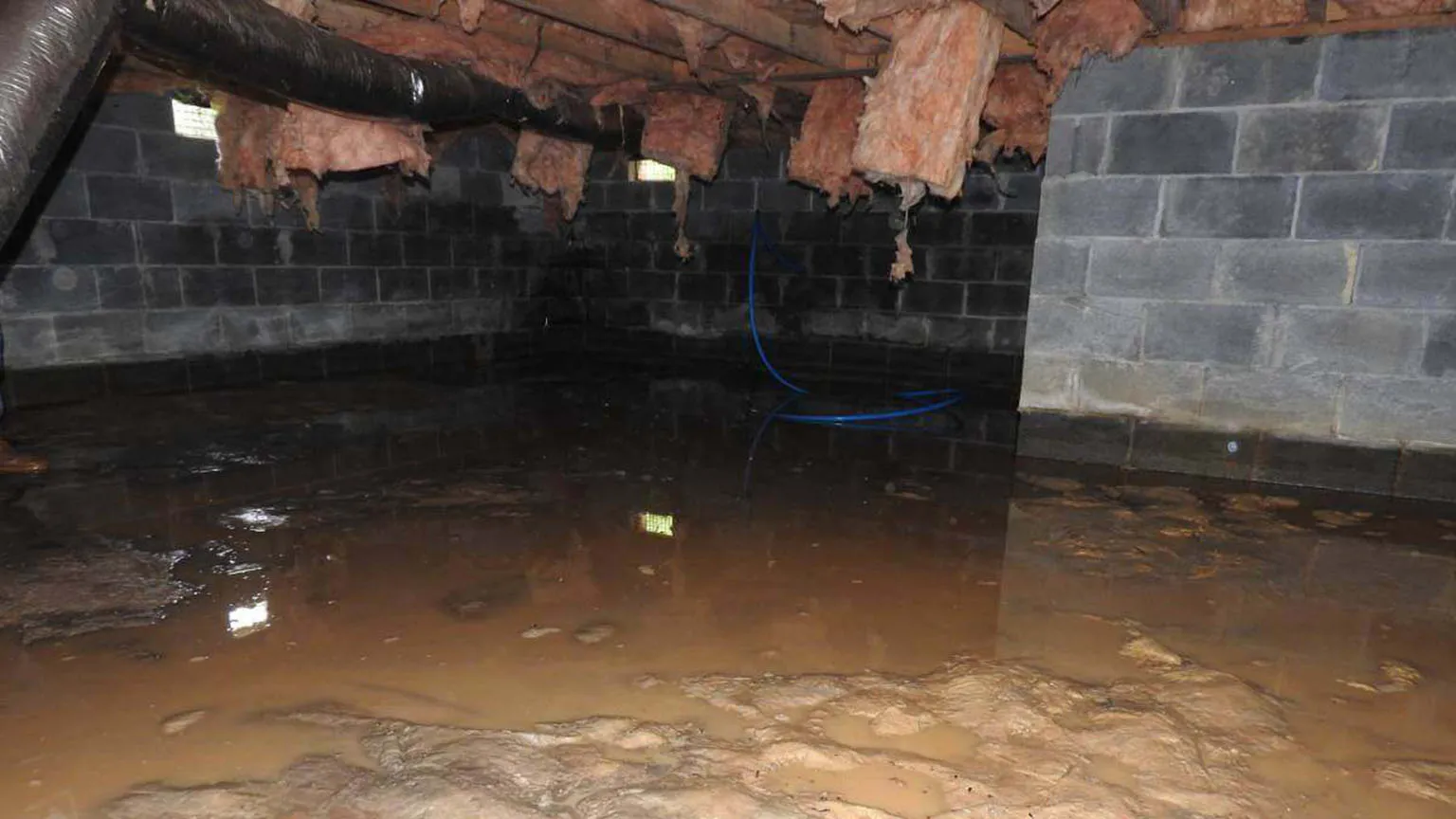
Drainage depth and discharge routing aren’t really DIY either, and not because of the tools. A sump set at the wrong depth looks identical to a correct one until the first hard spring storm.
What does this have to do with the air upstairs?
More than almost anyone expects. Air moves upward through a house — building scientists call it the stack effect. As a result, a large share of the air you breathe on your main floor started its trip in the crawl space.
Which reframes the whole conversation. You’re not paying to improve a place you never visit. You’re paying to change what comes up through the floor vents into the kitchen. Damp crawl air carries musty odor and mold spores with it, and both the EPA’s page on mold and health and the CDC’s homeowner guide explain why controlling moisture is the fix that matters.
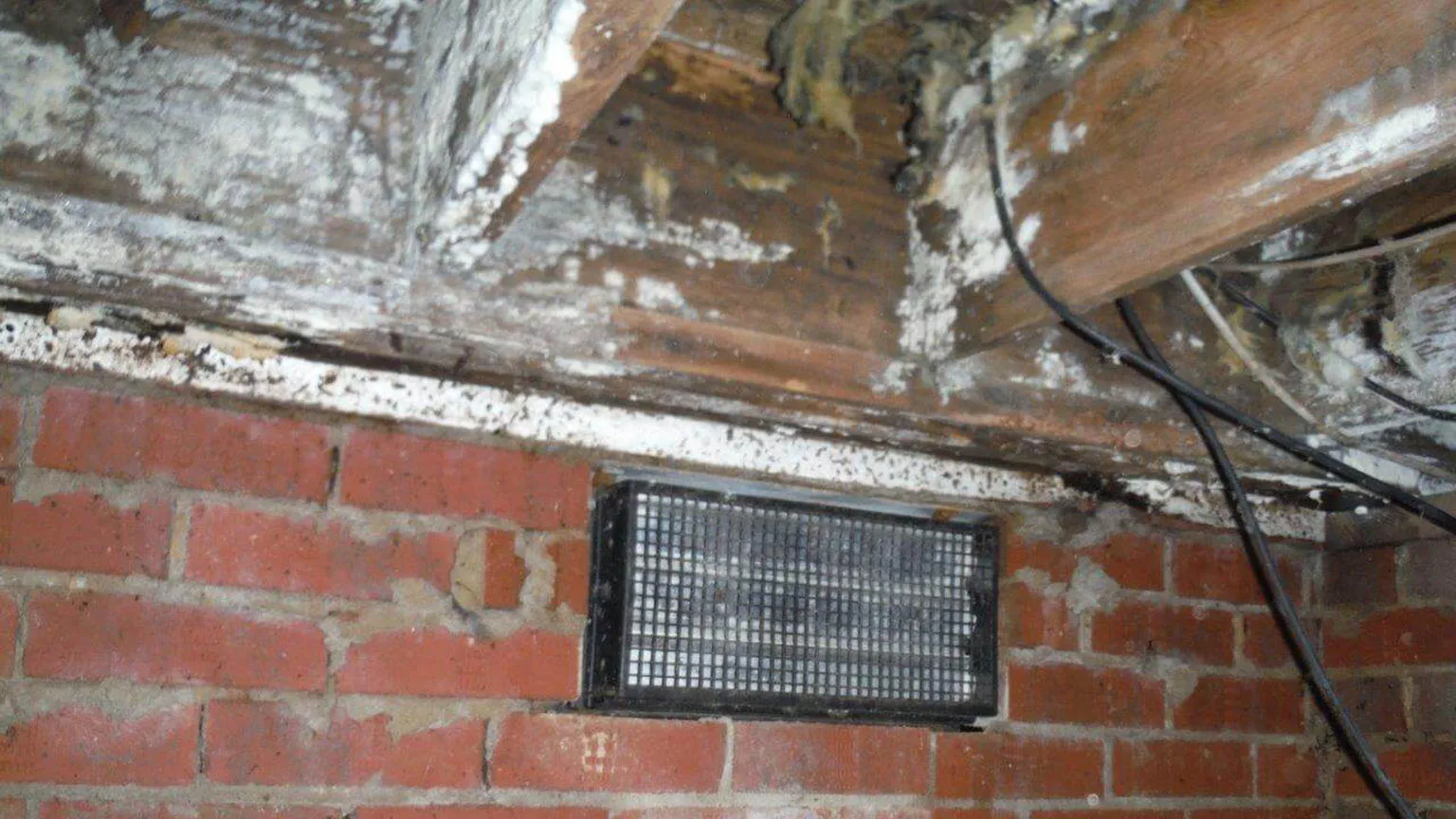
The everyday version is what homeowners actually notice. That faint smell in the hallway fades, and floors feel less clammy in August. Better yet, a homeowner near the Country Club of Roswell edge told us her upstairs finally stopped feeling sticky by mid-July.
How should you get ready?
Barely at all, honestly. Clear a path to the crawl door, and let us know where the outside spigot and outlets are. Plan on flexible parking for a day or two, the same way you would near Academy Street downtown. Pets do better inside while the hatch stays open, and that’s the whole list.
How do you know it was done right?
Ask for four things, and any honest crew will hand them over without blinking. First, before-and-after photos of the floor, walls and rim joist. Second, the seams — taped, not overlapped and hoped for. Third, the discharge point shown to you outside on the ground. Fourth, a written warranty you can read in one sitting.
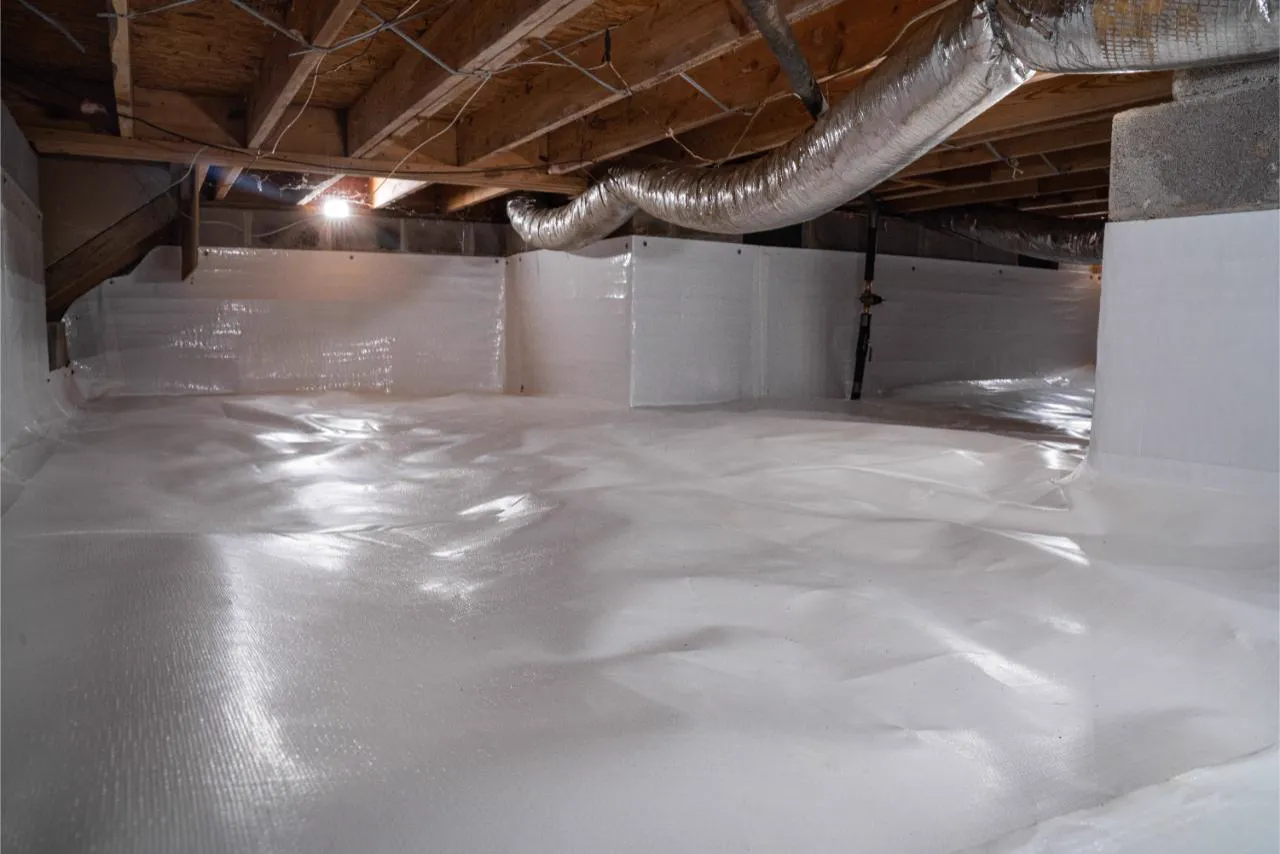
One more sign, and it’s the simplest one: you should understand your own house better after the walkthrough than before it. That’s the real goal here. If a full basement is your situation instead, our flooded basement repair guide covers that side of things.
Where we work around Alpharetta
We’re based in Lawrenceville, about twenty-five minutes east, and we’re on the GA-400 side constantly. That includes Alpharetta, Milton, Johns Creek, Roswell, Cumming, Duluth, Sandy Springs and the wider Fulton area. Whether your crawl door faces a quiet street near Downtown Alpharetta City Center or sits on a lot out past Ameris Bank Amphitheatre, we’ve likely got a truck nearby.
Questions Alpharetta homeowners ask us
In most cases it comes out, because fiberglass that has held moisture doesn’t insulate well anymore. Once the crawl is sealed, the walls do the insulating instead of the joists, so those old batts aren’t needed. We bag it, haul it, and show you what came out.
It helps a little, but it isn’t the same product. Thin sheeting with open seams and bare walls still lets moisture and humid air move freely. A sealed system uses heavy reinforced liner, taped seams, sealed walls and a sealed access door, which is what actually changes the humidity down there.
Watch for a musty smell in the hallway, floors that feel cool and damp in summer, or insulation sagging out of the joists. A cheap humidity meter left down there for two weeks tells you a lot too. If the reading stays high after dry weather, it’s worth a look.
It means sealing the crawl space off from the wet ground and the humid outside air. Heavy liner covers the floor and walls, seams get taped, vents get closed, and a dehumidifier usually keeps the air steady. The result is a dry, clean space instead of an open dirt room under your floor.
It depends most on square footage, headroom, how much comes out during cleanout, and whether drainage or a dehumidifier is part of the plan. Small dry crawls sit at the low end, while large low crawls with water sit at the top. We measure it, write it out, and the inspection and estimate are both free.
Let’s find out what your Alpharetta crawl space actually needs
We’ll open the hatch, take the photos, and explain what’s happening under your floor in plain language. Then you get a written number with the scope spelled out. The inspection is free, the estimate is free, and nobody pressures you at the end of it.
(678) 914-5112Serving Alpharetta and all of Metro Atlanta · $500 off projects over $3,500 · Live support 7am–8pm, 7 days a week