

Crawl Space Repair Suwanee Homeowners Weigh: Full Encapsulation or Just a Vapor Barrier?
An honest side-by-side of the big fix and the smaller one — plus a real recommendation, and the times we say you don’t need the big one.
Two houses sit four doors apart off Moore Road. Same builder, same year, same red clay under both. One crawl space is bone dry, and the other smells like a wet tent every May — which is exactly why so many folks start reading about crawl space repair Suwanee contractors offer in the first place.
So what’s different? Usually not the house. It’s where the water goes once it hits the ground outside, and that’s good news, because that part is fixable. There are really two levels of fix, and once you can tell them apart, choosing gets easy.
Option A: what does full encapsulation actually include?
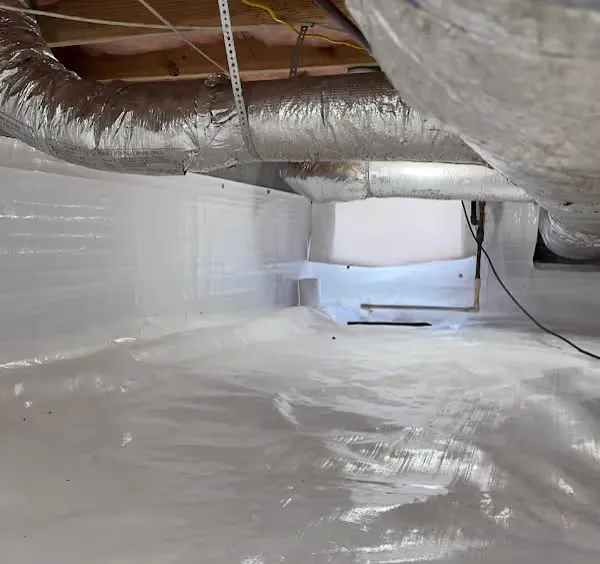
Encapsulation turns the crawl space into a sealed, conditioned part of the house. The dirt floor disappears under a heavy reinforced liner, and that liner keeps going up the stem walls and around every pier. Seams get taped, edges get mechanically fastened, and the whole thing becomes one continuous skin.
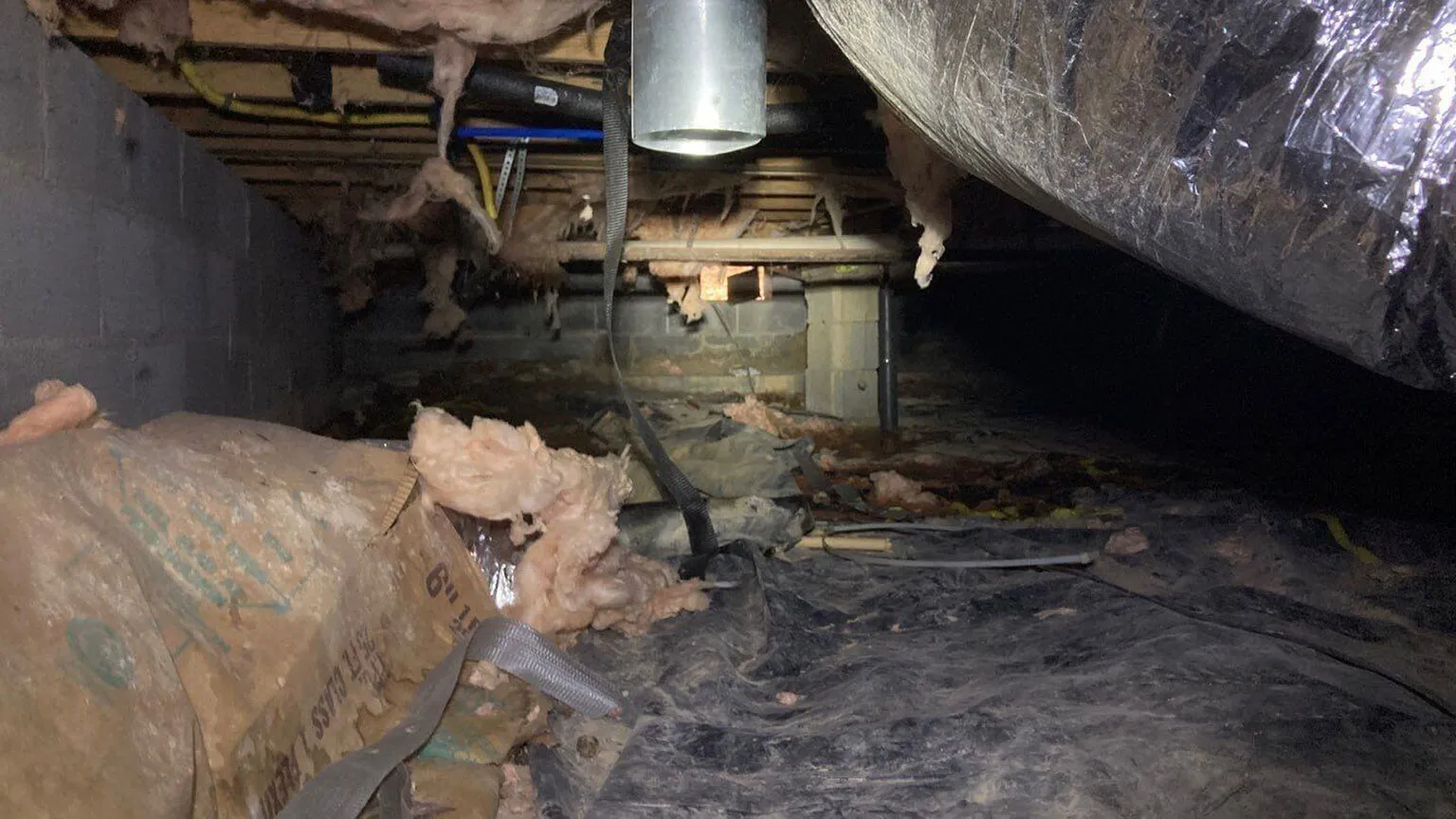
After that, the vents get closed. Then a dehumidifier usually goes in to hold the air steady year round. Here’s the part worth writing down: a true encapsulation uses a reinforced liner sealed to the walls and piers, not loose sheeting laid on the dirt. If a bid says “vapor barrier included” and the crew is unrolling thin black plastic, you’re buying option B at option A prices.
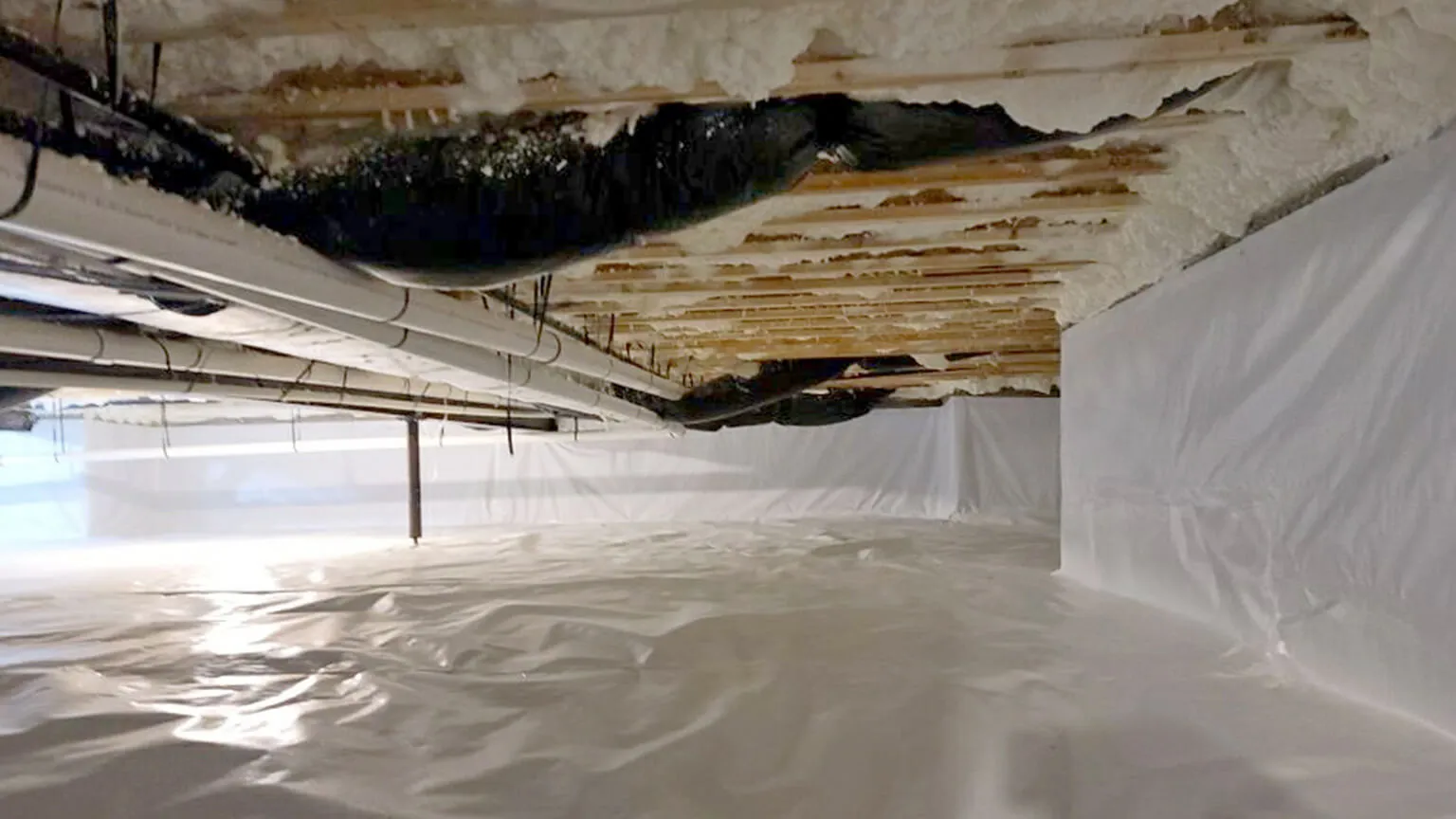
When does the big version win? Mostly when humidity is the enemy rather than a puddle. Damp air is patient, so it warps floors, feeds mold and makes your air conditioner work overtime all summer. Seal the space and that stops, which is why homeowners tell us their upstairs finally feels normal in July.
Option B: how far does a vapor barrier get you?
The lighter option has two halves, and both matter. First, we stop the water at its source outside — regrading, extending downspouts well away from the house, clearing a buried yard drain, sometimes adding a French drain along the uphill side. Second, a floor vapor barrier goes down over the dirt to block ground moisture rising into the space.
Vents stay open in this version, and there’s no dehumidifier. Because of that, the crawl space still breathes with the outdoors. That’s fine on plenty of homes, and honestly it’s all some crawl spaces have ever needed.
Real talk: this option lives or dies on the drainage work. A barrier alone with water still running under the house is like mopping with the faucet on. But fix the source first, and a well-lapped floor barrier does quiet, steady work for years.
Worth knowing
Dirt in a crawl space gives off moisture constantly, even when it looks dry to the eye. That’s why a space with no leak at all can still read high on a humidity meter. You’re not missing a puddle — the ground itself is the humidifier.
Now here’s where a lot of homeowners get steered wrong
Somewhere between the first storm and the third estimate, most people hear a version of this: every crawl space needs full encapsulation, no exceptions. We hear it repeated in neighborhood groups constantly, and the folks passing it along mean well.
Here’s the thing, though. Encapsulation manages air. Drainage manages water. Those are two different jobs, and sealing a space that still takes on runoff just puts a very nice liner over an unsolved problem. Water will find the low corner either way, and it does not care how white the plastic is.
We won’t seal a crawl space until we know where the water is coming from. Fix the source first, then decide how much of the space needs sealing. That order has never once let us down.
The flip side is just as true. If a crawl space is dry as a bone but the humidity stays high all summer, more gutter work won’t move the needle. That house needs sealed air, not another downspout. Diagnosing which one you have is the whole job, and it takes about an hour with a light and a meter.
Side by side, honestly
Enough background. Here’s how the two stack up when we’re on our backs under your floor with a flashlight.
Full encapsulation
- Reinforced liner on the floor, walls and piers
- Vents closed, so outdoor humidity stays out
- Usually includes a dehumidifier you’ll check once a season
- Costs more, mostly in material and labor hours
- Best when summer humidity is the main issue
- Makes the space clean enough for storage
Vapor barrier and drainage
- Floor barrier only, plus fixing the water source outside
- Vents stay open and the space still breathes
- No equipment to power or maintain
- Costs a fraction of the sealed version
- Best when one clear water path is causing everything
- Can be upgraded to full encapsulation later
Notice neither column says “better.” Because on a given house one of these is usually obvious once we’ve walked the lot, and the other becomes a conversation we can skip.
What decides it on a Suwanee house?
Four things, more or less. They come up on nearly every inspection we run between the Suwanee Creek Greenway and the neighborhoods east of George Pierce Park.
The deciding factors
- Where does your lot drain? Rolling ground feeding Suwanee Creek means some homes get their neighbor’s runoff too.
- Is there standing water, or just damp air? Standing water points to drainage. Damp air points to sealing.
- Is the crawl space part basement? Plenty of homes here mix a walkout basement with a crawl section, and door and window-well leaks show up right at that seam.
- How old is the original work? Suwanee grew up in one fast wave in the late nineties and early two-thousands, so those homes are all hitting their first real waterproofing failure at the same time.
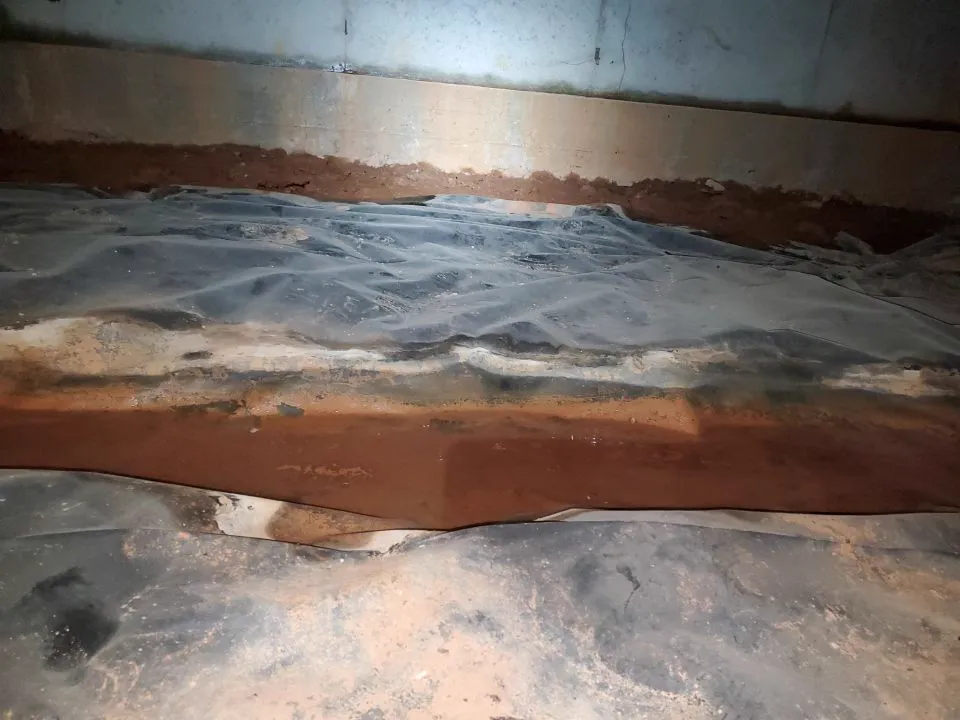
That last one explains a lot of calls. A homeowner over in Edinburgh had thin sheeting from the original build, half buried in clay and torn wherever anyone had crawled through. Nothing had failed dramatically, but twenty-plus years is simply a long time for plastic. Replacing it changed the smell in the hallway within a week.
So which one do we recommend?
For most homes in the Bear’s Best area and Morningview, we recommend fixing the water source first, then full encapsulation. Our clay holds moisture long after the rain quits, and a sealed space is the only thing that keeps that August humidity out of your floor joists. Our page on crawl space repair walks through how we build it, and our guide to the best crawl space setups goes deeper on materials.
Now the part contractors skip. Plenty of crawl spaces don’t need the big version. If the space is tall and dry, the humidity meter reads reasonable in July, and one downspout dumping at the corner explains everything you’ve seen, then take care of the grading and lay a proper floor barrier. That’s it. We’ll tell you so even though it’s the smaller invoice, because talking somebody into a dehumidifier they don’t need is a fast way to lose a referral in this town.
Either way, you should leave the estimate knowing three things: where the water starts, what each option covers, and what changes if you wait a season. If a bid doesn’t tell you those, ask. Curious how the same call goes a few exits south? Our breakdown of Peachtree Corners crawlspace repair covers older housing stock, where the math shifts.
The rooms nobody connects to this
Ready for the part that surprises people? A damp crawl space isn’t a crawl space problem. It’s a whole-house problem, and the symptoms usually show up on a floor you actually live on.
Air in a house moves upward. Warm air escapes through the attic, which pulls replacement air in from the lowest point — your crawl space. So a good share of the air you breathe in the kitchen started under the house. That’s why a bedroom closet can smell musty when it’s perfectly dry up there.
Moisture hitches a ride with that air. Hardwood cups at the seams, doors stick in July and fit fine by October, and the air conditioner runs long because damp air is harder to cool. Homeowners chase each of those separately, yet they trace to one source. For the health side, the EPA’s guide to mold and health and the CDC’s page on mold in the home are both short, calm reads.
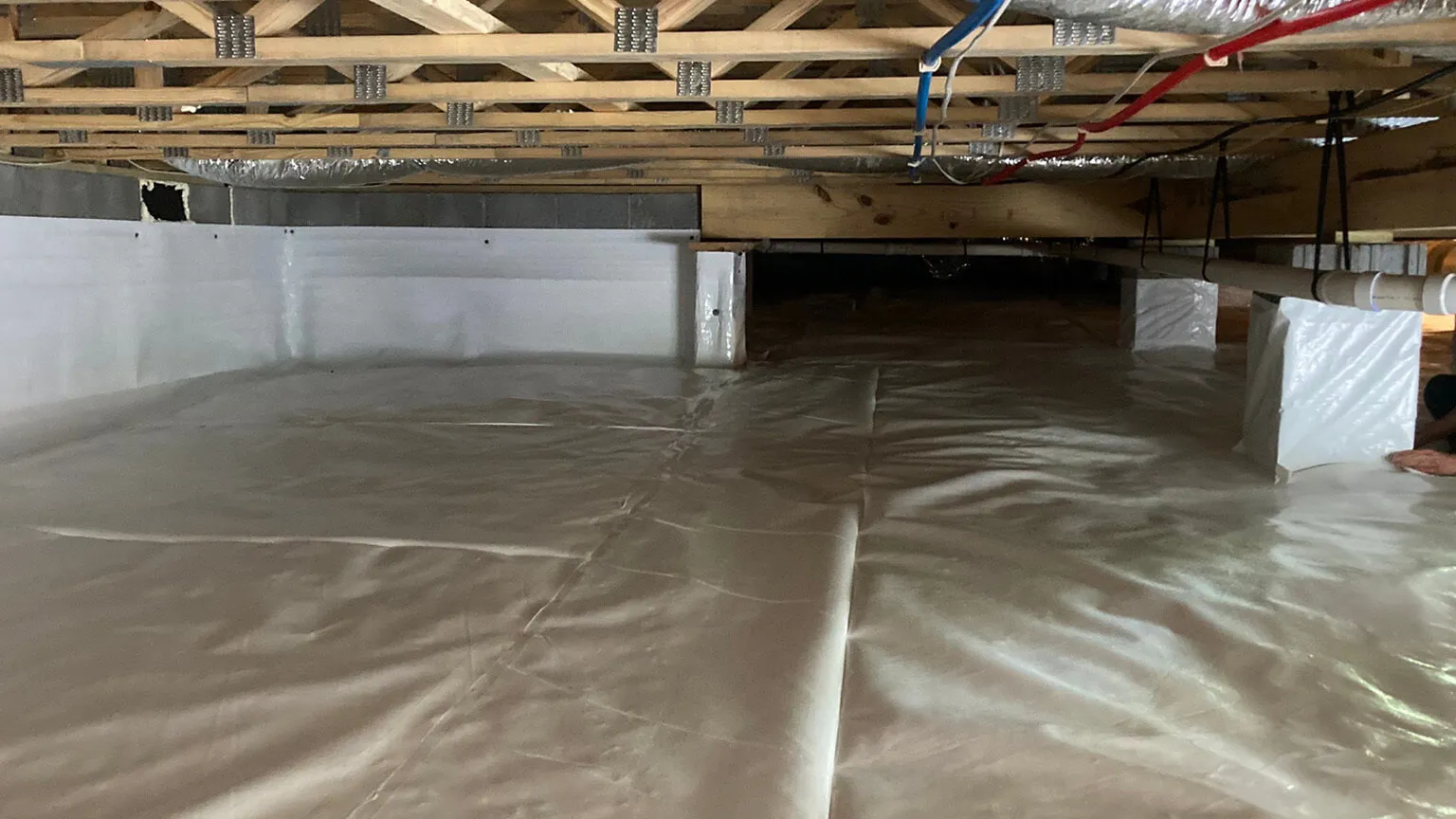
Now picture it finished. The hallway smells like nothing at all, the floors stay flat through a wet spring, and the space under your house is somewhere you’d store holiday bins without wrapping them in trash bags first. Better yet, you stop thinking about it. If water shows up in the basement side too, our post on flooded basement repair picks up there.
Why hire people who work here every week?
Because a 1998 crawl space asks different questions than a 1965 one, and the answers aren’t in a script. We’ve been doing this for over twenty years, so we know which subdivisions drain toward the creek and which ones just have a gutter problem. You get the same crews, the same trucks, and a written warranty before anything starts.
Where we work around Suwanee
We’re based in Lawrenceville, about fifteen minutes south, so we’re up this way most weeks. That includes Suwanee, Duluth, Buford, Sugar Hill, Johns Creek, Lawrenceville, Cumming, Dacula, Snellville, Norcross and the wider Gwinnett area. Odds are we’ve already been under a house near yours.
Questions Suwanee homeowners ask us
It depends on square footage, how tall the space is, and whether drainage work comes first. A floor barrier with grading corrections sits at the low end, while a full sealed system with a dehumidifier sits at the high end. Anyone quoting a flat number over the phone is guessing, so we measure it and hand you a written scope.
If we seal the vents, then yes, almost always. A closed space needs something managing the air, otherwise moisture has nowhere to go. But if you’re keeping the vents open with a floor barrier only, you usually don’t need one at all.
It’s all or nothing. Closed vents work great as part of a sealed, dehumidified space, and open vents work fine on a dry crawl space with good drainage. Half-measures cause trouble, so closing vents without sealing and conditioning the space is the one thing we’d steer you away from.
Usually, and faster than people expect. Since much of your indoor air rises from the crawl space, sealing it cuts off the supply line for that smell. Most homeowners notice a difference within the first week or two.
Most jobs run two to four days, depending on size and how much cleanout is needed. Drainage work outside can add a day, and heavy rain can push it. You’ll get a schedule before we start, plus a crew that hauls the old material away.
Let’s find out what your Suwanee crawl space really needs
The inspection is free, the estimate is free, and nobody pressures you afterward. We’ll show you where moisture is starting, lay out both options with real numbers, and tell you honestly if the smaller fix is the right call.
(678) 914-5112Serving Suwanee and all of Metro Atlanta · $500 off projects over $3,500 · Live support 7am–8pm, 7 days a week