

How to Choose the Best Crawl Space Dunwoody Homeowners Can Get
What makes these houses different, what belongs in a real quote, and the questions that sort a careful crew from a fast one.
Here’s the thing about a damp crawl space: it doesn’t get dramatic, it just gets bigger. Today it’s a smell in a hall closet and a liner job. In three years it can also be a soft subfloor and new insulation. So if you’re shopping for the best crawl space Dunwoody has to offer, timing is quietly part of the price.
Good news, though — none of that is scary, and none of it is urgent in the “sign tonight” sense. It’s just cheaper while it’s small. Let’s back up a second and talk about why these particular houses do this.
What does waiting actually cost?
Not much, at first. A crawl space that runs humid for one summer usually needs a liner, a sealed vent or two, and a dehumidifier. That’s a one-visit job on most homes around here.
Give it a few more seasons and the list grows sideways. Wet insulation drops off the joists, so it stops working and starts holding water. Then the framing above it stays damp, and cleanup gets added to the scope. Nobody’s house falls down over this — it just turns a tidy project into three of them.
Moisture problems don’t get worse fast. They get worse quietly, which is honestly harder to notice.
So the math is calm and simple. Fixing it now buys you the smallest version of the job, plus a dry space every year in between.
Why are Dunwoody homes like this?
Age and dirt, mostly. Most of this city went up between 1965 and 1985, and the split-levels and four-sides-brick ranches from that stretch were built when “waterproofing” meant a spray coat of asphalt on the outside of a block wall. Fifty years of Georgia clay later, those walls are telling on themselves.
The ground here doesn’t help. Red clay sits over rock, so water can’t soak straight down — it runs sideways until it finds your foundation. On the hilly, wooded lots you see all through Village Mill and Kingsley, that low corner of the house is where everything collects.
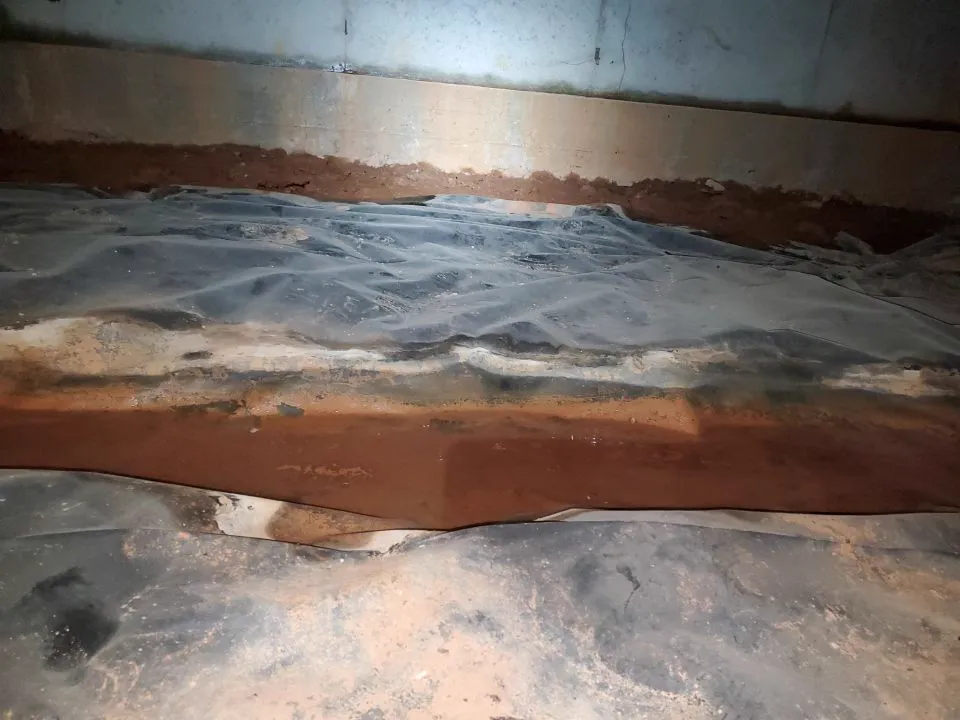
Then there’s the original footing drain. On homes this age, that pipe is often crushed, root-packed, or filled with silt, which means the water that used to leave now sits. Sixty-year-old oaks and poplars are wonderful for shade and rough on drainage lines.
One more local wrinkle: vents. Open foundation vents were required for decades on the theory that outside air dries a crawl space. In a humid climate, warm outside air hitting cool surfaces does the opposite — it condenses. That’s why your crawl space can get wetter in a dry August than a rainy March.
What should a good company do differently here?
Start outside, before they ever open the hatch. Grading, gutters and downspouts feed most of what lands under a house here, so a crew that skips the yard is guessing. Anybody selling the best crawl space Dunwoody work should walk your perimeter first, every time.
Next, they should check the whole footprint. Plenty of homes near Georgetown have a crawl space under one wing and a block basement under the other, which means one house can have two separate moisture problems. As a result, an inspection that stops at the first dry corner misses half the story.
Worth knowing
Water gets solved before a liner goes down. If a spot puddles after every long rain, sealing over it just makes a swimming pool with a nice white lid. So drainage and a sump come first, then the liner.
They should also read your house’s age out loud. A 1972 ranch off Winters Chapel Road behaves differently than a 2019 teardown rebuild two doors down. Here’s what was standard when your home was built, and here’s what we know now — that’s the conversation you want.
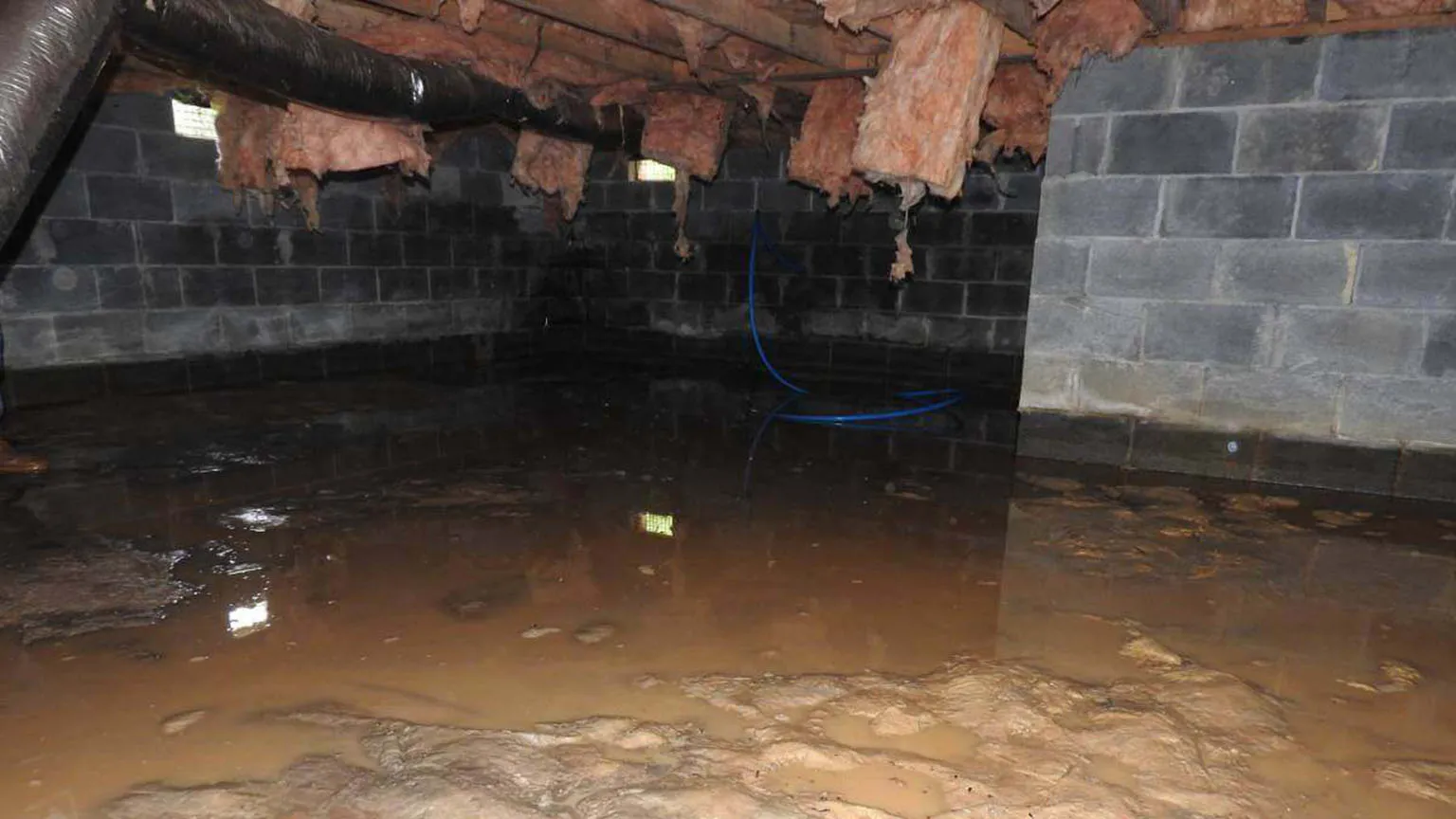
Is there an easier first step?
There is, and most people don’t realize it’s available. Before you compare a single quote, you can have somebody go under there and simply tell you what’s happening — with photos, no scope, no number attached. A diagnosis is not the same thing as a sales call.
That one step changes how the rest goes. Once you know whether you have standing water, a failed footing drain, or just humid air, you can read three estimates and tell instantly which company actually looked. Plus you stop paying for guesses.
Ours is free, and so is the estimate that follows if you want one. Honestly, a fair number of these visits end with us saying the fix is smaller than the homeowner feared. That’s a good day for everybody.
How do you read the estimate?
Line by line, with one question in mind: does this describe my crawl space? A real scope names square footage, materials and equipment. A weak one says “encapsulate crawl space” and a price.
What should be spelled out in writing
- Liner thickness, in mils. This is the biggest quality gap between two quotes that look alike.
- Where the liner stops. Floor only, or sealed up the walls and around every pier.
- Vent treatment. Sealed and insulated, or just covered with a grate from outside.
- Water first. Interior drain, sump, basin and discharge point, if the inspection found water.
- The dehumidifier. Model, capacity, and how it drains. Sizing should match your square footage.
- Insulation plan. What comes out, what goes in, and where it lands.
- Warranty, in plain words. What’s covered, for how long, and whether it transfers to a buyer.
About price: a firm number over the phone is a guess, and you’d be the one paying for it. Small dry spaces sit at the low end, while a big footprint with drainage and a sized dehumidifier sits at the high end. Most jobs land somewhere between, so ask for a written scope instead of a “starting at.”
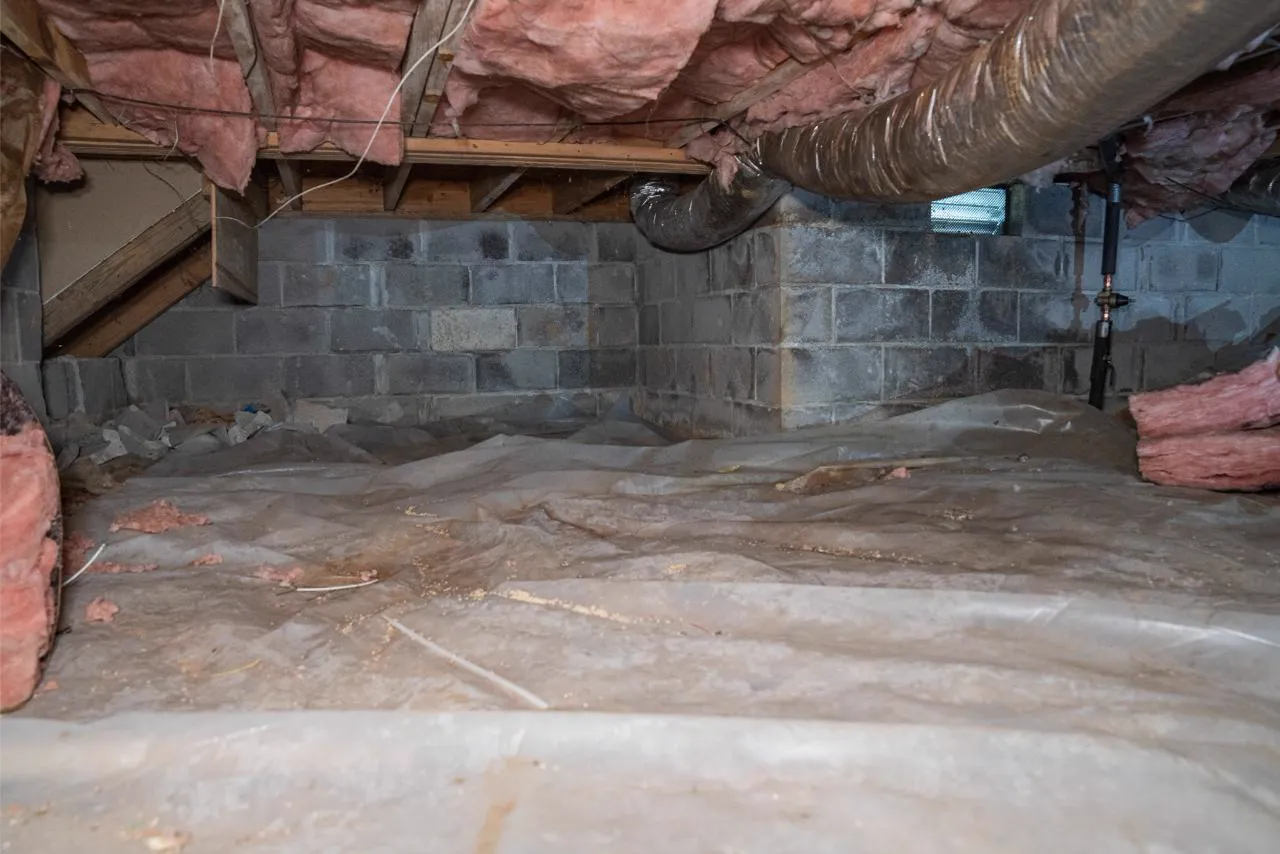
What should you ask before you hire?
Five questions do most of the sorting. Ask how the liner attaches to the walls and piers. Then ask its thickness, whether vents get sealed or only covered, how the dehumidifier was sized, and whether the warranty transfers when you sell. Any company promising the best crawl space Dunwoody has should answer all five without hedging.
Red flags are easier to spot than people expect. Pressure to sign today is one. A discount that expires when the visit ends is another, and so is any talk about your home coming apart, which is a sales line rather than a diagnosis.
Watch for a crew that won’t go all the way in, too. If nobody crawled to the far corner, nobody knows what’s back there. Also pause on a company that won’t put the warranty terms on paper, since a ten-year promise is only worth the company still being here in year ten.
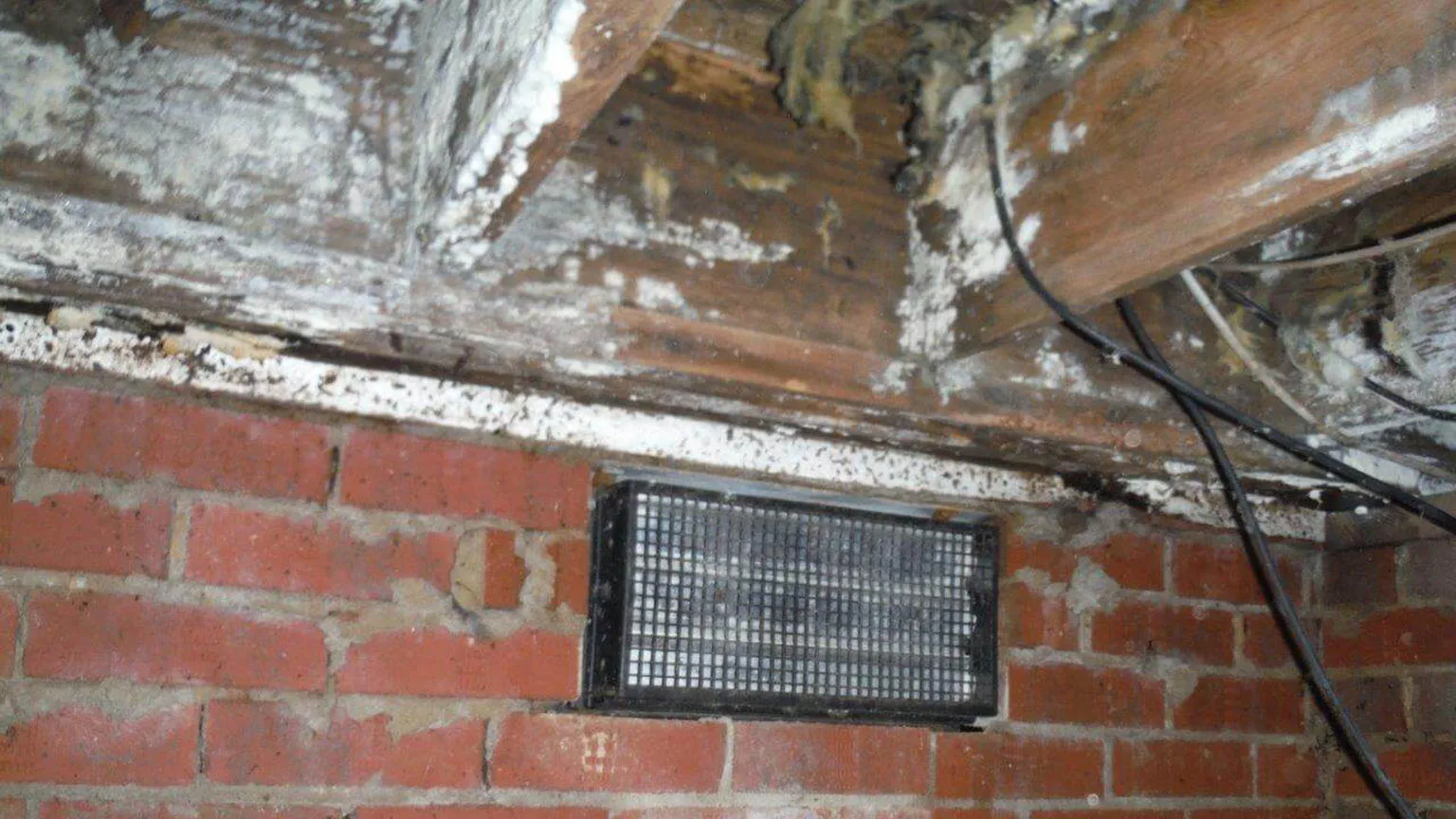
Why does any of this matter upstairs? Because air moves up through a house, so a share of what you breathe in the den started under the floor. The EPA’s plain-language summary of mold and health explains why damp indoor air bothers some people more than others, and the CDC’s overview of mold in the home covers the same ground.
What do you do after it’s fixed?
Almost nothing, which is the nice part. Still, a sealed crawl space likes a short yearly checkup, and this list takes about twenty minutes once a year.
Your once-a-year crawl space list
- Open the hatch and look. The liner should be bright and dry. Dark streaks mean something new is getting in.
- Check the dehumidifier reading. Somewhere around 50% is the target. Wipe the filter while you’re down there.
- Follow the drain line outside. Make sure the discharge point still runs downhill and isn’t buried in mulch.
- Clean the gutters, twice. With this much hardwood canopy, spring and fall are both required, not optional.
- Check downspout extensions. Water should land at least six feet from the wall.
- Glance at the grading. Soil should slope away from the house. It settles over time, so it needs a scoop now and then.
That’s it. Do those and the system stays boring for decades, which is exactly what you paid for.
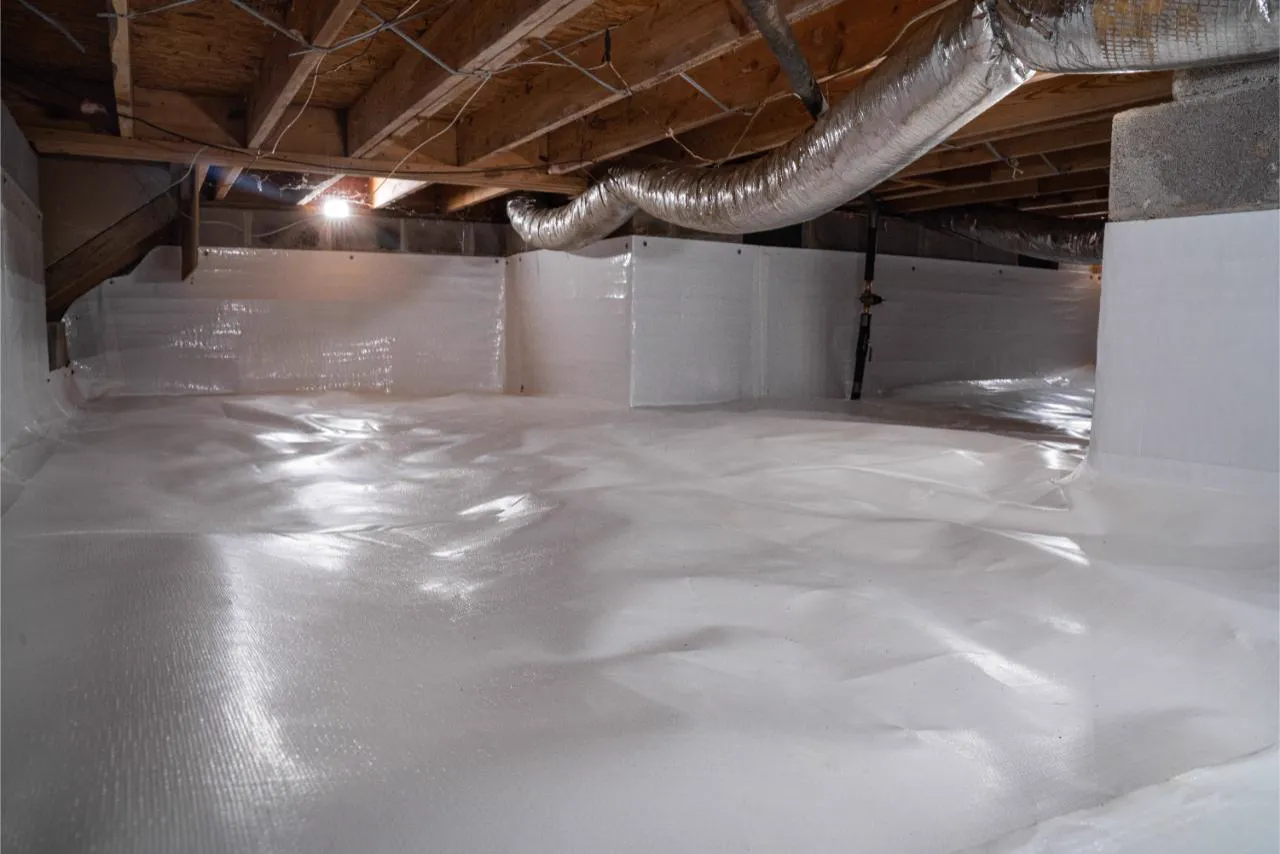
Why we might be the right fit
We’ve been doing this over twenty years, and Dunwoody is about thirty minutes southwest of our Lawrenceville shop. Between homes near Dunwoody Village and jobs over by Emory Saint Joseph’s Hospital, we’re in this city most weeks, so we’ve very likely worked under a house built the same year as yours.
That history matters for one plain reason: a warranty is only as good as the company standing behind it. If something needs a look in year eight, you’re calling the same local crews who did the work. We’ll also tell you when the answer is smaller than you expected, because we’d rather have the neighbor referral than the bigger invoice.
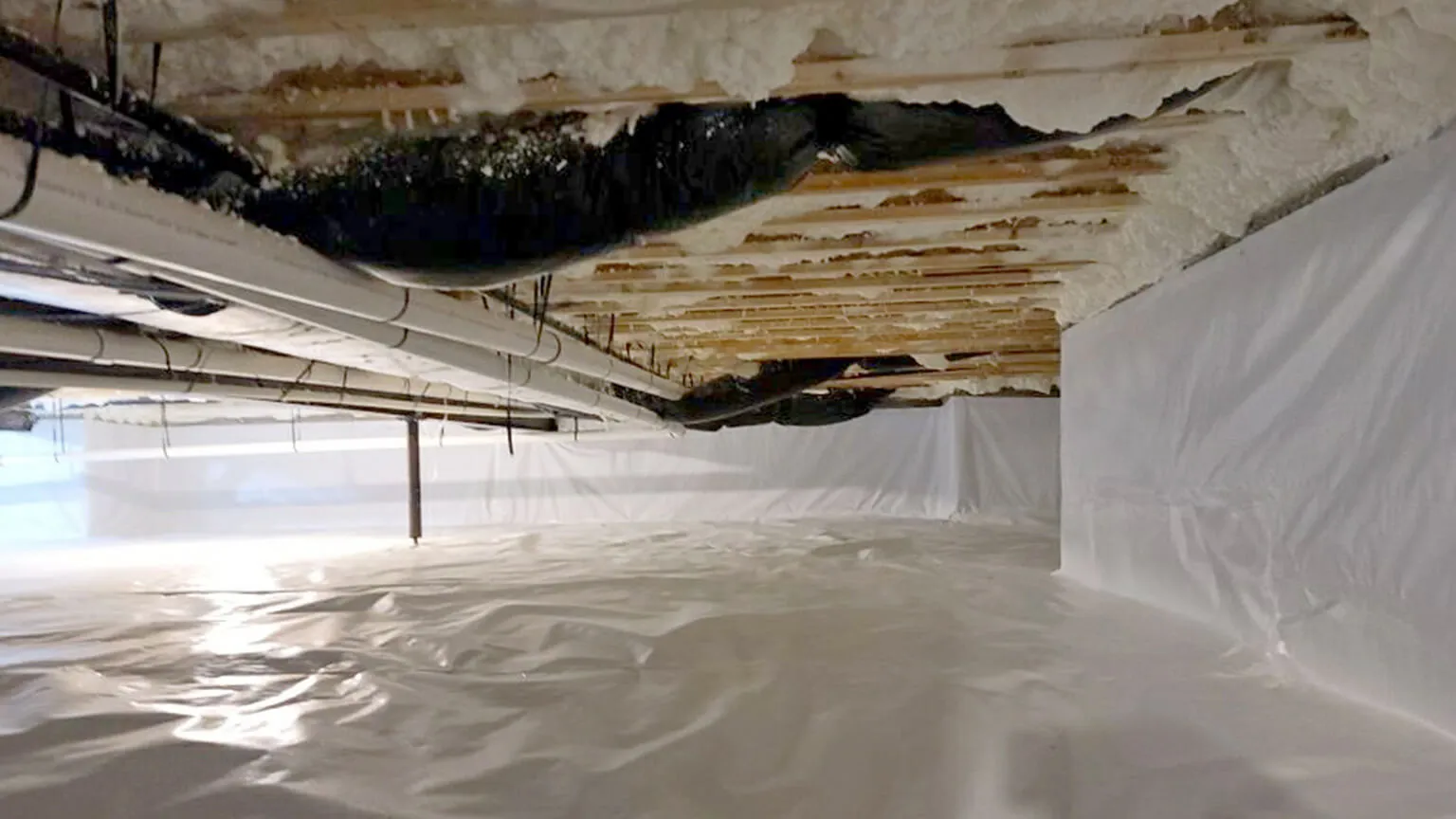
Want to compare notes first? Our local guide to crawl space encapsulation walks through symptoms and options, and the full crawl space repair systems we install are laid out step by step. Neighbors up the road get the same breakdown for Roswell best crawl space work. If the lower level worries you more, start with our piece on flooded basement repair, since block walls and long spring rains are the other thing we see all over this city.
Where we work around Dunwoody
Our shop sits in Lawrenceville, so this side of the map is a short ride. We work throughout Dunwoody, Sandy Springs, Brookhaven, Peachtree Corners, Chamblee, Doraville and Norcross, plus the wider DeKalb area. Anywhere along Winters Chapel Road or inside the Perimeter, we’ve usually got a truck close by.
Questions we get around town
Most crawl spaces are done in one to three days. Smaller spaces with no water often wrap in a single visit, while a job that needs drainage and a sump takes longer. We give you the day count in the written scope so you can plan around it.
Usually a little, and the comfort change is bigger than the number. Your ducts stop running through a hot damp box, so the system works less to hit the same temperature. Floors over the crawl space also stop feeling cold in February.
If it’s wet, sagging or moldy, it comes out and gets hauled away. Once the vents are sealed, insulation belongs at the perimeter walls and rim joist rather than between the floor joists. That swap is part of the scope, not an extra.
It helps a bit, but it isn’t the same thing. Thin sheeting laid loose on dirt tears the first time somebody crawls in to service a duct, and it doesn’t seal to the walls or piers. A reinforced liner sealed all the way around is what changes how the space behaves.
Trust your nose and your floors. A musty smell in a closet, cupping hardwood, cold rooms over the crawl space, or higher humidity upstairs all point down. The sure way to know is to have somebody go under with a light and a camera, which is what our free inspection is for.
Let’s go look under your Dunwoody home
The inspection is free, the estimate is free, and nobody pressures you afterward. We’ll show you photos of what’s down there, explain what it takes to fix, and tell you plainly if the answer is simpler than you thought.
(678) 914-5112Serving Dunwoody and all of Metro Atlanta · $500 off projects over $3,500 · Live support 7am–8pm, 7 days a week