

The Best Basement Waterproofing in Suwanee: How to Tell Who Actually Knows Your House
A homeowner’s guide to reading an estimate, asking better questions, and telling a real system from a quick patch.
How long had it been going on before you saw it? Water almost never shows up the day it arrives, so by the time most people go looking for the best basement waterproofing Suwanee has to offer, the clock has been running two or three years — a damp corner, a smell near the stairs, a box bottom that fell apart.
Good news, though: that lost time isn’t working against you. Water moves slowly, and so does the damage. What matters now is picking the right company — which gets a lot easier once you know what a good one should be saying.
Why did half of Suwanee get wet at the same time?
Here’s the thing about this city: it grew up in one fast wave. Between the late nineties and the mid two-thousands, whole neighborhoods went in back to back. Those homes are terrific, but they got the same waterproofing on the same day — and they’re reaching the end of it together.
That’s why the calls cluster. We’ll do a house in Edinburgh in March and two more within a mile by May. Nobody did anything wrong, either. The tar coating on a 1999 foundation simply has a service life, and twenty-five years is about where it runs out.
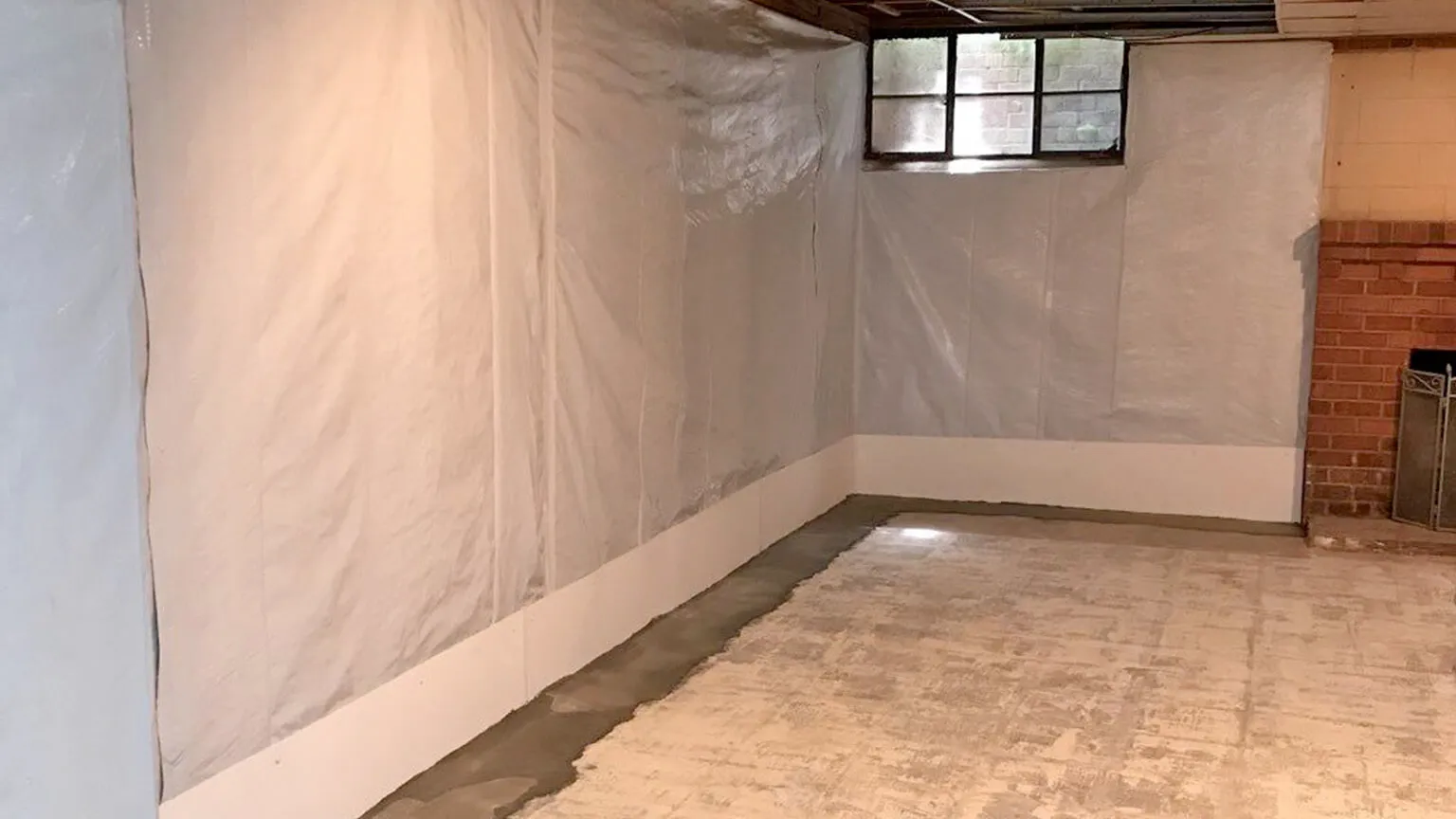
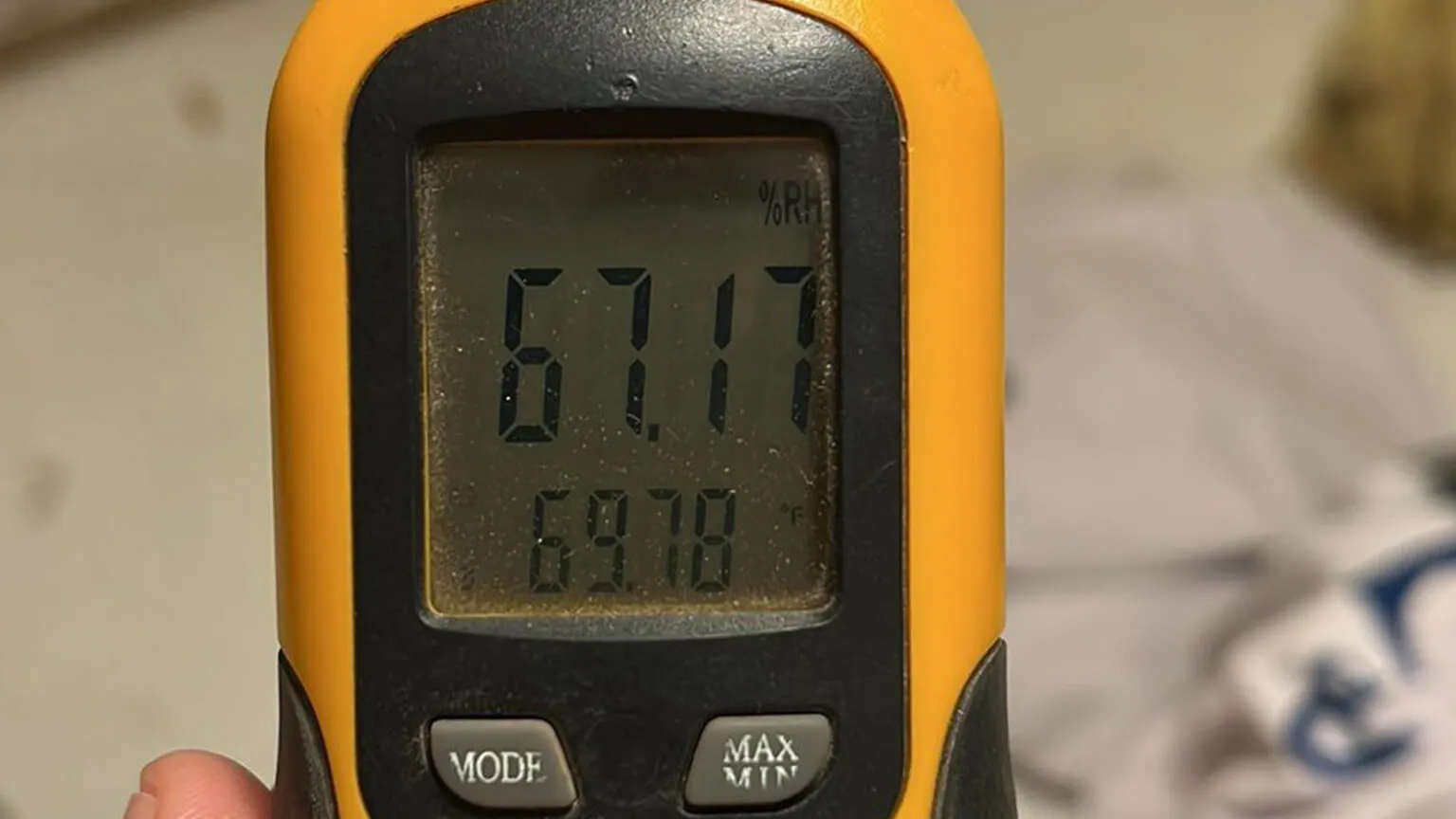
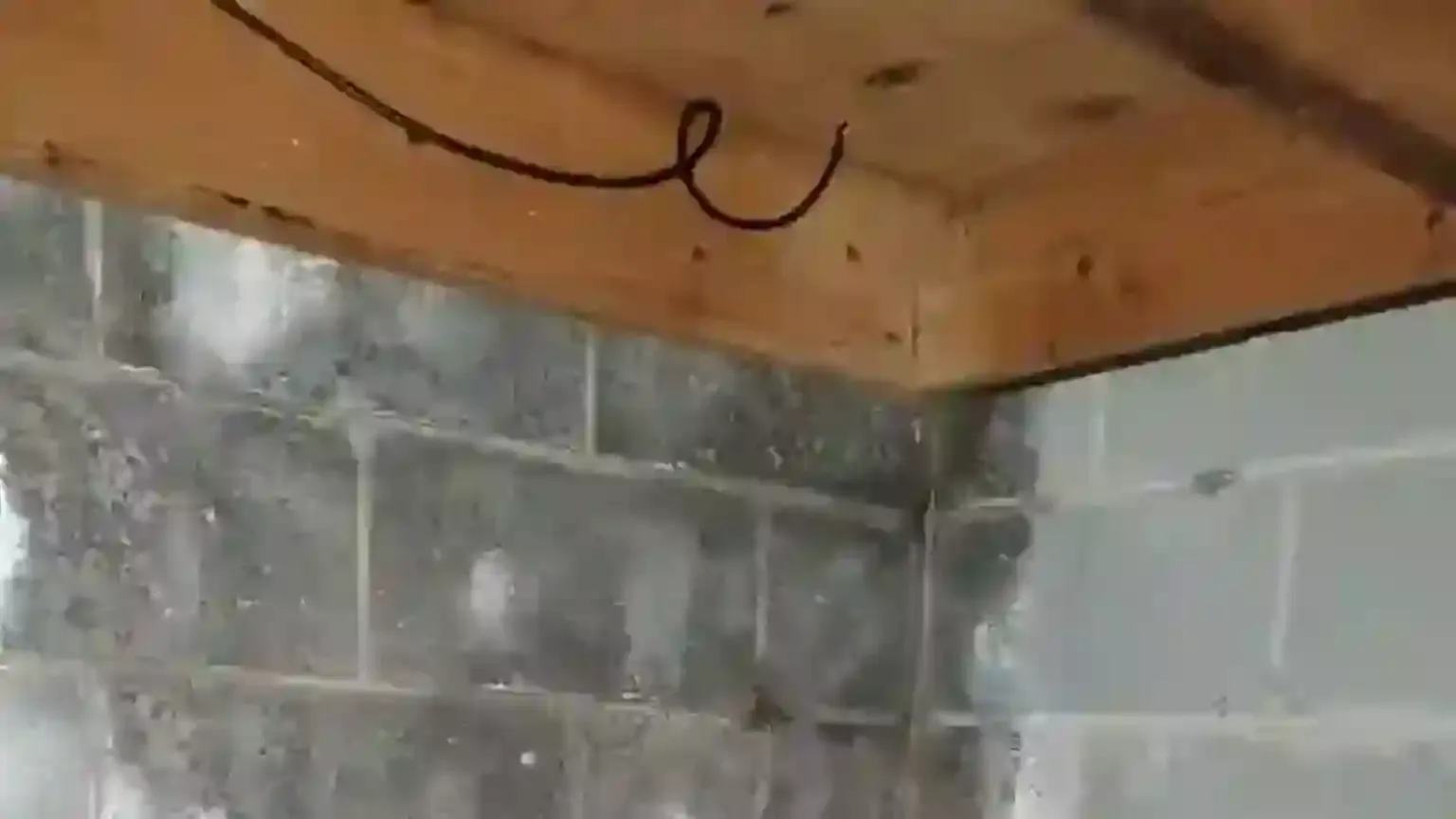
Then there’s the ground. Suwanee sits on rolling hills draining toward Suwanee Creek, and under the grass is Piedmont red clay. Clay swells when it gets wet, and swollen clay pushes. That push is called hydrostatic pressure, and a basement wall can face thousands of pounds of it. In other words, water doesn’t need a crack — it gets squeezed through concrete that looks perfectly solid.
Add walkouts to the mix and you’ve got the local signature. Those doors and window wells sit right where the hillside sheds water, so a puddle inside a walkout door after a storm isn’t your imagination. It’s simply the lowest point on your lot.
Good news
A wet basement and a failing foundation are two different conversations, and most Suwanee homes we look at only need the first. We’ll tell you plainly which one you’re in, even when the answer is smaller than you feared.
What should a good company do differently in Suwanee?
Ask this early, because the answer sorts people fast. The best basement waterproofing Suwanee homeowners hire starts outside, with your lot, before anyone talks about your basement. Grading, downspouts, yard slope, where the neighbor’s water goes — all of that comes first.
Why? Because on twenty-five-year-old grading, the dirt has settled. It was pitched away from the house on day one, but a quarter century of rain and mulch quietly tipped it back. We see this constantly near the Bear’s Best area. Fixing the slope won’t always solve everything, though it’s cheap next to a full system — and any honest company checks it first.
A good crew should also ask your sump pump’s age and whether it has a battery. Original pumps from the early two-thousands still hum along here, right up until the storm that knocks the power out — which is, of course, the exact storm you needed them for.

The part most companies skip when they explain this
Now for the piece that rarely makes it into a sales pitch. Almost everyone tells you what they install. Very few explain where the water was going to go anyway — and that’s the whole game.
Water isn’t trying to get into your basement — it’s moving downhill along the easiest path, and right now that path runs through the seam where your wall meets the floor. So a real fix doesn’t block water. It offers water a better road.
Twenty years in, the thing that changed how we work is simple: we stopped trying to stop water and started giving it somewhere better to be.
That’s why a proper interior system collects below the slab. Perforated pipe sits in clean stone under floor level, so water is caught before it reaches your floor. Everything routes to a sump basin, and the pump carries it well away from the house — not two feet from the foundation, where it would come back for a second try.
Notice what isn’t on that list: paint. Coatings are fine products, but a coating can’t beat pressure — it’s a raincoat on a submarine. What’s more, nobody can honestly warranty one. A system built around how water behaves? That you can put in writing.
How do you read an estimate without a degree in this stuff?
Start with scope, not price. A good estimate tells you how many linear feet get treated, what depth the pipe sits at, whether a sump is included, and where the discharge water goes. Without those four, you can’t compare two bids at all — you’re comparing numbers attached to mysteries.
What actually moves the number
- Linear feet. One wall versus a full perimeter is the biggest factor by a mile.
- Access. A finished basement with a bar and built-ins means careful work before the real work.
- Sump and discharge. Some homes have a serviceable basin. Many have a tired original, or none at all.
- Outside conditions. Regrading and rerouting downspouts sometimes handles most of it, and that’s a smaller invoice.
- Wall condition. A cracked or moving wall gets addressed first, or you pay twice.
- Backup power. A battery backup costs more up front and runs during the outage that floods basements.
Anyone who quotes a flat price over the phone, sight unseen, is guessing — and you’d be paying for the guess. On the other hand, a company that walks the yard, walks the basement, then hands you a written scope has earned a real look. Our breakdown of the waterproofing systems we install shows what belongs in that document.
What should you ask before you hire anybody?
Keep it short and direct. These five questions tell you almost everything:
- Where is the water coming from? An answer with a reason behind it beats an answer with a brochure behind it.
- Did you check the grading and gutters? If nobody went outside, nobody looked for the source.
- How deep does the drainage sit? Below the slab is the answer you want.
- Who does the work? Same crews, or subcontractors? Both exist, but you should know which you’re getting.
- What does the warranty cover? If it takes three minutes to explain, that’s worth noticing.
Red flags are consistent, too. Be careful with a price that expires today, a diagnosis made before anyone walked your yard, or a quote that names a product instead of a plan. Same goes for anybody who leads with what could happen rather than what is happening. Real talk: this work doesn’t need a scary story.
One more, since folks here talk to each other: ask whether the company has worked in your neighborhood. Between Olde Atlanta Club, Edinburgh and the streets off Lawrenceville-Suwanee Road, somebody two doors down has been through this already — and they’ll tell you the truth.
What does week one, year one, and year ten look like?
Here’s the timeline nobody hands you, and honestly it’s the most useful part of this article.
Week one. The work is loud and dusty for a day or two, then it’s over. You get your floor back, and the first real rain becomes a little test you’ll probably stand there and watch. Nothing happens. That’s the point.
Year one. The smell goes first, usually within a few weeks, since the damp that fed it is gone. After that the space changes use on its own. Boxes come off the shelves, kids claim it, and plenty of homeowners around Sims Lake Park end up finishing a basement they’d written off entirely.
Year ten. The stone and pipe below your slab still do exactly what they did on day one, because there’s nothing down there to wear out. The pump is the part with a service life, so plan on replacing it around the ten-year mark — the same way you’d plan for a water heater. That’s the whole maintenance story.

The feeling underneath all of that is control. You’ll know where your water goes and what your house is doing when it rains. Instead of watching the radar with a knot in your stomach, you’ll watch it like a ballgame. That’s the real deliverable — not a pipe in your floor.
Why we might be your best basement waterproofing Suwanee option
We’re based in Lawrenceville, fifteen minutes south of you, and we’ve worked in Gwinnett for more than twenty years. So we’ve seen the 1999 walkouts, the settled grading, and original sumps older than the kids playing at George Pierce Park. Same crews, same trucks, same county — which matters, because a warranty is only as good as the company still around to honor it.
Want to figure out what’s happening first? Our guide to basement waterproofing walks the symptoms one at a time, and if your damp space is a crawl space instead, crawl space encapsulation is usually the better answer. Comparing notes with family down the road? We cover the same ground as a Peachtree Corners waterproofing company. For neutral background, the National Weather Service office in Peachtree City tracks our rainfall, and the EPA’s guide to moisture control is ten well-spent minutes.
Where we work around Suwanee
Suwanee is a short run up I-85 for us, so we’re here often. We also cover Duluth, Buford, Sugar Hill, Johns Creek, Lawrenceville, Cumming, Norcross, Dacula, Grayson and the rest of Gwinnett County. If you’re near the Greenway or in the North Gwinnett cluster, odds are we have a truck nearby.
Questions Suwanee homeowners ask us
Sometimes, but they’re really two jobs. Drainage handles the water, while a crack that’s actively moving needs its own repair first. Sealing a shifting wall only buys you a year, so we’ll tell you which situation your house is in during the inspection.
Neither wins automatically — it depends on where water enters and what sits on the soil outside. Exterior work stops water before it touches the foundation, but it means digging, and a deck or patio changes the math fast. Interior drainage is less disruptive and fits most Suwanee walkouts.
The drainage is built to last the life of the house, since it’s stone and pipe below the slab with nothing to wear out. The pump has a service life, so plan on a replacement around the ten-year mark. Think water heater — routine, not dramatic.
Yes, and you get it in writing before work starts rather than after. Ask us to walk through exactly what’s covered and for how long. If a warranty can’t be explained in a sentence or two, it isn’t doing you much good.
Usually, yes. We open a narrow strip along the affected walls, so a bottom section of drywall and trim comes out in that path — not the whole room. Finished basements take longer and cost a bit more, so we’ll show you the plan before anything moves.
Let’s find out what your Suwanee basement is actually doing
The inspection is free, the estimate is free, and nobody pressures you at the end. We’ll walk your yard and your basement, show you where the water gets in, and lay out the options — even when the simplest one is right.
(678) 914-5112Serving Suwanee and all of Metro Atlanta · $500 off projects over $3,500 · Live support 7am–8pm, 7 days a week