

How to Choose the Best Basement Drainage Tucker Homes Actually Need
Come down the stairs with us. Here’s what a crew should look at before anyone says a price.
Most people shop for the best basement drainage Tucker offers the same way — three quotes, take the middle one, hope for the best. That’s a fair plan. But price isn’t what separates those bids. The diagnosis is, and it gets decided in the first fifteen minutes somebody spends in your basement.
So let’s do something more useful than comparing numbers. Come down the stairs with us and see what we look at, in order. Once you see what we see, every estimate gets easier to judge.
What do we look at when we come down your stairs?
The floor — but not the middle of it. We head for the edges, where wall meets slab. That seam is the cove joint, and it’s the most common place water shows up. Wet soil pushes hard, so it doesn’t need a dramatic crack. It just needs that seam.
Then we read the walls. A stain that stops at a clean horizontal line tells us water stood there. Meanwhile, chalky white powder on block means water passed through and left minerals behind. Neither one is a crisis — they’re clues, and clues are good news, because a clue is how we find the source.
After the walls comes the sump basin, if there is one. Is it running? Is there a check valve? Where does the discharge pipe end up? Plenty of the ranches around Midvale and Brockett still have the original basin, and honestly, a pump that old has earned its retirement.
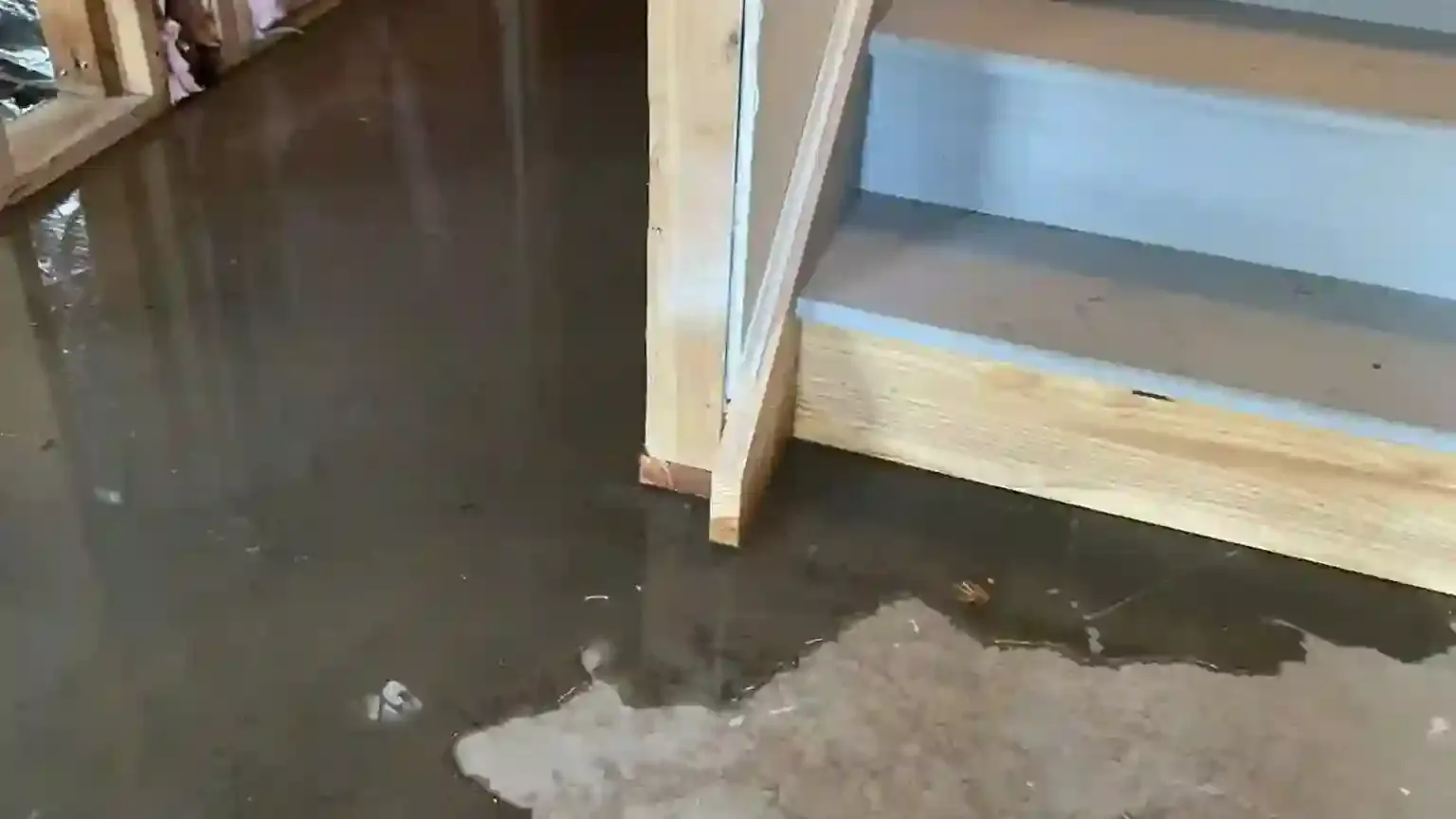
Last stop is outside, the half most homeowners never watch. We walk the grade, the downspouts and the uphill side of the lot. Because the water on your slab usually landed thirty feet away and took the easy road in.
Why does water act differently here than across town?
Tucker sits on the edge of the Stone Mountain granite. When rain soaks down and hits that rock, it can’t keep going down — so it goes sideways. Quite often it goes sideways straight into somebody’s basement, usually through the uphill wall rather than the one you’d expect.
Red clay finishes the story. Clay holds water like a sponge nobody wrings out, so three days after a long March rain it’s still pressing wet soil against your foundation. That’s why grading and downspout work matters more here than folks expect. The sky cleared Tuesday, but the soil didn’t get the memo until Friday.
Age matters too. Most Tucker basements went up between 1955 and 1985, and those original footing drains have silted shut. Up near Smoke Rise Country Club, homes sit on steep wooded lots where uphill runoff arrives fast and nothing intercepts it. Over toward the Northlake area and the flatter blocks near I-285, it’s slow saturation instead.
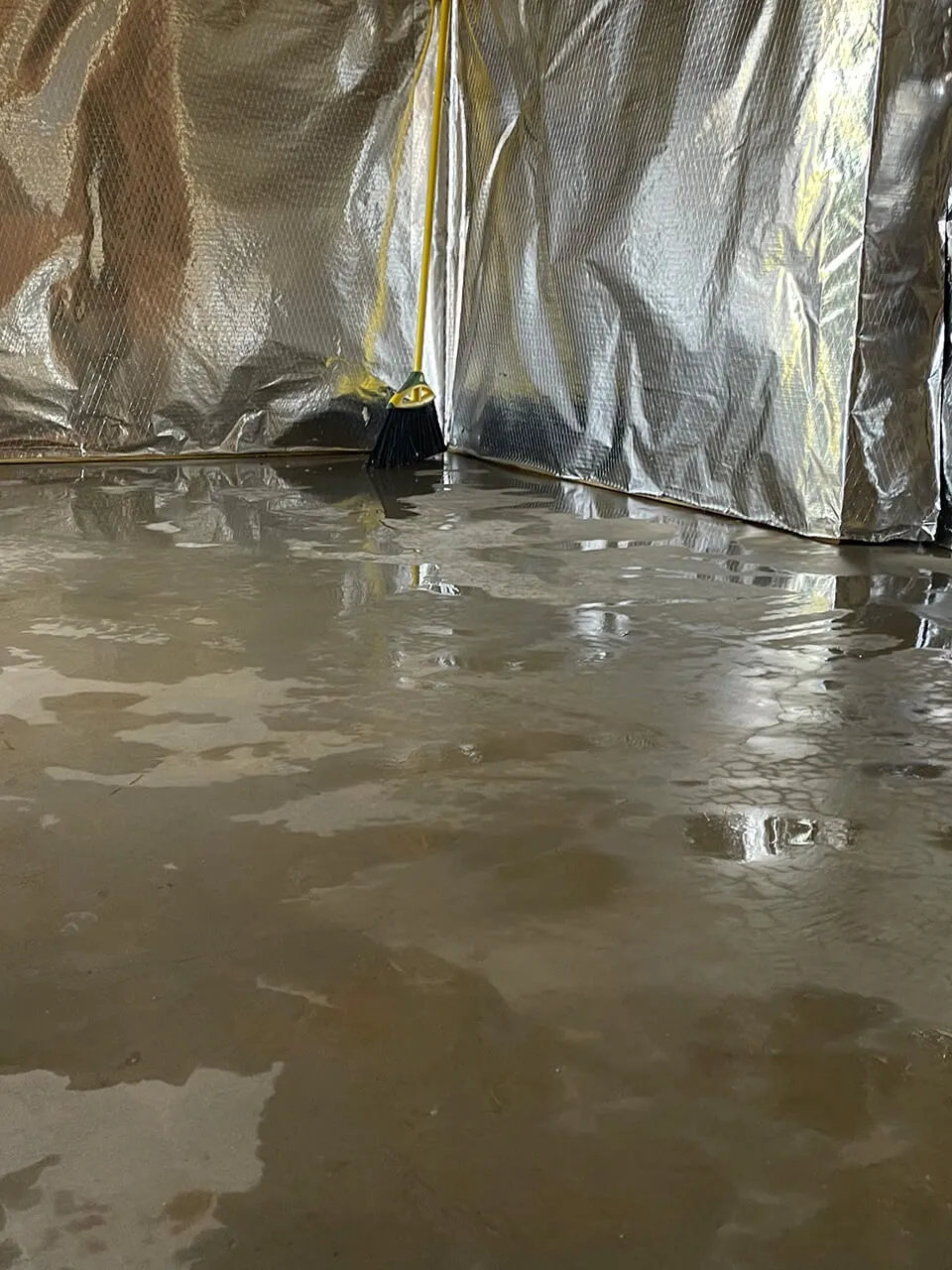
So what are your real drainage options?
Three, mostly. Here’s what matters: the best basement drainage Tucker homes need depends on the entry route, because each option solves a different one. A company that installs only one eventually recommends it to the wrong house.
Three routes water takes, and the fix for each
- Interior perimeter drain to a sump. For water pushing up through the cove joint and the base of the wall.
- Exterior footing drain. For water that should never reach the foundation at all.
- Regrading and downspout extensions. For roof and surface water landing beside the house.
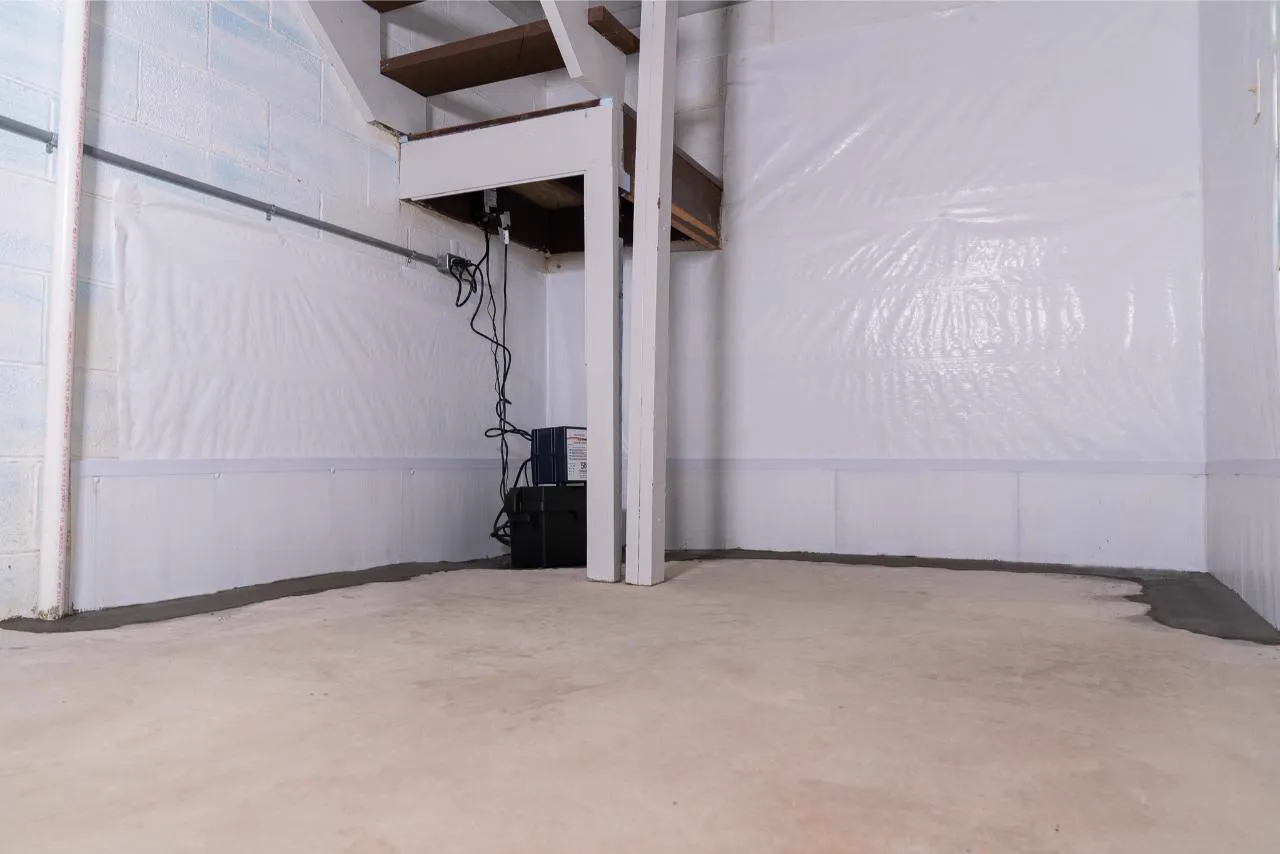
The interior drain is the workhorse. We open a channel along the inside base of the wall, set drain line below slab level in clean stone, and carry it to a sump. Since it relieves the cove joint directly, it fits a lot of older Tucker basements without touching your yard.
An exterior footing drain works from the other side. Dig to the footing, treat the wall, and give water a path before it reaches your block. It’s more disruptive, and a deck, patio or mature oaks change the math fast. Still, on some uphill lots it’s the honest answer.
Grading and downspouts are the least glamorous option and the most underrated. Extending two downspouts twenty feet and re-sloping a flower bed has fixed more basements than anyone in this trade admits. Real talk: sometimes the cheapest correct fix is outside your house, and a good company should say so. The FEMA guidance on protecting property from flooding makes the same point.
If the answer is a shovel and two downspout extensions, we’d rather tell you that than sell you a system your house doesn’t need.
What would we want to know if it were our own house?
Fair question. If this were our basement — our stairs, our kids’ bikes parked down there — here’s the short list we’d want answered before signing.
Where is the water getting in, and how do you know? A real answer names a spot and points at evidence. Next, why this route instead of the cheaper one? If interior drainage is the plan, we’d want to hear plainly why regrading alone won’t hold. Finally, where does the water go after the pump?
Then we’d ask about the pump, because sump pumps fail in a short, predictable list. Power goes out during the same storm that needed it most. A float sticks. The unit is undersized, or a missing check valve lets water drain back down the pipe. Clogged discharge lines round out the list. So asking about a battery backup is completely fair game.
Good news
You’re allowed to ask why. A crew that can explain its choice in plain words made an actual choice. That’s what you’re paying for.
We’d want a written scope before a number, since that turns “waterproofing” into linear feet, depths and a discharge point you can see.
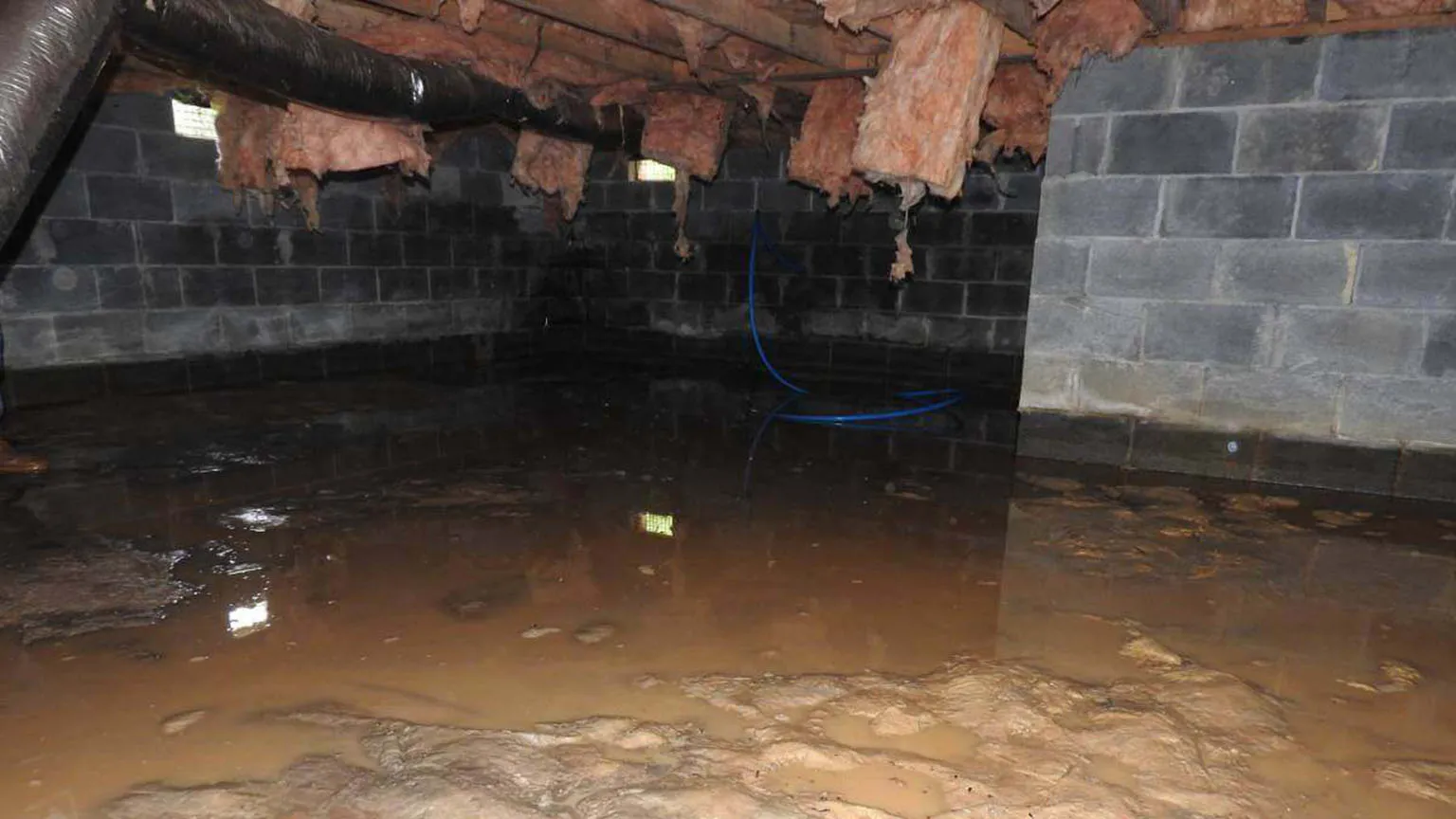
How do you read an estimate without guessing?
Line by line, out loud if that helps. The best basement drainage Tucker homeowners end up happy with is chosen backward from the entry point, never picked off a menu. So the scope should say how much wall, how deep, which pump, and where the water ends up.
Questions worth asking before you hire anybody
- Where is the water entering, and what proves it? A confident answer includes something from outside.
- How many linear feet, and why that stretch? Vague coverage becomes a vague price.
- Does the drain line sit below the slab? Below the floor is a system. On top of it is a gutter.
- Where does the discharge end? Well away from the house, not beside the same wall.
- What size pump, and is a backup available? Storms and power outages travel together.
- Is the warranty transferable, and what voids it? Ask for it on paper, in one sentence.
- Who’s doing the work — your crew or a sub? That matters most on the warranty call.
Red flags get easy after that. Watch for a firm price quoted over the phone before anyone has seen the house. Be careful with a discount that expires tonight, since honest pricing never needs a countdown. Also worth noticing: an inspection that never stepped outside, or a warranty described warmly and handed over never.
On money, we’ll be straight. Exterior corrections like grading and downspout extensions sit at the low end. A full perimeter system with a new sump, a backup and finished walls to rebuild sits at the high end. Linear feet, access and slab depth move the number, and after we walk it you get one written figure.
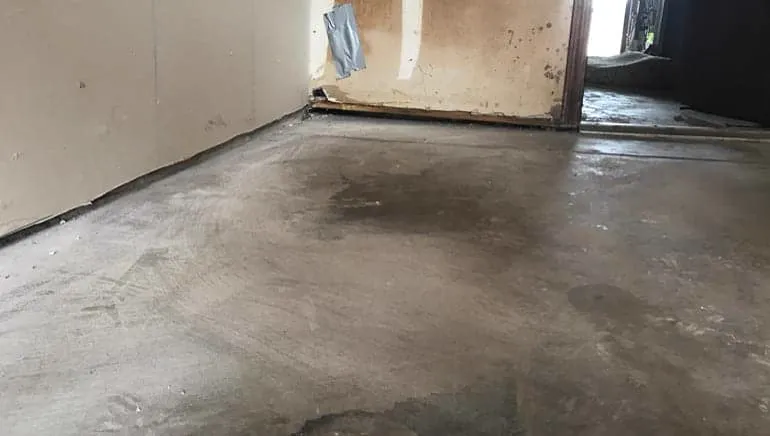
What do the first week, first year and tenth year look like?
Here’s the part nobody prints on an estimate — the timeline. Knowing it turns this from a mystery expense into a decision you’re making on purpose.
Week one is quiet, and that’s the point. The channel is closed back up, the pump is set, and the floor stays dry through the first real storm. Some homeowners text us mid-storm to report that nothing happened. Best message we get.
The first year is when the room changes character. Humidity settles, the musty smell fades, and boxes come off the top shelf. Speed is part of why — mold can start growing on wet materials within 24 to 48 hours, so moving water out fast does quiet work every storm. The CDC’s guidance on mold cleanup after flooding covers that piece.
Year ten is the real test, and by then it’s small maintenance. Pumps get replaced on a schedule instead of during an emergency. Discharge lines get checked each fall before leaves pile up. Meanwhile the drain line keeps working while you forget it exists.
Why we might be the right fit
We’re in Lawrenceville, about twenty-five minutes from Downtown Tucker Main Street, and we’ve been at this over twenty years. Folks here hire companies that understand this city, which is a reasonable instinct. So here’s the useful part: we know how the granite moves water sideways, we diagnose before we quote, and the crew that installs the system answers the warranty call.
Want to keep reading first? Our guide to flooded basement repair covers the hours right after water shows up, while the drainage systems we install are laid out step by step. If you’ve noticed cracks or sticking doors, foundation repair is a separate talk. For family up north, there’s our Johns Creek flood restoration guide.
Where we work around Tucker
We’re through this part of DeKalb County constantly, from the wooded uphill lots on the Smoke Rise side to the ranch streets closer to town. Beyond Tucker, we work in Lilburn, Stone Mountain, Norcross, Decatur, Clarkston, Doraville and Brookhaven, plus the wider DeKalb area.
Questions Tucker homeowners ask us
Mold can begin growing on wet building materials within 24 to 48 hours. That’s why drying speed matters more than cleanup alone. Get air moving and water out fast, and you’ve handled most of the concern before it starts.
Safety first, so shut off power to the area before stepping into standing water. After that, get the water out and start drying with fans and a dehumidifier. Then photograph everything before you move it, because those pictures help with insurance and the inspection.
Because it takes a certain amount of water in the soil to build enough pressure to push through the cove joint. Light rain never reaches that point, while a long storm does. In Tucker that threshold comes quickly, since water hitting the granite below travels sideways toward your wall.
Sometimes, and it depends on the source. A burst pipe or failed appliance is often covered, while groundwater seeping through the floor usually isn’t without separate flood or water-backup coverage. Call your agent and ask specifically about sump pump failure, since that’s frequently a small add-on.
Aim to have standing water gone the same day and the space actively drying within a day or two. Carpet pad, cardboard and drywall hold moisture longer than they look like they do, so pull what’s soaked instead of hoping it dries in place. Then fixing the drainage keeps you from repeating the whole exercise next spring.
Let’s find out where the water is really coming into your Tucker basement
The inspection is free, the estimate is free, and nobody pressures you at the end. We’ll show you the entry point, explain why we’d pick one drainage route over another, and tell you honestly when the smaller fix is the right one.
(678) 914-5112Serving Tucker and all of Metro Atlanta · $500 off projects over $3,500 · Live support 7am–8pm, 7 days a week