

Basement Flooding Cost Tucker Homeowners Can Actually Plan For
The two separate jobs hiding inside one quote, what moves the number, how long it takes, and what you can honestly fix yourself.
What does waiting cost? That’s the question under every call we get, and it’s fair. A basement that takes on a little water today is usually doing the same thing three springs from now, with more wet material to haul out. So when people price out basement flooding cost Tucker crews quote, they’re pricing two things: today’s mess, and the slow one that builds while they decide.
Good news up front — water is patient, and so is the fix.
Why is this two bills instead of one?
Most quotes are two jobs stapled together: getting water out and drying the space, then making sure it stops happening. Different equipment, different math, so look at them separately.
Job one is extraction, then drying. Pumps move standing water, and dehumidifiers pull the rest back out of concrete and framing. Wet drywall, padding and cardboard leave the building, because they hold water like a sponge.
Job two is the permanent side: drainage below the slab, a sump if you need one, sometimes simple corrections outside. So job one gets your basement back and job two keeps it. Skipping job two is a little like mopping with the tap still running.

Where does the water actually come in?
Usually one spot: the cove joint, the seam where the wall meets the floor. Wall and slab were poured at different times, so a natural joint sits between them. When soaked clay presses on the wall, water takes the easiest opening — and under that pressure, that seam is it.
There’s a Tucker wrinkle on top of that. Tucker sits on the edge of the Stone Mountain granite, and shallow rock runs closer to the surface than folks expect. Water soaks down, hits that rock, then turns sideways — often straight into a basement on the low side of a lot.
That’s why the steep wooded grades around Smoke Rise produce so many uphill-side leaks, while flatter streets near the Lakeside area get slower seepage. Either way it’s fixable. Once water has a lower, faster path, it stops trying yours.
What does the work look like, step by step?
Nobody likes surprises when a jackhammer shows up, so here’s the order.
- Free inspection. Outside first — grading, gutters, downspouts, how the lot falls — then inside. Plenty of jobs get smaller here.
- Water and wet material out. Pumps handle standing water, then soaked drywall, padding and cardboard go. Anything that can dry, stays.
- Structural drying. Air movers and dehumidifiers run until moisture readings come down. Not until it looks dry — until it reads dry.
- Written scope. Linear feet, materials, sump location, discharge point, price. One number, on paper.
- Interior drainage. A narrow channel opens along the affected perimeter, and perforated pipe goes into clean washed stone below floor level.
- Sump and discharge. Everything routes to a basin, and the pump carries water well away. Dumping it beside the foundation just sends it around again.
- Close up and test. Fresh concrete, cleanup, haul-off, then a live test with you standing there.
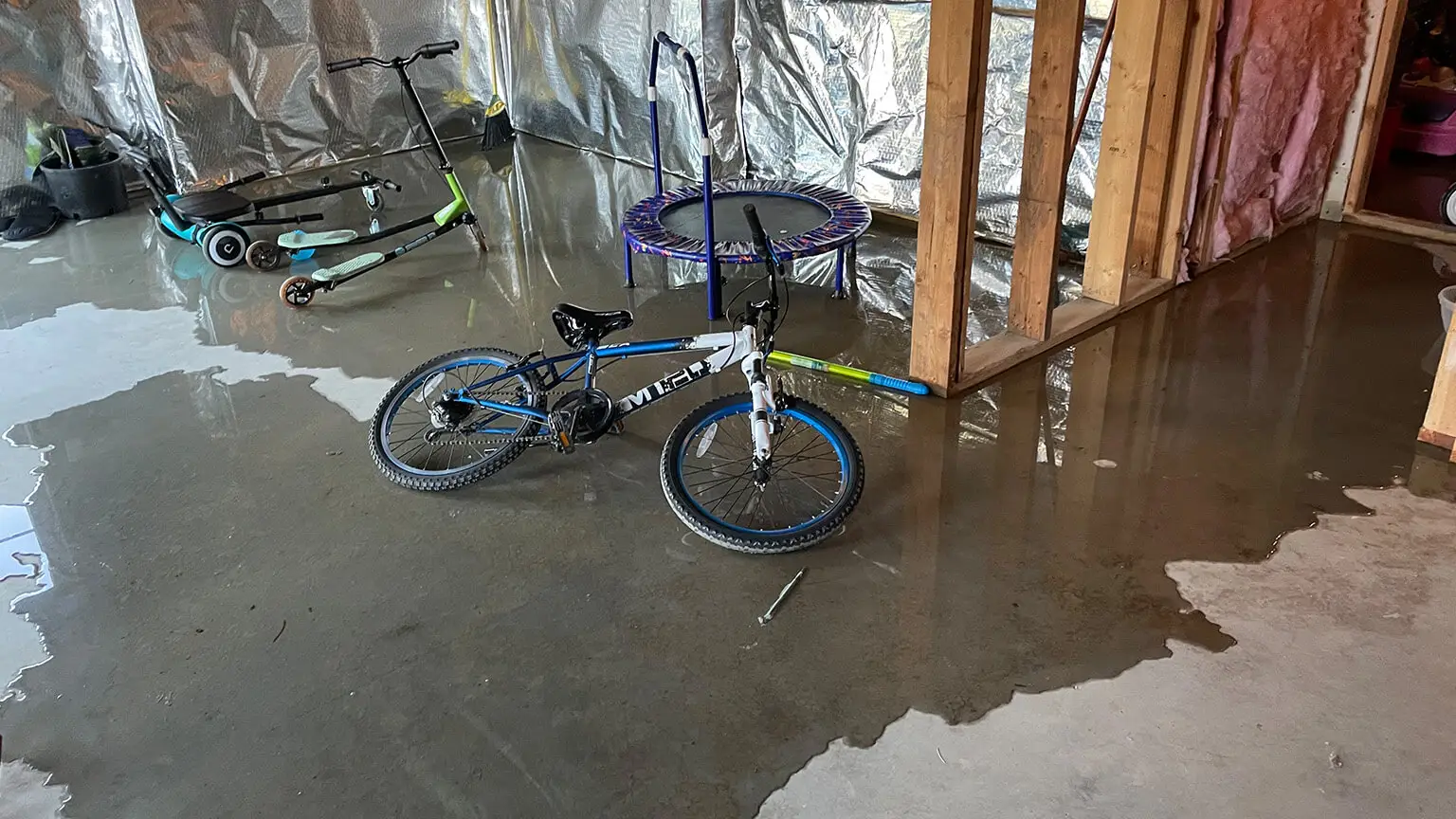
What twenty years changed about how we price this
Want the honest version? Early on, we assumed almost every wet basement needed a full interior system. Then we kept meeting homes where the problem lived above ground.
Here’s the thing we learned the slow way: a basement that floods only in heavy rain almost always has a surface water problem, not a groundwater problem. Roof water dumping beside the wall, or ground sloping back toward the house. Surface water is usually the cheaper fix.
We stopped selling the biggest system and started chasing the source. Half the time it’s up in daylight, not down under the slab.
So the real basement flooding cost Tucker homeowners face often starts smaller than they feared, which is a nice thing to be wrong about. If a company quotes a full perimeter system before walking your yard, get a second look. Our Johns Creek flooding cost breakdown uses the same approach.
What moves the number up or down?
Straight answer: nobody can price this over the phone. Still, you deserve to know what sets the basement flooding cost Tucker crews quote.
The five things that set the price
- How much water, and how far it spread. A damp strip along one wall is a different day than four inches across a finished floor.
- How long it sat. Water pumped the same morning does far less damage than water that waited for the weekend.
- How much wet organic material comes out. Drywall, padding, carpet and old paneling drive disposal more than anything else.
- Whether drainage or a sump is in the permanent fix. Exterior corrections sit at the low end, a full perimeter system at the top.
- Finished or unfinished. Built-ins and a bathroom mean careful work before the real work begins.
That second item matters more than people expect. Mold can begin on wet organic material in roughly 24 to 48 hours, so a two-day delay turns a drying job into a removal job. The CDC’s mold cleanup guidance lays out the same timeline. Good news? Calling early is free.
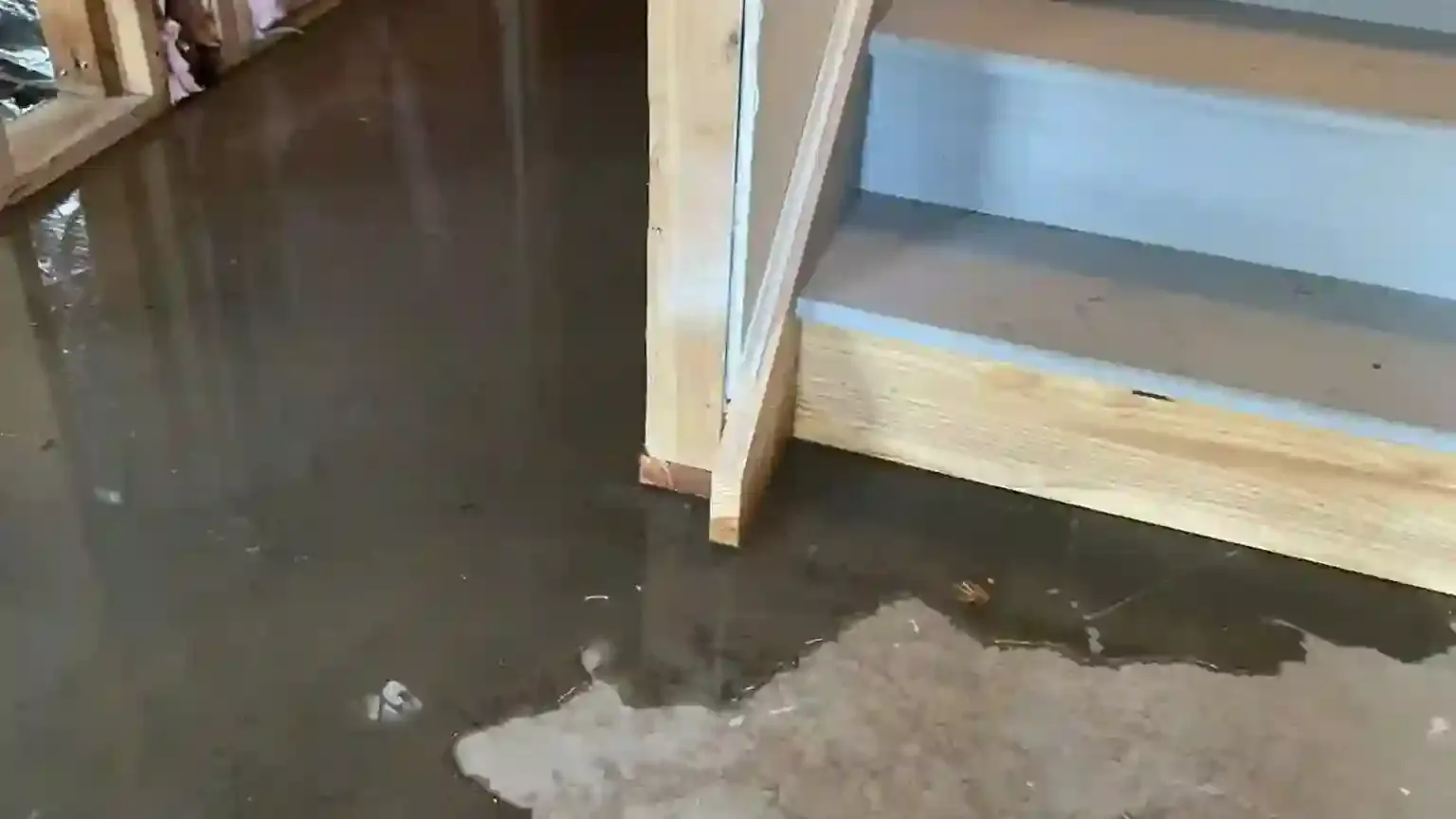
Why do sump pumps quit at the worst moment?
Because they fail in predictable ways, and every one is preventable.
- Power loss during the storm. The storm that fills your basement drops the lines too. A battery backup solves it.
- A stuck float. The switch catches on the basin wall or a cord, so the pump never gets the message.
- Undersized. A small pump on a steep uphill lot spends the whole night behind.
- No check valve. Water drains back into the basin, so the pump moves the same gallon in circles.
- A clogged or frozen discharge. Leaves, silt or a January cold snap block the exit.
None of that is bad luck — it’s maintenance, and it takes ten minutes a year. Better yet, a tested pump is one you don’t think about when rain slows I-285 to a crawl.
How long does it take, and what can you do yourself?
Extraction is usually the same visit. Structural drying typically runs three to five days, while the permanent system is generally one to three days on site. Fresh concrete then wants a few days before you stack anything on it.
Your prep list is short: clear about four feet along the walls we’re working on, lift fragile things off low shelves, and leave a path to an exterior door. We’ll move the heavy things.
DIY handles more than most contractors admit — downspout extensions, gutters twice a year, regrading soil away from the house, shop-vaccing a small puddle. What it can’t reach is anything below the slab, since drain tile means opening concrete and no bucket of sealer beats saturated clay. Rented fans aren’t calibrated drying gear either. For that side on its own, see our guide to basement drying options.
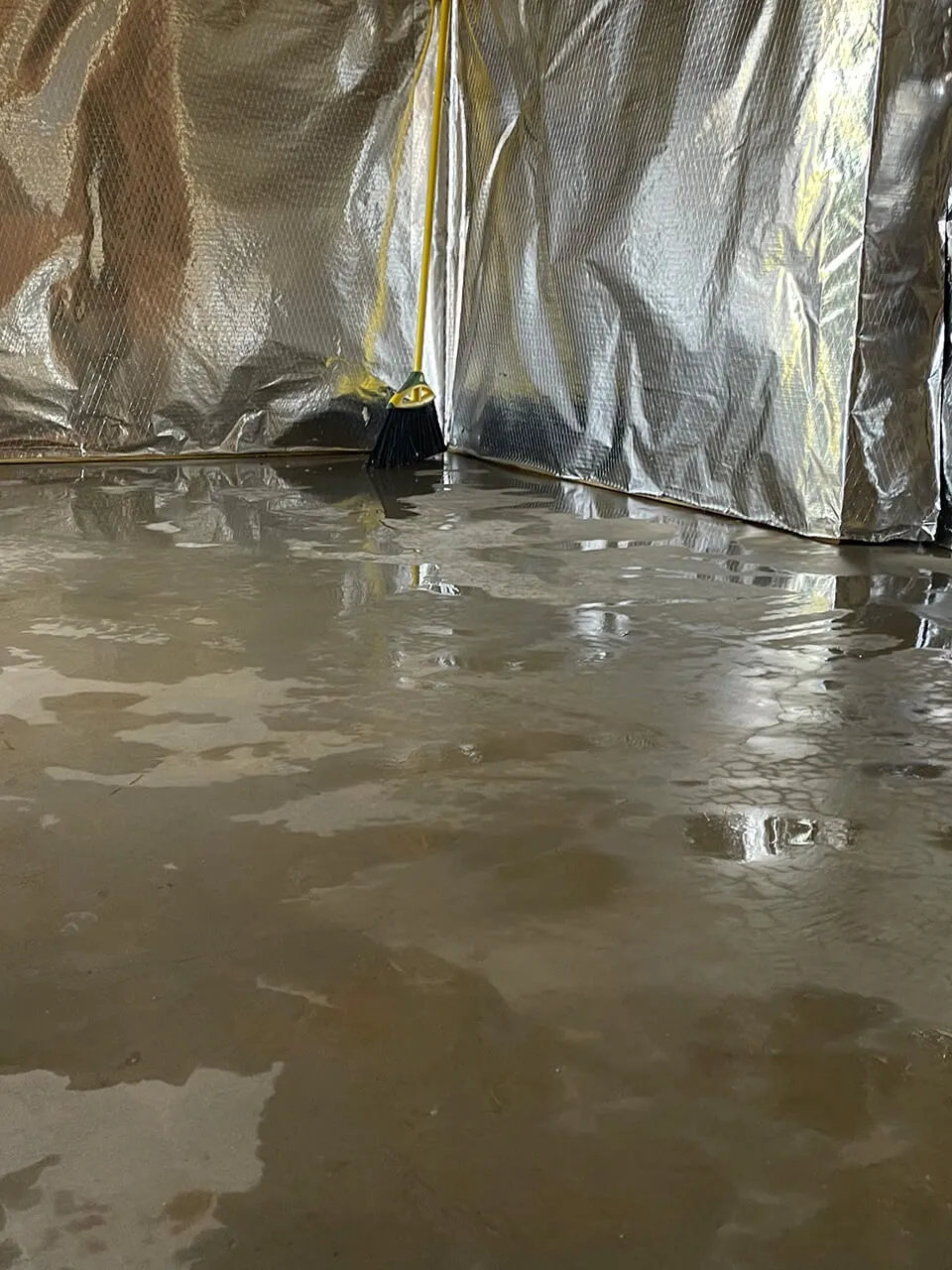
Will insurance cover any of it?
Here’s the honest answer, and it isn’t the fun one. Standard homeowners policies commonly exclude surface flooding — water arriving from outside at ground level. Sump pump failure and water backup are usually covered only by a separate endorsement you add on purpose.
So read your own policy and call your agent, because coverage varies house to house. Photograph everything before cleanup and keep receipts, since documentation turns a claim into a payment. The National Weather Service flood safety pages explain what counts as flooding at all.
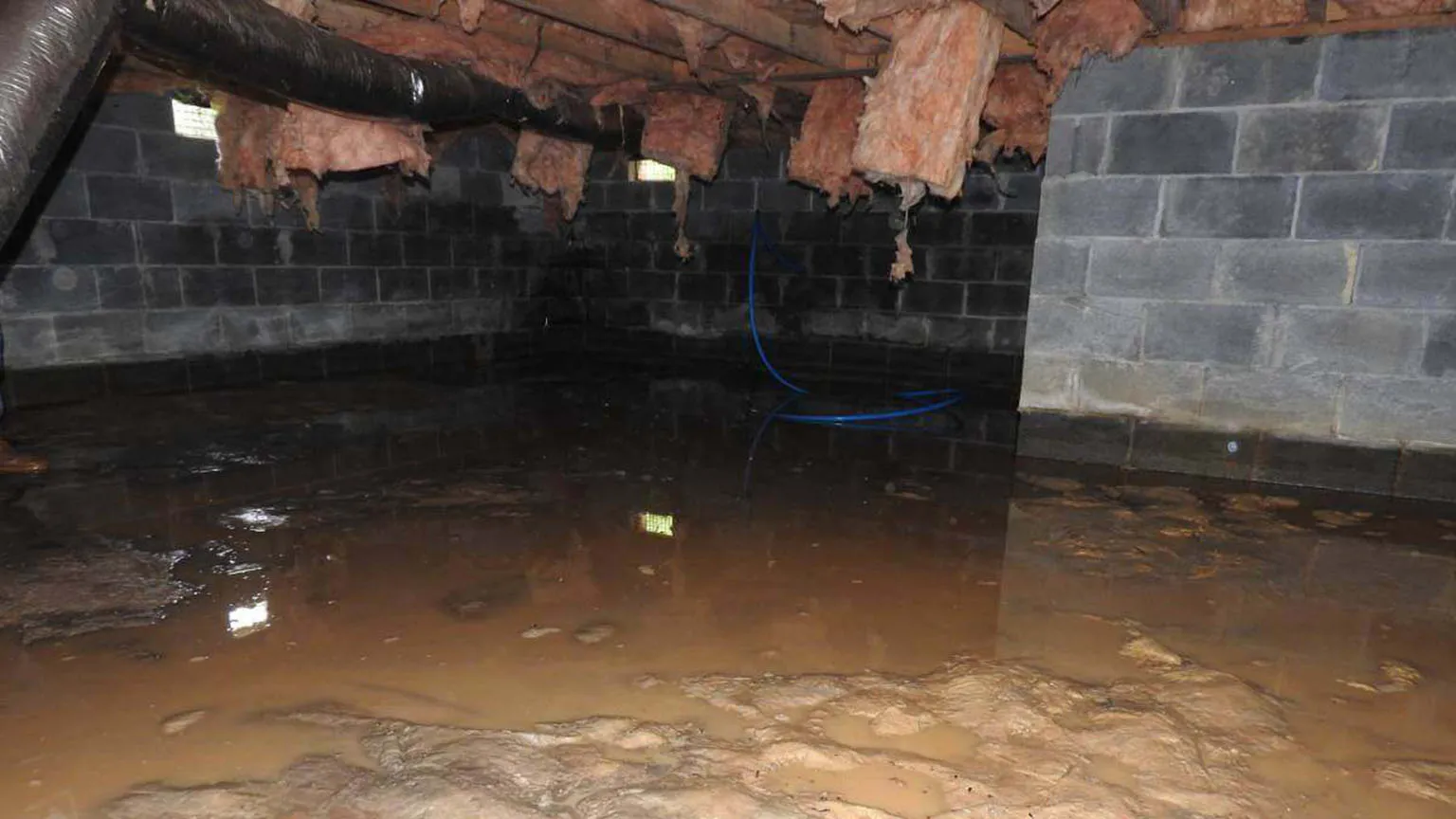
What should you do every year once it’s fixed?
This is what keeps the number from coming back, and it’s small.
- Test the sump pump twice a year. Pour a bucket of water in the basin and watch it kick on.
- Walk the discharge line each fall. If your street has the shade around Henderson Park, expect leaves in everything.
- Clean gutters twice a year. Full gutters send roof water down the wall — the problem you just paid to solve.
- Check the grade after heavy rain. Soil settles, so add dirt and slope it away from the house.
- Look at the cove joint each season. Take a phone photo so you can compare next time.
- Swap the backup battery on schedule. Batteries age quietly, then pick a storm to announce it.
That’s under an hour a year. In exchange, you get a basement your kids can keep bikes in, and a forecast you read out of curiosity. Families near Kelley Cofer Park say it the same way — the house finally feels looked after.
How do you know the job was done right?
Ask for four things: a written scope naming linear feet and the discharge point, moisture readings before and after drying, photos of the stone and pipe before concrete goes down, and a live test while you watch.
After that, proof shows up on its own. The floor stays dry through a hard storm, and the space becomes storage again instead of a room you apologize for. Folks around Downtown Tucker and Main Street have known each other a long time, so word travels. If cracks or settling are part of your picture, our foundation repair page covers that, and every basement waterproofing system we install is listed too.
Where we work around Tucker
Our shop is twenty-five minutes northeast in Lawrenceville, so we’re in DeKalb County constantly. Along with Tucker, we cover Lilburn, Stone Mountain, Norcross, Decatur, Clarkston, Doraville, Brookhaven and the wider DeKalb area. If you’re off Hugh Howell, odds are a truck is close by.
Questions we get from Tucker homeowners
Yes, when the fix matches the source. Surface water gets solved outside with grading and downspouts, while water under pressure needs drainage below the slab and a sump. Both come with a written warranty.
It depends on how much water came in, how long it sat, how much wet material has to leave, and whether drainage or a sump is part of the fix. Exterior corrections sit at the low end and a full perimeter system at the top. We give one written number after walking the house, never a phone guess.
That pattern is good news. Water that only shows up in heavy rain usually means surface water, which is typically the cheaper repair. Still worth an inspection, since occasional water tends to become regular water as soil settles.
For a small puddle on bare concrete, often yes. For anything that soaked drywall, padding or boxes, no, because household fans dry surfaces while the material behind stays wet. Real drying uses dehumidifiers and moisture meters.
Mold can begin on wet organic material in roughly 24 to 48 hours. That’s why fast drying costs less than slow drying, since delay turns a drying job into a removal job. If water is standing now, call and we’ll get equipment moving.
Let’s find out what your basement actually needs
The inspection is free, the estimate is free, and nobody pressures you at the end. We’ll show you where water is getting in, what it takes to stop it, and what that costs in Tucker — often less than you expected.
(678) 914-5112Serving Tucker and all of Metro Atlanta · $500 off projects over $3,500 · Live support 7am–8pm, 7 days a week