

How to Choose the Best Basement Drainage Dunwoody Homeowners Keep Calling Back
A five-minute check you can do today, plus how to compare crews and scopes without guessing.
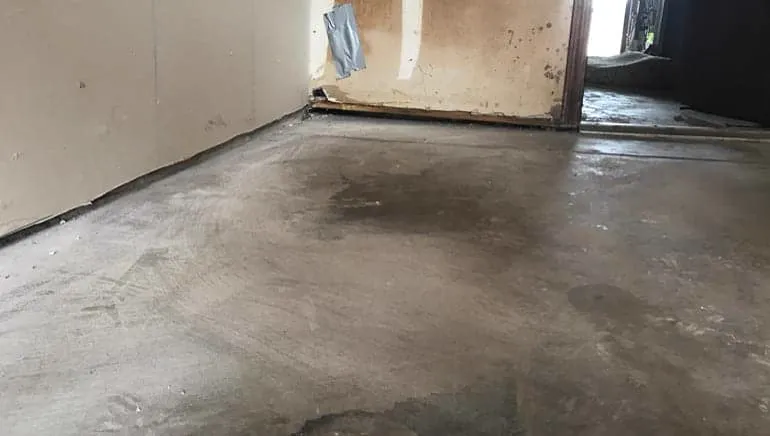
Before you call anyone about the best basement drainage Dunwoody has to offer, go stand downstairs for five minutes. Look at the seam where the wall meets the floor. That line is the cove joint, and if you see staining, chalky white powder or a damp streak along it, you’ve already learned more than three phone quotes would tell you.
Then step outside and look up. Where does each downspout end? If it dumps a couple feet from the house, that’s a second clue — and now you can actually judge what a contractor tells you.
What is that seam telling you?
It’s telling you about pressure. When soil around your foundation soaks up rain, that water pushes sideways against the wall and up under the slab. The push has a name, hydrostatic pressure, and it finds the weakest opening. Usually that’s the cove joint, because the wall and floor were poured at different times and never truly bonded.
Good news, though: this is one of the most solvable problems in the trade. A cove joint leak isn’t a sign your house is falling apart. It’s a sign concrete is doing what concrete does, and an interior drain is built to relieve exactly that.
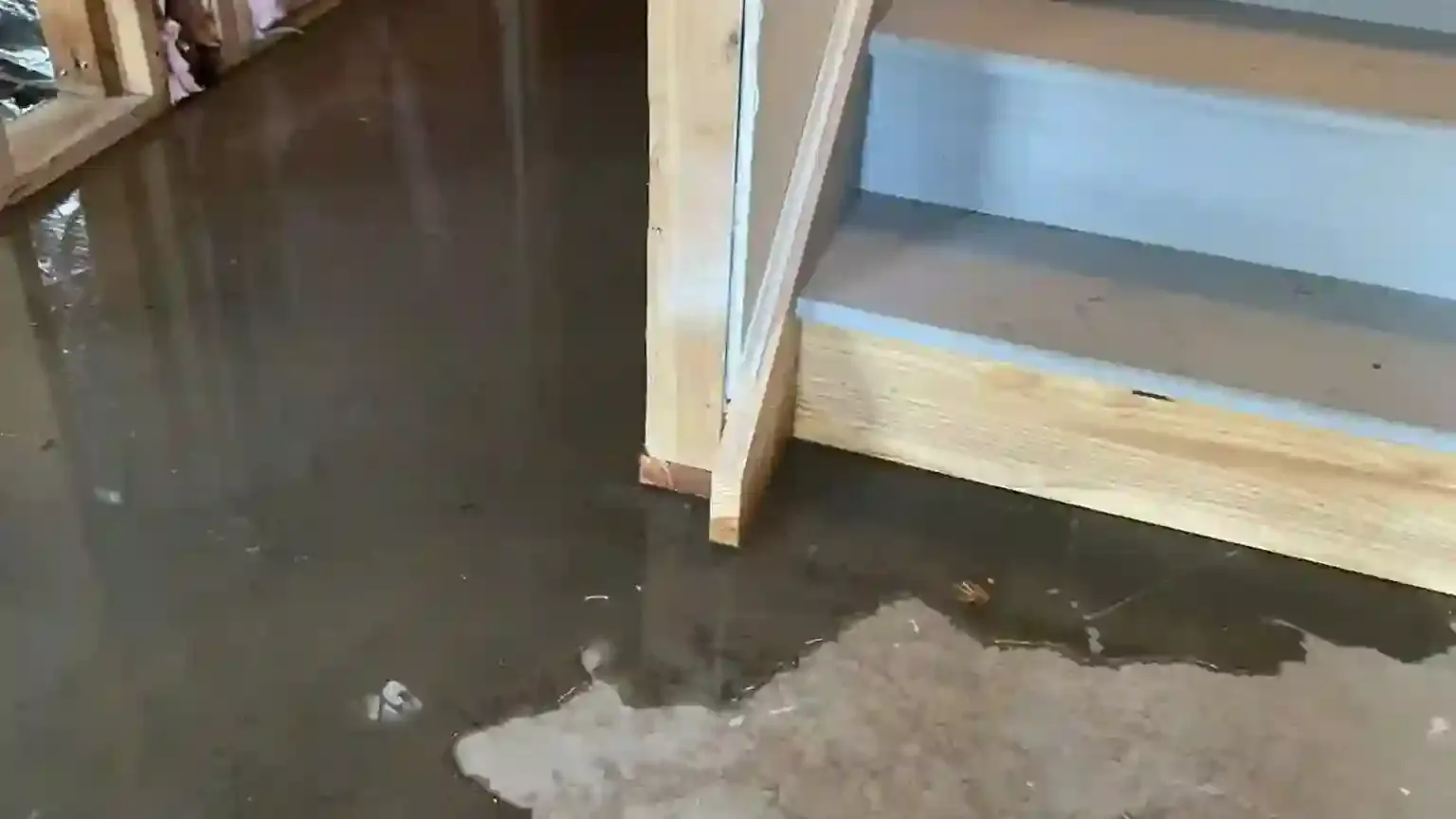
One detail is worth holding onto, because it saves real money. A basement that floods only in heavy rain almost always has a surface water problem rather than a groundwater problem — and surface water is usually the cheaper fix. So if nobody asks when it happens, you’ve learned something about them.
Why are Dunwoody basements their own thing?
Start with age. This town filled in mostly between 1965 and 1985, so the split-levels and brick ranches around Vermack and Dunwoody North were built when “waterproofing” meant a spray coat of asphalt on the outside of a block wall. Fifty years of Georgia clay later, those walls are telling on themselves.
Then add the ground. Red clay over rock holds water like a sponge that never quite wrings out, so after a long rain the soil beside your wall stays wet for days. That’s why grading and downspouts matter more here than most homeowners expect.
Finally, add the hills. Dunwoody is genuinely hilly, and plenty of homes sit below street grade. When a basement is cut into a slope, every hard rain sends water toward it, and the street, driveway and neighbor’s yard all get a vote. Basements below street grade taking on water is one of our most common calls here.
Good news
Below-grade doesn’t mean doomed. It means the water has an obvious path, and obvious paths are the easiest ones to redirect.
Roots deserve a mention too. Sixty-year-old oaks near Winters Chapel have had decades to find the original footing drain and grow through it. So a system that worked fine in 1974 may simply be clogged today, which is fixable — just not by painting a wall.
What are the actual drainage options?
There are four main tools, and each solves a different entry route. A crew that knows this city will tell you which route your water takes before naming a price.
The four fixes, in plain English
- Interior perimeter drain to a sump. A channel below the slab along the inside of the wall, catching water at the cove joint and carrying it to a pump.
- Exterior footing drain. Digging along the outside footing and rebuilding the drain in clean stone and fabric. Best when the original is crushed or root-bound.
- Regrading. Reshaping soil so the ground falls away from the house. Cheap, boring, and effective on a sloped lot.
- Downspout extensions. Moving roof water well away from the foundation, since one roof sheds hundreds of gallons in a single storm.
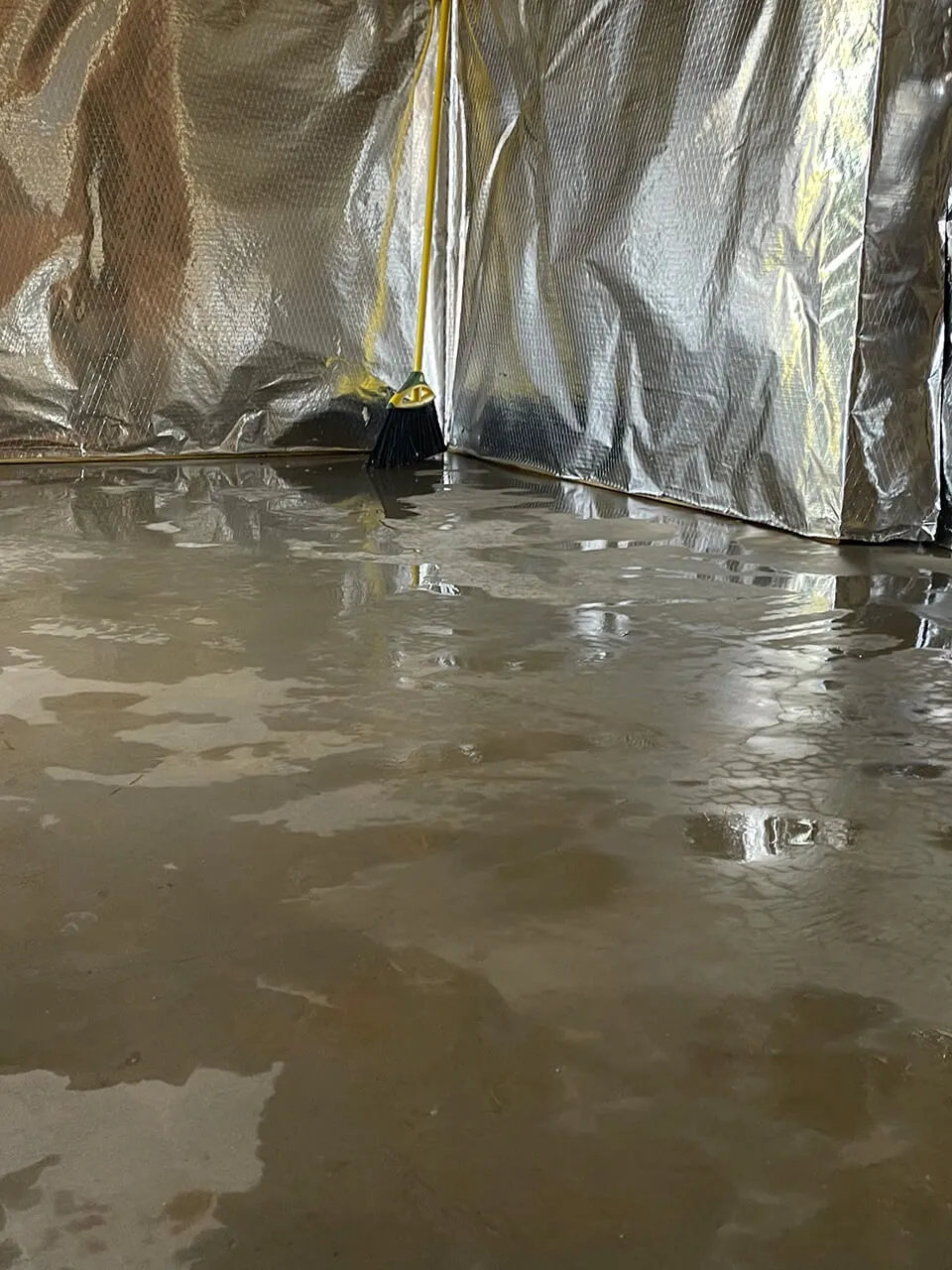
Most homes here need a combination, not one silver bullet. Often we pair an interior drain with two downspout corrections, because the inside system handles what’s already in the soil while the outside work keeps more from arriving. Drainage is the permanent half of the problem. Paint is the temporary half.
Can we back up a second?
Because there’s a question underneath the question. You think you’re shopping for the best drainage system. Really you’re shopping for the most accurate diagnosis, and those two things get sold at very different prices.
Any decent crew can install a perimeter drain, since the trench, stone, pipe and pump are well-understood work. The hard part comes before the shovel, when somebody figures out where the water starts. Get that wrong and you’ve bought a tidy system for a problem you don’t have.
The cheapest correct fix is sometimes entirely outside the house. If that’s your house, we’ll say it out loud.
That’s why we walk the yard first. A homeowner near Donaldson-Bannister Farm called us sure they needed a full perimeter system, since two companies had quoted exactly that. Outside, we found a collapsed downspout line and a flowerbed built up against the wall. Their fix cost a fraction of those quotes, and the floor has stayed dry through two springs since.
Plenty of homes truly do need the full system, and we install those every week. Either way, you should hear a reason instead of a reflex.
How do you read a drainage estimate?
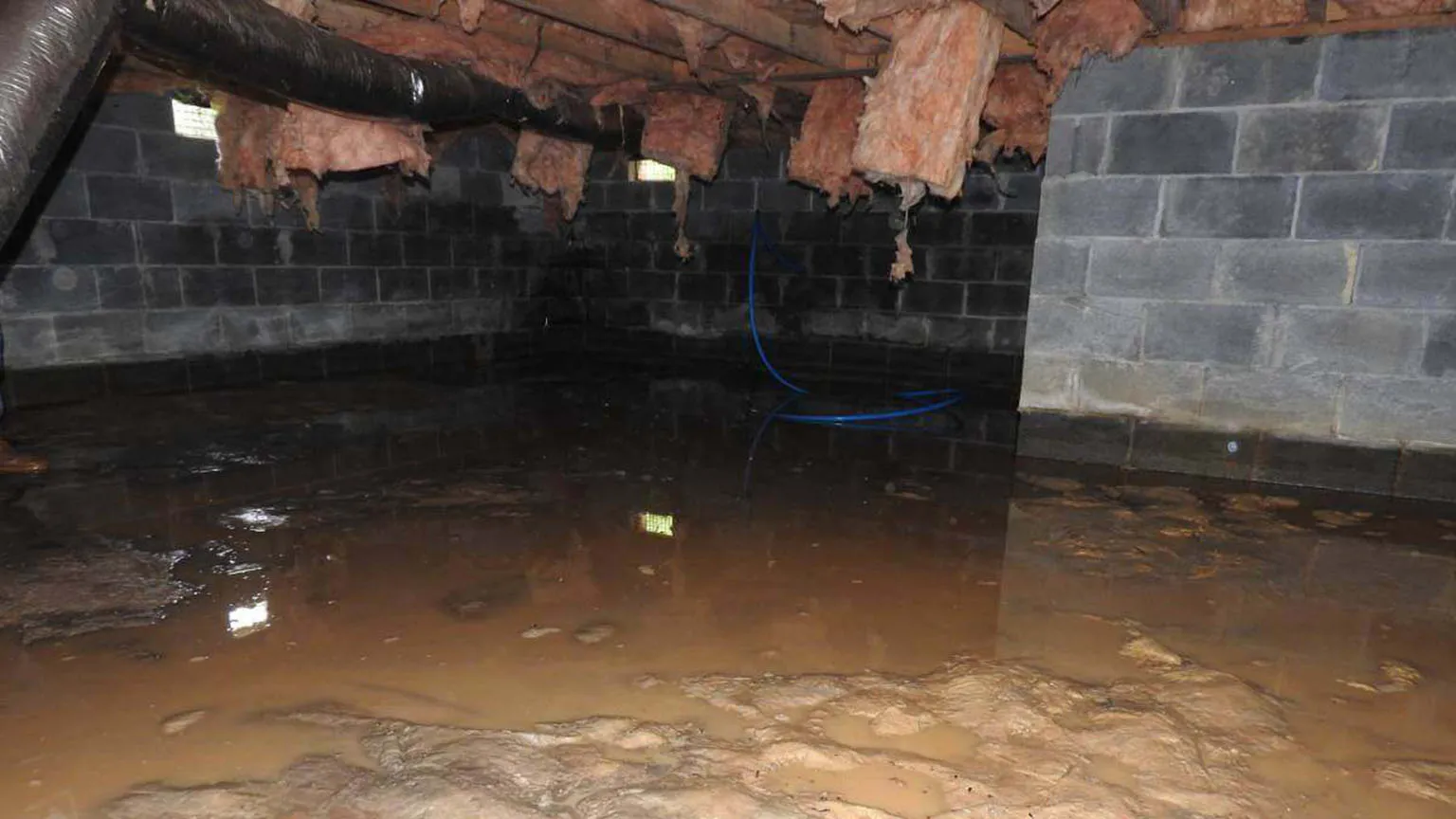
Line by line. A proposal for the best basement drainage Dunwoody homeowners can buy names what’s installed, how many linear feet, how deep it sits, where the water ends up, and what the pump moves. A weak one says “drainage system” and gives a total. Folks around the Perimeter see plenty of advertising, so specifics separate marketing from measurement.
Ask about the pump, because sump pumps fail in predictable ways. Power drops during the very storm you needed it. A float sticks against the basin wall. The unit is undersized, or there’s no check valve, so water runs back down the pipe. It’s completely fair to ask whether a battery backup is included.
Questions worth asking before you sign
- Where is water entering, and how did you determine that? The answer should include what they saw outside.
- Why this route instead of the cheaper one? A good crew explains the tradeoff in a minute.
- Does the drain sit below the slab? At floor level it’s a gutter, not a system.
- Where does the discharge end? Well away from the house, never back beside the footing.
- Which pump, and is a backup included? Ask for the model, not the adjective.
- Is the warranty in writing and transferable? Read it before, not after.
Red flags are simpler than people think. Be careful with a firm price quoted over the phone before anyone has seen the house, or a discount that vanishes at midnight, because honest pricing doesn’t need a timer. Watch out too when the inspection never leaves the basement, or when the scope carries no measurements.
On money, we’ll be straight with you. Downspout and grading corrections land at the low end, while a full perimeter drain with a new sump and backup in a finished basement sits at the high end. Linear feet, access and finished space move the number most, and you get one written figure after we walk it.
What do the next ten years look like?
Week one is the loud part, and it’s short. Crews cut the channel, set pipe in stone, tie in the sump and clean up behind themselves. Most jobs run one to three days, so you’re back to normal fast. That first hard rain afterward is oddly fun — people text us photos of a dry floor.
Year one is when the space changes. Humidity drops, the musty smell at the bottom of the stairs fades, and storage stops living on pallets. Kids’ bikes go back on the floor instead of hanging from hooks. Meanwhile the pump runs, clicks off, and bores you, which is exactly the goal.
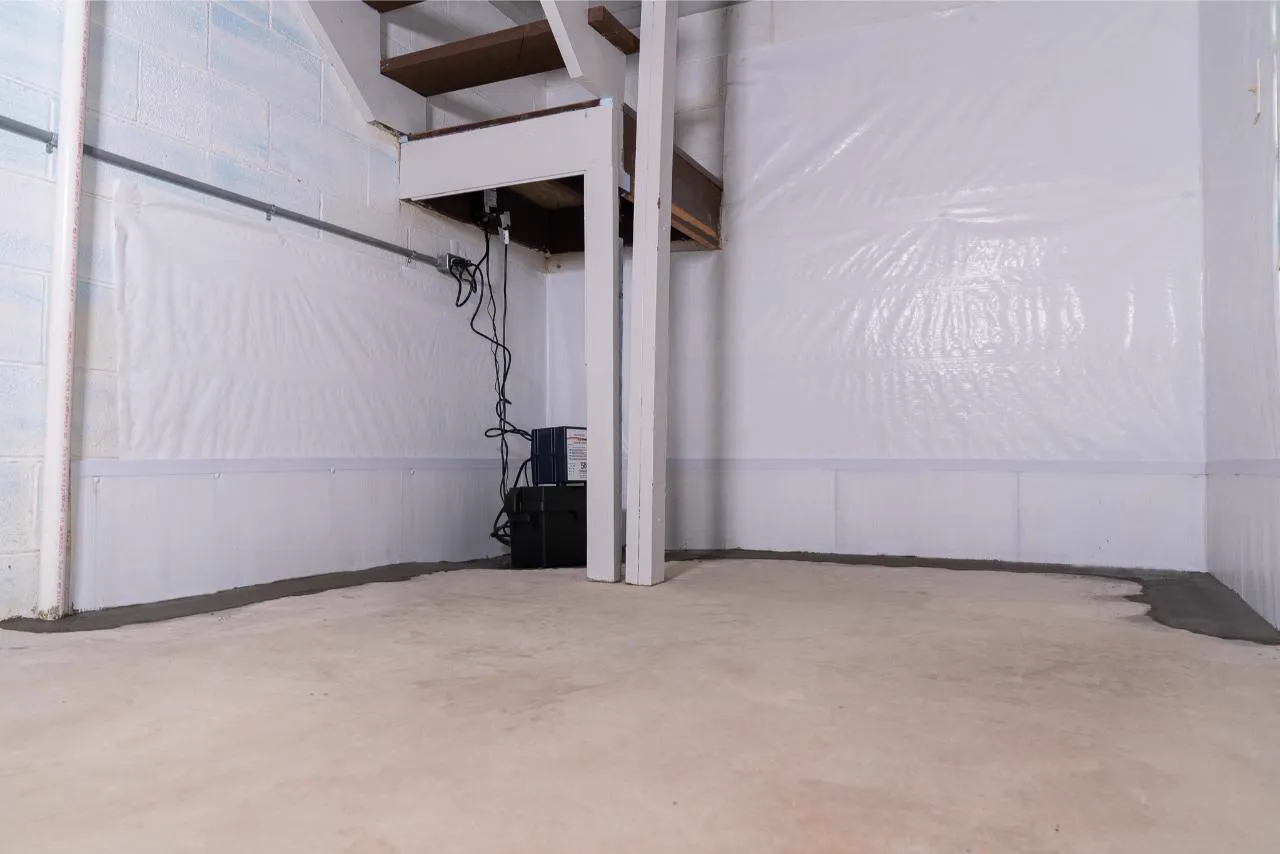
Year ten is the real test, and Dunwoody homeowners ask about it most, since so many plan to stay. A properly built system is still working, though the pump is a mechanical part and may want replacing in that window. That’s why the warranty, and the phone number behind it, matters more than the brochure.
Picture it plainly. A March storm rolls up I-285, dumps for two hours, and you don’t go check the basement — because you already know. That’s the feeling people are really buying.
Why we might be the right fit
We’re in Lawrenceville, about thirty minutes northeast of you, and we’ve been at this over twenty years. Same crews, same trucks, same phone number — so if we warranty the work, you’re calling us, not a call center.
We also inspect before we quote, every time. If you want the best basement drainage Dunwoody has without paying for a system you don’t need, that habit is the whole difference. Sometimes the honest answer is a Saturday of downspout work, and we’re fine saying so.
Two outside reads are worth ten minutes before your estimates. The CDC’s guidance on mold cleanup after flooding covers what moisture does indoors, while the National Weather Service flood safety page covers the storm side.
Still sorting out what happened down there? Our guide to flooded basement repair walks through cleanup and cause, and the basement waterproofing page lays out the systems in detail. If you’re seeing cracks or a leaning wall, foundation repair is the better starting point. Comparing notes with family up north? We cover the same ground for Roswell best basement drainage.
Where we work around Dunwoody
We’re over here constantly, from the older streets in Dunwoody North to the sloped lots near Winters Chapel and the shopping runs by Perimeter Mall. Beyond Dunwoody, we work in Sandy Springs, Brookhaven, Peachtree Corners, Chamblee, Doraville, Norcross, Duluth and Tucker, plus the wider DeKalb area.
Questions Dunwoody homeowners ask us
Yes, as long as the fix matches the real entry route. Drainage is the permanent half of the job, because it gives water somewhere to go instead of trying to hold it back. The piece that needs occasional attention is the sump pump, since that’s mechanical.
It depends on the route the water takes. Grading and downspout corrections sit at the low end, while a full perimeter drain with a new sump and backup in a finished basement sits at the high end. You’ll get one written figure after we walk the house.
That pattern is useful information. Water showing up only in heavy rain usually points to surface water outside rather than groundwater below, and surface water is often the cheaper fix. So it’s worth an inspection, not a big system by default.
They’re great for cleanup and worth doing right away. Still, they only handle the water that already arrived, so the next storm brings the same result. Think of them as the towel, and drainage as the plumbing.
Damp materials can begin growing mold within a day or two, which is why drying quickly matters more than scrubbing. Pull up wet carpet and padding, move air, and bring humidity down. Then fix the source, because dry air alone won’t stop the next round.
Let’s find out where the water is really coming from in your Dunwoody basement
The inspection is free, the estimate is free, and nobody pressures you at the end. We’ll walk the yard and the basement, show you the entry point, and hand you a written scope — including the times the right answer is smaller than you expected.
(678) 914-5112Serving Dunwoody and all of Metro Atlanta · $500 off projects over $3,500 · Live support 7am–8pm, 7 days a week