

Crawl Space Encapsulation in Alpharetta: What It Costs and What You Get
You’re ready to hire somebody. Here’s what the work involves, what moves the number, what’s covered in writing, and why waiting three years usually costs more than starting now.
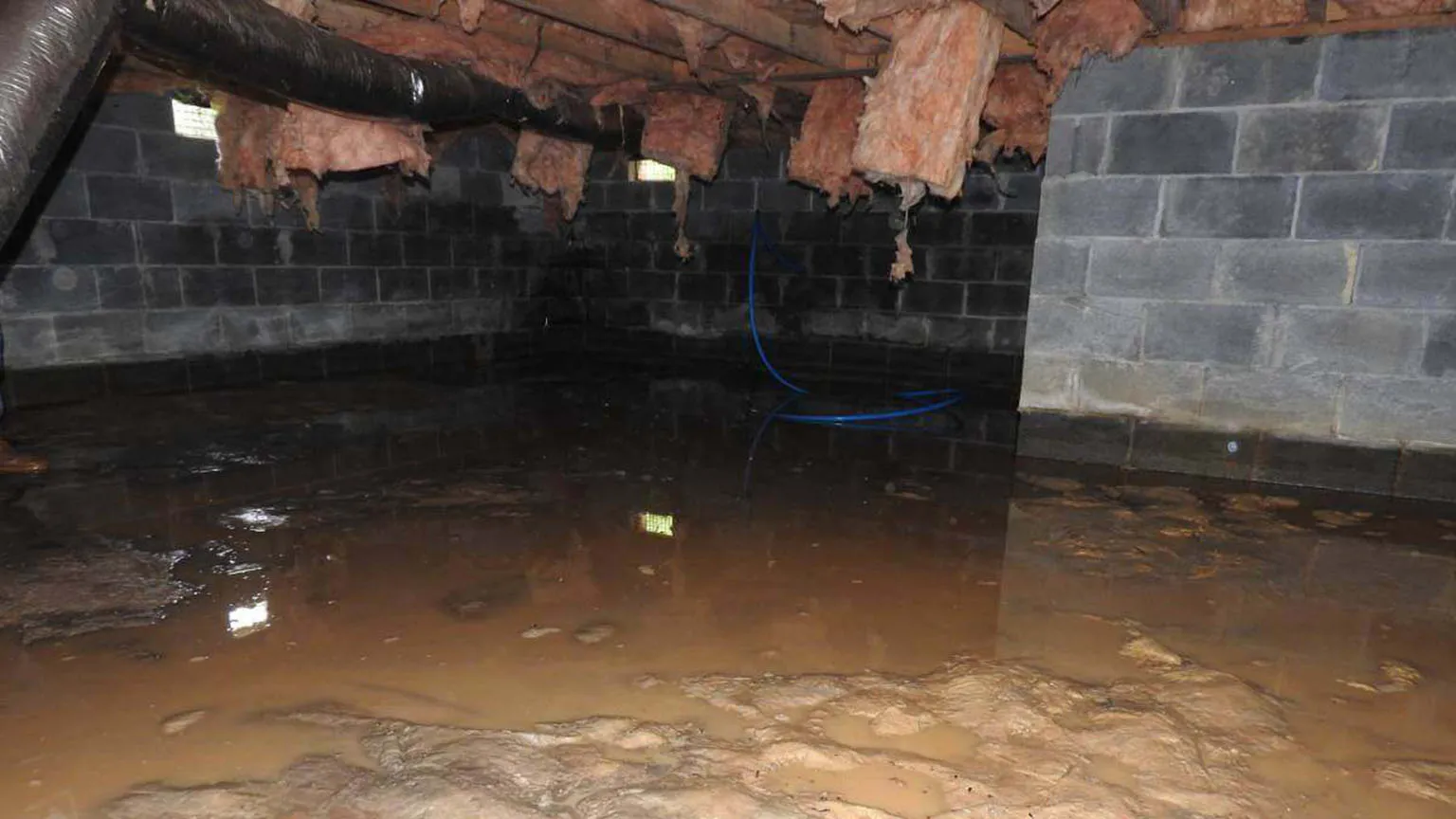
What does crawl space encapsulation Alpharetta homeowners are quoting really cost — today, and three years from today? Here’s the calm version. Today you’re usually paying to seal a space and dry it out. Three years from now, if damp air has kept working on the wood, you may be paying to seal it and repair what the damp reached. Same house, two very different invoices.
That’s not a scare line. It’s just how moisture behaves in Georgia. Wood starts supporting mold growth around 20% moisture content, so the gap between “damp” and “damaged” is smaller than most folks expect. Good news, though: it’s a slow clock, and you’re already ahead of it.
Why does timing change the number?
Because the fix stays roughly the same while the cleanup grows. Sealing a dry-ish crawl space is one scope of work. Sealing one where the subfloor has gone soft, the insulation has fallen, and the joists need attention is a bigger one. So the earliest version of this project is almost always the least expensive version.
There’s a second cost that never shows on an invoice. Air moves upward through a house — builders call it the stack effect — which means crawl space air becomes the air in your living room. In other words, you’re already breathing a share of whatever is down there. That’s part of why folks say the house feels fresher afterward.
What is encapsulation, in plain words?
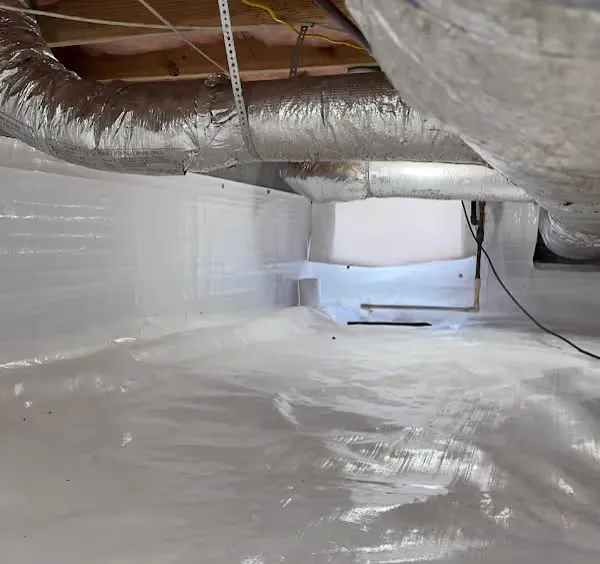
It’s a sealed system, not a sheet of plastic tossed on the dirt. We install a heavy reinforced liner across the floor, then run it up the foundation walls and around every pier, and we seal those seams. After that the vents get closed, since they’re the doorway humid summer air was using. Most jobs then get a dehumidifier sized for the space.
Here’s the thing about those vents. They were required for decades on the theory that outside air dries a crawl space out. But in a humid climate, warm outside air hitting cool surfaces does the opposite — it condenses, the way a cold glass sweats on a July afternoon. So the code that was meant to help has quietly been working against Georgia houses for years.
Once it’s sealed, the space stops swinging with the weather. Floors upstairs feel warmer in winter, the musty smell fades, and storage becomes storage again. The Department of Energy’s guidance on insulation and moisture control covers the building-science side.
What does a real job look like?
Day zero is the free inspection, and it starts outside. Downspouts, grade, and where the yard sends water all matter, because sealing a space while water still runs in is just expensive decoration. After that we go under the house with a moisture meter and read the wood, not the vibes.
Then you get a written scope. Cleanout first: old fallen insulation, torn plastic, debris, anything that shouldn’t be there. Next comes drainage if the space needs it, which on some lots means a sump and a discharge line routed well away from the foundation. Only after that does liner go down.
Install runs like this. Liner across the floor, up the stem walls, sealed at the piers and at the top edge, vents closed and sealed, access door replaced with something that actually latches. Finally the dehumidifier gets set with a drain, and we photograph everything before we pack out. Most Alpharetta crawl spaces take two to four working days.
What’s the myth we hear on almost every estimate?
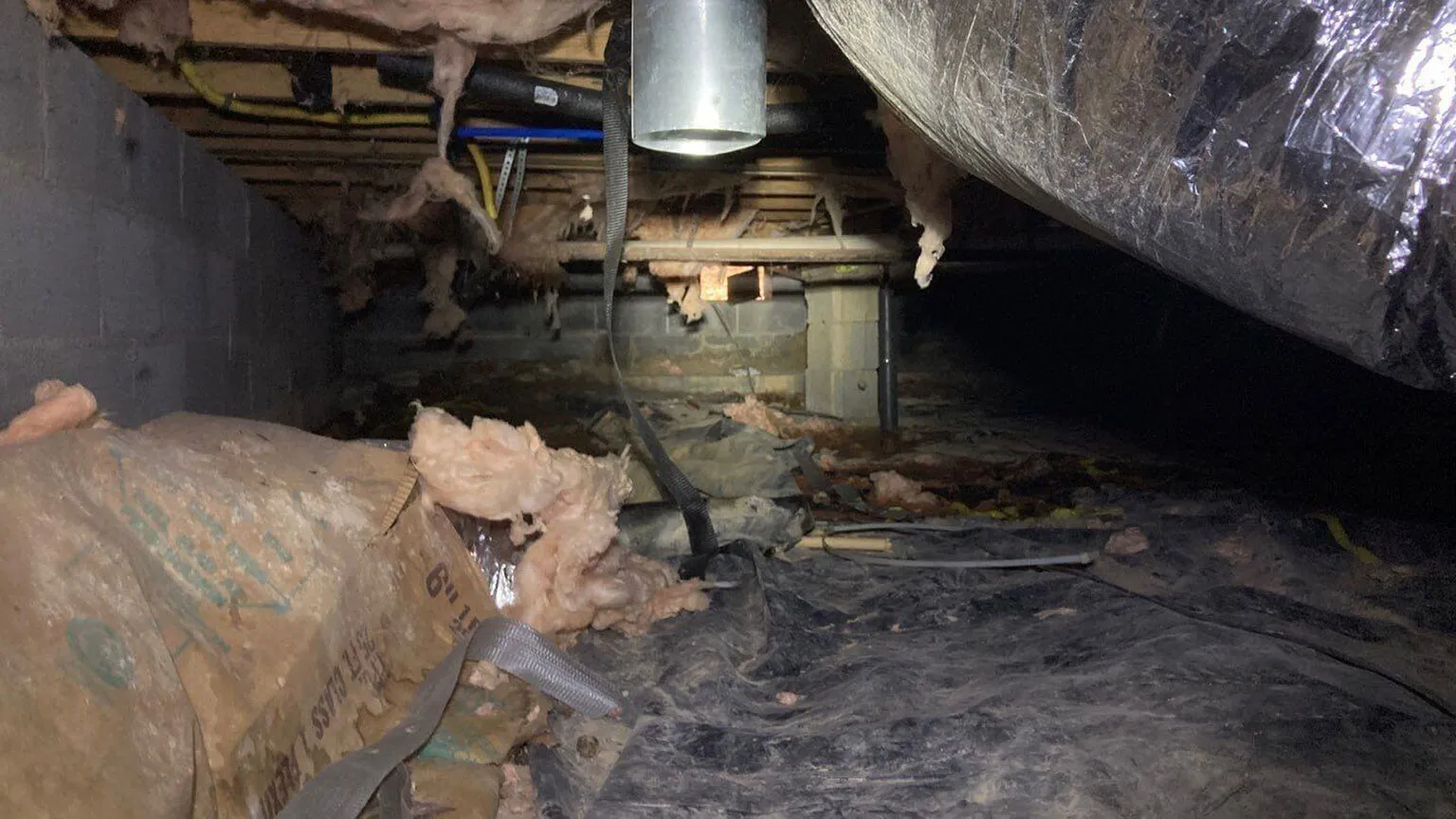
This one: “There’s already plastic down there, so we’re covered.” We hear it constantly, and it’s an honest mistake, because the builder really did put plastic down. Loose sheeting on dirt is a vapor retarder though. It slows moisture in the middle of the room and does nothing at the walls, the piers, the seams, or the open vents.
Picture a raincoat with the front left open. Technically you’re wearing a raincoat. Practically, you’re wet. That’s the difference between old sheeting and a sealed system, and it’s why two quotes can look similar on paper while describing completely different work.
So when you compare bids, ask one question: “Does the liner seal to the walls and the piers, and are the vents closed?” A real encapsulation answers yes to both. If the answer is fuzzy, you’re buying nicer plastic rather than a dry crawl space — and you deserve to know that before you sign.
Worth knowing
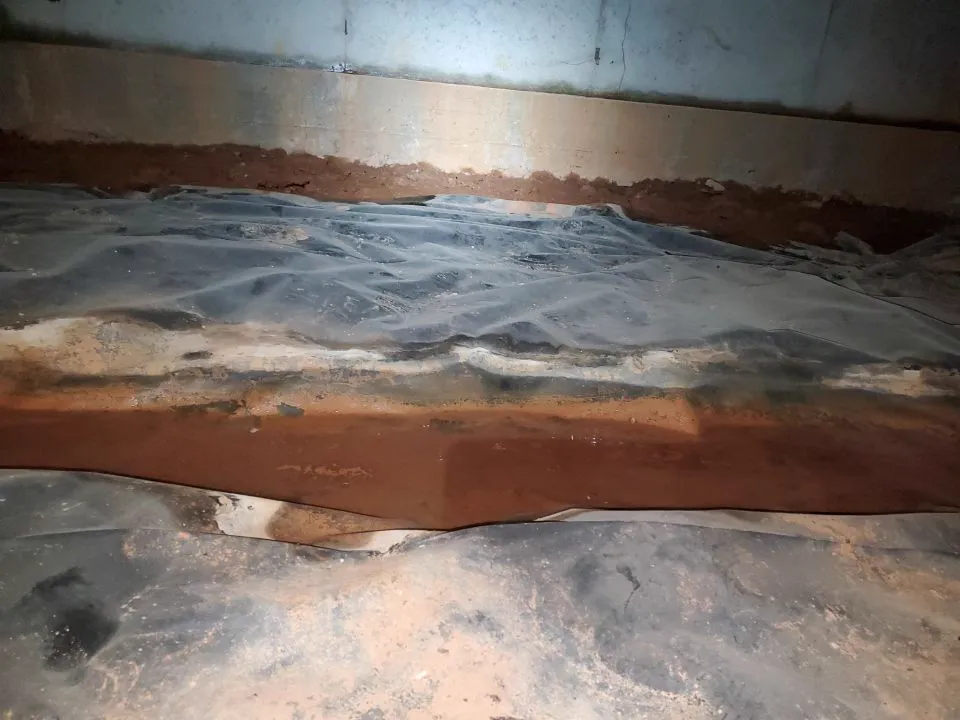
Alpharetta’s boom-era subdivisions are now old enough that the original waterproofing has simply worn out — even on homes that look brand new from the street. Liner and sealants have a service life. Twenty-five years is a long shift for a sheet of plastic.
What actually moves the price?
Mostly square footage and how hard the space is to work in. We won’t publish a flat number, because one price for a tight 1,200-square-foot crawl and a tall 2,600-square-foot one would be a lie somewhere. Still, here’s what we weigh when writing your estimate.
Price drivers, biggest first
- Square footage. Liner, seam tape and labor all scale with the floor area. This is the biggest swing by far.
- Headroom and access. An 18-inch crawl with a small hatch takes far more hours than a stand-up space with a door.
- Cleanout volume. Old insulation, debris and torn plastic all have to come out through that same small opening.
- Standing water. If water shows up after storms, a sump and discharge line get added before any liner goes down.
- Dehumidifier. Sizing depends on the space. Most jobs need one, and a few genuinely don’t.
- Wood repairs. Soft subfloor or a damaged sill is separate work, and we price it separately so you can see it.
Small, dry, easy-access spaces land at the low end. A large crawl with drainage, cleanout and a dehumidifier sits at the top. Most homes land between, and after we walk it you get one written number beside a written scope. If you’re still figuring out what’s happening down there, our guide to a wet crawl space covers the symptoms, and the crawl space repair page shows the systems we install.
What’s included, and what’s the warranty?
Included: the inspection, the estimate, the cleanout, the liner and all seam work, sealing at walls and piers, vent closure, a new access door where the old one is shot, the dehumidifier when the space calls for one, and photos before we leave. Ask any company for those photos, because honest crews already take them.
Not included, usually: structural wood repair, HVAC duct replacement, mold remediation, and plumbing leaks we find along the way. We flag every one of those during the walkthrough instead of springing it on you mid-project. Nobody enjoys a surprise plot twist under their own floor.
The warranty is written in plain English and short enough to read in one sitting. It transfers with the house too, which matters here, since buyers in this market ask sharp questions. If you’re also dealing with water in a finished lower level — a very common Alpharetta feature — our flooded basement repair guide is the companion piece.
How did this go for one homeowner near Academy Park?
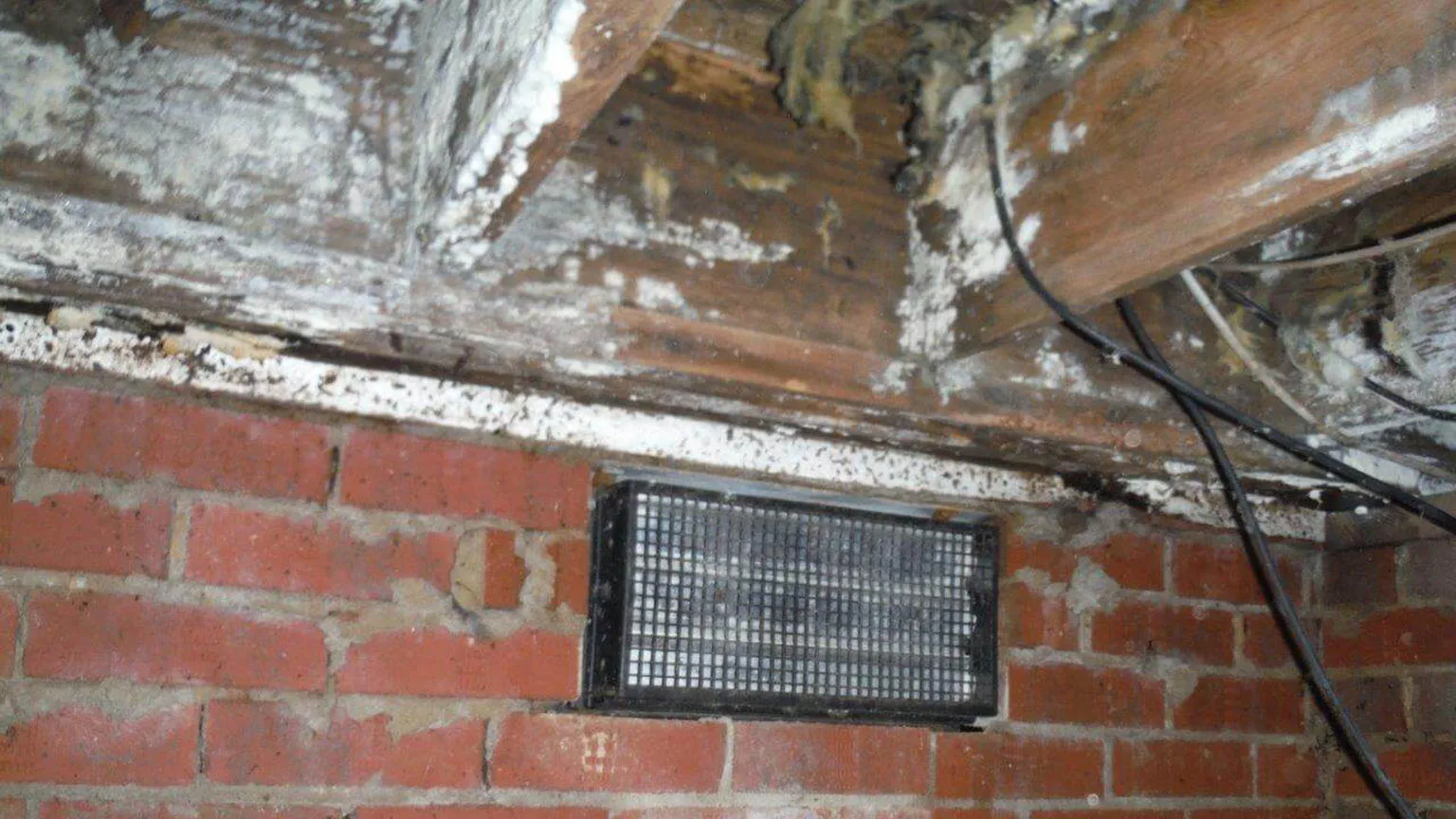
A homeowner over near Academy Park called us about a smell in the hallway, not about a crawl space at all. She’d tried candles, then an air purifier, then a plumber. Meanwhile the real source sat under the floor: open vents, sagging batts, and 78% humidity on a mild spring morning.
Her house came out of that late-90s wave, so nothing looked wrong from Academy Street. We cleaned the space out, added a small drainage run at the low corner, sealed the liner to the walls and piers, closed the vents, and set a dehumidifier with a drain line.
Three weeks later she texted that the hallway smell was gone and her floors weren’t cold anymore. That’s the part people don’t expect — it’s about the whole house feeling looked after. For the health background in plain terms, the CDC’s page on mold and your home is a calm read.
Why does a local company matter here?
Because we already know your housing stock, and crawl space encapsulation Alpharetta homes need is rarely one-size-fits-all. Twenty-plus years here means we’ve been under the newer product in the Avalon district townhomes, the mid-90s subdivisions, and homes out toward the Foundry at Roswell edge. Same crews, same trucks.
It also means we’re close and we answer the phone. We’re on GA-400 constantly, whether that’s a morning stop near Northwinds office park or an afternoon call a few minutes from Avalon. Alpharetta folks are busy, so we keep it simple: quick reply, clear written estimate, and a start date you can plan around. Our Duluth crawl space encapsulation guide covers what’s different one county over.
Where we work around Alpharetta
We’re based in Lawrenceville, about twenty-five minutes east, and we’re in north Fulton constantly. That covers Alpharetta, Milton, Johns Creek, Roswell, Cumming, Duluth, Sandy Springs, Suwanee and Norcross, plus the wider Fulton area. Whether you’re near downtown or out along the Windward corridor, we’ve been under houses like yours — and there’s usually a truck nearby already.
Questions Alpharetta homeowners ask us
Closed, once the space is properly sealed and the moisture is being controlled. Open vents were required for decades on the idea that outside air dries things out, but in Georgia humidity that warm air condenses on cool surfaces instead. Closing vents only makes sense as part of a full sealed system, not on its own.
Usually yes, because air moves upward through a house and crawl space air ends up in your living space. Once the ground is sealed off and the humidity comes down, the source of that smell goes away. Most homeowners notice the difference within a few weeks.
Most crawl spaces take two to four working days. Cleanout and drainage add time, while a small, dry, easy-access space can wrap up faster. You get the timeline in writing before we start, so you can plan around it.
Often a little, though we’d rather under-promise than hand you a number. Sealed crawl spaces stop pulling humid outside air into the house, which means your air conditioner spends less time fighting moisture. Comfort usually improves more noticeably than the bill does.
If it’s fallen, wet or moldy, it comes out during cleanout and gets hauled away. Once the space is sealed, the insulation strategy often shifts to the walls rather than the floor above. We’ll show you what’s down there and explain the plan before anything gets removed.
Let’s find out what your Alpharetta crawl space actually needs
We’ll walk the house with you, get under the floor, take real moisture readings, and explain the plan in plain language. The inspection is free, the estimate is free, and nobody pressures you afterward.
(678) 914-5112Serving Alpharetta and all of Metro Atlanta · $500 off projects over $3,500 · Live support 7am–8pm, 7 days a week