

Waterproofing Options Grayson Homeowners Compare: Fix the Yard or Fix the Basement?
An honest look at outside drainage versus an interior system on a big Grayson lot — with a real recommendation, not a shrug.
“There’s a wet spot on the basement floor, and I don’t know if it’s a big deal or not.” That’s the call, almost word for word, a few times a week. Most folks weighing waterproofing options Grayson companies offer aren’t in a crisis at all — they just want somebody to tell them straight which fix their house actually needs.
So let’s do that. There are two real families of fix here, and once you see how each one behaves, choosing gets a lot easier. Better yet, on a lot of Grayson lots the smaller answer is the right answer.
Option A: what does fixing it outside actually mean?
Outside work means you stop water before it ever reaches the foundation. Grading gets corrected so the ground slopes away from the house. Downspouts get piped out past the drip line, and a buried drain line catches the low spot in the yard that turns into a pond every March.
Here’s the thing about Grayson: bigger yards are great — until a heavy rain, and you realize all that water has to go somewhere, and your foundation sits downhill of it. Half an acre of red clay sheds a startling amount of water, because clay soaks up very little of it.
That’s why we get so many yard drainage calls out here that turn out to be basement problems in waiting. Somebody in Grayson Downs calls about a soggy patch by the swing set, and eight feet away the basement wall is quietly taking on the same water. The good news is that catching it at the swing-set stage is the cheapest version of this whole story.

Outside work also handles the thing most homes here share. Neighborhoods built between the late 1990s and 2012 were graded when the sod went down, and twenty-some years of settling has flattened a lot of that original slope. So the dirt near your walkout no longer pushes water away like it did in 2003.
Option B: how does an interior system work?
An interior system doesn’t fight water at the wall. Instead, it catches water under the slab and carries it out before it reaches your floor. Picture a gutter that lives below the concrete.
Our crew opens a narrow channel in the slab along the walls that leak. Perforated pipe goes in, packed in clean stone and set lower than the floor. Everything runs to a sump, the pump sends it well away from the house, and fresh concrete closes the channel back up.
Why go inside at all? Because some water isn’t coming from your yard. Lots near the Alcovy River and the Big Haynes Creek tributaries sit close to a seasonal water table, so pressure comes up from beneath rather than in from the side. No amount of regrading beats groundwater, since groundwater doesn’t obey your slope.
Worth knowing
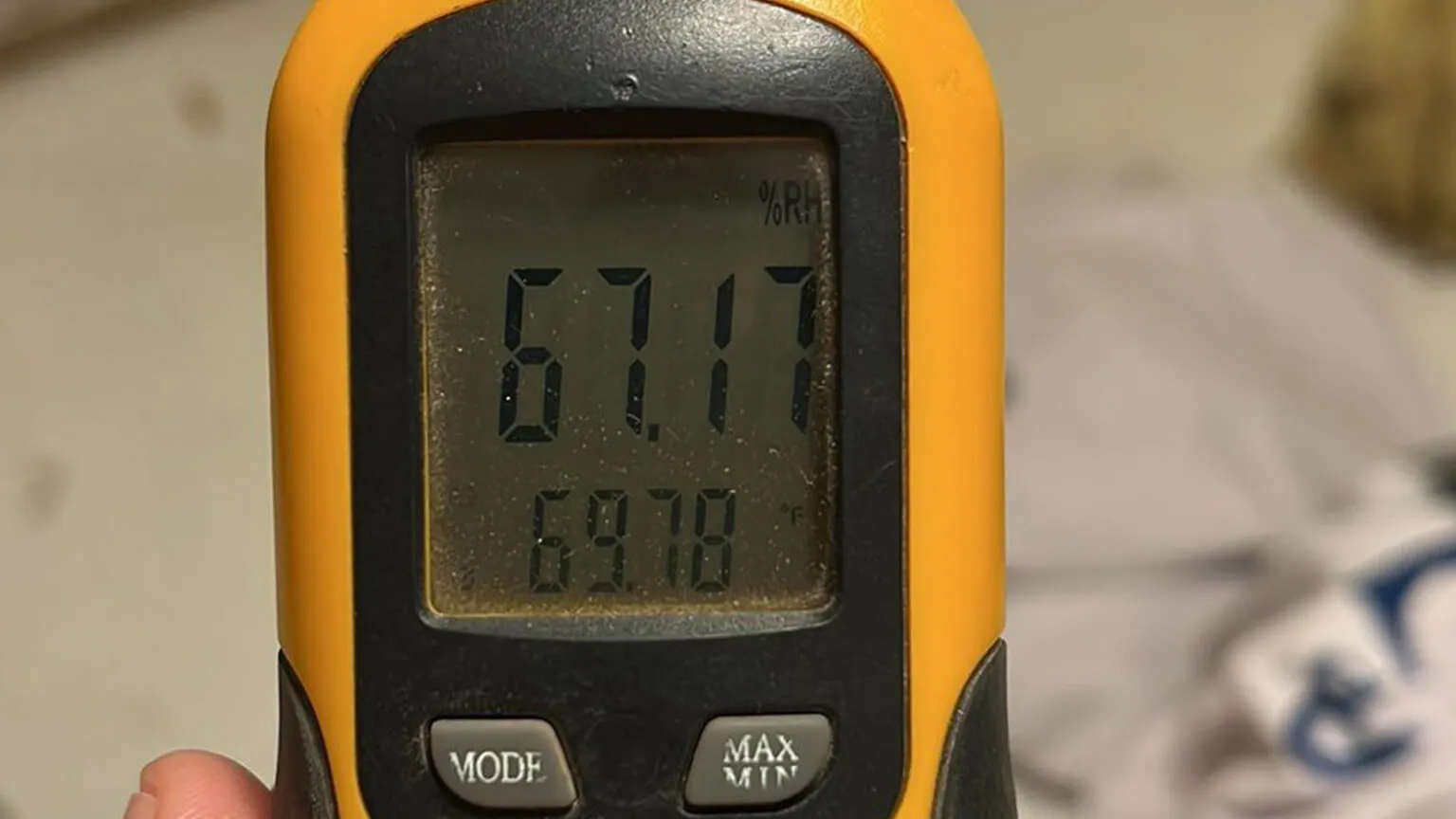
Concrete is porous. Water moves through solid, uncracked concrete by capillary action, which is why a wall can be wet without a single visible crack. If you’ve hunted for the crack and come up empty, you’re not missing anything.
Side by side, no spin
Enough theory. Here’s how the two compare when we’re standing in your basement with a flashlight.
Outside drainage and grading
- Stops water before it ever touches the foundation
- Nothing gets opened up indoors
- Usually the lower-cost path on a big open lot
- Often done in a day or two of yard work
- Weather can push the schedule
- Does nothing for water rising from below the slab
Interior drainage system
- Handles groundwater and pressure under the floor
- Works indoors, so rain never delays it
- Landscaping, trees and patios stay untouched
- Typically finished in one to three days
- Includes a pump, which needs service over time
- Costs more, and it’s the more permanent answer
Notice that neither column says “better.” Because on any given house, one of these is usually obvious once we’ve walked the lot — and the other becomes a conversation we can skip.
What decides it on a Grayson lot?
Four questions, honestly. They come up on nearly every inspection we run between Ozora Road and the Rosebud corridor.
The deciding factors
- Where does the yard send water? If the ground tilts toward the house, that’s a fixable cause and not a mystery.
- When does the water show up? Only during storms points outside. Weeks after a storm points to groundwater.
- Where is it entering? Water high on the wall says surface. Water at the floor seam says below.
- Is the house a walkout? Walkouts collect runoff at the low corner, so grading matters even more.
Timing is the giveaway most people miss. Storm-only water is a drainage story, while water that lingers for days is a groundwater story. You can watch the pattern yourself with the National Weather Service Peachtree City rainfall records and a note on your phone.
So which one do we recommend?
On a big open Grayson lot, we recommend starting outside more often than not. Correct the grade, extend the downspouts, and route the low spot away from the foundation. In fact, on newer homes near Wisteria Park that fix alone ends the problem for good.
We recommend an interior system when the water is coming up rather than in — seasonal seepage at the floor seam, a wall that stays damp long after the rain quits, or a basement you plan to finish and never want to think about again. Under those conditions, drainage below the slab is the honest answer, and we’ll say so plainly.
And sometimes we tell people they don’t need the bigger option at all. A homeowner over near Bay Creek was braced for a full perimeter quote, but the real culprit was two downspouts dumping straight against the wall. That was a morning of work, not a project, and yes, we still sleep fine on the smaller invoice.
What happens after the crew leaves?
This is the part nobody asks about on the estimate, and it’s the part that decides whether you feel smart about the money a year later. Ready for the honest version? The work isn’t finished when the truck pulls out of the driveway.
With outside drainage, you get a settling period. Fresh soil compacts over the first few rains, so a small dip near the trench is normal and easy to top off. Grass comes back in a season, and after that nobody can tell we were there.
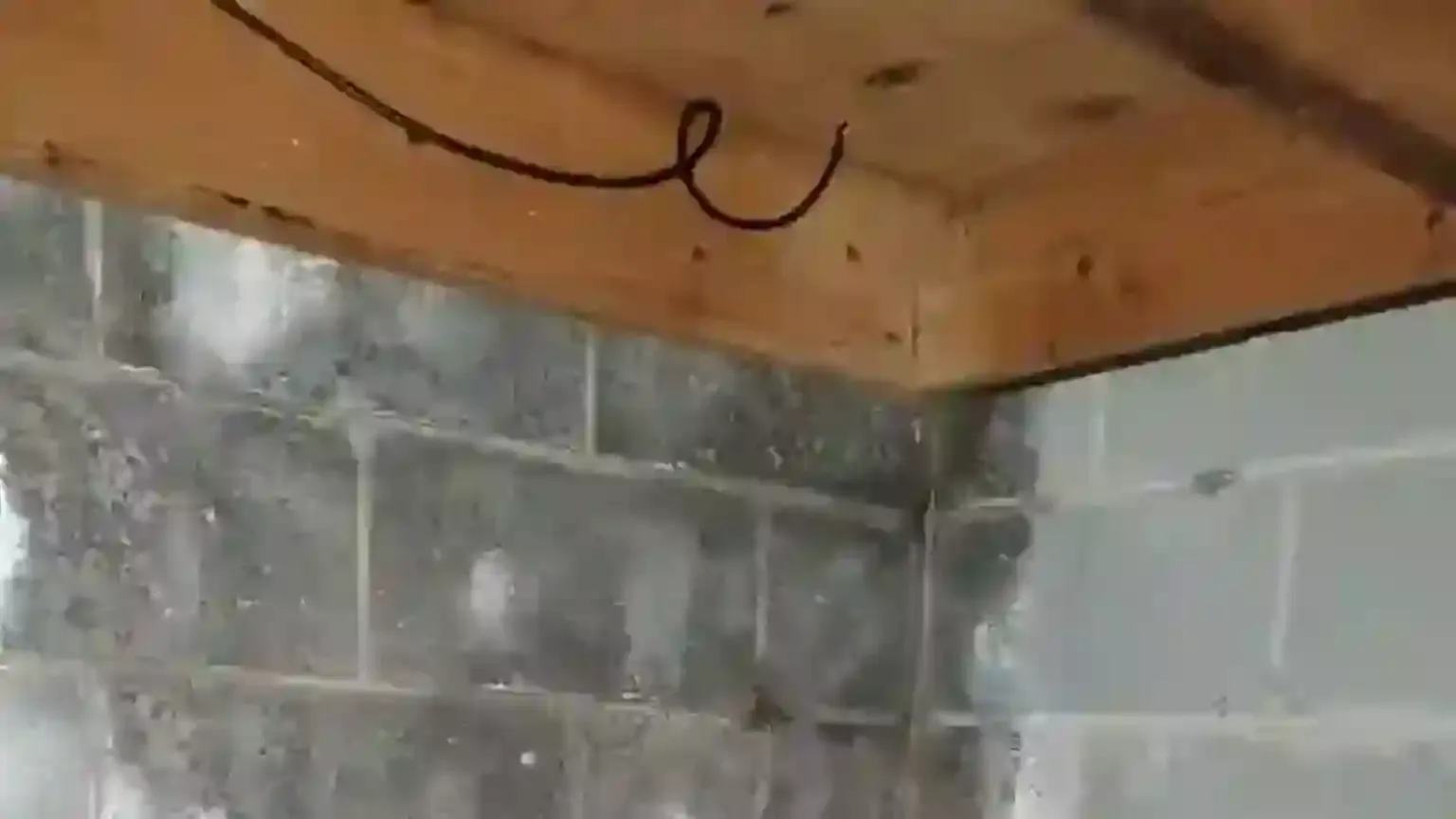
With an interior system, the fresh concrete cures over about a month, and the air in the basement changes fast. Humidity drops within days, which means that basement smell fades before the concrete has even fully hardened. The EPA’s guide to moisture in the home explains why controlling water beats treating what grows after it.
Either way, you get one thing from us that matters more than any product: a written warranty and the same local crews if you ever call again. We’re twelve minutes up the road, not a call center three states away.
Week one, year one, year ten
Curious what this actually looks like over time? Let’s walk it out, because “it’s fixed” is too vague to be useful.
The first week
The floor stays dry through the first real storm, and that’s the moment most people exhale. Boxes come off the shelves and go back on the floor. Then the smell at the bottom of the stairs quietly disappears, usually before anyone mentions it out loud.
The first year
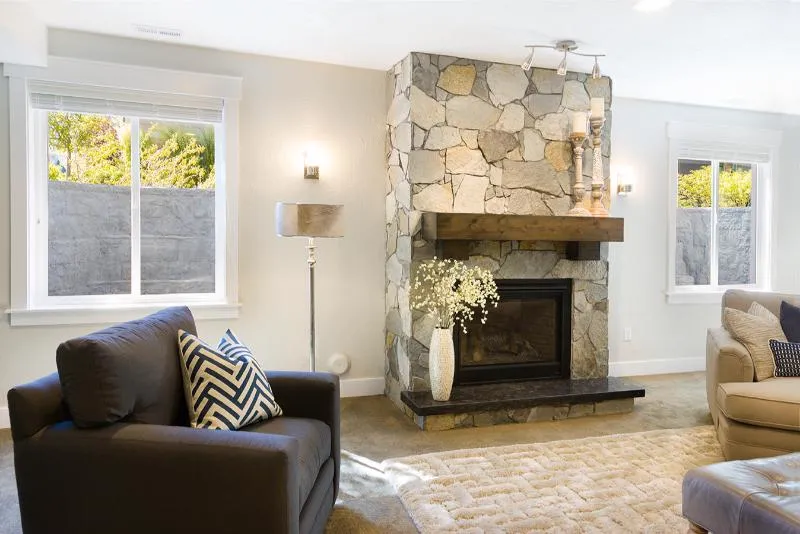
You go through a full spring storm season, which around here is the real test. Since air moves upward through a house, drier air downstairs means drier air everywhere — so the musty closet on the second floor stops being musty too. Plus the basement becomes usable space instead of storage you apologize for.
Year ten
Stone and pipe don’t wear out, so a properly built system is still doing its job while the pump has been serviced once or twice. If you sell, the warranty transfers and the inspection report gets a lot quieter. That’s the whole point: one decision, made once, that keeps paying you back.
Why homeowners here keep our number
Because referrals travel fast in a town this size, and we’d rather be the company people mention at Grayson City Park than the one they warn each other about. We inspect for free, explain what we find, and tell you when the cheaper path will do the job.
If you want more detail, our page on basement waterproofing lays out the systems step by step, our guide to the best basement waterproofing methods goes deeper on newer homes, and if you have a damp crawl space instead of a basement, crawl space encapsulation is probably your conversation. Neighbors comparing notes across the county can also read our Dacula waterproofing options breakdown.
Where we work around Grayson
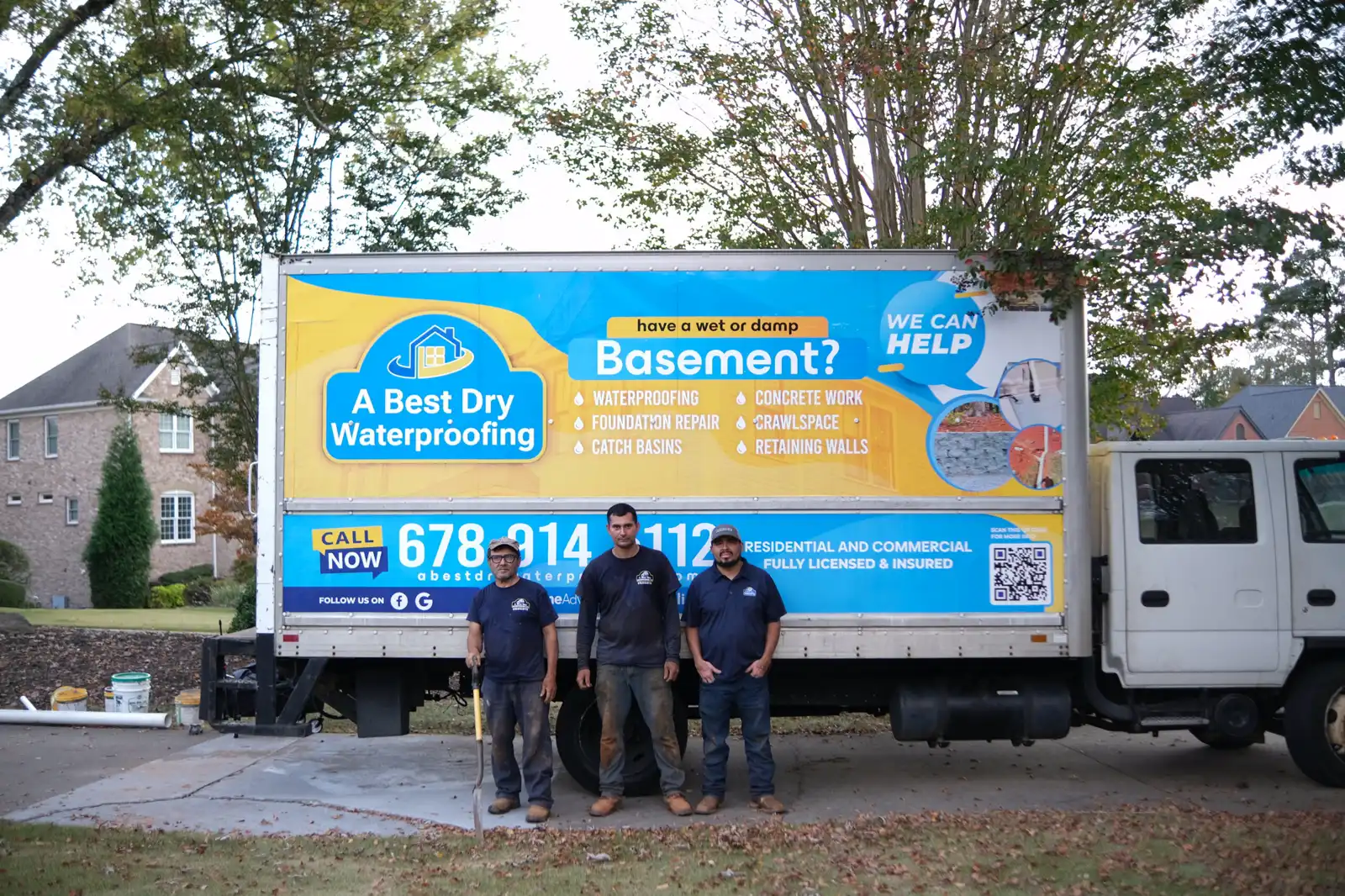
We’re based in Lawrenceville, about twelve minutes northwest, so we’re out past Tribble Mill Park constantly. That includes Grayson, Lawrenceville, Snellville, Loganville, Dacula, Suwanee, Duluth, Buford, Auburn, Bethlehem and Norcross. Odds are good we’ve already worked on a house near yours.
Questions Grayson homeowners ask us
Most interior systems run one to three days from start to finish. Outside drainage and grading work is often quicker, though rain can push it. Either way, you get a schedule up front and a crew that hauls its own mess away.
Only what’s near the walls we’re working on. We need about four feet of clear space along those walls, so the middle of the room can usually stay as it is. If something heavy is in the way, our crew will help you shift it.
Sometimes, but they’re two different jobs. Drainage stops the water, while a crack that’s moving needs structural repair on its own. During the inspection we’ll measure the crack and tell you honestly which category it falls into.
It depends on where the water starts. If storms are the trigger and your yard slopes the wrong way, outside work usually wins on a big Grayson lot. When water seeps at the floor seam and lingers for days, an interior system is the better buy.
The drainage itself is stone and pipe, so there’s nothing in it to wear out. The pump is the one part with a service life, and swapping one is a small, planned expense rather than a surprise. Our warranty is written down before any work starts.
Let’s find out what your Grayson basement is really doing
The inspection is free, the estimate is free, and nobody pressures you at the end of it. We’ll show you where the water starts, compare both approaches on your actual lot, and tell you straight if the smaller fix is enough.
(678) 914-5112Serving Grayson and all of Metro Atlanta · $500 off projects over $3,500 · Live support 7am–8pm, 7 days a week