

How to Find the Best Basement Waterproofing Grayson Homes Actually Need
What makes a big-lot Grayson house different, what a good crew does about it, and the questions that tell you everything before you sign.
What does the best basement waterproofing Grayson has to offer actually look like? Honestly, it looks like somebody walking your yard before they ever walk down your stairs. Bigger yards out here are wonderful — until a heavy rain, when all that water has to go somewhere and your foundation sits downhill of it.
Good news up front: this is a very fixable problem. But the company you pick matters more than the brand of pipe on their truck, so let’s talk about how to tell them apart.
What makes a Grayson house different?
Space, mostly. Most homes here went up between the mid-1990s and about 2012, on lots noticeably larger than what you find deeper in the Gwinnett core. That’s lovely on a Saturday, but harder during a spring storm, because a wide open yard collects a lot of rain and hands all of it to the lowest point on the property.
Then there’s the dirt. Georgia red clay drains slowly, so water sits in the soil instead of soaking away. Over twenty-some years the original builder grading settles too, which means the gentle slope that once carried water off is now a shallow bowl. None of that is anybody’s fault — it’s just time doing what time does.
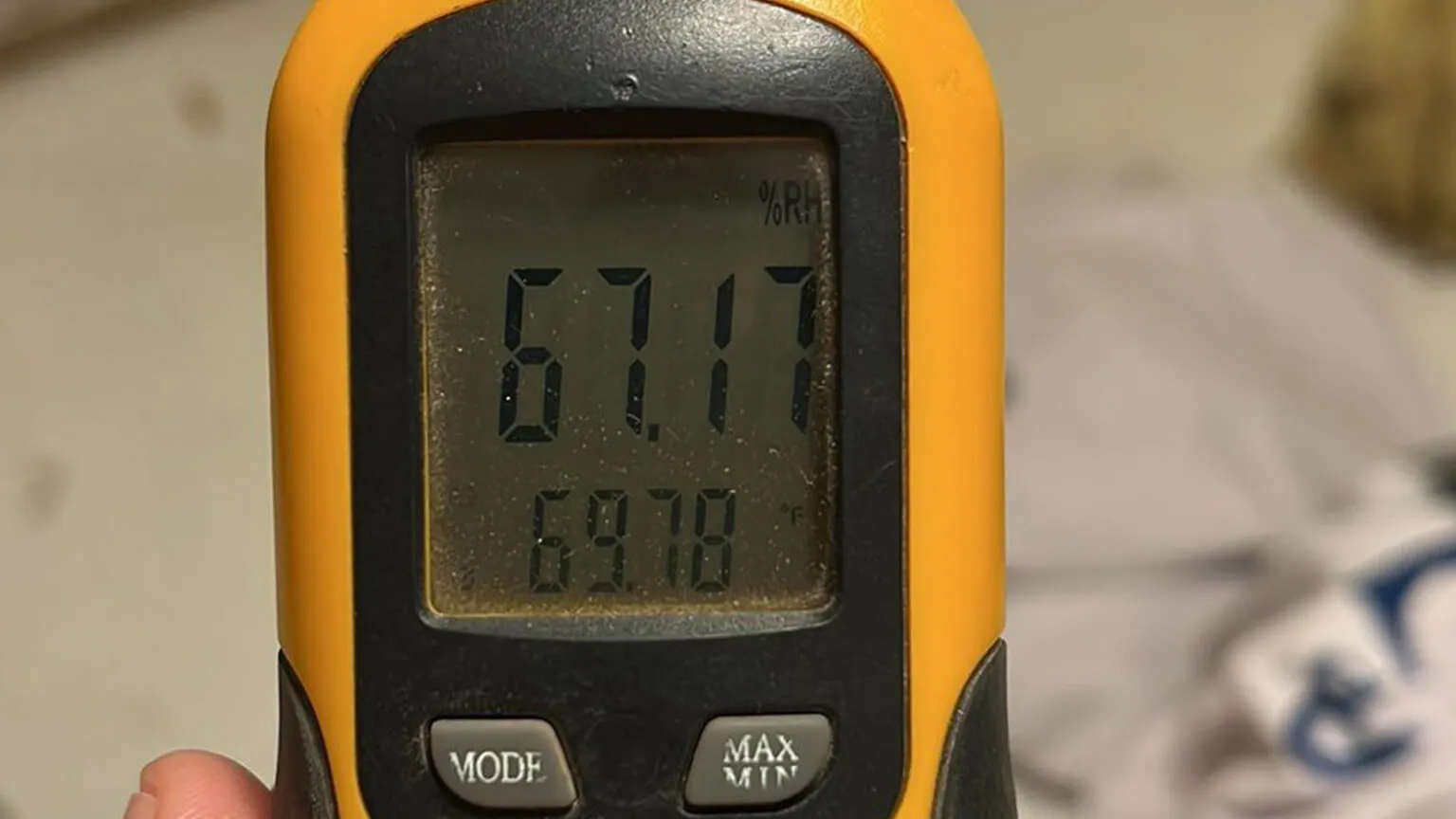
Full basements are standard here, and plenty of them are walkouts, which adds one more wrinkle. A walkout puts finished living space at the exact elevation the yard drains toward. So a Bay Creek or Ozora Lake home can be perfectly built and still take on water, simply because the land around it changed shape.
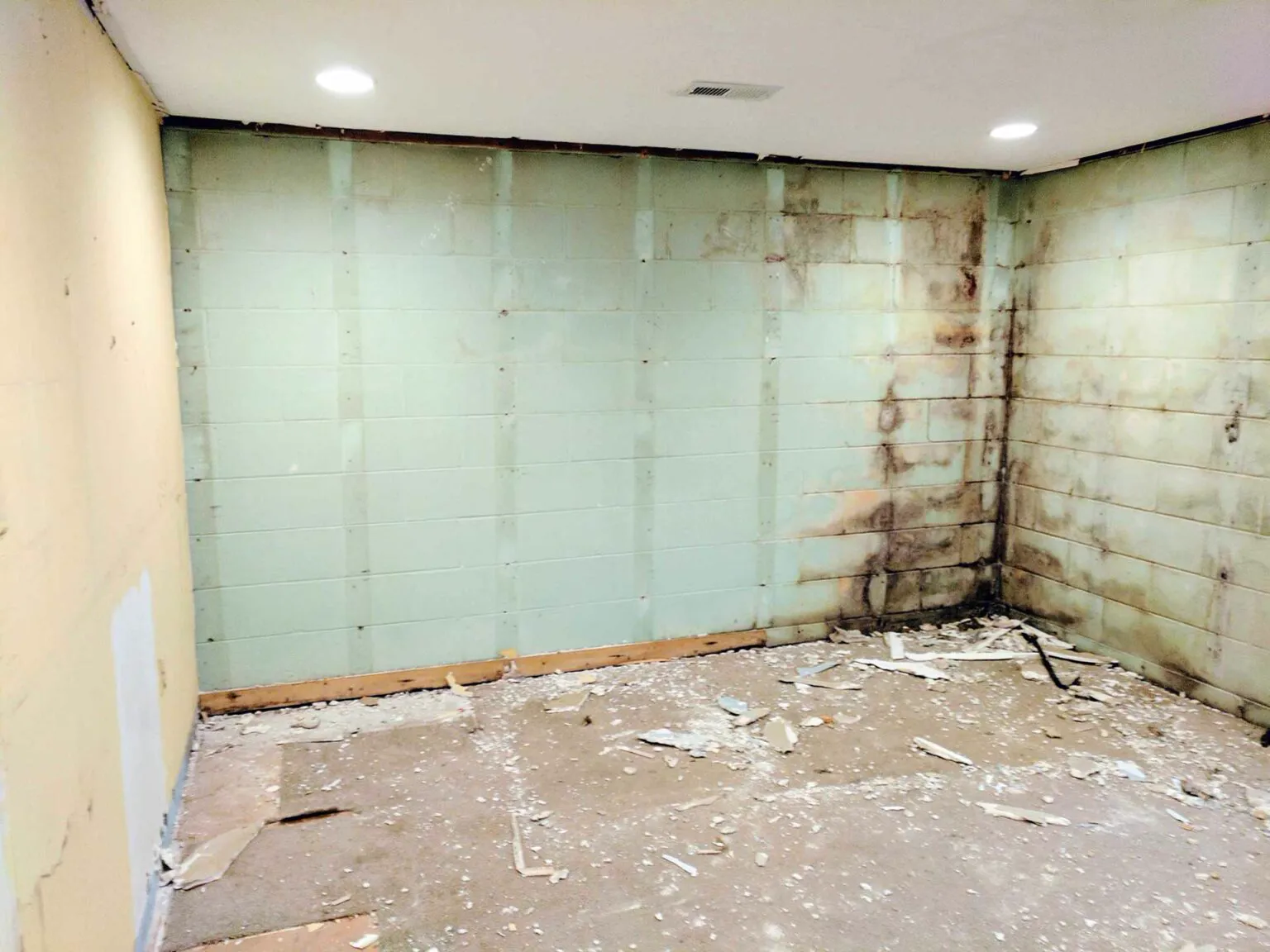
Here’s the detail out-of-area crews miss. The cove joint — that seam where the basement wall meets the floor slab — is the single most common water entry point in a Georgia home. It isn’t a crack and it isn’t damage. Water under pressure just finds the seam, which is why painting a wall almost never solves anything.
What should a good company do differently here?
Start outside, every time. On a large lot the source is often above ground, so any company worth hiring walks the property before pricing anything. Downspouts emptying two feet from the wall, a patio pitched back toward the house, a swale that filled in with pine straw — those are cheap fixes, and an honest contractor points at one even when it shrinks the invoice.
After that, they should look at where your water is trying to go. Homes near the Alcovy River and the Big Haynes Creek tributaries deal with seasonal groundwater, which behaves nothing like roof runoff. If you want the plain-English version of why that matters, the USGS groundwater basics page explains it without selling anything.
Worth knowing
Seepage and structural trouble are two different conversations. A wall can weep at the cove joint for years while staying perfectly sound. You deserve to be told which one you have before anybody mentions a number.
The system itself isn’t exotic. Perforated pipe in clean stone, set below the floor, tied to a sump that throws water far from the house. What separates the best basement waterproofing Grayson crews do from average work is judgment — which walls need it, what the yard has to do first, and what to leave alone.
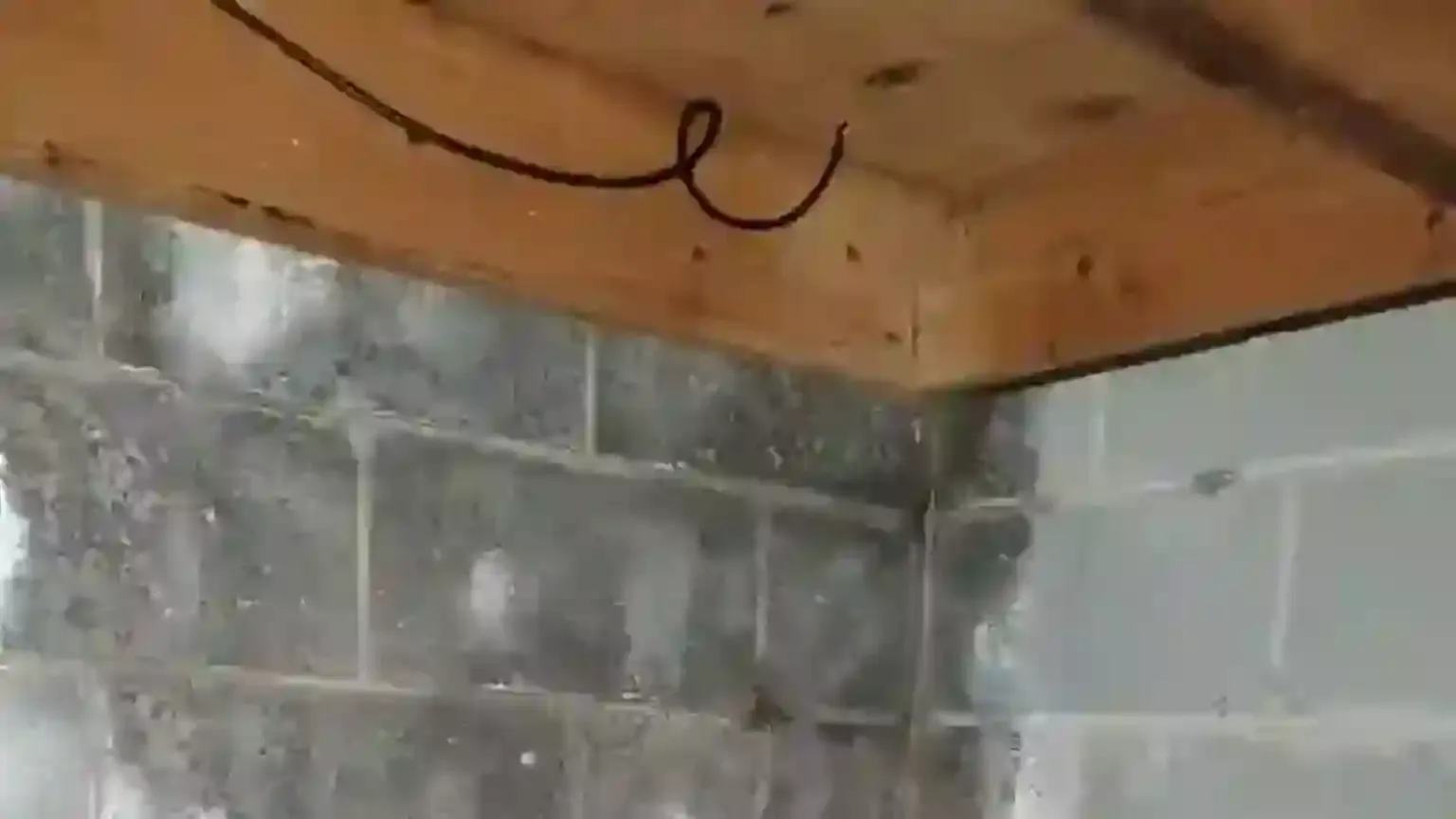
What changed our thinking after twenty years?
We used to think of this as a basement trade. Twenty-plus years in, we think of it as a water-routing trade that happens to end in a basement — and that shift changed how we bid almost every job in this part of Gwinnett.
Early on, a wet wall meant interior drainage, full stop. It worked. Still, one pattern kept showing up on larger lots: a house would stay dry all year, then take water twice in one wet March. That’s not a wall failing. That’s a yard delivering more water than the ground can absorb — a different problem in the same costume.
So now we grade the property first, then design the system to match. Sometimes the honest answer is that a homeowner needs regrading and a drain line more than a full perimeter. We’ve talked people out of the bigger job more than once, which is a strange business model until you remember how fast word travels around here.
The other thing that changed? We stopped treating the sump discharge as an afterthought. Water dropped ten feet from a walkout on a sloping lot simply walks back. Now we route it to a spot that actually sheds, and we show you where before the first shovel moves.
How do you read an estimate without a degree in this?
Look at the scope, not the total. A real estimate names the walls, the linear feet, the depth of the drainage, the discharge point, and any outside corrections. If all you received was a price and a place to sign, that isn’t an estimate — it’s a guess with good posture.
What a solid Grayson estimate spells out
- Linear feet and which walls. One wall versus a full perimeter is the biggest price swing there is.
- Drainage depth. Below the slab, not beside it. Bargain bids quietly cross that line.
- Where the water goes. On a sloped lot, discharge placement is half the system.
- Yard corrections. Regrading and downspout work sometimes are the fix, so price them honestly.
- Walkout details. Door thresholds and patio slabs need their own plan.
- Who does the work. Employees or a subcontractor you meet on day one?
Numbers move a lot because houses do. A short run on an accessible wall sits at the low end, while a full perimeter with a new sump and outside regrading sits at the top. So we won’t quote a flat price over the phone — you’d end up paying for the guess. For the mechanics, this guide to how these systems work locally covers them, and our basement waterproofing page shows what we install.
What should you ask before you hire anybody?
Five questions do most of the sorting. Ask every company on your list, then compare the answers instead of the totals.
Five questions worth asking
- “What did you find outside?” A crew that skipped the yard never looked for the source.
- “Where exactly will the water discharge?” They should walk you out and point at the spot.
- “Will you photograph the pipe before the concrete goes back?” Yes should come instantly.
- “Is the drainage below the slab?” Below, always. Ask them to say it out loud.
- “Who’s on my job, and can I reach them?” Same crews beat a rotating cast every time.
Red flags are simpler than folks expect. A firm price over the phone means nobody measured anything, and pressure to sign today is a sales tactic rather than a scheduling reality. Real talk: if one bid lands far below the rest, find out what got left out — usually it’s drainage depth or the discharge run.
One more, gently. Waterproof paint sold as a full solution is a coating trying to out-argue water pressure — a raincoat on a submarine. Air quality matters here too, and the EPA’s guide to moisture control covers that side without selling you anything.
Which rooms does a wet basement quietly affect?
Here’s the part almost nobody connects. A damp basement doesn’t stay in the basement, because air moves upward through a house all day long. So the musty smell in the hall closet, the guest room that never feels quite right, the sticky feeling upstairs in August — those can all trace back to one damp corner two floors down.
Good news, and it’s the fun kind: this reverses fast. Cut the source, dry the air, and the whole house steadies out within a few weeks. Homeowners tell us the upstairs feels cooler at the same thermostat setting, which makes sense — dry air is simply easier to cool.
Your stuff notices too. Photo boxes, holiday bins, the treadmill everyone swears they’ll use again — all of it lives better in steady air. Meanwhile the space stops being storage-only, which is how a family in Alcovy Station ended up with a playroom instead of a room they apologized for.
That’s the real outcome. Not “the leak stopped,” but “our house feels looked after.” Storms roll across from Tribble Mill Park and you hear rain instead of feeling your stomach drop.
Why are we a fit for Grayson homes?
Because we’re twelve minutes up the road, and around here that matters. We’re in Grayson constantly — off Rosebud Road, over near Bay Creek Park, out through the neighborhoods on the bigger lots. When we say Tuesday morning, we mean Tuesday morning, and folks talk to their neighbors.
You’ll also get answers rather than a pitch. We’ll show you the water path, explain why one wall gets treated and another doesn’t, and hand you photos from under the slab. If your house has a crawl space instead, the honest answer may be crawl space encapsulation. And if you’re comparing across town lines, our Dacula best basement waterproofing guide covers that market too.
Where we work around Grayson
We’re based in Lawrenceville, about twelve minutes northwest, so we’re through this area most weeks. That includes Grayson, Lawrenceville, Snellville, Loganville, Dacula, Bethlehem, Auburn, Lilburn, Centerville and Between, plus the wider Gwinnett area. Whether you’re near the high school or out toward the Alcovy, there’s a good chance a truck is already close by.
Questions Grayson homeowners ask us
Sometimes, though a crack can be its own conversation. Relieving water pressure stops seepage through a hairline or a joint, but a crack caused by movement needs the movement addressed first. We’ll tell you which one you have during the inspection, in plain words.
It depends on where the water starts. Interior drainage handles pressure under and beside the slab, while exterior work handles runoff before it ever reaches the wall. On larger local lots we often pair a little of both, because the yard is usually part of the story.
Stone and pipe under a slab have nothing to wear out, so the drainage keeps working quietly for decades. The pump is the one part with a service life, and most get replaced around the ten-year mark, same as a water heater. Otherwise it just runs.
Yes, and you should get the terms in writing before work starts. Coverage varies by the type of system, so ask what’s included, what isn’t, and whether it transfers if you sell. We’ll walk through ours line by line, no fine-print games.
Usually, yes. We open a narrow strip of flooring and drywall along the affected walls, do the work, and put things back neatly. It adds a day or so compared with an unfinished space, and it beats gutting a room you already paid to build.
Let’s take a look at your Grayson basement together
We’ll walk the yard and the house with you, show you where water is getting in, and explain the plan plainly. Free inspection, free estimate, no pressure at the end of it.
(678) 914-5112Serving Grayson and all of Metro Atlanta · $500 off projects over $3,500 · Live support 7am–8pm, 7 days a week