

How to Choose the Best Basement Waterproofing Lilburn Homes Actually Need
What makes a seventies block basement different, what a good crew does about it, and the questions that sort real work from a quick patch.
Here’s the good news, right up front: a wet basement is one of the most fixable problems your house will ever hand you. It isn’t a mystery, and it isn’t a teardown. So when you start shopping for the best basement waterproofing Lilburn has to offer, you’re not really shopping for a miracle. You’re shopping for someone who finds the source and then fixes that.
That distinction matters more here than in most towns. Because plenty of companies will happily sell you a fix for the puddle, and the puddle is only the ending of the story.
What makes a Lilburn basement different?
Age, mostly, and the kind of age that shows up underground. Lilburn homes were mostly built in the seventies and eighties, back when “waterproofing” meant a coat of tar on the outside of the block and hoping for the best. Fifty years is a long time to hope. That tar is gone now on most of these houses, which isn’t a scandal — it’s just what tar does in red clay.
Then there’s the ground itself. Lilburn rolls, and it drains toward Camp Creek and the Yellow River, so water is always moving through these lots. Red clay holds that water like a sponge and presses it against block walls. Add fifty-year-old hardwood roots, and old footing drains end up crushed, silted solid, or simply gone.
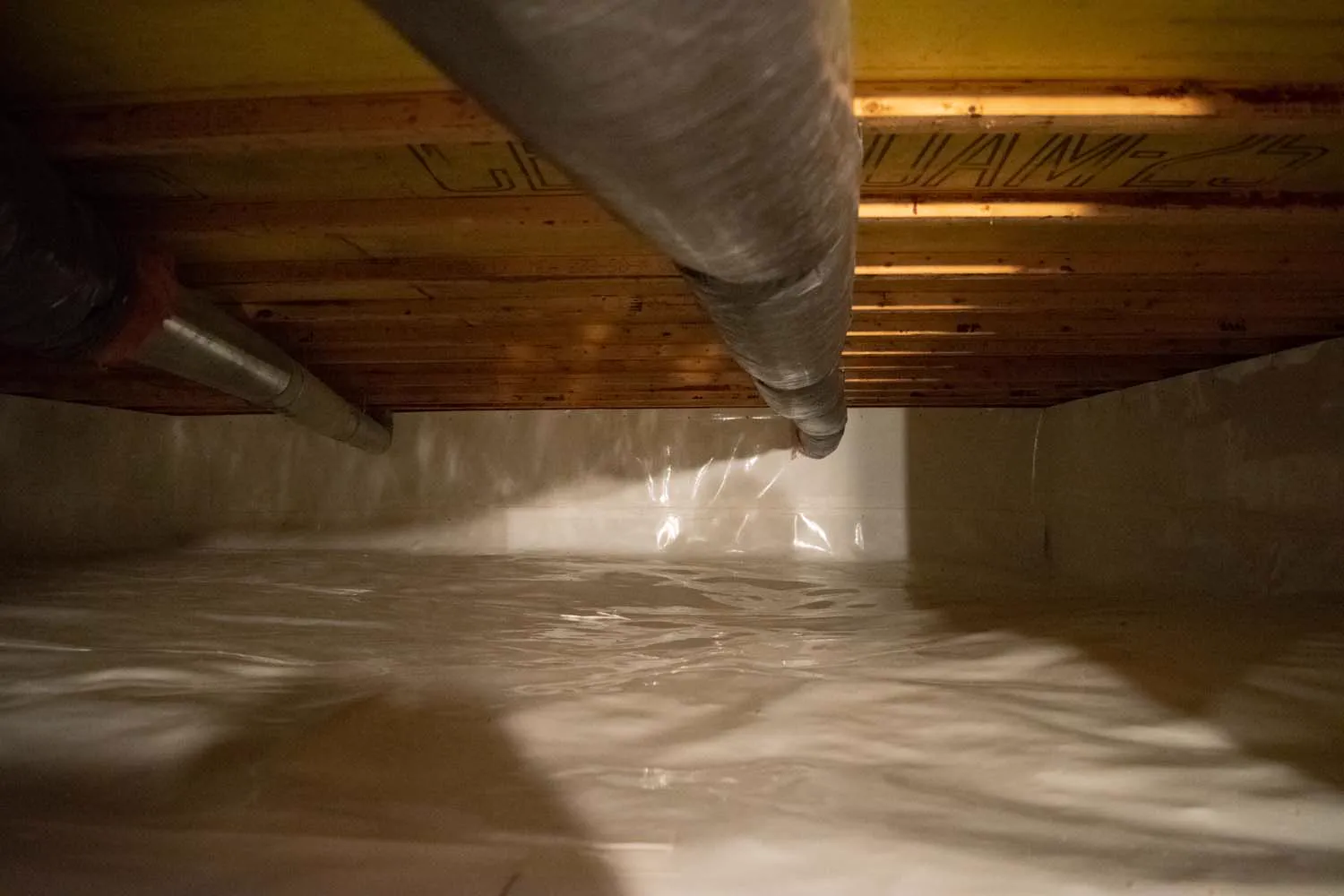
One more thing sets this city apart, and it’s a happy one. Around Arcado, Rockbridge and the streets off Ronald Reagan Parkway, a huge share of these basements are lived in. Kids, in-laws, a second kitchen. So a damp basement here isn’t storage trouble — it’s a room your family uses every day.
What should a good company be doing differently here?
Walking the yard first. Sounds simple, but on a seventies lot the source is often above ground, so a crew that heads straight for the basement stairs already skipped the answer. Downspouts dumping at the wall, added mulch raising the grade, a patio sloping back toward the house — those are the cheap wins, and an honest contractor points at one even when it shrinks their invoice.
After that, they should read the wall for what it is. Block is hollow, so water in those cores travels sideways and comes out somewhere else entirely. Coating the inside face doesn’t stop that, since paint can’t out-argue pressure. It’s a raincoat on a submarine.
Worth knowing
Seepage and structure are two different conversations. Lots of Lilburn block walls are damp while staying perfectly sound, but a horizontal crack or a wall that’s leaning in is a separate finding. You should be told plainly which one you have before anybody talks money.
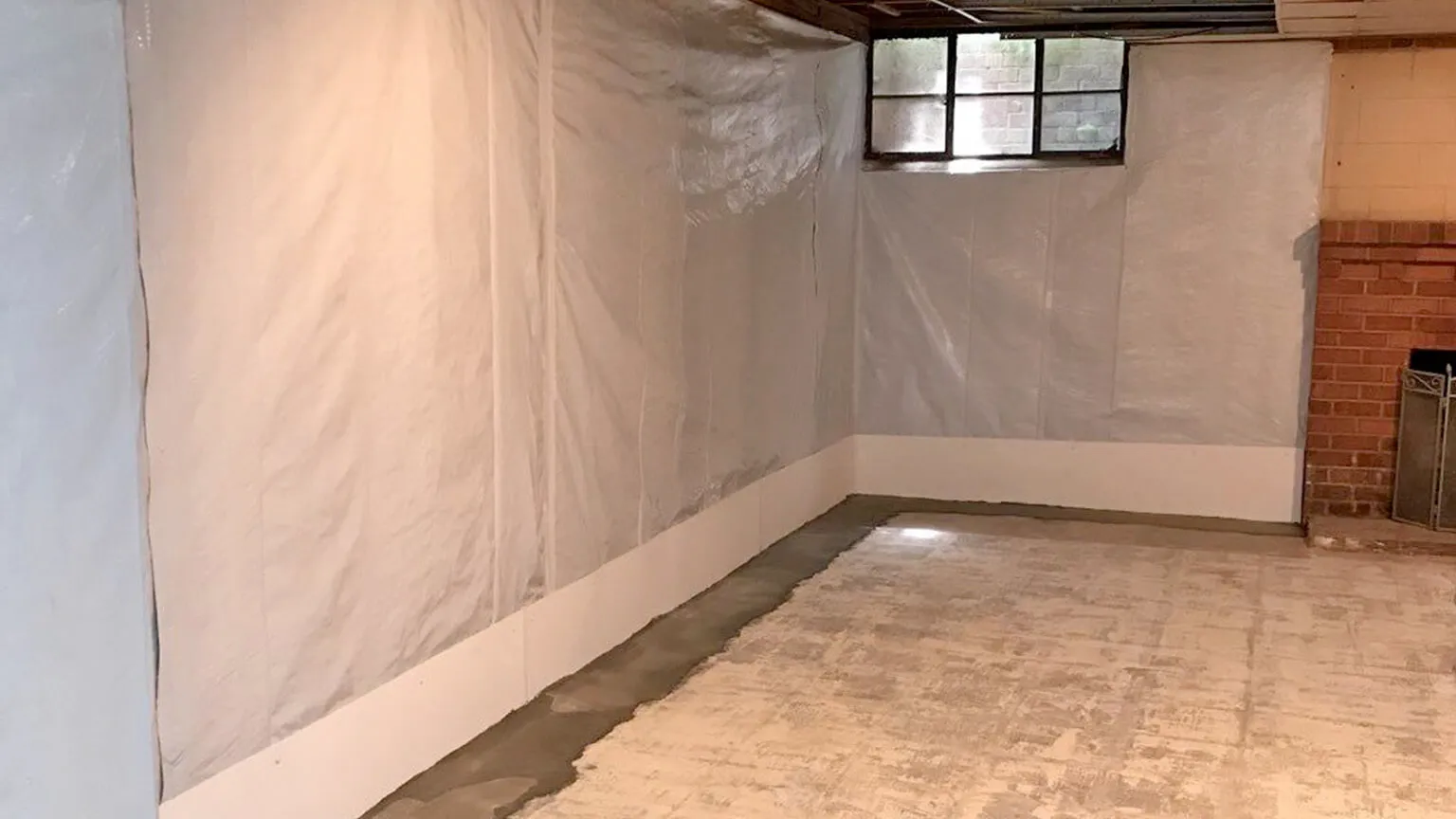
The system itself isn’t exotic. Perforated pipe in clean stone, set below the floor slab, tied into a sump that throws water well away from the house, plus a wall liner that guides seepage down into the channel instead of onto your floor. What separates the best basement waterproofing Lilburn crews do from the rest is judgment — which walls need it, which don’t, and what outside the house has to change so the system isn’t fighting the yard forever.
So what’s the second thing nobody mentions?
Humidity. Not the puddle, not the stain — the air. Here’s the thing most estimates never explain: concrete is porous. Water moves through solid, uncracked concrete by capillary action, which is why a wall can be genuinely wet without a single visible crack anywhere on it.
That’s why a basement can pass the eyeball test and still feel wrong. Nothing drips, but the carpet smells and the boxes in the corner go musty. Meanwhile a whole wall is quietly giving up moisture into the room, every day of the year.
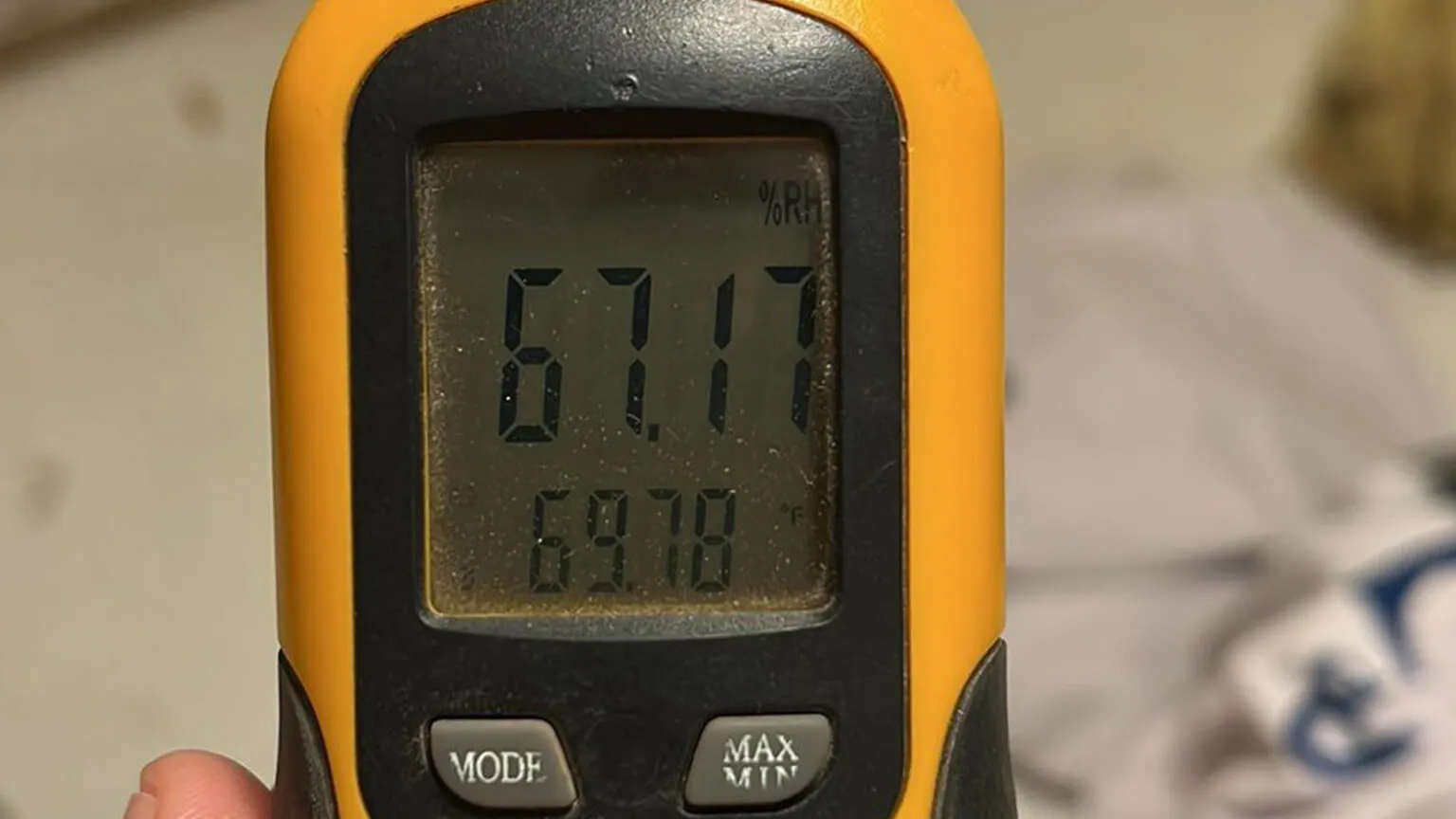
Good news? This is very fixable, and it’s honestly the part we enjoy most. Once drainage handles the water at the footing, a wall liner and a real dehumidifier handle the vapor, and the room changes character in about a day. Air quality is worth caring about for its own sake too, which the EPA’s guide to moisture control lays out without selling you anything.
The feeling afterward is hard to oversell. That basement stops being the room everyone hurries through, so for a house where somebody sleeps down there, it’s not a small upgrade.
How do you read an estimate without a degree in this?
Read the scope, not the total. A real estimate names the walls, the linear feet, how deep the drainage sits, where the water discharges, and what happens outside. If all you got is a number and a place to sign, that’s not an estimate — it’s a guess wearing a nice shirt.
What a solid Lilburn estimate spells out
- Linear feet, and which walls. One wall versus a full perimeter is the single biggest swing in the price.
- Drainage depth. Below the slab, not beside it. Bargain bids quietly cross that line all the time.
- Discharge point. Water has to leave the property, instead of touring the flower bed and coming right back.
- Block cores, addressed. Hollow block needs the water in those cavities released into the channel.
- Old footing drain, named. If yours is silted solid, the plan should say so rather than ignore it.
- Exterior corrections. Regrading and downspout work sometimes is the fix, so price it honestly.
- Warranty terms, in writing. What’s covered, and for how long.
Prices swing because houses swing, so get your number in writing only after somebody has stood in your basement. For how the systems work step by step, our guide for local homes covers the mechanics, while the basement waterproofing page shows what we install and why.
What should you ask before you hire anyone?
Five questions do most of the sorting. Ask every company the same ones, then compare the answers instead of the totals — that’s usually where the difference lives.
Five questions worth asking
- “What did you find outside?” If nobody walked the yard, nobody looked for the source.
- “Where exactly is the water coming in?” A good answer points at a spot and explains why.
- “How deep does the drainage go?” Below the slab is the only answer that ages well.
- “Will you photograph the pipe before the concrete goes back?” Yes should come instantly.
- “Who’s actually on my job?” Same crews every time, or a sub you meet on day one?
Red flags are simpler than people expect. Real talk: a firm price quoted over the phone means nobody measured anything, and pressure to sign today is a sales tactic. Be careful too with a bid far below the others — usually something got left out, and usually it’s the drainage.
One more flag, and it’s the local one. If a company offers to seal the inside of the wall and nothing else, ask what happens to the water that’s still in the soil. Groundwater doesn’t go away because a wall got painted, and the USGS explains how groundwater moves better than any brochure will.

How did it go for a homeowner in Arcado?
A few seasons back we walked a 1978 split-level over in Arcado, not far from Lilburn City Park. Block basement, finished on two walls, with a bedroom down there for the owner’s mother. Water had come in twice that spring, and two other companies had already been out.
Both bids were cheap, and both were patches. One proposed sealing the inside of the wet wall, while the other wanted a shallow trench along one side. Neither had asked about the yard, which is where the story turned out to be.
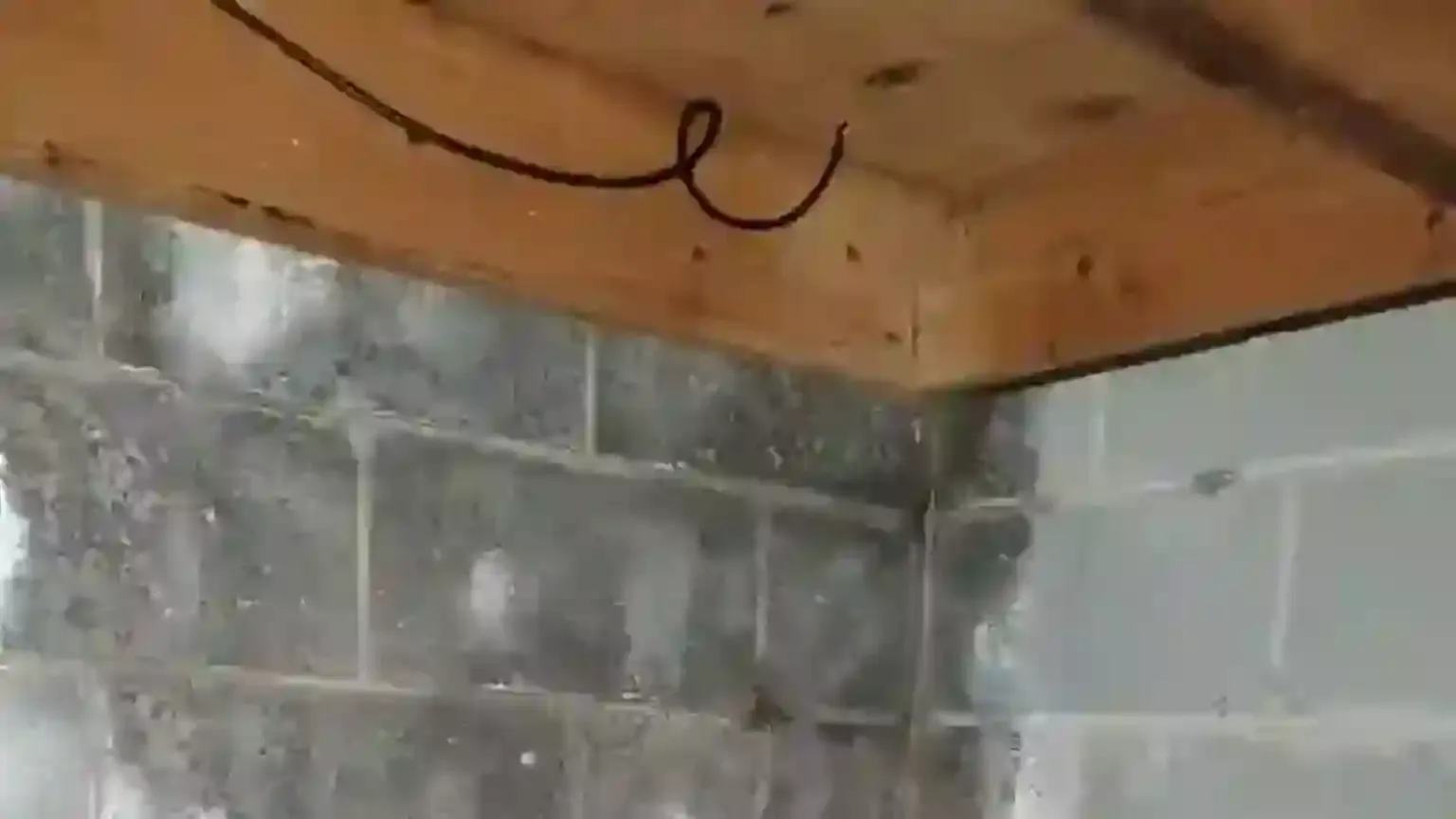
We started outside, because that’s where these usually begin. Two downspouts emptied about a foot from the foundation, and the back grade had crept up until it sloped toward the house. Inside, the block was damp end to end on the uphill wall — not just the corner everyone was staring at. The original footing drain got probed too, and it was silted solid.
So the plan had three parts: move the roof water away, cut the back grade so it drains toward the street side, and set new drainage below the slab along the two wet walls with liner and a sump. Three working days. What she told us later wasn’t about the floor at all — it was that her mother’s room finally smelled like the rest of the house.
Why are we a fit for Lilburn homes?
Because we’ve spent twenty-plus years on exactly this kind of basement, and we don’t sell patches. Every job starts with finding the source, then we explain the plan in plain language before anybody touches a saw. If the honest fix is a downspout extension, we’ll say that too.
We’re also close by — about fifteen minutes up the road in Lawrenceville. Around here word travels fast through families and neighbors, from the streets near Camp Creek Greenway to the older blocks off Rockbridge, and that suits us fine. Reputation is a slower way to grow, but it’s the only one that holds. If your house has a crawl space instead, the right answer is often crawl space encapsulation, and our Norcross best basement waterproofing guide covers similar housing stock next door.
Where we work around Lilburn
We’re based in Lawrenceville and we’re in this part of Gwinnett constantly. That includes Lilburn, Lawrenceville, Snellville, Norcross, Tucker, Stone Mountain, Duluth, Grayson, Loganville and Suwanee. Whether you’re off Killian Hill, near Old Town, or out toward Indian Trail, we know these seventies foundations — and odds are we’ve worked on your street.
Questions Lilburn homeowners ask us
Yes, and you’ll get the terms in writing before the job starts. Coverage depends on the system we install, so we walk you through what’s included and for how long. Ask any company for that on paper, since a spoken promise is hard to hold onto years later.
Usually, yes. We open a working strip along the base of the affected walls and put the finishes back, so the rest of the room stays as it is. It adds a little time compared to an open basement, though far less than most people brace for.
It helps in two ways. A documented, warrantied system removes a question every buyer and inspector asks, and a dry basement counts as real living space instead of storage. For a Lilburn split-level, that second part is often the bigger win.
Often within a few days, and sooner right after a storm. Live support runs seven a.m. to eight p.m., seven days a week, so call whenever it suits your schedule. Both the inspection and the estimate are free.
It depends mostly on how much wall is involved and how hard the work area is to reach. Small exterior corrections sit at the low end, while a full perimeter with a new sump and liner sits at the top. We won’t quote a flat number over the phone, because that number would be a guess you’d end up paying for.
Let’s take a look at your Lilburn basement together
We’ll walk the house with you, show you where water is getting in, and explain the plan in plain language. Free inspection, free estimate, and an honest answer even when it’s the small fix.
(678) 914-5112Serving Lilburn and all of Metro Atlanta · $500 off projects over $3,500 · Live support 7am–8pm, 7 days a week