

Waterproofing Cost in Decatur: A Step-by-Step Breakdown for Old Houses
What the work involves, what moves the number, how long it takes, and where do-it-yourself genuinely runs out of road.
There’s a room down there you stopped using. Maybe it was the workshop, or the spot for holiday bins, or the half-finished den somebody’s grandfather framed out in 1962. Now the door stays shut, and that’s usually the real reason a homeowner starts looking up waterproofing cost Decatur numbers at eleven at night. You’re not chasing a puddle. You’re trying to get a room back.
Good news, plainly said: that room is almost always recoverable. Water in an old basement is a solvable problem, not a verdict on your house. So let’s walk the whole thing — steps, timeline, price drivers, and the honest line where a weekend project stops being enough.
Why do Decatur houses leak in the first place?
Because most of them were built before waterproofing was a trade. A bungalow near the Adair Park area bungalows, or a Tudor over in Winnona Park, went up on stone, brick, or hand-laid block. Nobody rolled a membrane on the outside, because there was no membrane to roll. These houses have stood a hundred years anyway, which tells you something about how they were built — and the fix has to respect that, not fight it.
Then there’s the ground itself. Red clay swells when it takes on water, and swollen clay pushes hard — a basement wall can face thousands of pounds of force. That force has a name, hydrostatic pressure, and it’s strong enough to move water through solid masonry with no crack required. For the plain-science version, the USGS groundwater primer is a genuinely good read.
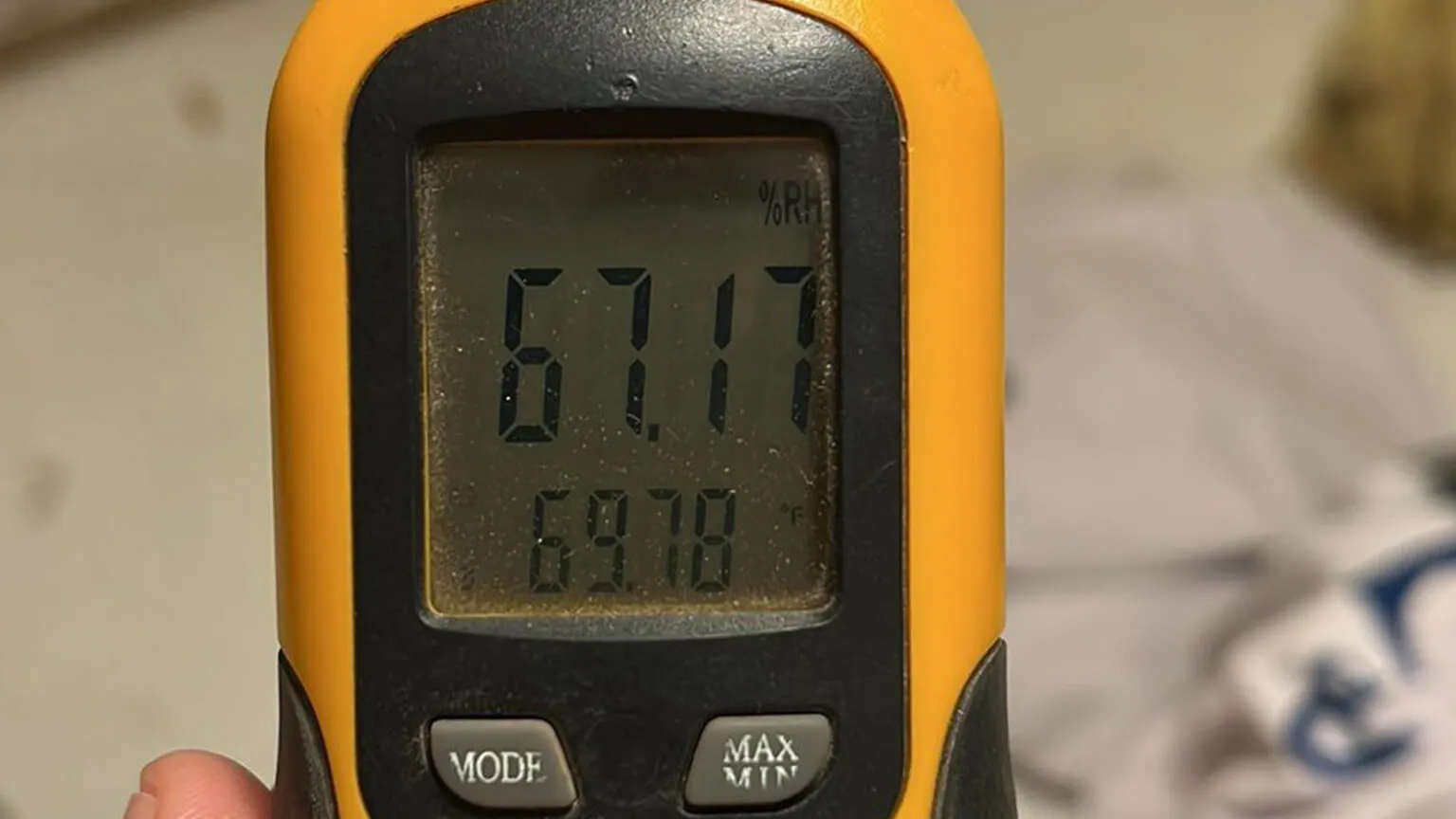
One more thing is nearly universal on century-old lots: the original grading is long gone. A hundred years of added topsoil, beds, raised patios and settled mulch have quietly built the yard up against the house, so water that once ran away now runs toward it. That’s not neglect — that’s just what a century of gardening does.
Worth knowing
Seepage and structural trouble are two different conversations, and plenty of the old foundations we look at are seeping while staying perfectly sound. We’ll tell you which one you’ve got before anybody talks money.
What does the job actually look like?
Every house is a little different, but the sequence rarely changes. Here’s the honest version, start to finish.
- Find the source. We walk the outside first — downspouts, grade, and whether an old clay sewer line is soaking the soil at the footing. Then we come inside. Sometimes the fix lives entirely in the yard, which is a much smaller invoice.
- Read the foundation. Stone and brick get inspected differently than poured concrete. Mortar joints, old parging and dirt-floor sections all change the plan.
- Write the scope. You get the plan on paper: what’s being installed, where, and why.
- Open the perimeter. A narrow strip of slab comes up along the affected walls. It’s loud and dusty for a day, and then it isn’t.
- Set the drainage low. Perforated pipe in clean stone, placed below floor level, so water gets caught before it ever reaches your floor.
- Route it to a sump. The pipe carries water to a basin, and the pump sends it well away from the house — not politely back to the flower bed for a second attempt.
- Close and clean. Fresh concrete, wall liner where it’s called for, dirt floors capped, and our mess in our truck.
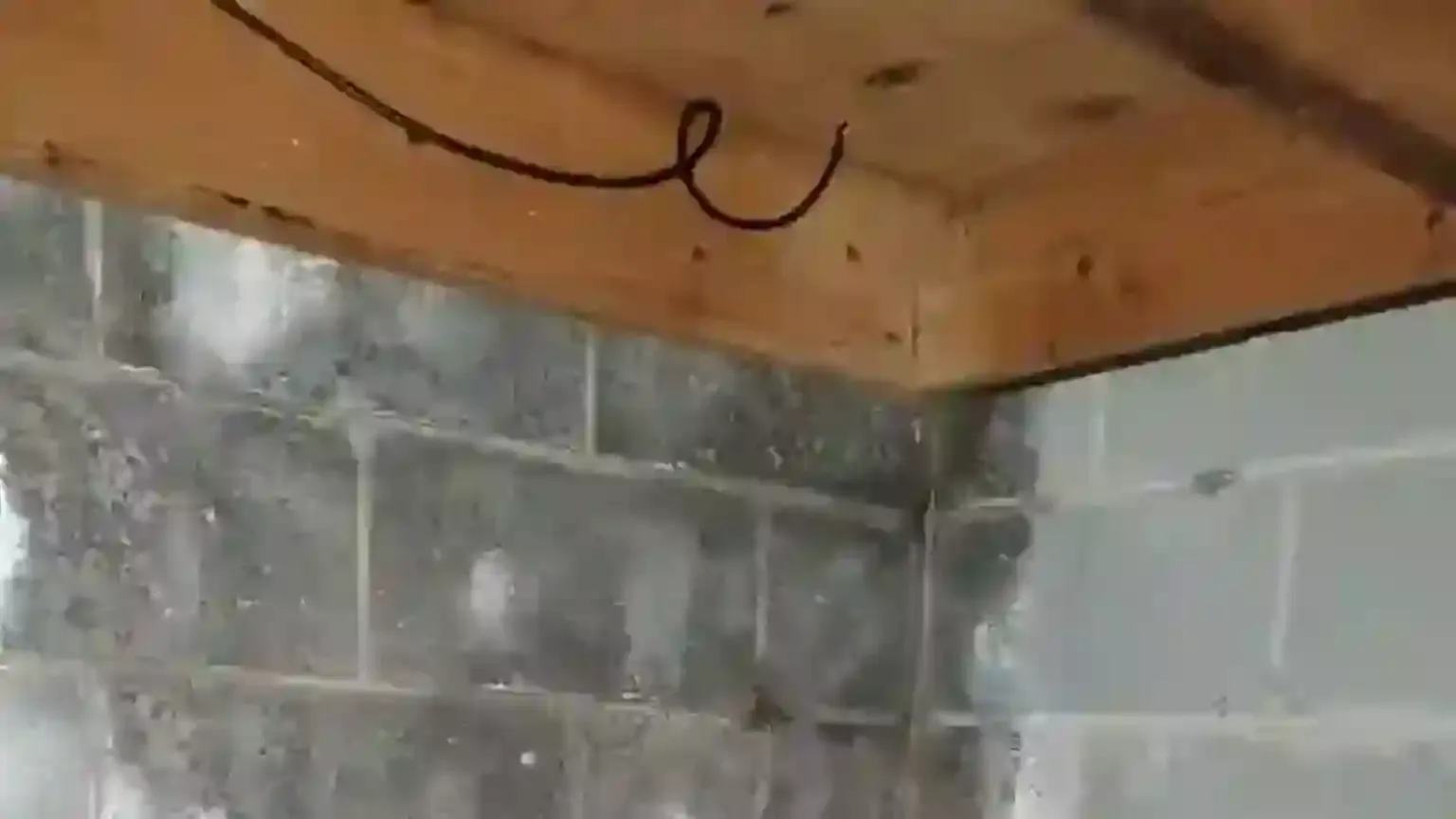
Timeline? Most interior systems in a Decatur house run two to four working days. Add a day for a finished basement, and another when a dirt-floor section needs capping. Exterior work depends on what’s in the way, since a hundred-year-old shade tree gets protected, not removed.
Most advice online stops right here — at the list of steps. That’s the easy half. The hard half is knowing which parts of your old house to leave completely alone.
So what can you honestly do yourself?
Quite a lot, actually, and we’re not going to pretend otherwise. Some of the best outcomes we’ve seen started with a homeowner and a shovel. If you like understanding your house, here’s where your effort genuinely pays.
Real DIY wins
- Extend the downspouts. Six to ten feet out beats a splash block every time. Cheap, fast, and it solves more basements than people expect.
- Cut the grade back. Pull soil and mulch away from the wall so the ground slopes down and away. On old lots this alone can drop the water load a lot.
- Clear the gutters twice each fall. Under that tree canopy, leaf drop is no joke — half the neighborhood’s drains vanish by November.
- Watch and take notes. Which wall gets wet, after which kind of rain, and how fast. That log is worth more to us than any photo.
Now the other side, said with respect. Hydraulic cement in a stone foundation joint is where good intentions go sideways, because old lime mortar is meant to breathe and move a little. Packing a rigid modern patch into it just relocates the pressure to the next weak joint. Waterproof paint has the same trouble — a coating can’t beat pressure. It’s a raincoat on a submarine.
Sub-slab drainage and discharge routing also aren’t really DIY, and not because of the tools. It’s because a system set at the wrong depth looks identical to a correct one until the first hard spring storm. Moisture and air quality are worth reading up on too, and the EPA’s guide to moisture control covers it without selling you anything.

What actually moves the number?
Straight answer: mostly how much wall is involved and how hard it is to reach. Most waterproofing cost Decatur estimates swing on those two things alone. Anyone quoting a flat price over the phone is guessing, so here’s what we actually weigh.
Price drivers, biggest first
- Linear feet. One wall versus a full perimeter is the single largest swing.
- Foundation type. Hand-laid stone takes more care and more hours than poured concrete. That’s real work, not a surcharge.
- Access. Built-ins, a bar, a bathroom, or a narrow exterior side yard all mean careful work before the real work.
- Dirt floor sections. Common in older cellars, and capping them changes both scope and comfort dramatically.
- Sump and discharge. Some homes have a serviceable basin already. Many have none, or one that’s been quietly retiring for fifteen years.
- Outside work. Regrading, drain lines, downspout burial. Sometimes this is the fix, and we’ll happily say so.
Small exterior corrections land at the low end. A full perimeter system with a new sump and a capped cellar floor sits at the top, and most waterproofing cost Decatur jobs land in between. After we walk the house you get a written number with the scope spelled out. If you want to see how the systems compare before you call, our breakdown of waterproofing options lays them side by side, and the basement waterproofing page shows what we install. Curious how pricing shifts one county over? The Lawrenceville waterproofing cost guide covers newer construction.
How should you get ready?
Not much, honestly. Clear about four feet along the walls we’re working on, and pull boxes toward the middle rather than out to the garage. We’ll move the heavy stuff. Plan on flexible parking for a day or two, which anyone who parks near Decatur Square already knows how to do. Pets do better upstairs while the saw runs, and that’s the whole list.
What does life look like afterward?
Here’s the part most articles skip entirely. A price only means something if you know what it buys you over time, so let’s walk the calendar.
Week one. The floor is closed back up and curing, and the sump cycles when it rains — that’s the system working, not a problem. Once the moisture source is cut off, the smell fades fast. By the weekend you’re carrying boxes back down without hesitating.
Year one. You get through a full spring storm season and a fall of heavy leaf drop. Better yet, you stop checking. One homeowner near Glenlake Park told us the strangest part was realizing she hadn’t thought about the basement in months.
Year ten. Stone and pipe below the slab have nothing to wear out, so the drainage keeps working quietly. The pump is the one part with a service life — plan to replace it near the ten-year mark, the same way you plan for a water heater. Meanwhile that room has been a workshop, a guest room, or the place the kids get to be loud for a decade.
How do you know it was done right?
Ask for four things, and any honest contractor will hand them over. First, photos of the stone bed and pipe before the concrete goes back. Second, the discharge point, shown to you on the ground. Third, a written warranty you can read in one sitting. Fourth, a plain explanation of why your walls got the treatment they got.
If your house has a crawl space rather than a full basement — very common on the smaller lots around the Downtown Decatur core — the right answer is often crawl space encapsulation instead. Different system, same goal: dry air, solid house, room you trust again.
Where we work around Decatur
We’re based in Lawrenceville, about thirty-five minutes northeast, and we’re in DeKalb constantly. That includes Decatur, Avondale Estates, Tucker, Brookhaven, Clarkston, Stone Mountain, Scottdale, Chamblee, Doraville and Atlanta. Whether you’re off Church Street or on a quiet side street downtown, we know these foundations — and we’ve probably got a truck nearby already.
Questions Decatur homeowners ask us
The drainage itself is built to last as long as the house, because stone and pipe below the slab have nothing to wear out. The pump is the part with a service life, so plan on a replacement somewhere around ten years. Everything else just keeps working quietly in the background.
Yes, and you get it in writing before the work starts rather than after. Ask us to explain exactly what’s covered and for how long. If a warranty can’t be summed up in a sentence or two, it isn’t doing you much good.
Usually, yes. We open only the bottom section of wall and floor along the affected perimeter, then put it back. Older finished spaces sometimes hide moisture behind paneling, so we check that first — and if we find it, we’ll show you before we touch anything.
A dry, documented basement is a real asset at sale time, especially in a market full of century-old houses where buyers ask hard questions. Transferable warranty paperwork helps a lot. Beyond resale, you also get usable square footage back, which is value you enjoy right now.
Often within a few days, and sooner when a storm has just come through. Live support runs seven a.m. to eight p.m., seven days a week, so you can call whenever it’s convenient. The inspection and the estimate are both free.
Let’s find out what your Decatur basement actually needs
We’ll walk the house with you, show you where water is getting in, and explain the fix in plain language — old foundations included. The inspection is free, the estimate is free, and nobody pressures you at the end of it.
(678) 914-5112Serving Decatur and all of Metro Atlanta · $500 off projects over $3,500 · Live support 7am–8pm, 7 days a week