

The Best Basement Waterproofing Cumming Homeowners Can Hire: How to Tell Who’s Worth It
A friendly guide to comparing companies, reading an estimate, and spending once instead of twice.
“My house isn’t even old.” That’s the sentence, almost word for word, that starts most of our phone calls from this town. Then comes the second half: “so why is there water on my basement floor?” If you’re shopping around for the best basement waterproofing Cumming has to offer, you’re probably asking that same question right now — and the good news is it has a clear, boring, fixable answer.
Nobody expects water in a house that still feels new. But water doesn’t check the build date. So let’s walk through what’s really happening under these homes, and how to compare two estimates without a construction degree.
Why do newer homes here get wet at all?
Short answer: because builder-grade waterproofing has a service life, and a lot of Forsyth County homes are hitting the end of theirs at the same time. Most of the housing stock around here went up between the late 1990s and about 2018. Twenty years is right about when the original exterior coating, the drain tile and the first sump pump all start to get tired together.
That’s not a defect, and nobody cheated you. It’s the water heater conversation. Things wear out on a schedule, and this one wears out underground, where you can’t see it until the floor tells you.

Then there’s the ground itself. Terrain around Cumming swings hard — from Lake Lanier shoreline lots to the slopes near Sawnee Mountain Preserve, grade changes fast. Lots near the lake sometimes sit on a genuinely high water table, so groundwater presses up against the slab from below, not just down from the yard.
Here’s a fact that surprises almost everybody: concrete is porous. Water moves through solid, uncracked concrete by capillary action, the same way a paper towel pulls up a spill. That’s why a wall can be damp without a single visible crack anywhere on it. Your basement isn’t broken — it’s just doing what concrete does when there’s water on the other side.
Good news
A wet basement and a structural problem are two very different conversations. Most of the homes we look at only need the first one. We’ll say plainly which one you’re in, even when the answer is “honestly, not much.”
What should a good company do differently in Cumming?
Here’s the thing about homes in this town specifically: the grading is usually the story. Newer subdivisions get built fast, and the soil pushed back against the foundation — the backfill — is loose. Over ten or fifteen years that loose soil settles. As it settles, the yard quietly tilts back toward the house, and every rain gets funneled straight to your foundation wall.
So a company that knows this area walks the outside first. Every time. On a walkout in the St. Marlo edge neighborhoods, we’re looking at where the downspouts land and whether the patio slab has picked up a slope. Up on the steeper lots near Sawnee Mountain, we’re tracing uphill runoff, because a lot of that water is arriving from somebody else’s yard entirely.
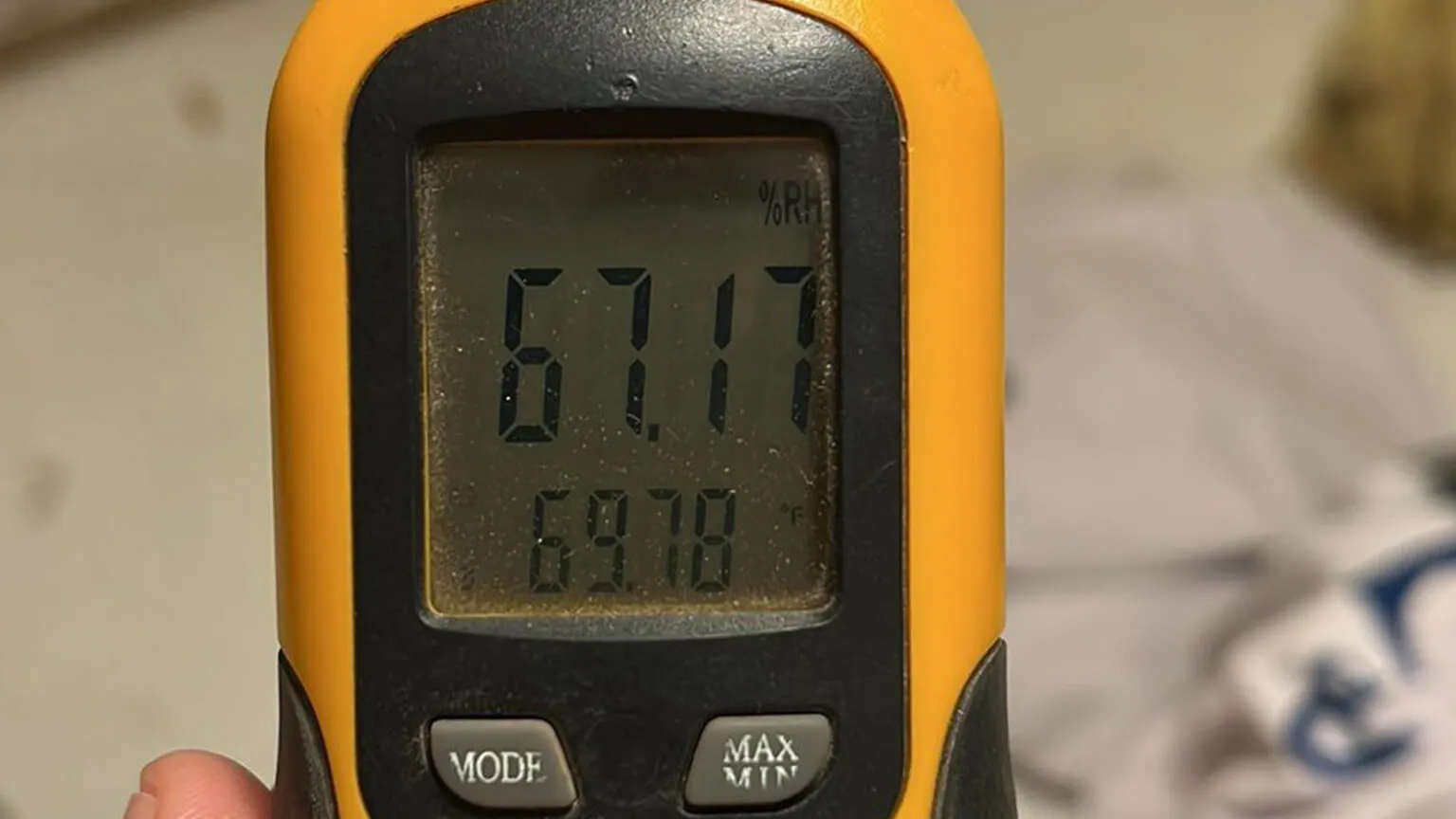
Why does that matter to your wallet? Because roughly a third of the time, the real fix is smaller than the homeowner braced for. We had a homeowner in Hampton Golf Village bracing for a huge number, and the answer was regrading one side of the house and extending two downspouts. Good day for everybody.
A company that skips the outside walk can’t offer you that. They only sell the inside system, so the inside system is what you get. Neither approach is dishonest, but only one is watching your money.
We stopped trying to block water years ago and started trying to route it. Water always wins a blocking fight. It never wins against a better path.
When an interior system truly is the answer, the shape of it is simple. A narrow channel comes up along the wet walls. Perforated pipe goes in clean stone below slab level, so water is collected before it reaches your floor. Everything runs to a sump, and the pump carries it well away from the house. Then fresh concrete, wall liner where needed, and a clean site. Here’s the full breakdown of the waterproofing systems we install.
How do you read an estimate?
Start with one question: does this piece of paper tell me where the water is coming from? A real estimate names the source. A weak one just names a product. If the whole document is a price and a warranty logo, you’re being sold a system rather than a solution.
What a solid estimate spells out
- Linear feet. One wall versus a full perimeter is the biggest cost driver, so it should be written down.
- Depth of the drainage. Below the slab, or sitting on top of it? That difference is everything.
- Sump and pump details. Basin size, pump horsepower, and where the discharge line ends up in your yard.
- Exterior work. Regrading, downspout extensions, window well fixes — cheap items that do heavy lifting.
- Restoration. Who pours the concrete back, who hauls the debris, and how the floor looks on the last day.
- Warranty you can repeat. If you can’t explain the coverage in one sentence, it isn’t doing much.
Two bids can look thousands apart and still both be fair, because they describe different work. That’s why itemizing matters. Once each bid is broken into parts, you can finally compare like for like.
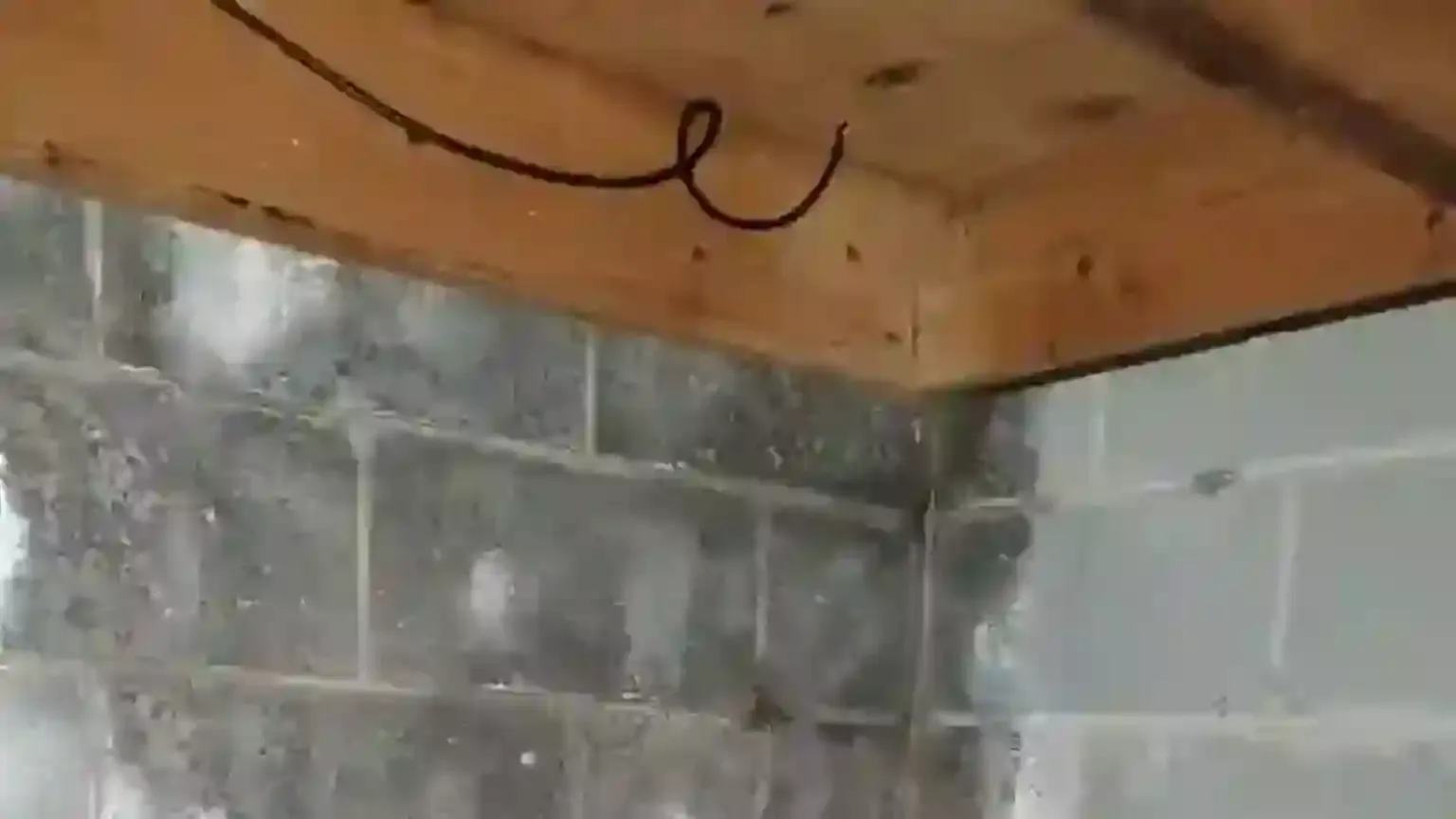
What should you ask, and what should worry you?
Five questions do most of the work here. Ask each company where the water is entering and why. Ask whether the crew is their own or subcontracted. Also ask what happens if it’s still wet next spring, how long the pump is expected to last, and whether the warranty transfers if you sell.
Answers should come fast and plainly. A crew that’s done this a thousand times won’t need to think hard about any of it. Vague answers usually mean somebody in the office wrote the script and the person in your basement is reading it.
Red flags worth slowing down for
- A flat price over the phone. Sight unseen, that’s a guess, and you’d be paying for it.
- Waterproof paint sold as the whole fix. A coating can’t beat pressure. It’s a raincoat on a submarine.
- Discounts that expire tonight. Good work is worth the same price on Thursday.
- No talk of the yard. On these lots, skipping the grading skips half the problem.
- Nobody measured anything. Real quotes come from a tape measure, not a handshake.
Plenty of good crews work this county, by the way. Still, one extra estimate costs a few days and often saves a second project later.
What does any of this have to do with the air upstairs?
More than most people expect. Air in a house doesn’t stay put — it rises. Warm air leaves through the upper floors, and replacement air gets pulled in from the lowest point in the house, which in South Forsyth is almost always the basement. Some of what you breathe in the kitchen started its day down by the slab.
So a damp basement isn’t only a basement issue. Damp air carries that musty smell up the stairs and hands your air conditioner extra work it never signed up for. Which means the fix pays you back in rooms you weren’t even thinking about.
Here’s the part we like. Once water is routed and humidity drops, the smell at the bottom of the stairs simply goes away, and storage becomes storage you trust. If groundwater interests you, the U.S. Geological Survey’s groundwater basics explains the mechanics well, and the National Weather Service office in Peachtree City keeps the rainfall records for our whole region.
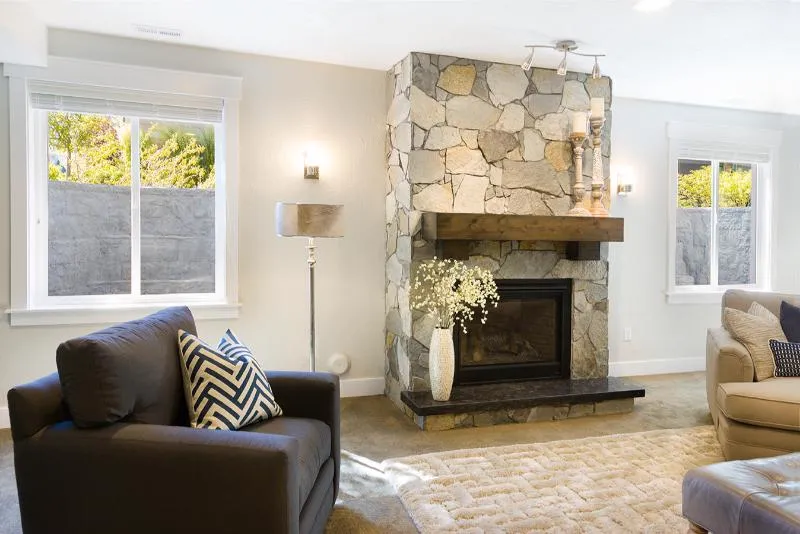
Picture next April. Rain hammers the windows all night, and in the morning you head down for a box without a second thought. No towels, no shop vac, no checking the corner. That’s the real product — a storm you get to ignore.
Why we’re a fit, said plainly
We’ve been keeping Metro Atlanta basements dry for more than twenty years, and Cumming is a regular run for us — about half an hour up from our Lawrenceville shop. We’ve worked the walkouts in Vickery Village, the sloped lots toward Sawnee Mountain Preserve, and plenty of houses on the retail side of town near The Collection at Forsyth. Crews heading up Peachtree Parkway on a Tuesday morning is a normal week around here.
Same crews, same trucks, every time. That matters for one unglamorous reason: a warranty is only as strong as the company standing behind it. If something needs attention in year seven, you’re calling the people who did the work — not a call center three states away.
Still sorting out what you’re looking at? Our overview of basement waterproofing covers the systems and symptoms in more depth, and if your problem is a musty smell rather than standing water, crawl space encapsulation may be the better path. Comparing notes with family inside the perimeter? We cover the same ground for Decatur best basement waterproofing too.
Where we work around Cumming
Cumming and South Forsyth are a short drive for us, so we’re up this way constantly. That includes Alpharetta, Milton, Suwanee and Buford, plus Gainesville, Dawsonville, Johns Creek and Sugar Hill, along with the rest of Forsyth County. Whether you’re out toward Lake Lanier or closer to town, there’s usually a truck of ours nearby already.
Questions Cumming homeowners ask us
It helps in two ways. A dry, documented basement removes a common inspection problem before a buyer ever finds it, and it makes that square footage usable, which buyers in this market genuinely care about. Keep your paperwork and warranty together, because a transferable warranty is an easy thing to hand over at closing.
Usually within a few days, and often sooner in a dry stretch. Spring storms are our busiest season, so scheduling stretches a little then. Our phones are answered by real people from 7 a.m. to 8 p.m., seven days a week, so you won’t be leaving voicemails.
It depends mostly on how much wall is involved and how hard it is to reach. Exterior grading corrections sit at the low end, while a full perimeter system with a new sump and battery backup in a finished basement sits at the top. After we walk the house, you get a written number with the scope spelled out — not a range and not a “starting at.”
Most interior systems run one to three days on site. Smaller drainage and grading work often wraps in a single day. Finished basements take longer, because careful removal and reinstallation happens before and after the real work.
Only the perimeter. We need roughly four feet of clear space along the walls we’re working on, so shelves and boxes slide toward the middle of the room. You don’t have to empty it, and we’ll help with the heavy things.
Let’s find out what’s really happening under your Cumming home
The inspection is free, the estimate is free, and there’s no pressure at the end. We’ll show you where water is getting in, what it would take to stop it, and whether the fix is bigger or smaller than you were expecting.
(678) 914-5112Serving Cumming and all of Metro Atlanta · $500 off projects over $3,500 · Live support 7am–8pm, 7 days a week