

Waterproofing Options in Suwanee: Which One Is Actually Right for Your Home
Interior drainage or exterior waterproofing? Here’s how both really work, what each one costs you, and which one we’d pick for your house.
Have you talked to your neighbors about it yet? Because if you’re weighing waterproofing options Suwanee contractors have pitched you, odds are good the house three doors down is having the exact same week you are. That’s not a coincidence, and it’s not bad luck either.
Suwanee grew up in one fast wave in the late nineties and early two-thousands. Whole streets went in together, with the same builder, the same grading plan and the same waterproofing details. So when those details reach the end of their service life, they reach it together. Good news, though: that also means this is a well-worn problem with two well-understood fixes. Let’s walk through both.
Option A: what does interior drainage actually do?
Here’s the simplest version. Interior drainage systems collect water below the slab and route it to a sump before it ever reaches the floor, instead of trying to block it at the wall. In other words, we stop arguing with the water and start giving it a better exit.
The work happens inside. We open a narrow channel in the slab along the leaking walls, set perforated pipe in clean stone below floor level, tie it to a sump basin, and close the concrete back up. Then the pump carries water well away from the house — not to the flower bed by the foundation, which is basically a round trip.
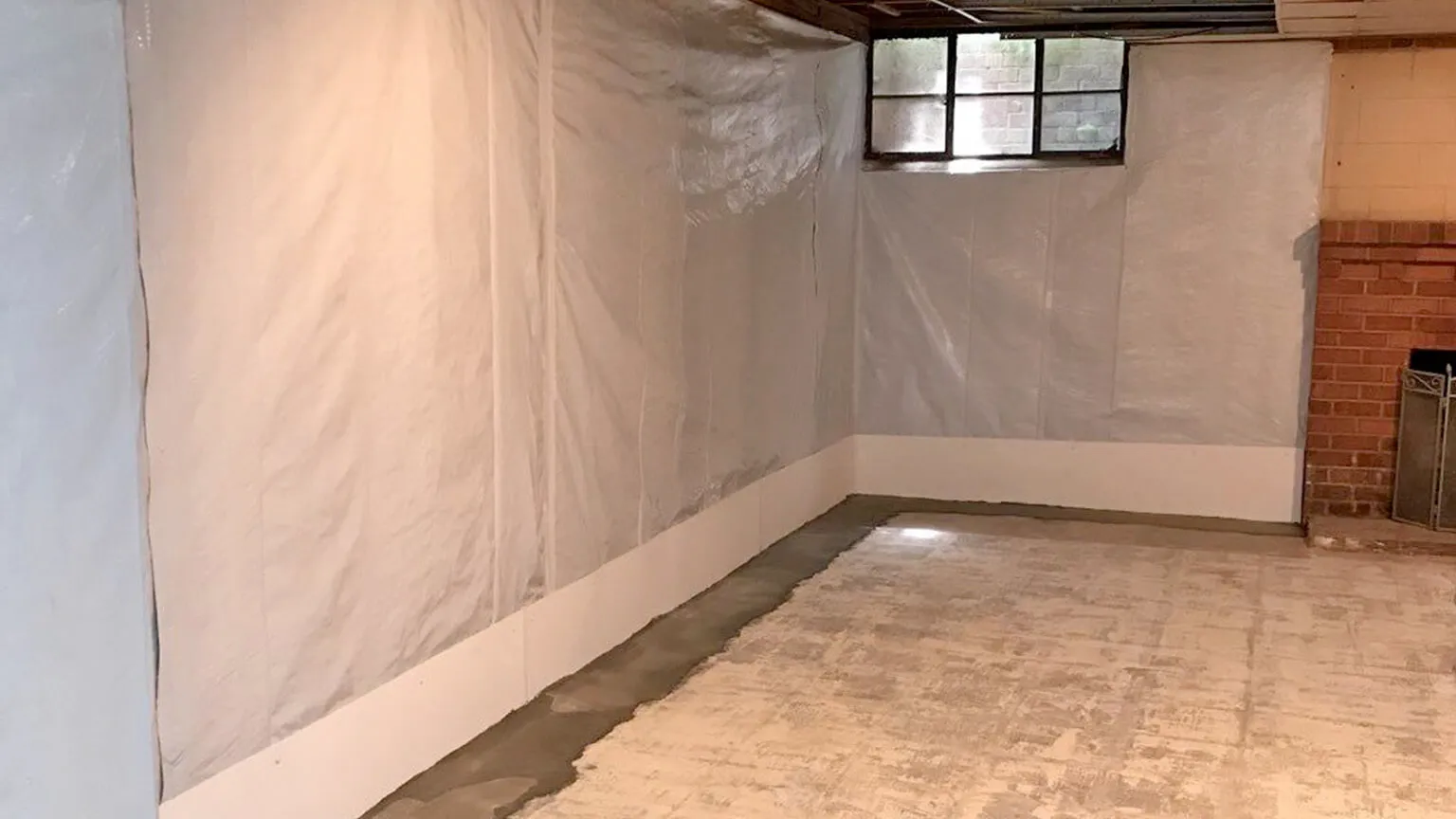
When does it win? Most of the time, honestly. Interior work doesn’t care what’s sitting in your yard, so a patio, a deck or mature landscaping won’t drive the price up. It’s fast, too — plenty of jobs wrap in two or three days.
The trade-off is fair to name. An interior system manages water after it reaches the foundation rather than before, so the wall still gets wet outside. For a basement in good shape that’s fine, because concrete has been getting rained on since concrete existed.
Option B: what does exterior waterproofing involve?
Exterior waterproofing goes after the problem from the yard side. We excavate along the foundation wall, clean it, apply a waterproof membrane, add a drainage board, and set a footing drain in stone at the base. Then it’s backfilled and the grade is rebuilt so it falls away from the house.
It’s the more thorough answer, and we’ll say that plainly. Water never touches the wall, soil pressure drops, and the membrane does its job quietly for decades.
Worth knowing
Exterior work only protects what we can reach. If a deck, a sunroom or a property line sits over the leaking wall, that stretch stays sealed the old way — so partial excavation gives a partial result.
The other trade-off is disruption. Excavation means heavy equipment in the yard, a week or more of open trench, and landscaping that has to come back. So exterior work costs more per foot. It’s not overpriced — it’s simply a bigger job.
Before you call anyone, understand this one distinction
Ready for the thing that saves people the most money? There’s a difference between a water problem and a water-management problem, and almost nobody separates the two before they start collecting quotes.
A water-management problem means the water shouldn’t be there at all. Clogged gutters, downspouts dumping two feet from the wall, or grading that has quietly settled over twenty-five years until it tilts back toward the house. That last one is everywhere here, because settling is slow and nobody notices their own yard changing shape.
A true water problem is different. Groundwater rises seasonally and no amount of gutter work changes it. The U.S. Geological Survey’s groundwater basics explains the mechanics well, and it’s a useful ten minutes.
Why does that matter? Because the two carry different price tags. If your basement only floods during hard rain, that points at surface water — often the cheapest fix in this business. On the other hand, if the floor seeps in February with no storm in sight, we’re talking about a system.
The first question isn’t “which system do I buy.” It’s “where is this water coming from.” Answer that honestly and the right option usually picks itself.
The two waterproofing options Suwanee homeowners compare, side by side
So how do they really compare? Here’s the same two options laid out flat, with nothing sanded off.
Manage the water inside
- Work happens in the basement, not the yard
- Usually two to three days start to finish
- Landscaping, decks and patios stay untouched
- Lower cost per linear foot
- Handles seasonal groundwater very well
- Needs a sump and power, so backup matters
Stop the water outside
- Excavation down to the footing along the wall
- Typically a week or more, weather permitting
- Landscaping and hardscape come out and go back
- Higher cost per linear foot
- Keeps the wall itself dry and lowers soil pressure
- Limited to walls we can physically reach
Notice neither column says “best.” That’s on purpose. A homeowner near Laurel Springs with an open side yard and settled grading is a different case than a walkout in The River Club with a stone patio wrapping the back wall. Same city, same era of house, two different right answers.
What actually decides it on a Suwanee house
Our terrain does a lot of the deciding. Suwanee sits on rolling hills draining toward Suwanee Creek, which is why so many homes here have daylight or walkout basements. Great for natural light — but it also means one wall sits deep while the opposite wall is barely underground.
Then there’s the clay. Piedmont red clay swells when it takes on water and presses against foundation walls with real force. Since clay holds water instead of draining it, basements here stay wet long after the rain stops.

Age matters too. Homes built between 1995 and 2005 are hitting the twenty-to-thirty-year window where the original waterproofing quietly runs out of road. Nobody built it wrong — tar-style coatings simply have a service life, the same way a roof does.
So here’s our real recommendation on waterproofing options Suwanee homeowners are weighing, not a shrug. For most basements here, interior drainage plus outside corrections is the right call: a below-slab system where water enters, a properly sized sump with battery backup, and downspout and grading work so the yard stops feeding the wall.
We’d steer you toward exterior work in three cases. First, when the wall itself needs to be reached anyway. Second, when the leak is above the slab — a walkout threshold or a window well — because a below-slab system can’t catch water entering four feet up. Third, when the landscaping is coming out regardless.
When we’d tell you that you don’t need the bigger option
- It only leaks in heavy rain. That’s surface water. Gutters, extensions and grading come first.
- One corner, one wall. Partial systems are real and they work. You don’t have to buy the full perimeter.
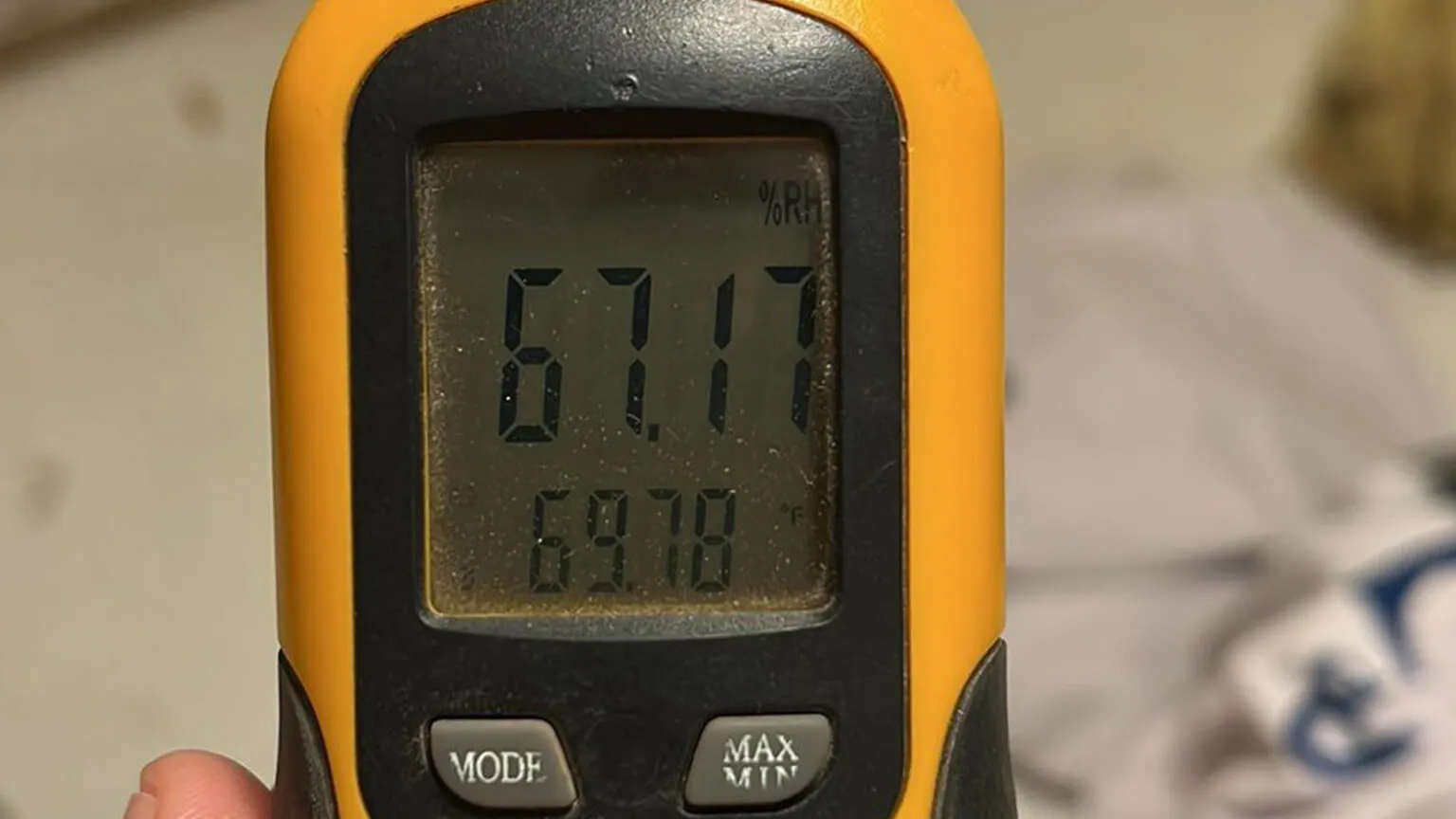
- Humidity, not water. A musty smell with a dry floor is usually an air problem, and a dehumidifier is a lot cheaper than a jackhammer.
- Efflorescence with no puddles. Worth watching — not always worth digging.
The homeowner who was sure they needed the big job
We looked at a walkout off McGinnis Ferry Road last spring where the family had two excavation quotes and had already made peace with losing the back yard for a week. Water came in along the rear wall every storm, so full exterior work seemed obvious.
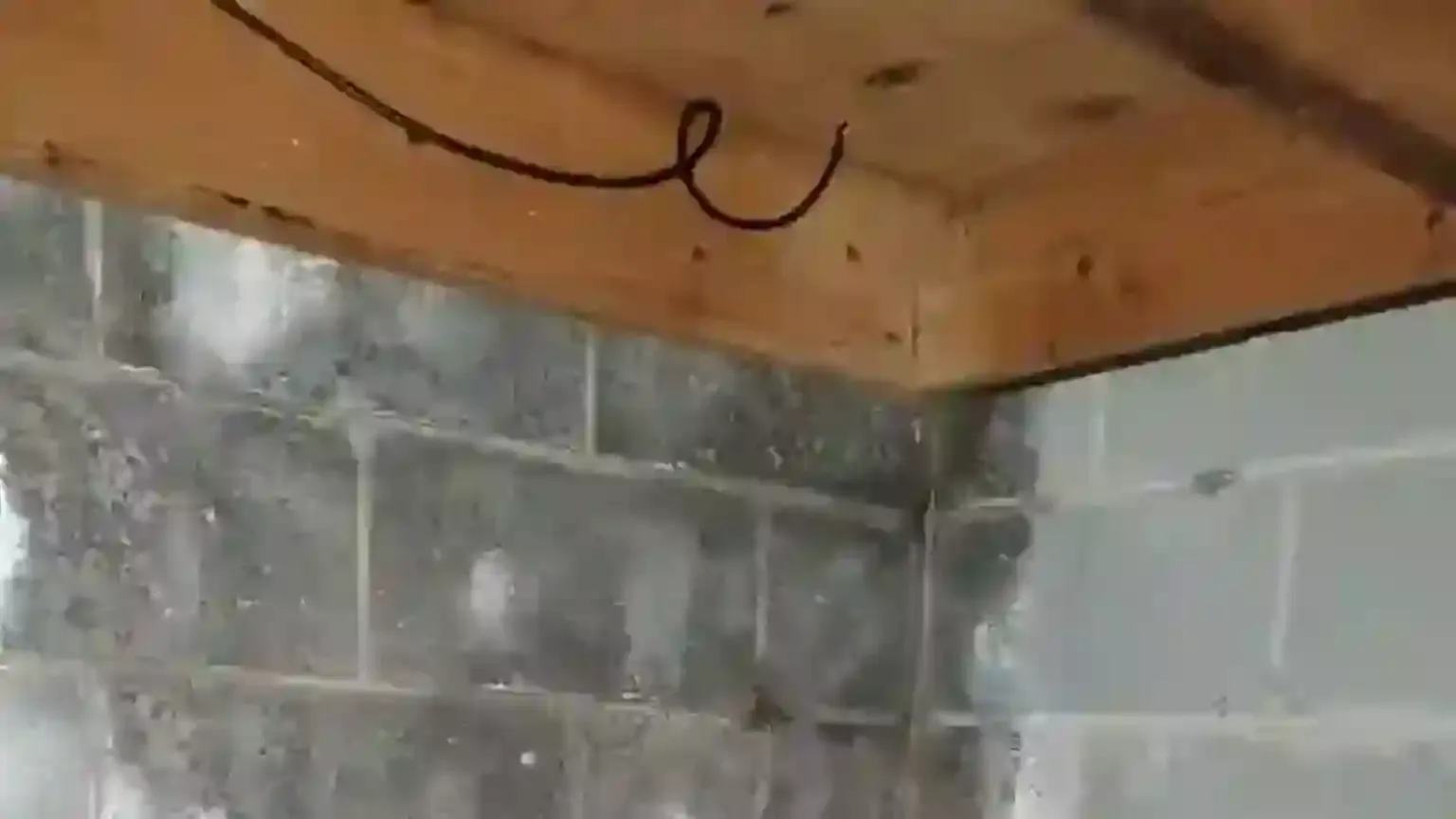
But the wall told a different story. The staining stopped about a foot above the floor, which is backwards for groundwater pushing up from below. Outside, the cause was sitting right there: two downspouts tied into an underground line that had crushed years ago, so every storm pumped roof water into the soil beside that wall. Rebuilding the discharge and correcting about thirty feet of grade fixed it.
We tell that story a lot, because it cuts both ways. Sometimes the honest answer is smaller than the quote you’re holding — and sometimes we’re the ones saying the cheap patch won’t hold. Either way, the real diagnosis comes first.
What it feels like once it’s handled
Picture the next big spring storm. The radar goes green and orange, and you keep watching your show. Nobody heads downstairs with a flashlight at eleven at night.
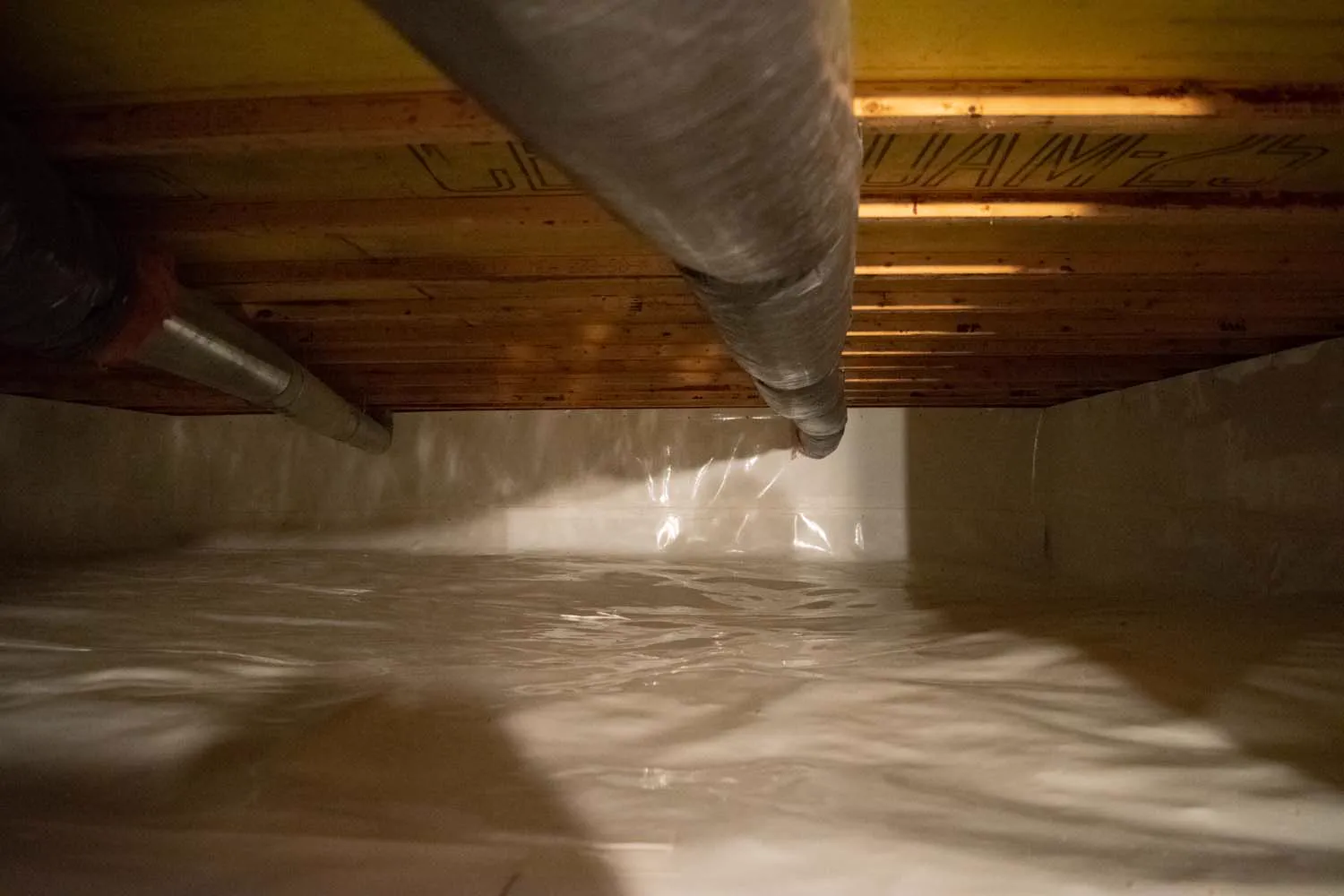
That’s the actual product — not the pipe, not the pump, but the storm you get to ignore. Families here tell us the second win is the space itself: a playroom for the North Gwinnett cluster crowd, a workshop, or storage you trust with the photo albums. So after a Saturday at Suwanee Town Center Park or a loop around Sims Lake Park, you come home to a dry lower level and simply don’t think about it.
Want to compare notes before you decide? Our guide to the best basement waterproofing approaches goes deeper on system design, and you can see the full range of basement waterproofing work we install. Neighbors one county over can read the same breakdown for Peachtree Corners waterproofing options. If your damp space is a crawl space, crawl space encapsulation is the conversation to have instead. For storm timing, the National Weather Service office in Peachtree City covers our area.
Where we work around Suwanee
We’re based in Lawrenceville, about fifteen minutes south, so we’re usually out this way already. Along with Suwanee, we cover Duluth, Buford, Sugar Hill, Johns Creek, Cumming, Lawrenceville, Sunny Hill, Norcross and Dacula, plus the rest of Gwinnett County. From the Olde Atlanta Club side of town to the newer streets near Town Center, we’ve probably worked on a house shaped like yours.
Questions Suwanee homeowners ask us
Most interior systems run two to three days from first cut to final concrete. Exterior excavation takes longer — usually a week or more, and weather can stretch that. We give you a day count in writing before we start, so you’re not guessing.
Just the perimeter. We need roughly four feet of clear space along the walls we’re working on, so shelves and boxes shift toward the middle of the room. The rest can stay put, and our crew helps with the heavy pieces.
Sometimes, but they’re really two jobs. Drainage handles water, while a crack that’s still moving needs its own repair first. Sealing a wall that hasn’t stopped shifting only buys a season, so we check that during the inspection.
It depends on where water enters and what sits on the soil outside. Interior drainage is less disruptive and handles seasonal groundwater well, so it fits most homes here. Exterior work wins when the wall needs attention, when the leak is above floor level, or when landscaping is coming out anyway.
The drainage itself is built to last the life of the house, since stone and pipe below the slab have nothing to wear out. The sump pump is the part with a service life, so plan on a replacement somewhere around the ten-year mark, the same way you’d plan for a water heater.
Not sure which option your Suwanee home needs?
Let’s find out together. The inspection is free, the estimate is free, and there’s no pressure at the end. We’ll show you where water is getting in, walk you through both paths, and say so plainly if the smaller fix is the right one.
(678) 914-5112Serving Suwanee and all of Metro Atlanta · $500 off projects over $3,500 · Live support 7am–8pm, 7 days a week