

Waterproofing Cost in Lilburn: A Step-by-Step Breakdown
What the work involves, what moves the number, and why the cheap patch keeps coming back.
Is a little water down there just normal? That’s the question almost nobody wants to ask out loud, so people type it into a search bar instead, usually right after a storm. If you’ve been wondering the same thing while looking up waterproofing cost Lilburn numbers, here’s the plain answer: damp is common in this town, but it isn’t normal, and you’re not stuck with it.
Good news, said plainly — this is one of the most fixable problems a house can have. So let’s walk through the steps, the timeline, and what really drives the price.
Why does the water show up at all?
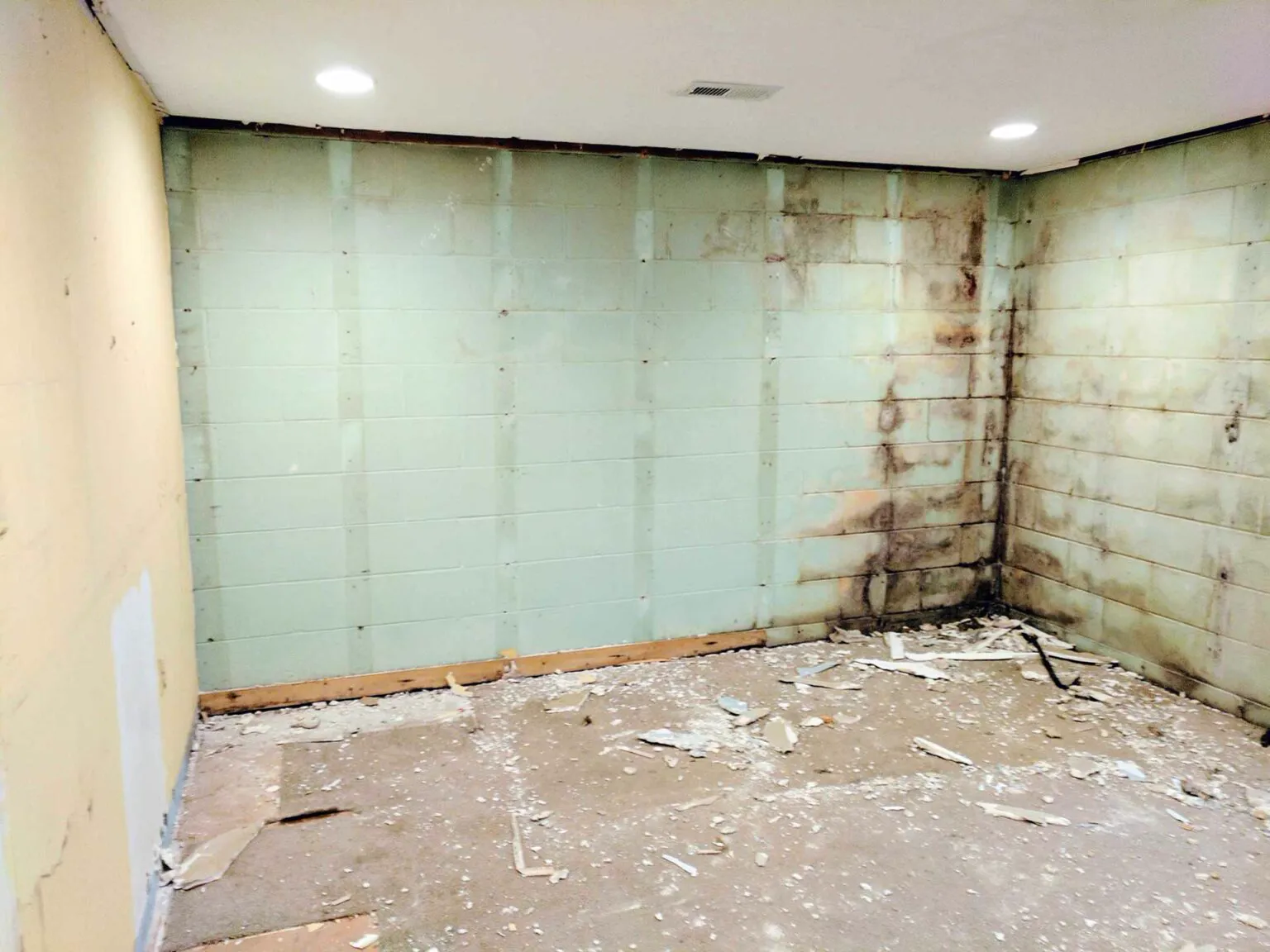
Because the ground around your house holds it. Red clay soaks up rain, swells, and leans on your basement wall with real force. Engineers call that hydrostatic pressure, and it’s strong enough to push moisture through solid block with no crack at all. For the science version, the USGS groundwater primer explains it well and sells you nothing.
Then add the terrain. Lilburn rolls downhill toward the Yellow River, so many lots sit on a slope that funnels rain toward the low corner of the house. Add fifty-year-old hardwoods, whose roots displace walls and crack old drain lines. Your basement isn’t failing. Its original defenses just aged out.
Worth knowing
Seepage and structural movement are two different conversations. Plenty of the block walls we see are letting water through while staying perfectly sound. We’ll tell you which one you have before anyone talks money.
What does the job actually look like?
Every house is a little different, but the order rarely changes.
- Find the source. We walk outside first — downspouts, grade, and yard drains. Sometimes the whole fix lives in the yard, which is a much smaller invoice.
- Read the walls. Block, poured concrete and old parged surfaces each behave differently. Horizontal cracks or any inward bow change the plan.
- Write the scope. You get it on paper: what goes in, where it goes, and why that spot.
- Open the perimeter. A narrow strip of slab comes up along the wet walls. It’s loud and dusty for a day, and then it isn’t.
- Set drainage below the floor. Perforated pipe sits in clean stone under the slab, so water is collected low instead of blocked high.
- Route it to a sump. The pipe carries water to a basin, and the pump sends it well away from the house — not back into the flower bed.
- Close and clean. Fresh concrete, wall liner where it’s called for, and our mess leaves in our truck.
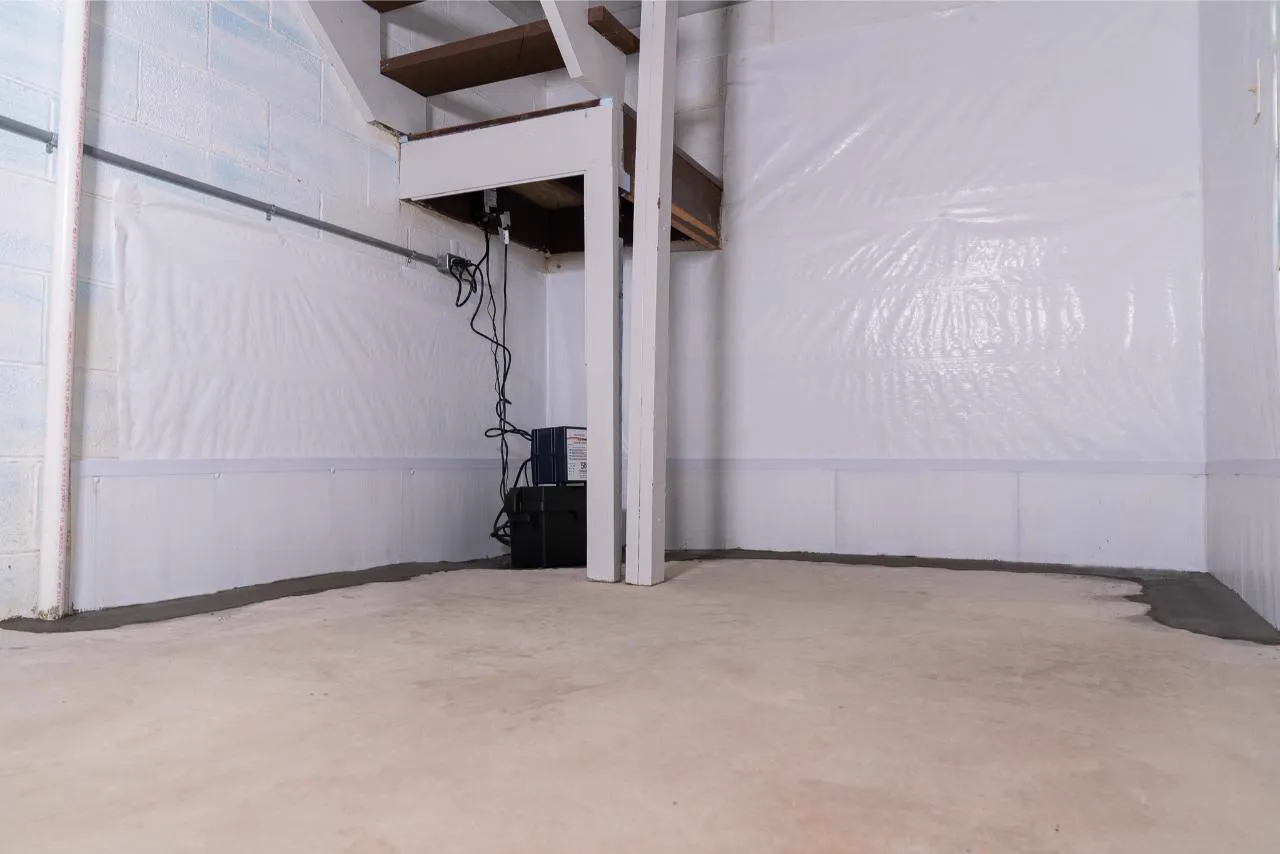
That fifth step is the whole idea. Interior drainage collects water below the slab and routes it to a sump before it ever reaches your floor, instead of holding it back at the wall. Blocking pressure is a losing game. Giving water a better path is not.
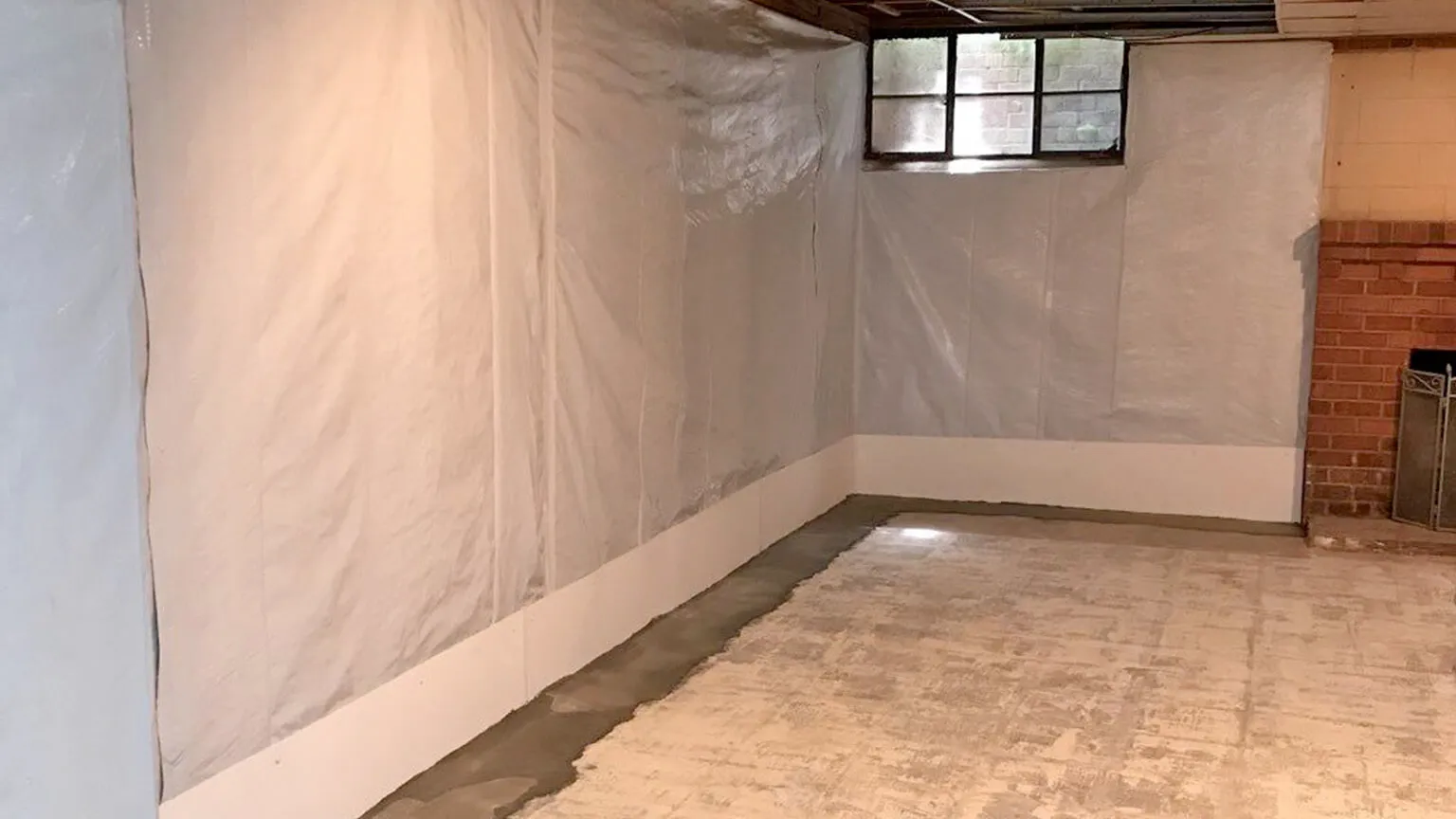
How long does it take? Most interior systems here run two to four working days. Add a day for a finished basement, and another if the discharge line needs a fresh route across the yard.
Here’s the thing about Lilburn houses specifically
Most of this town went up between the seventies and the nineties, back when waterproofing meant a coat of tar on the outside of the block and hoping for the best. Fifty years is a long time to hope. That tar is long gone now, and so is much of what it protected.
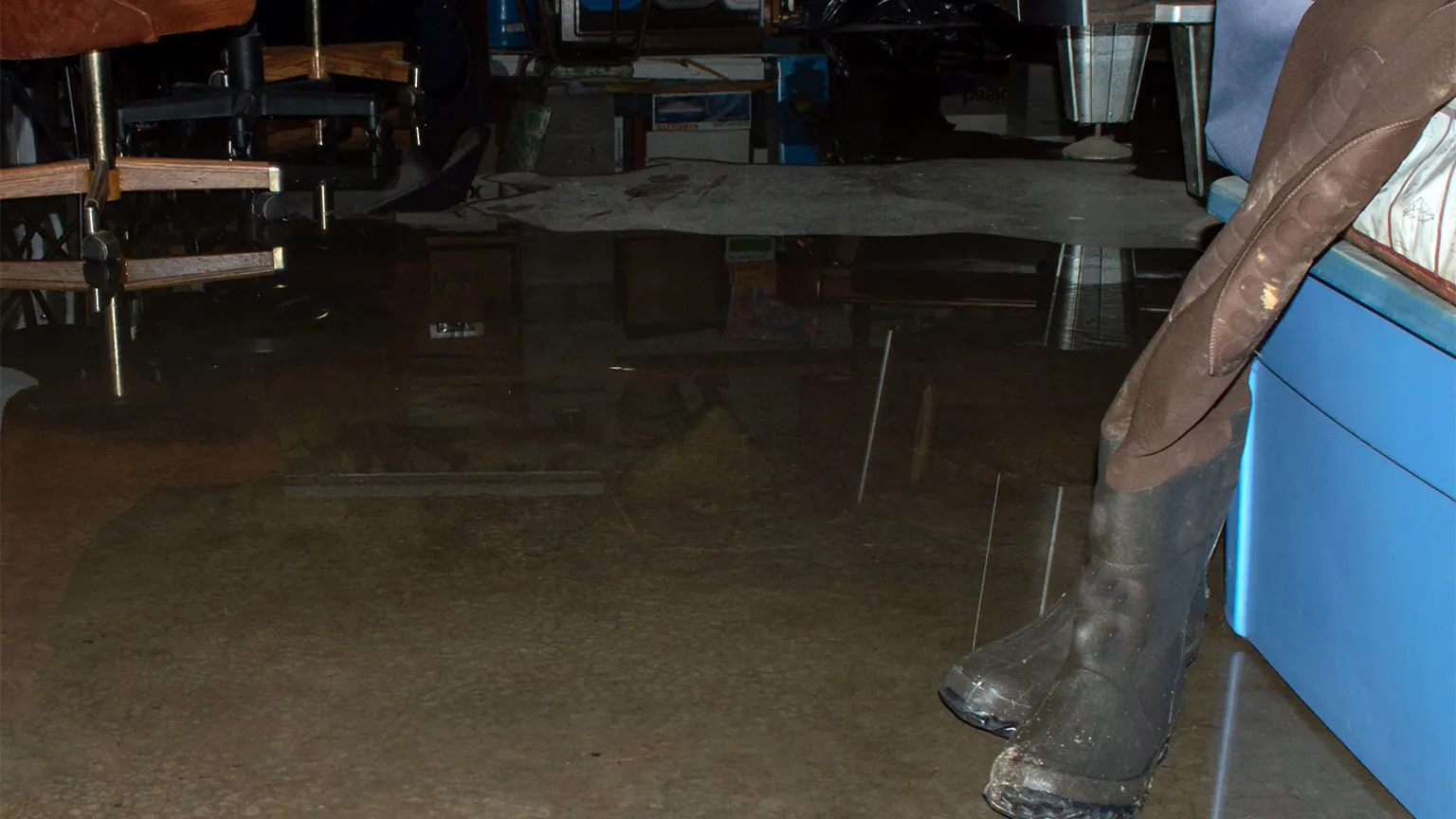
There’s a second piece nobody mentions. The footing drains from that era are often crushed, collapsed, or packed solid with silt. So the water still arrives, but its old escape route quit years ago. In other words, nothing new went wrong — the original system simply finished its life.
We see the pattern all over. A split-level in Hickory Hills with one wall that darkens every spring. Or a ranch in Cedar Creek where the sump was added later and never connected to anything below the slab. A basement in Sweetwater framed into a bedroom before the moisture was ever solved — because here, that lower level is usually real living space.
There’s no shortage of folks around here who will seal a wall for a few hundred dollars. That’s not waterproofing. That’s painting over a question your house keeps asking.
Real talk: patch pricing is tempting because it’s cheap and fast. But a coating can’t beat pressure, so the stain returns a season later and you’ve paid twice. The lasting fix costs more up front, then stops costing you anything.
What actually moves the number?
Straight answer: how much wall is involved, and how hard that wall is to reach. Most waterproofing cost Lilburn estimates swing on those two things before anything else. Anyone quoting a flat price over the phone is guessing, so here’s what we really weigh.
Price drivers, biggest first
- Linear feet. One wet wall versus a full perimeter is the largest swing by far.
- Access. Built-ins, a bathroom, or a tight side yard mean careful work before the real work.
- Wall condition. Sound block is straightforward. Bowing or cracked block needs support added, and that’s a different scope.
- Sump and discharge. Some homes have a usable basin. Many have none, or one quietly retiring since the eighties.
- Root damage. When tree roots have broken old drain lines, replacing that run gets folded in.
- Outside work. Regrading, buried downspouts, yard drains. Sometimes this is the fix, and we’ll gladly say so.
Small exterior corrections land at the low end. A full perimeter system with a new sump, wall support and a long discharge run sits at the top, while most jobs land between. After we walk your house, you get a written number with the scope spelled out. To compare systems first, our guide to waterproofing options puts them side by side, and the basement waterproofing page shows exactly what we install.
So what can you honestly do yourself?
More than you’d think, and we won’t pretend otherwise. Some of the driest basements we’ve seen started with a homeowner and a shovel. Here’s where your effort truly pays off.
Real DIY wins
- Extend the downspouts. Six to ten feet out beats a splash block every time, and it’s cheap.
- Pull the grade back. Move soil and mulch away from the wall so the ground slopes down and away from the house.
- Clear gutters twice each fall. Under that canopy, half the yard ends up on your roof by November.
- Keep a simple log. Which wall gets wet, after which rain, and how fast it dries.
Now the other side, said with respect. Hydraulic cement jammed into a block joint just moves the pressure over, so water reappears three feet away. Waterproof paint has the same trouble, since a coating is a raincoat on a submarine.
Sub-slab drainage and discharge routing aren’t really DIY either, and not because of the tools. It’s because a system set at the wrong depth looks identical to a correct one until the first hard spring storm rolls through. Speaking of which, the National Weather Service office in Peachtree City is the local forecast source worth bookmarking.
How should you get ready?
Not much, honestly. Clear about four feet along the working walls, and slide boxes toward the middle instead of hauling them out. We’ll handle the heavy furniture. Plan on flexible driveway parking, and if you commute along Ronald Reagan Parkway, our early start works in your favor. Pets do better upstairs while the saw runs.
What does life look like afterward?
Here’s the part most articles skip. A price only means something once you know what it buys you over time, so let’s walk the calendar honestly.
Week one. The new concrete cures, and the sump cycles when it rains — that sound is the system working, not a warning. Once the source is cut off, the smell fades fast.
Year one. You get through a full spring storm season plus a fall of heavy leaf drop. Better yet, you stop checking after every rain. A homeowner not far from the Mandir told us the odd part was realizing she hadn’t thought about her basement in months.
Year ten. Stone and pipe below the slab have nothing to wear out, so the drainage keeps doing its quiet job. Plan to replace the pump near the ten-year mark, the way you plan for a water heater. Meanwhile that lower level has been a guest room or an office for a decade.
That’s the real goal. Not a dry floor for its own sake, but a storm rolling in while you keep watching your show.
How do you know it was done right?
Ask for four things, and any honest contractor hands them over. First, photos of the stone bed and pipe before the concrete goes back. Second, the discharge point shown to you outside. Third, a written warranty you can read in one sitting. Fourth, a plain explanation of why your walls got the treatment they got.
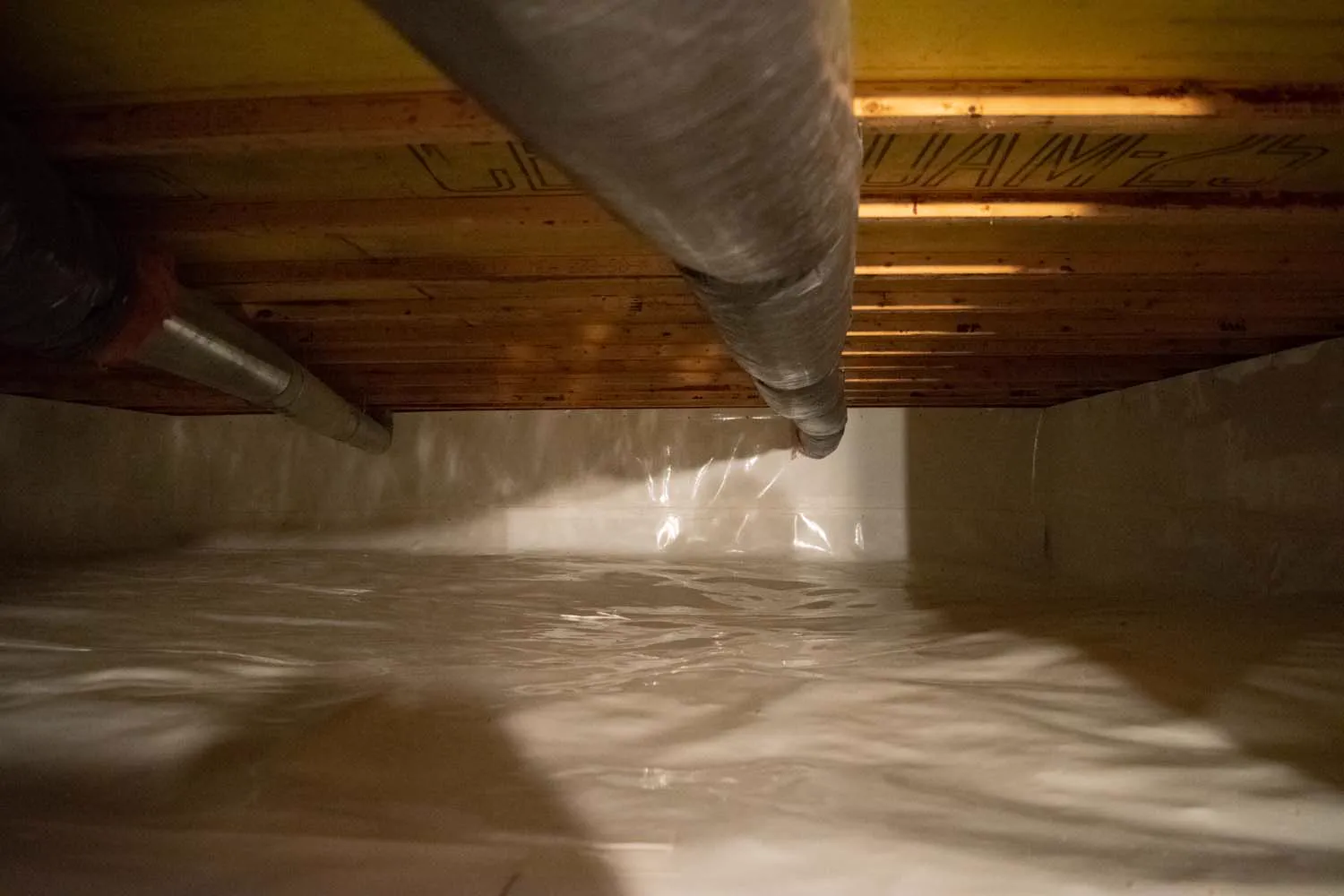
If your house has a crawl space instead of a full basement — common on the older streets near Old Town — the right answer is often crawl space encapsulation. Different system, same goal. Curious how pricing shifts one town over? Our Norcross waterproofing cost guide covers a slightly different mix of homes.
Where we work around Lilburn
We’re based in Lawrenceville, about fifteen minutes northeast, so we’re through this part of Gwinnett constantly. That includes Lilburn, Snellville, Norcross, Tucker, Stone Mountain, Duluth, Grayson, Loganville, Suwanee and Dacula. Whether you’re off Killian Hill or back near Camp Creek, we know these foundations.
Questions Lilburn homeowners ask us
No, and that surprises most people. Clear about four feet along the walls we’re working on and slide the rest toward the middle of the room. We move the heavy furniture ourselves, then cover what stays so it comes through clean.
Sometimes, but they’re two different jobs. A drainage system relieves the water pressure that caused the crack, which stops the problem from growing. If the wall is bowing or moving, it also needs support added, and we’ll show you that on the inspection rather than after the work starts.
It depends on your lot, honestly. Interior drainage works well on older block basements because it collects water below the slab instead of fighting it at the wall. Exterior work makes more sense when grading, downspouts or a broken drain line are the real source, and plenty of homes get a little of both.
The drainage itself is built to last as long as the house, since stone and pipe below the slab have nothing to wear out. The pump is the part with a service life, so plan on a replacement somewhere near ten years. Everything else keeps working quietly in the background.
Yes, and you get it in writing before work begins rather than after. Ask us to explain exactly what’s covered and for how long. If a warranty can’t be summed up in a sentence or two, it isn’t doing you much good.
Let’s find out what your Lilburn basement actually needs
We’ll walk the house with you, show you where water is getting in, and explain the fix in plain language. The inspection is free, the estimate is free, and you’ll know what you’re paying for before anyone picks up a tool.
(678) 914-5112Serving Lilburn and all of Metro Atlanta · $500 off projects over $3,500 · Live support 7am–8pm, 7 days a week