

Waterproofing Cost in Johns Creek: A Step-by-Step Breakdown
Every step of the job, in order — plus what moves the number, how long it takes, and what you can honestly do yourself.
There’s usually a gray smear on the wall before we get there. Somebody already tried — a tube of sealer, a bucket of masonry paint, maybe hydraulic cement pressed into the seam on a Saturday. It held through the dry months, then one long rain undid the whole afternoon. So if you’re pricing out waterproofing cost Johns Creek homeowners actually pay, let’s start with why that patch was never going to hold.
Good news first: you didn’t do it wrong. Sealer closes gaps, and you don’t have a gap problem — you have a water-pressure problem.
Why did the patch fail?
Picture the soil around your foundation after three days of spring rain. Georgia red clay drinks that water and swells, and swollen clay pushes. That force has a name — hydrostatic pressure — and it moves water straight through solid concrete, no crack required. Concrete looks like a wall, but to water it’s a very slow sponge.
So when you seal one spot, water doesn’t give up and go home. It shifts a few feet over and comes in somewhere else. That’s why the stain moves.
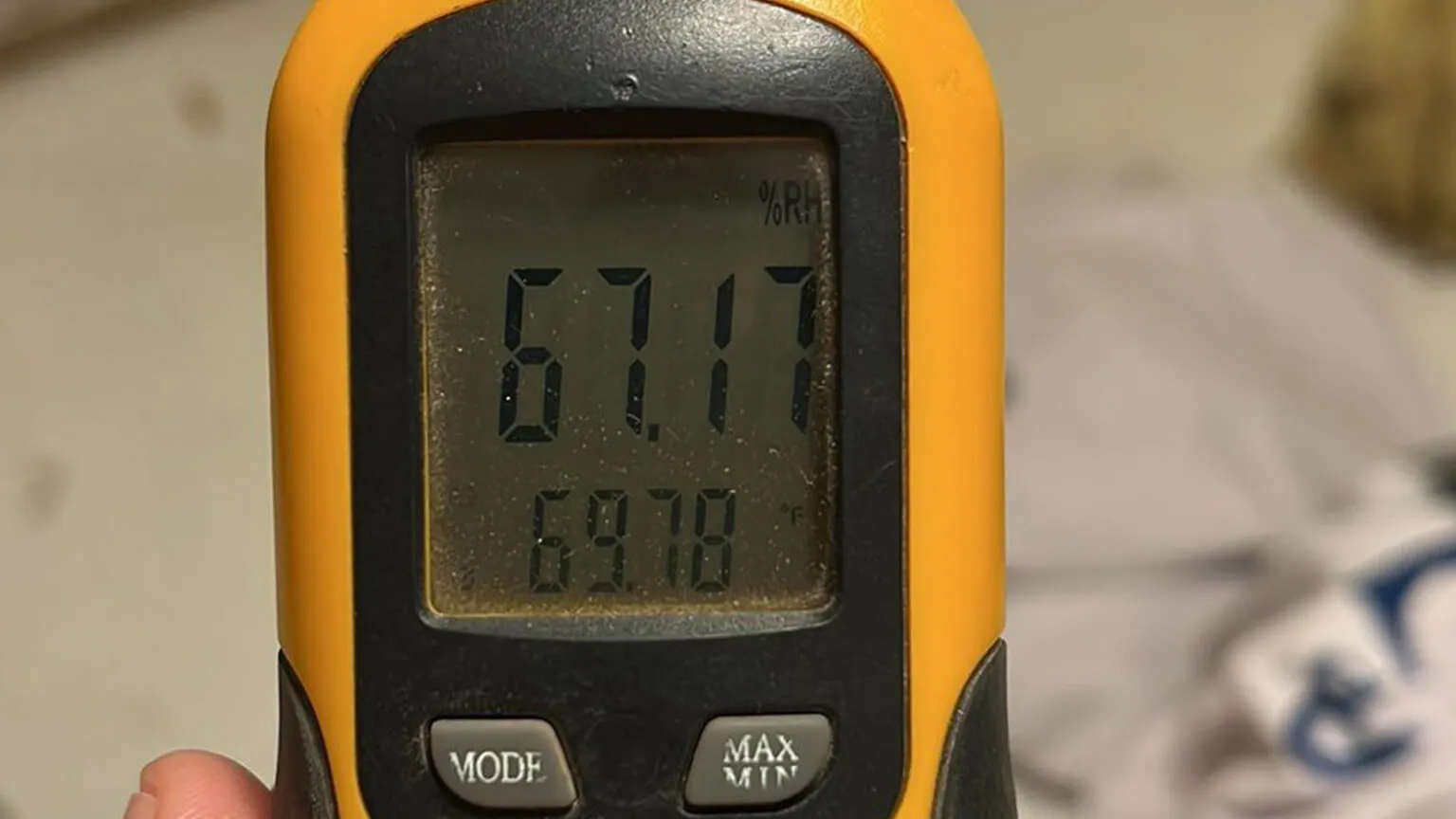
Here’s the piece most homeowners never hear: the fix isn’t blocking water at all. Interior drainage collects water below the slab and routes it to a sump before it ever reaches the floor, instead of fighting it at the wall. In other words, we give water a faster exit — and it takes it.
Worth knowing
A wet basement and a failing foundation are two separate conversations. Most Johns Creek homes we look at only need the first one, and we’ll say so instead of turning a damp corner into a bigger project.
What actually happens, step by step?
Nobody likes surprises when a jackhammer is involved. So here’s the order of operations.
- The inspection. We walk the outside first — grading, downspouts, where the ground slopes — then the inside. It’s free, and it’s where a lot of jobs get smaller.
- The written scope. You get it on paper: linear feet, materials, sump location, discharge point, price. Folks here compare proposals line by line, and honestly, they should.
- Prep day. We move what’s along the walls, lay floor protection, and set up dust containment. Finished basement? Then trim and a strip of drywall come off carefully.
- Opening the channel. A narrow strip of slab comes up along the affected perimeter. This is the loud day, but it’s usually the shortest one.
- Installing the drainage. Perforated pipe goes in clean washed stone, set below floor level. Wall liner sends seepage down into that pipe instead of out onto your floor.
- The sump and discharge. Everything routes to a basin, and the pump sends water well away. Discharging beside the foundation just puts it back in line for another try.
- Closing up. Fresh concrete, cleanup, haul-off. Then we test the system with you standing there.
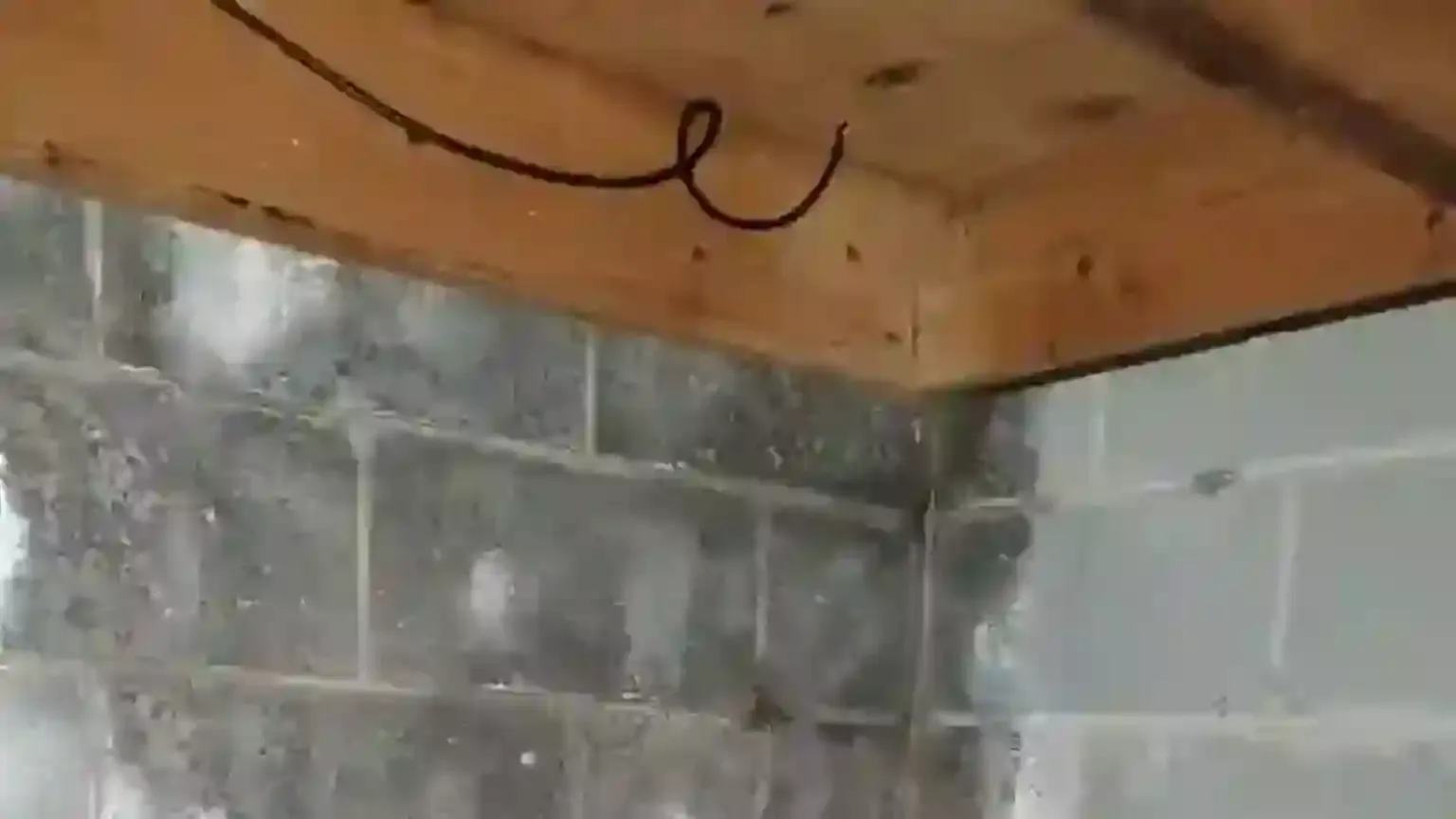
Where the patch and the fix stop looking alike
Ready for the part that decides everything? A patch and a real system differ in where they sit. A patch sits at the wall surface, where water arrives with the most pressure behind it. Real drainage sits under the slab, where it arrives with almost none.
We stopped trying to beat water at the wall a long time ago. Now we just meet it lower, where it’s already tired.
That’s not a slogan, it’s physics, and it’s why one approach carries a warranty and the other carries a receipt. Coatings age and pressure doesn’t, but stone and pipe below a floor has nothing to wear out. If you want the science without a sales pitch, the USGS groundwater basics page is a good neutral read.
This matters more in Johns Creek than in most places nearby. The city went up in one big wave, mostly between the late eighties and the mid-2000s, so a whole city’s worth of original waterproofing is aging out on roughly the same schedule. Homeowners in Wellington call about it. So do folks in Kingsley Estates. Even the newer builds around Bellmoore Park sit on the same red clay, and clay doesn’t care how new your kitchen is.
What moves the number up or down?
Straight answer: nobody can price this over the phone, and anyone who tries is guessing with your money. Still, you deserve to know what sets the waterproofing cost in Johns Creek while we walk your basement.
The six things that set the price
- Linear feet. One wall versus a full perimeter is the biggest factor, by a wide margin.
- Finished or unfinished. Built-ins, a bar and a bathroom mean careful work before the real work starts.
- Sump situation. Some homes have a serviceable basin already. Plenty of 1990s pumps around here don’t.
- What’s happening outside. Sometimes regrading and moving two downspouts handles most of it. That’s a smaller invoice.
- Wall condition. Bowing or active cracking gets addressed first, because waterproofing over a moving wall is money spent twice.
- Backup power. A battery backup costs more, but it runs during the storm that kills your power — which is exactly the storm that fills basements.
Small exterior corrections land at the low end, while a full perimeter system with a new sump and battery backup sits at the top. Most jobs fall between, and you’ll get one written number with the scope spelled out — not a range, not a “starting at.” Comparing across the county line? Our breakdown of Alpharetta waterproofing cost uses the same math, and our page on waterproofing options puts the system types side by side.

How long does it take, and what do you need to do first?
Most interior systems run one to three days on site. A single wall can finish in a day, while full perimeters in finished basements stretch longer. After that, the new concrete wants a few days before you load it up.
Your prep list is short, which surprises people. Clear about four feet along the walls we’re working on, pull fragile things off nearby shelves, and make sure we can reach an exterior door. That’s it — we’ll move the heavy stuff, because nobody should throw out their back to save a truck trip.
One local note: plenty of neighborhoods here have an active HOA, so exterior discharge lines sometimes need a quick approval. We handle that paperwork with you. Timing matters too, since March through May is our busiest stretch and the calendar fills fast once storms roll up McGinnis Ferry Road.
What can you honestly do yourself?
Quite a bit — and we’d rather say so than charge you for a Saturday’s work.
Real DIY wins: extending downspouts six to ten feet out, cleaning gutters twice a year, regrading soil so it falls away from the foundation, clearing window wells, and testing your sump pump with a bucket of water. Those five solve a fair share of minor moisture complaints, and they’re cheap.
What DIY can’t reach: anything below the slab. You can’t set drain tile without opening concrete, and no coating sold in a bucket beats saturated clay. Not because you lack skill — because the water isn’t where the product goes.
What does a damp basement have to do with the air upstairs?
Here’s the part almost nobody connects. Air in a house moves upward — warm air escapes near the roof, which pulls replacement air in from the lowest point. That’s your basement. A share of what you breathe in the bedrooms started its trip down by that damp corner.
So a musty smell at the bottom of the stairs doesn’t stay there. Damp air carries the odor and the humidity with it, and moisture is what lets mold get started. The EPA’s guide to moisture and mold makes the same point plainly: control the water, and you’ve handled the root of it.
Better yet, the fix is the one we’ve already described. Dry the source, and humidity drops on its own — no plug-in gadget required. Same idea applies under a house, so if yours has a dirt floor instead of a slab, crawl encapsulation does that job.

How do you know the job was done right?
Ask for four things and you’ll sort good work from fast work quickly. First, a written scope naming linear feet and the discharge location. Second, a warranty you can actually read. Third, photos of the stone and pipe before the concrete goes back down. Fourth, a live test while you’re standing there.
After that, the proof arrives on its own schedule. The floor stays dry through a hard spring storm, and the dehumidifier you’ve been emptying every other day sits idle. Better yet, the next time the forecast turns ugly, you check the radar out of curiosity instead of dread.
We’ve worked both sides of this city for over twenty years, from the older lots near Shakerag Park to the sloped walkouts toward Ocee Park. That history is why our warranty means something — if a system needs attention in year seven, you’re calling the same local crew. Our full range of basement waterproofing systems is laid out on the service page.
Where we work around Johns Creek
Our shop sits about twenty minutes east in Lawrenceville, so we’re in Johns Creek constantly. We also cover Alpharetta, Duluth, Suwanee, Roswell, Milton, Peachtree Corners, Berkeley Lake, Norcross and the wider Fulton County area. If you’re along the 141 corridor or off State Bridge, odds are we have a truck nearby already.
Questions we get from Johns Creek homeowners
Yes, and you get it in writing before we start, not after. Ask us to read it out loud with you, because a warranty nobody can explain isn’t worth much. Since we’re local, the same company answers the phone in year seven.
Mostly, yes. We remove baseboard and a short strip of drywall along the affected walls, so the rest of the room stays untouched. It adds time, but it’s a long way from a gut job.
It protects value more reliably than it adds it. A documented, warrantied system answers a question buyers and inspectors always ask. Plus, dry space you can use is worth more than damp space you apologize for.
Usually within a few days, and faster if water is actively coming in. Live support runs 7 a.m. to 8 p.m., seven days a week, so evenings work fine. The inspection and estimate are free.
It depends on linear feet, whether the basement is finished, and whether you need a sump. Small exterior corrections sit at the low end, while a full perimeter system with backup power sits at the top. We give one written number after walking the house, never a phone guess.
Let’s find out what your basement actually needs
The inspection is free, the estimate is free, and nobody pressures you at the end. We’ll show you where water is getting in, what it takes to stop it, and what that costs in Johns Creek — even when the answer is simpler than you expected.
(678) 914-5112Serving Johns Creek and all of Metro Atlanta · $500 off projects over $3,500 · Live support 7am–8pm, 7 days a week