

Waterproofing Cost in Dacula: A Step-by-Step Breakdown for Big-Lot Homes
The steps in order, what moves the number, how long it takes, and where do-it-yourself runs out of road.
It rained hard at two in the morning, and you woke up. Not because of the thunder, but because you were already doing the math on the basement before your feet hit the floor. That quiet walk down the stairs with a phone flashlight is usually the exact moment a homeowner starts looking up waterproofing cost Dacula numbers.
Here’s the good part, right up front. Water in a basement is a gravity problem, not a verdict on your house. It has a cause, the cause can be found, and the fix is something we do most weeks of the year. So let’s walk the whole thing in plain language.
Why does water end up down there?
Out toward Dacula the lots get bigger, and so does the amount of water that has to go somewhere when a storm rolls through. On a tight in-town lot that rain hits the street fast. Out here it wanders, pools, and eventually leans on the nearest foundation wall.
Then there’s the dirt. Most of these subdivisions went up on former farmland between 1998 and 2015, and heavy equipment packed that red clay down tight. Compacted clay sheds water instead of soaking it up, so rain slides across the surface hunting for a low spot. Sometimes that’s a swale near Hamilton Mill Road. Other times it’s the back corner of your house.
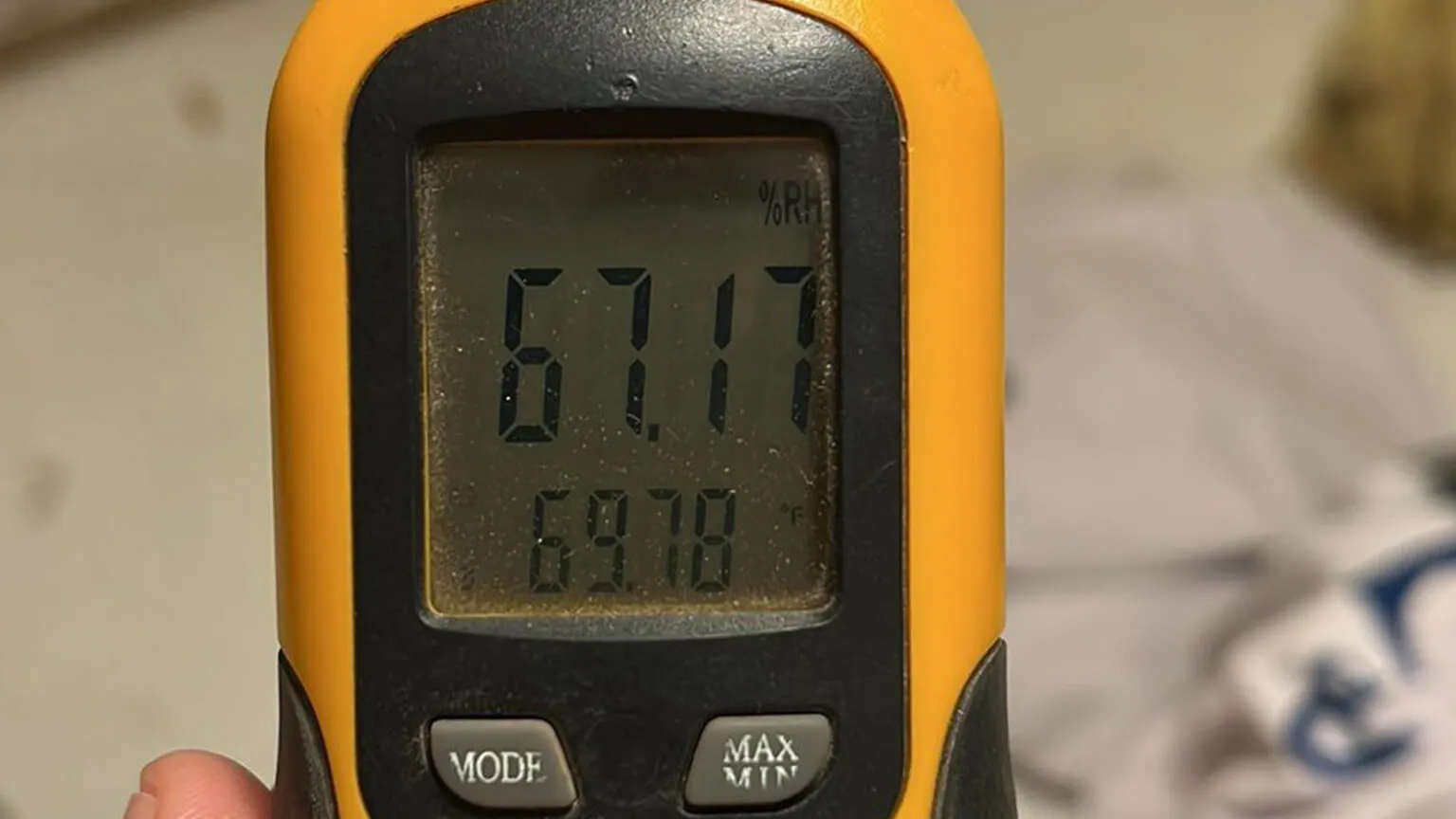
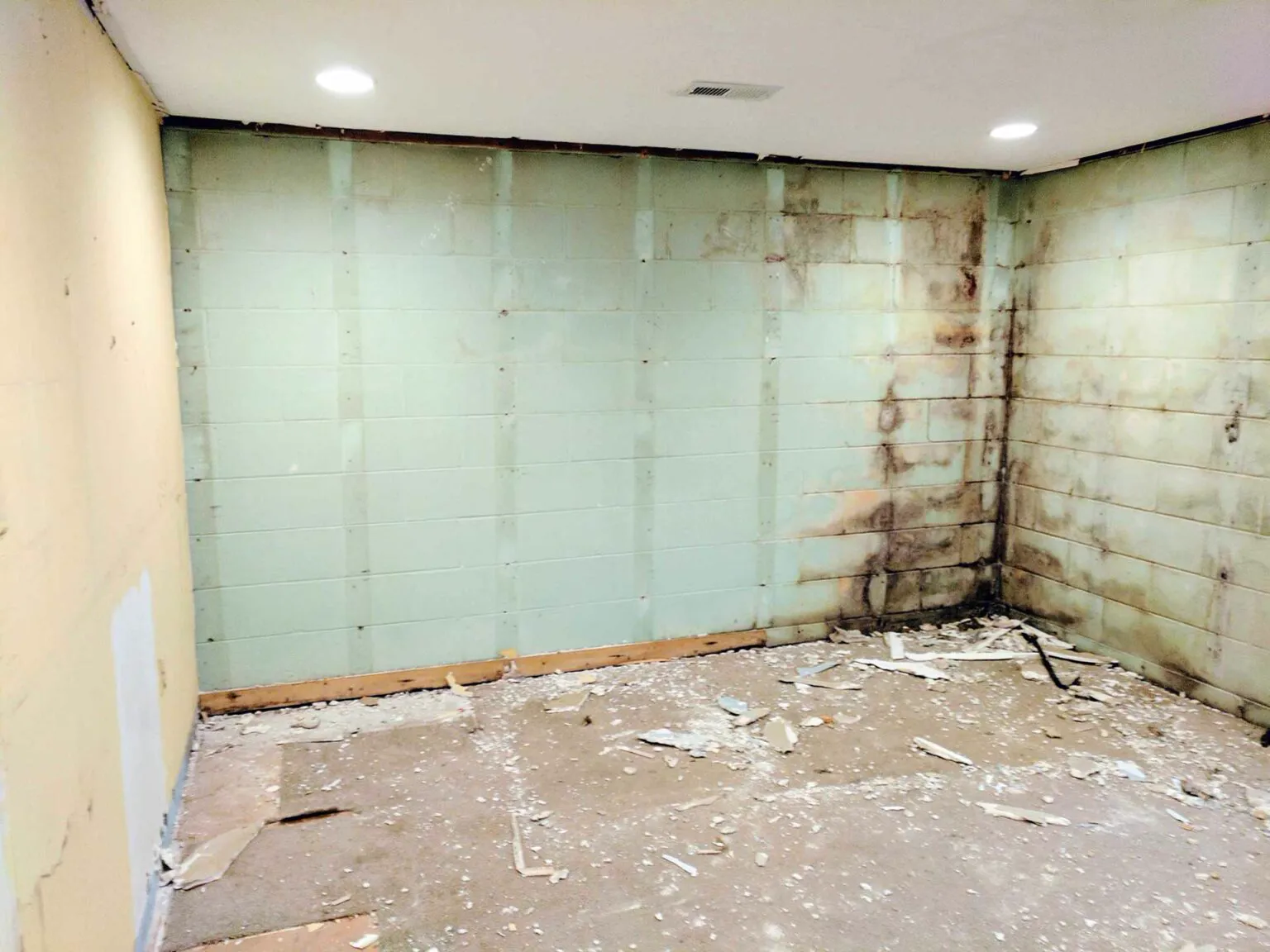
One more thing surprises people, so let’s back up a second. Concrete is porous. Water moves through solid, uncracked concrete by capillary action, which means a wall can be genuinely wet without a single crack in it. That’s why chasing cracks alone rarely settles the issue.
Worth knowing
Seepage and structural movement are two different conversations. Plenty of the foundations we look at around Providence Club let a little water through while staying perfectly sound. We’ll tell you which one you have before anybody talks money.
What does the job actually look like?
Every house is a little different, but the order rarely changes.
- Find the source outside first. Downspouts, grade, swales and the septic field all get checked, because on a big lot the answer is often out there.
- Read the foundation. Stains, efflorescence and moisture readings tell us how water is arriving.
- Write the scope on paper. You get what’s being installed, where, and why — before a tool leaves the truck.
- Open the perimeter. A narrow strip of slab comes up along the walls that need it. It’s loud for a day, then it isn’t.
- Set the drainage low. Perforated pipe in clean stone, placed below floor level, so water gets caught early.
- Route it to a sump. The pump pushes water well away — not politely back to the flower bed for a second try.
- Handle the outside work. Regrading, a buried downspout line, or a drain across the low side of the yard.
- Close up and clean up. Fresh concrete, wall liner where it’s called for, and our mess in our truck.
Timeline, plainly: most interior systems run two to four working days. Add a day when the basement is finished, and another when there’s real grading or drain line work outside. Exterior digging also waits on weather, since nobody does good drainage work in mud.
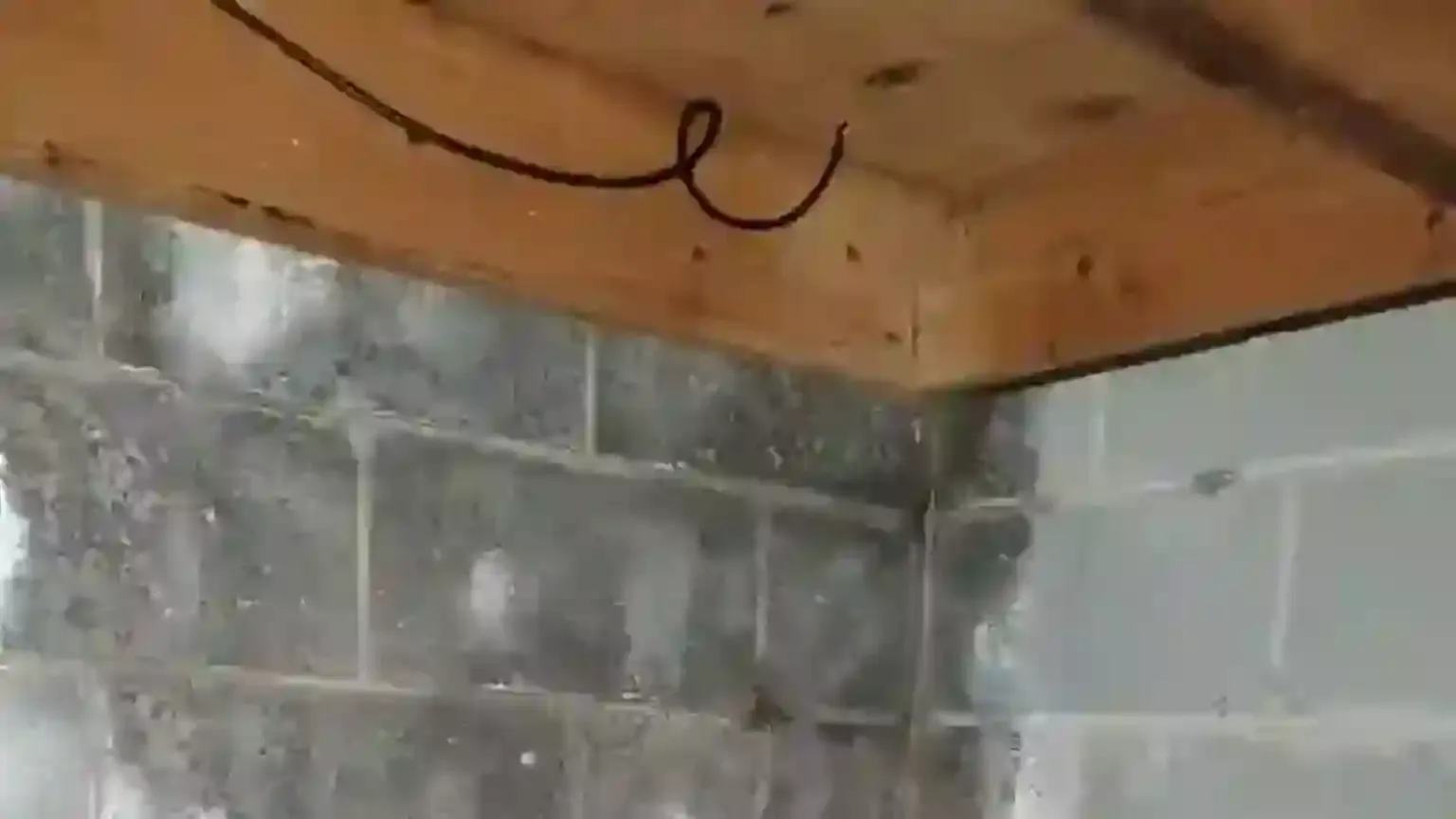
Most articles stop at the list of steps. That’s the easy half. The hard half is knowing which steps your house actually needs.
Is there a cheaper first move?
Often, yes — and this is the step almost nobody realizes they have. Before you price a full system, price a diagnosis. On big Dacula lots, a fair share of the basements we look at get solved outside for a fraction of what an interior system runs.
Think about what sits between the sky and your foundation. A gutter that overflows in one corner. Maybe a downspout dumping four feet from the wall, or a septic field keeping that side of the yard damp for days. Any of those can hand a wall more water than it was built to shrug off.
We had a homeowner near Trophy Club of Apalachee braced for a whole-perimeter quote. Instead, two downspouts got buried and carried downhill, and a shallow swale got cut across the back. That was it, and the basement has stayed dry ever since.
So ask for that first. An inspection that starts in the yard costs nothing, and it either saves you a pile of money or confirms you need the system. Either way, you stop guessing.
What moves the number up or down?
Straight answer: how much wall is involved, how hard it is to reach, and how much of the fix lives outside. Most waterproofing cost Dacula estimates swing on those three things, so here’s what we weigh.
Price drivers, biggest first
- Linear feet. One wall versus a full perimeter is the largest swing, and it isn’t close.
- Exterior grading and drainage. On acre lots this is often a real line item, since cutting a proper path for surface water takes machine time, pipe, stone and haul-off.
- Access. A finished basement with a bar or built-ins means careful work before the real work starts.
- Sump and discharge. Some homes have a serviceable basin already. Many early-2000s builds have one that’s been quietly retiring for years.
- Septic layout. Where the tank and field sit changes where we can dig, and sometimes the whole approach.
- Wall repairs. A bowing wall or an active crack gets handled on its own terms, separate from drainage.
Small exterior corrections land at the low end. A full perimeter system with new sump equipment and serious yard drainage sits at the top, and most jobs land in between. Either way, you get a written number with every piece spelled out.
Want to compare systems first? Our rundown of waterproofing options explains what each one does, and the basement waterproofing page shows what we install. For a look at tighter lots and steeper terrain, the Sugar Hill waterproofing cost guide covers that side of the county.
What should you do yourself?
Quite a lot, actually, and we won’t pretend otherwise. Some of the best outcomes we’ve seen started with a homeowner, a shovel and a Saturday. Here’s where your effort truly pays off.
Real DIY wins
- Extend the downspouts. Ten feet out beats a splash block every time, and it solves more basements than people expect.
- Pull the grade back. Move soil and mulch off the wall so the ground slopes away. Six inches of drop over the first ten feet is the target.
- Clean the gutters twice each fall. With mature hardwoods on these lots, leaf drop is no joke. Your basement shouldn’t have to compete with a clogged gutter.
- Keep a rain log. Note which wall gets wet, after what kind of storm, and how fast. That log is worth more to us than any photo.
Now the other side, said with respect. Waterproof paint can’t beat pressure — it’s a raincoat on a submarine. Hydraulic cement plugs hit the same wall, because sealing one path just sends water to the next one over. Neither product is a scam. They simply solve a surface problem when yours is a volume problem.
Sub-slab drainage isn’t really DIY either, and not because of the tools. It’s because a system set at the wrong depth looks identical to a correct one until the first hard spring storm. Speaking of which, the National Weather Service office in Peachtree City tracks what our storm seasons deliver.
Preparing for the crew is easy, thankfully. Clear about four feet along the working walls and slide boxes toward the middle. We’ll move the heavy things, pets do better upstairs while the saw runs, and that’s the whole list.
What does this have to do with the rest of the house?
More than most homeowners expect. Air in a house doesn’t sit still. Warm air rises and escapes through the attic, which pulls replacement air up from the lowest level — so a good share of what you breathe upstairs started in the basement.
That means a damp basement isn’t only a basement issue. Musty smell in the hallway, upholstery that never quite dries, allergies that flare in one house and not another — those often trace back downstairs. The EPA’s guide to moisture control explains it clearly.
Better yet, the fix is the same fix. Cut off the water, dry the space, and the air follows within days. Homeowners tell us the smell goes first, usually before the concrete has finished curing.
How do you know it was done right?
Ask for four things, and any honest contractor will hand them over. First, photos of the stone bed and pipe before the concrete goes back. Second, the discharge point shown to you on the ground, well away from the house. Third, a written warranty you can read in one sitting. Fourth, a plain explanation of why your house got the plan it got.
Now picture next spring. A storm rolls through overnight, the pump cycles twice, and you sleep through it. The floor is dry in the morning, and the basement is just a room again — the workshop, the gym, the place the kids get loud.
If your place sits on the rural fringe with a crawl space instead of a basement — common on the older properties out past Little Mulberry Park — the answer is usually crawl space encapsulation. Different system, same goal: dry air and a house you trust.
Where we work around Dacula
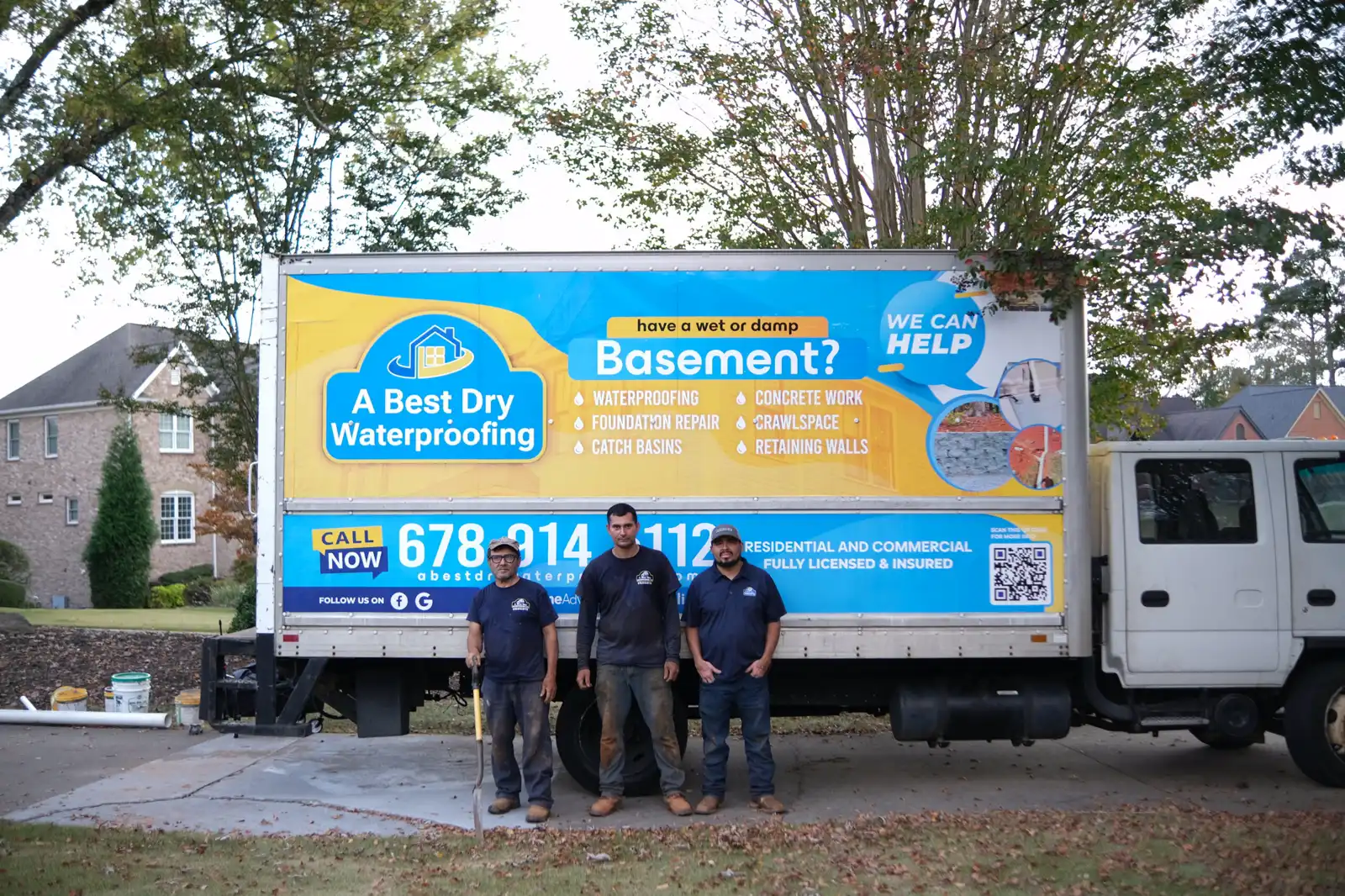
We’re based in Lawrenceville, about twelve minutes west, so we’re out this way constantly. That includes Dacula, Lawrenceville, Grayson, Buford, Auburn, Winder, Braselton, Snellville, Sugar Hill, Suwanee and the wider Gwinnett area. Whether you’re in a Hamilton Mill subdivision or on an acre near Dacula Park, we know how water moves on these lots.
Questions Dacula homeowners ask us
It depends mostly on how much wall is involved and how much of the fix happens outside. A grading and downspout correction sits at the low end, while a full perimeter system with new sump equipment sits at the top. We won’t quote over the phone, because that would be a guess — and the inspection and written estimate are both free.
Most interior systems take two to four working days. Add a day for a finished basement, and another when there’s real grading or drain work outside. We’ll hand you the schedule with the estimate.
No, just clear about four feet along the walls we’re working on. Boxes can slide to the middle of the room instead of going to the garage. We move the heavy items and cover what stays.
Drainage handles the water, but a crack gets addressed on its own terms. Some cracks are simple shrinkage and only need sealing, while others point to soil pressure worth a closer look. We’ll show you which kind you have during the inspection.
Whichever one matches how water is actually reaching your foundation. On big Dacula lots, surface runoff is often the culprit, so exterior grading does the heavy lifting. When water comes up under the slab, interior drainage is the reliable answer — and sometimes the right plan uses both.
Let’s find out what your Dacula basement actually needs
We’ll walk the yard and the house with you, show you where water is getting in, and explain the fix in plain language. The inspection is free, the estimate is free, and nobody pressures you at the end.
(678) 914-5112Serving Dacula and all of Metro Atlanta · $500 off projects over $3,500 · Live support 7am–8pm, 7 days a week