

Crawl Encapsulation in Peachtree Corners: What It Costs and What You Get
You’ve decided to hire somebody. Here’s what the work involves, what moves the price, what the warranty covers, and how to spot a real diagnosis.
It’s two in the morning, rain is hammering the roof, and you’re wide awake thinking about what’s under the floor. That’s the moment most folks start looking into crawl encapsulation Peachtree Corners homeowners keep asking us about. Good news right up front: this is an ordinary, well-understood job, not an emergency. Below is what you’re buying, what moves the number, and what you actually get in writing.
Also worth saying early — nobody has ever crawled under a house and called it lovely down there. So we’ll keep this plain, because you shouldn’t need a trade license to read a quote.
What is it, in plain words?
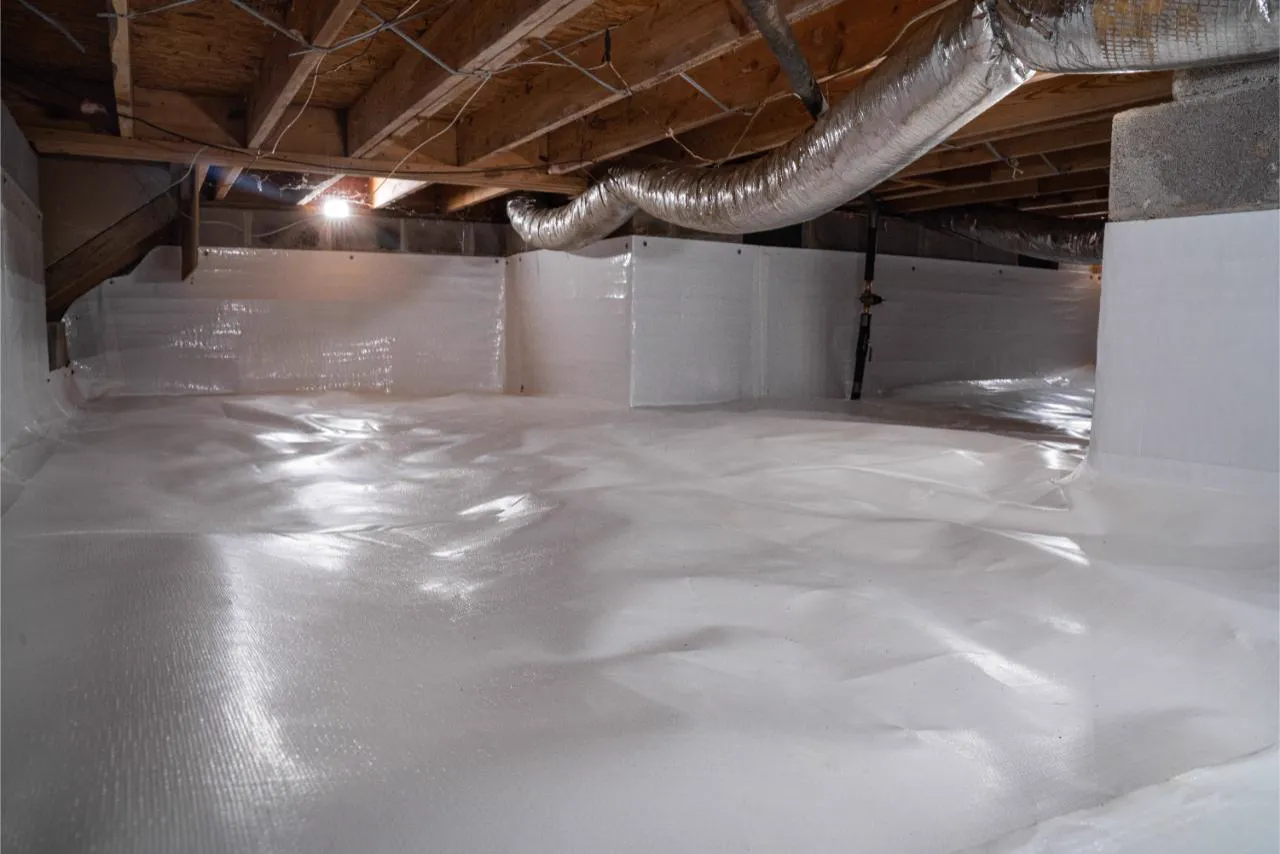
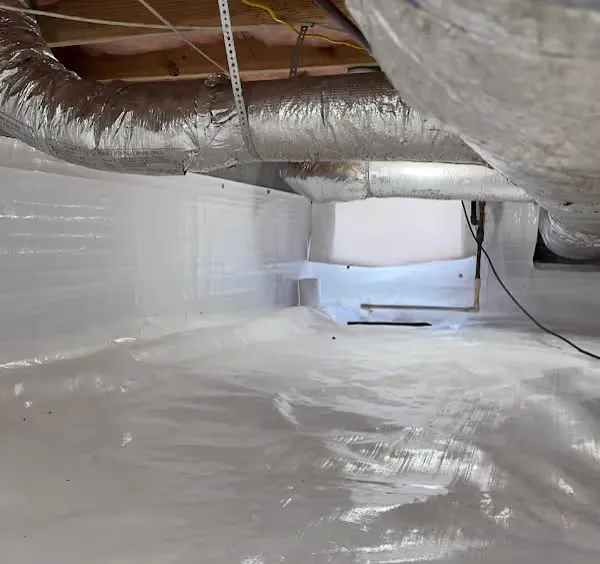
Encapsulation means sealing your crawl space so the ground stops feeding it moisture. A heavy reinforced liner goes down over the dirt, then runs up the block walls and around every pier, and gets fastened and sealed at the top edge. After that, the vents get closed, and a dehumidifier usually joins the party to hold the space steady year-round.
Here’s the part that surprises people. Air in a house moves upward, like smoke in a chimney — builders call it the stack effect. Which means crawl space air doesn’t stay in the crawl space. It rises through your floors and becomes the air in your kitchen, so a damp crawl space is really a whole-house comfort issue wearing a disguise.
So the goal isn’t just a tidy floor. The goal is dry, stable air under the house, because dry wood doesn’t rot and dry air doesn’t smell like a basement in a rented cabin. The U.S. Department of Energy’s guide to insulation and moisture control explains the same idea without anybody trying to sell you a system.
What does a real job look like?
Day zero is the free inspection, and it starts outside. Gutters, downspouts, and the slope of the yard cause a surprising share of wet crawl spaces, so we look there first. Sometimes that trip alone shrinks the job considerably, and we’d rather tell you that than sell you more.
Then we go under. We’re reading moisture in the framing, checking the piers, looking at the old vapor barrier if there is one, and finding out whether water is standing or just arriving as humidity. After that you get a written scope: what goes where, and why each piece is on the list.
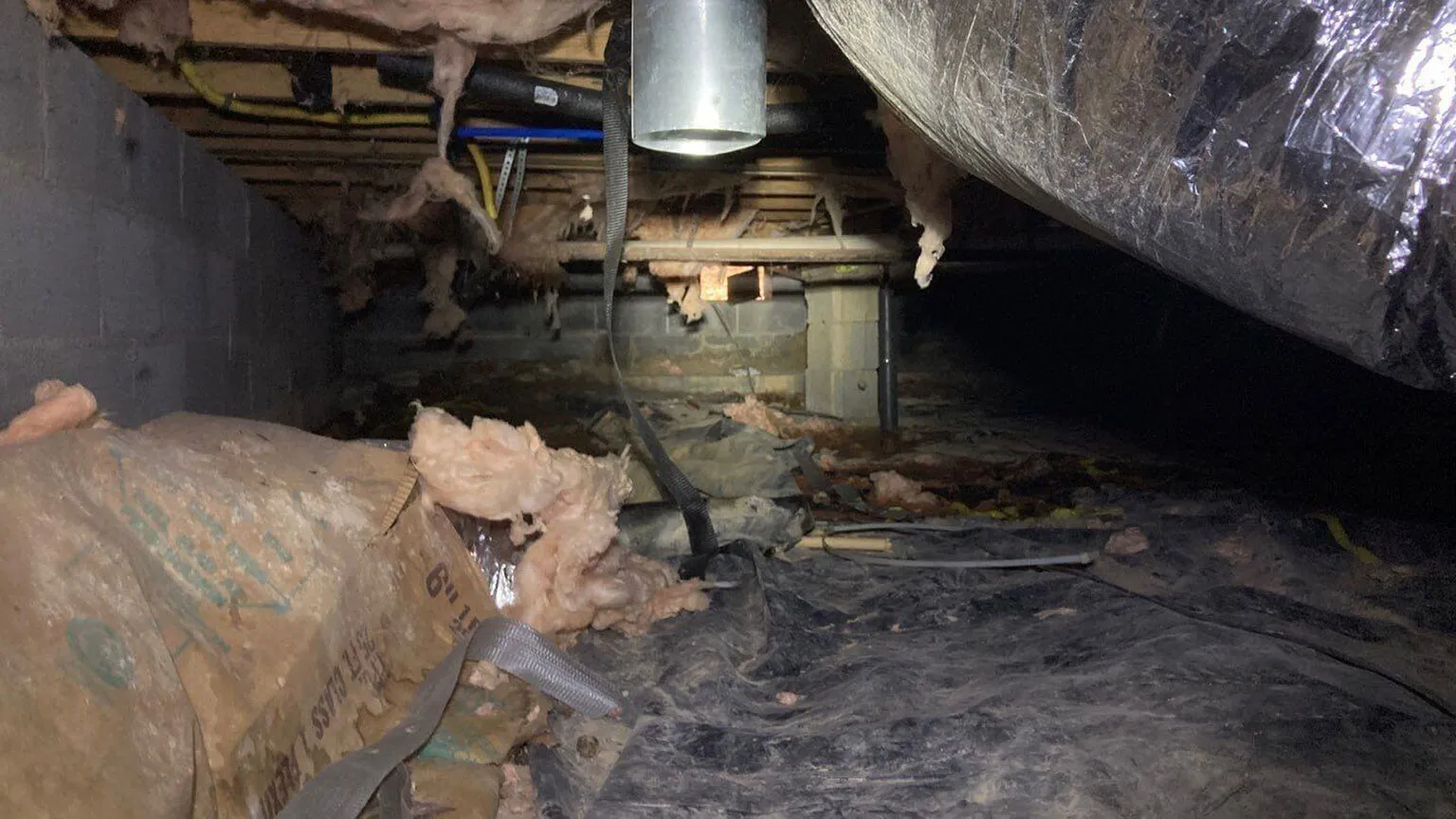
Install week starts with cleanup. Out comes the fallen insulation, the torn plastic, the debris, and whatever a previous owner decided to store down there in 1994. Next the crew grades the dirt, sets drainage if the space needs it, and lays the liner in overlapping seams that get taped and sealed rather than tucked and hoped for.
Once the floor is covered, the liner climbs the walls and wraps the piers, then gets mechanically fastened and sealed at the top. Vents get closed and sealed. Finally the dehumidifier goes in with a drain line, and you get photos of every stage — including the parts you’d never see again once the door closes.
Most homes here run two to four working days. Still, a low space or standing water can add a day, and we’ll say so before we start.
Why do Peachtree Corners homes need this so often?
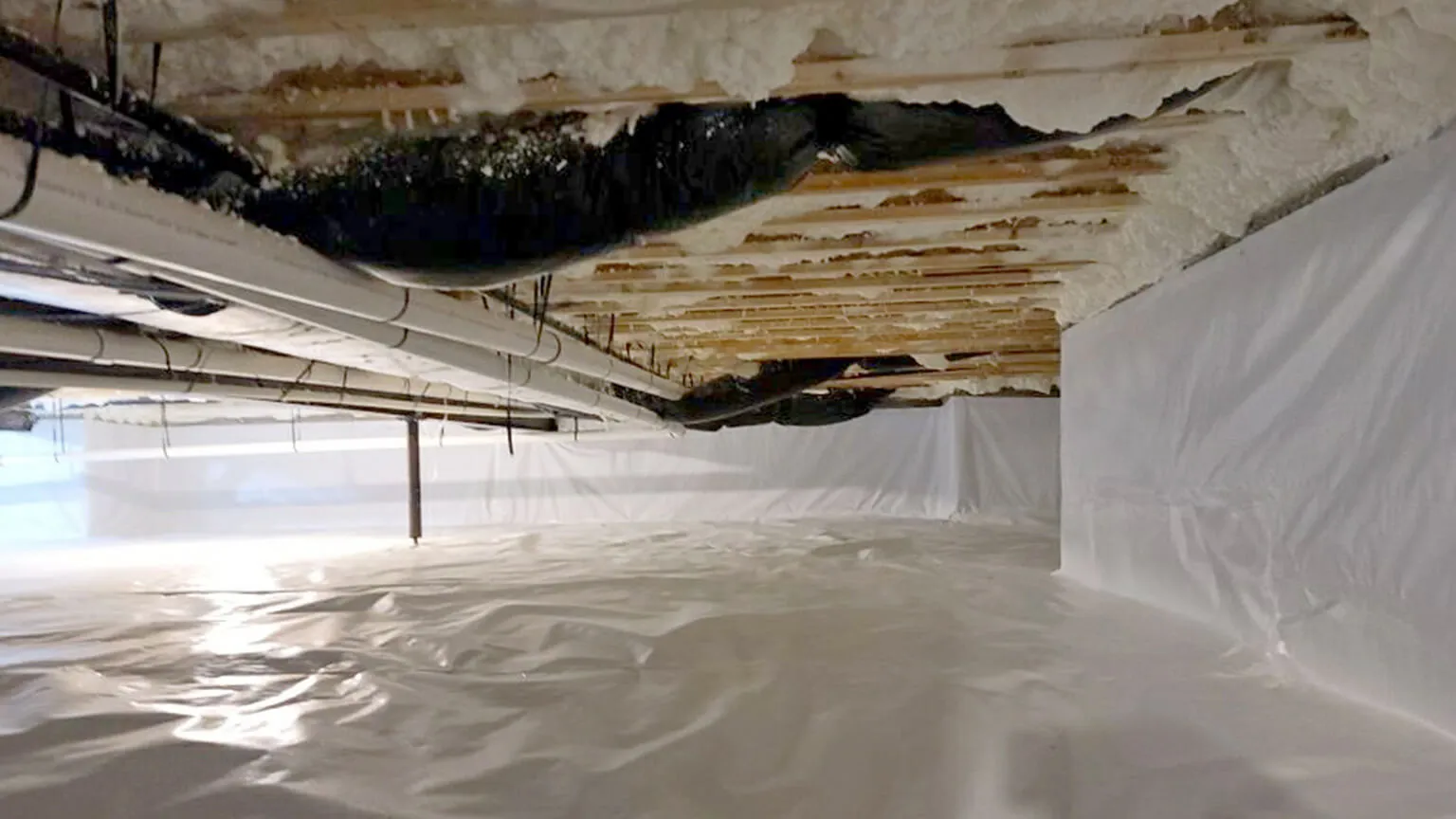
Because of when they were built. The bulk of this city went up between 1972 and 1995, back before moisture control under a house was standard practice. Many of these homes never had a real system at all — they had a coat of tar and good intentions, and the oldest streets still have crawl spaces with torn or missing vapor barriers.
There’s a second local wrinkle, and it’s the trees. Fifty-year-old hardwood root systems around here lift slabs and crack walls, and those same roots keep the soil near your footings loaded with water. Beautiful shade, expensive habits. We see it on the older lots near Simpson Elementary and off Peachtree Parkway.
Terrain plays a part too, since the western edge of town falls away toward the Chattahoochee bluffs. Homes on those slopes take water from uphill whether they asked for it or not. Meanwhile houses on the Dunwoody Club Forest edge show the plain age story — brittle original plastic, insulation drooping like wet paper.
The good news is that all of this is fixable, and it’s fixable on a schedule you choose. We had a homeowner in Riverfield who lived with a musty hallway for eleven years, sure it was going to be a monster of a project. It took three days. If you’re still figuring out what’s happening down there, our guide to a wet crawlspace walks through the symptoms one at a time.
What actually moves the price?
Mostly square footage and how hard the space is to work in. We won’t publish a flat number, because one price for a compact 1,100-square-foot crawl and a sprawling split-level would be a lie in at least one direction. Still, you deserve to see how we weigh it, biggest factor first.
Price drivers, biggest first
- Square footage. More floor and more wall means more liner, more seams, more hours. That’s the largest swing by far.
- Headroom and access. A crawl you can duck through prices differently than one you belly through, since low clearance slows everything down.
- Cleanout. Old insulation, debris and failed plastic have to leave before anything new goes in.
- Standing water. If water arrives and stays, drainage and a sump come first — sealing over a puddle helps nobody.
- Dehumidifier size. Bigger spaces need bigger units, plus a drain path that actually goes somewhere.
- Extras. Subfloor insulation, duct sealing, and pier repair are separate line items, not surprises tacked on later.
Smaller, dry, easy-access spaces land at the low end. A large crawl with cleanout, drainage, a sump and a commercial dehumidifier sits at the top. Most homes land in between, and after we walk it you get one written number with the scope printed beside it. Compare that against a Dunwoody crawl space encapsulation quote if you like — the math should look familiar.
What’s included, what isn’t, and what’s the warranty?
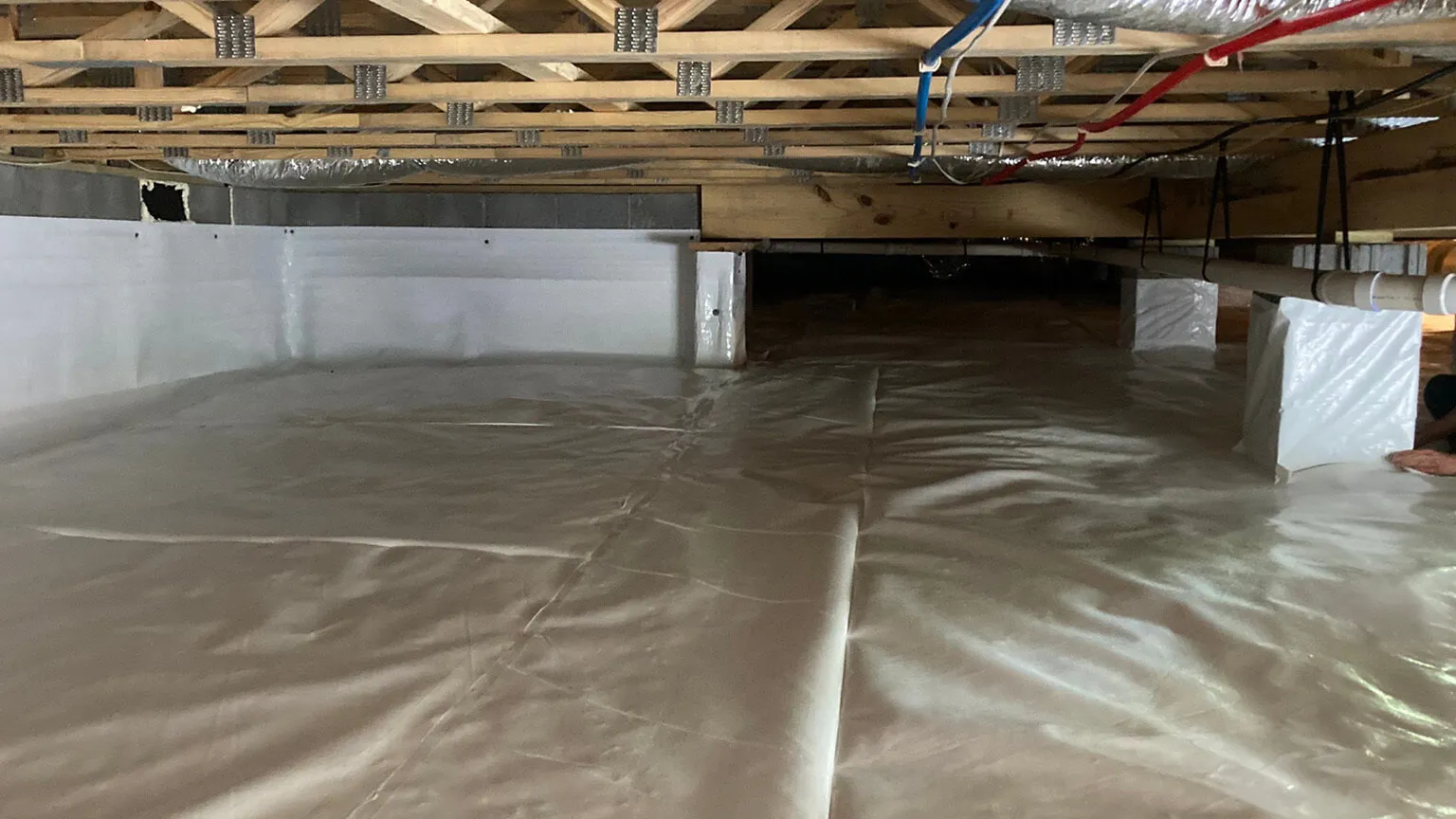
Included: the inspection, the estimate, the diagnosis, full cleanout, the liner on floor and walls, sealed seams and vents, the dehumidifier with its drain, and photos from start to finish. Ask any company for those photos. Honest crews already have them.
Not included, usually: mold remediation, replacing rotted framing, HVAC repairs, and plumbing leaks. We flag every one of those during the walkthrough so nothing shows up mid-project. Nobody enjoys a plot twist while their floor is open.
The warranty is written in normal English and short enough to read in one sitting. It covers the system and the workmanship, and it transfers if you sell — which matters here, since buyers around Town Center at Peachtree Corners ask sharp questions about moisture reports. For deeper structural work, our crawl space repair page explains what pier and framing repairs involve.
What’s the number that changes how you see this?
Twenty percent. That’s the moisture content where wood starts supporting mold growth — and in a vented Georgia crawl space in July, framing regularly gets there. Not during a flood. Just during a normal humid week, with nothing visibly wrong.
That single number reframes the whole conversation, because it means the problem was never really about puddles. Vents were supposed to dry a crawl space out. In our climate they mostly invite warm wet air in to condense on cool framing, so the “fix” from 1978 quietly became the cause.
Here’s the hopeful part: sealed and dehumidified spaces hold well below that line, year-round, without you doing a thing. Dry wood stays strong, the musty smell leaves the hallway, and the floors over the crawl stop feeling like a different climate zone. If you want the health side from a neutral source, the CDC’s page on mold and your home keeps it factual.
Worth knowing
Damp air and standing water are two different conversations. Plenty of crawl spaces we inspect are humid while staying perfectly sound. We’ll tell you which one you have, plainly, before money comes up.
Why does a local company matter here?
Because we’ve already met your house. Twenty-plus years around Metro Atlanta means these exact foundation types, these exact vintages, these exact soggy summers. Same crews, same trucks, no subcontractor roulette — and we’re about twenty minutes up the road in Lawrenceville.
Being close also means we come back. A quick run down toward The Forum on Peachtree Parkway puts us at your door fast for a dehumidifier check or a warranty question. If your home has a basement instead, our guide to a flooded basement covers that side of things.
Where we work around Peachtree Corners
We’re based in Lawrenceville, roughly twenty minutes northeast, and we’re in this corner of Gwinnett constantly. That covers Peachtree Corners, Norcross, Duluth, Johns Creek, Dunwoody, Berkeley Lake, Sandy Springs, Alpharetta and Suwanee. Whether your street sits up on the bluffs or on flat ground near 141, we know these crawl spaces.
Questions Peachtree Corners homeowners ask us
Usually, yes, though the size of the change depends on your home. Dry air is easier to cool than damp air, so your system stops working overtime in July. Most folks notice steadier floors first and a smaller bill second.
If it’s sagging or wet, it comes out, because damp insulation holds moisture against the wood instead of protecting it. Once the space is sealed and dry, we’ll talk about whether new subfloor insulation makes sense. Plenty of homes do fine without it.
It helps a little, but it isn’t the same thing. Thin plastic laid loose on dirt tears, shifts, and leaves the walls and piers wide open. A real system uses a heavy reinforced liner sealed to the walls, so the moisture path is actually closed.
Trust your nose and your feet. A musty smell in the hall, cold or springy floors, and sticky indoor air in summer are the usual signs. Since a moisture reading settles it in minutes, the inspection is free and there’s no pressure at the end.
It’s sealing the crawl space so the ground can’t keep feeding moisture into your house. A heavy liner covers the dirt and runs up the walls and piers, the vents get closed, and a dehumidifier holds the air steady. The result is dry wood, cleaner air upstairs, and a space that stops causing trouble.
Let’s find out what your Peachtree Corners crawl space actually needs
We’ll take moisture readings, show you photos of what’s under there, and explain the fix in plain language. The inspection is free, the estimate is free, and nobody pressures you at the end of it.
(678) 914-5112Serving Peachtree Corners and all of Metro Atlanta · $500 off projects over $3,500 · Live support 7am–8pm, 7 days a week