

How to Choose the Best Basement Waterproofing Alpharetta Offers
What this city’s homes need, how to read an estimate, and the questions that reveal who knows the work.
What’s the real difference between handling a damp basement this spring and handling it three years from now? That’s the question behind most searches for the best basement waterproofing Alpharetta homeowners can hire. And the honest answer is calm, not scary: today it’s usually a drainage job, while three years from now it’s often a drainage job plus new flooring, new trim, and a weekend hauling boxes to the curb.
So the water itself doesn’t get much worse. What gets more expensive is everything it touches on the way through. Good news, though — you’re reading this early.
What does waiting actually cost?
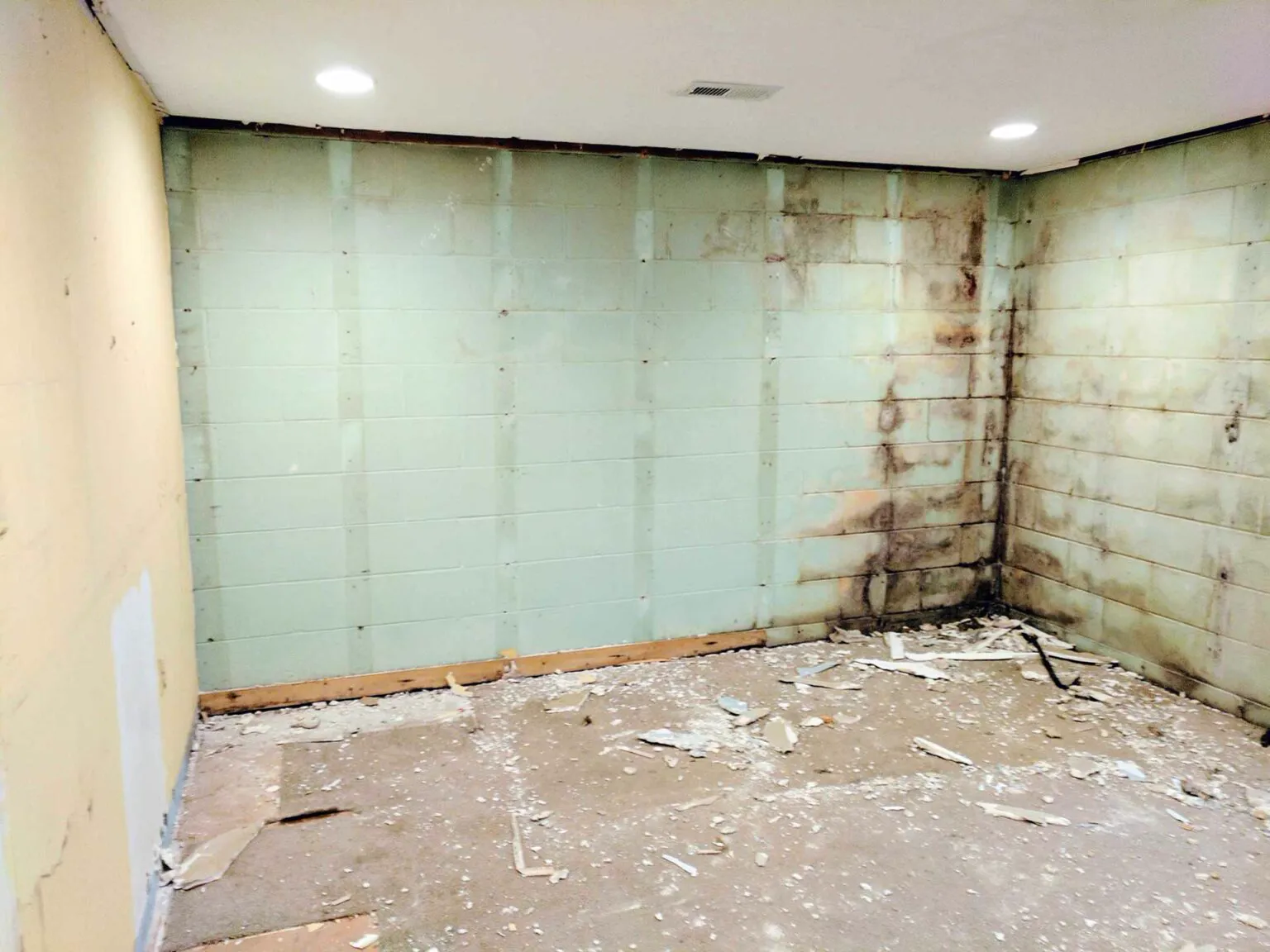
Let’s be specific, because “it’ll get worse” helps nobody. A seeping cove joint today soaks a few feet of slab. Left alone, that same seep wicks into baseboards, then drywall, then the padding under the carpet in the room you finished for a home office.
None of that is an emergency. It’s just a slow bill. So the smart move isn’t panic — it’s getting eyes on it while the fix is still concrete and pipe. We’ve walked into plenty of basements around Haynes Manor where the repair was smaller than the homeowner feared, and those are our favorite visits.
What makes Alpharetta homes different?
Plenty, actually — and this is where a lot of national outfits get lazy. Alpharetta’s boom-era subdivisions are now old enough that the original waterproofing has simply worn out, even on homes that still look brand new from the street. Most of the core housing stock went up between 1985 and 2005. That’s a full service life for a footing drain.
Then there’s the ground itself. Red clay sits over weathered granite here, so water drains slowly and leans on foundation walls for days after a storm passes. Add the rolling terrain and the Big Creek floodplain running through town, and you get walkout basements sitting lower than the water wants.
One more local wrinkle: grading. A yard that moved water beautifully in 1995 has since gained thirty years of mulch, new beds and settled soil. Downspouts get shortened during a landscaping refresh, so water that used to travel away from the house now stops about two feet from it.
Good news
A wet basement and a failing foundation are two different conversations. Most homes we look at in Alpharetta only need the first, and we’ll tell you plainly which one you’re in.
Where does water actually get in?
Ask ten homeowners and nine point at a crack. But the most common water entry point in a Georgia home is the cove joint — the seam where your basement wall meets the floor slab. Those two pours happened at different times, so they never truly bond. Water under pressure finds that seam and walks in.
Here’s why that matters when you compare bids. If someone’s plan is to seal a crack and go home, they’ve fixed a door and left the hallway open. A real system assumes water will arrive and gives it an easier path out than your floor.
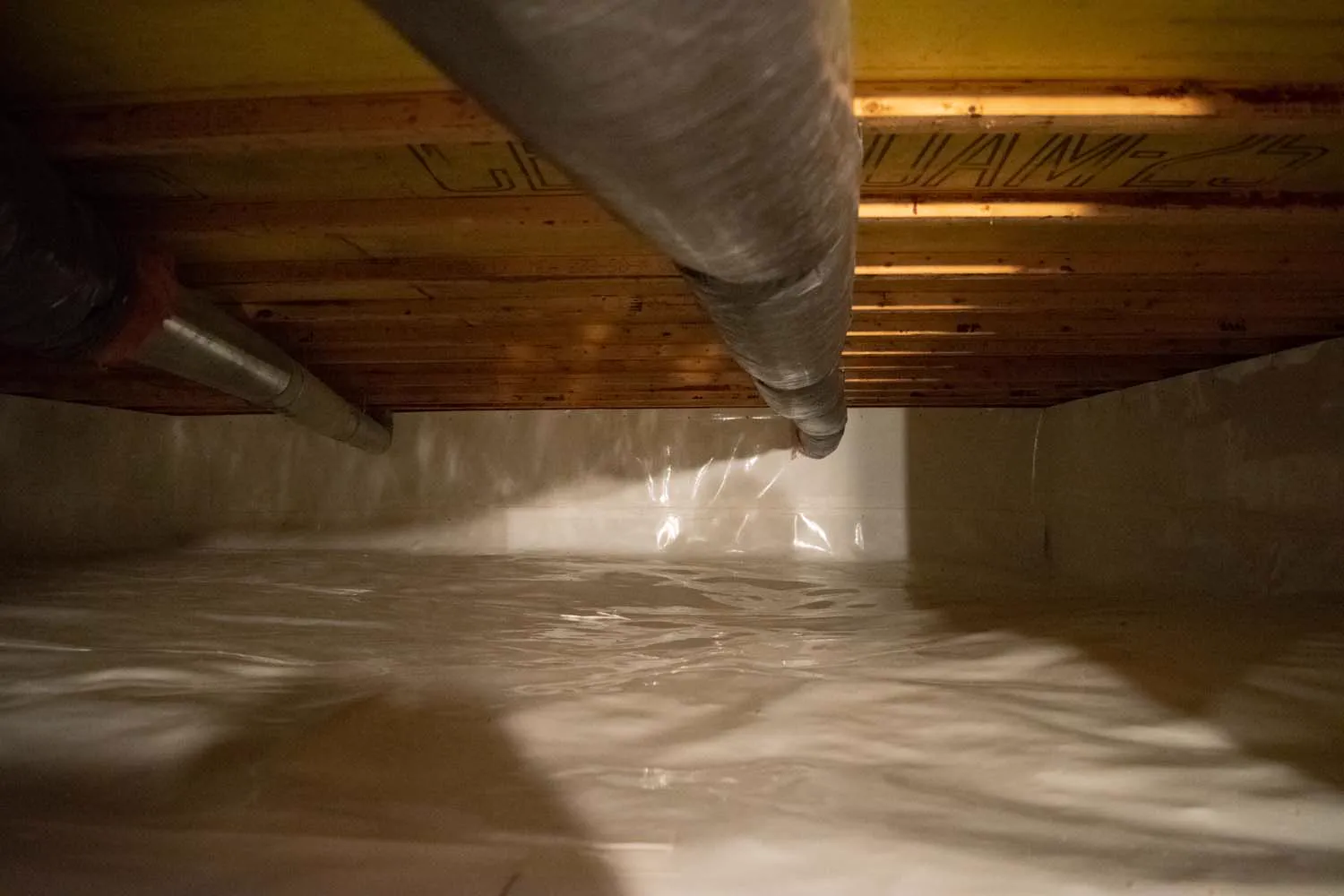
That’s the core of the work: a narrow channel along the affected walls, perforated pipe in clean stone below slab level, everything routed to a sump, and the pump discharging well away from the house. Fresh concrete goes back over it. Loud for a day or two, then invisible forever.
Most advice online stops right here — it shouldn’t
Notice what every “how to choose a waterproofer” article does? It explains the system, tells you to get three quotes, and stops. That’s useful but incomplete, because it assumes all three quotes describe the same job. Usually they don’t.
Here’s the part nobody writes down: the biggest difference between companies isn’t the pipe. It’s whether anyone figured out where the water comes from before pricing the fix. Two crews can install identical drainage, and one homeowner stays dry while the other gets a call-back — because nobody looked at the downspout dumping against the wall outside.
Anybody can sell you a system. The harder work is finding the source first — and sometimes saying the source is a gutter, not a full interior job.
That’s why we walk the outside before the inside. Grading, downspout runs, where the driveway sheds, whether the patio tilts back toward the house. On a fair number of homes near Crabapple, fixing what’s outside handles most of it. So the invoice gets smaller, which is a strange thing to advertise, but it’s true.
How do you read an estimate?
Line by line, and slowly. A good estimate reads like a plan, not a price tag. Since you’re comparing bids anyway, use this as your scorecard.
What a real estimate spells out
- Linear feet, by wall. Which walls, how many feet, and why those.
- Depth of the drainage. It belongs below the slab. Anything on top of the floor is a gutter, not a system.
- Where the water goes. Sump location, discharge point, and how far it lets out.
- The outside work. Grading and downspout fixes named specifically, not buried in “misc.”
- Cleanup and restoration. Who patches the concrete and who hauls the debris.
- The warranty, in writing. What’s covered, for how long, and whether it transfers.
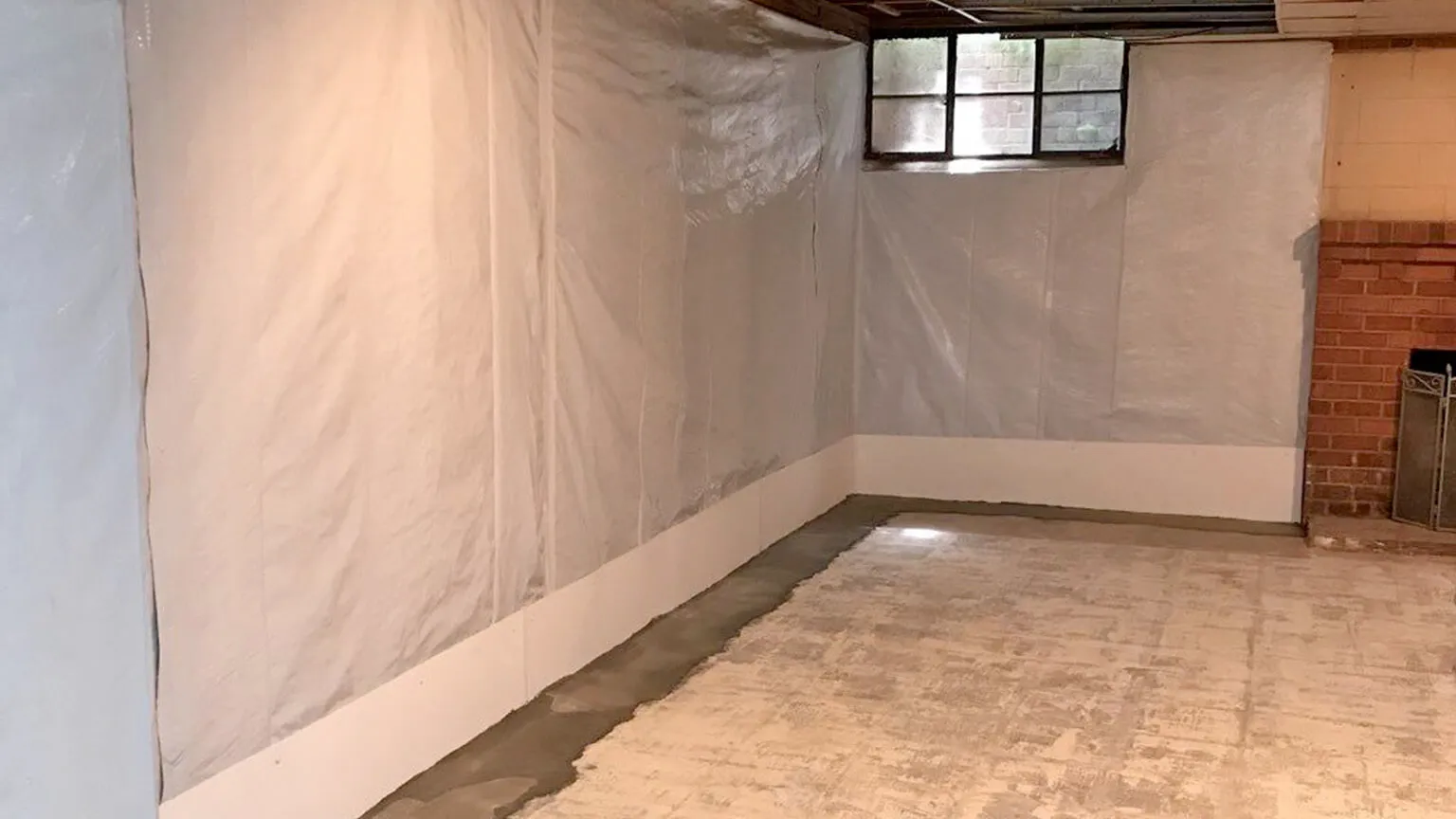
Costs move with those first three items more than anything else. One wall in an open basement sits at the low end, while a full perimeter with a new sump and battery backup in a finished space sits at the high end. Anyone quoting a flat number sight unseen is guessing — and you’d be paying for the guess.
What should you ask before you hire anyone?
Five questions tell you almost everything. Ask each company the same five, then compare.
- Where is the water coming from, and how do you know? If the answer is only “hydrostatic pressure,” push for the specific path.
- Is this your crew or a subcontractor? Same-crew companies tend to answer the phone in year six.
- What happens outside the house? A plan with zero exterior items is usually an incomplete plan.
- What’s not included? Restoration, electrical for the sump, and permits are the usual gaps.
- Can I see the warranty before I sign? Yes should be the only answer.
Red flags are simpler. Be careful with a price that expires today, a quote written before anyone measured, waterproof paint sold as the whole solution, and any pitch that leans on fear instead of explanation. On the other hand, a company that talks you out of work you don’t need is showing you how they’ll behave later. In short, the best basement waterproofing Alpharetta has to offer measures first and explains second.
What does any of this have to do with your air?
More than most people expect, and this is the part that changes the conversation. Air in a house moves upward. Warm air rises and escapes near the roof, so replacement air gets pulled in from the lowest point — which is your basement. Damp basement air doesn’t stay in the basement.
That’s why a musty smell at the bottom of the stairs eventually shows up in the living room. Moisture feeds mildew on stored cardboard and along cool wall surfaces, and the same rising air carries that odor through the rest of the house. The EPA’s guidance on moisture and mold is direct about it: control the moisture and you control the problem. Groundwater behaves predictably too, and the USGS groundwater basics page is a useful ten minutes if you like the why.
The fix is the same fix. Stop the water at the source, route it below the slab, and add a dehumidifier if the space needs one. Then the smell goes away because the cause went away — not because something got covered up.

Picture the season after the work is done. Spring storms roll through, the forecast turns ugly, and you never go check the basement — because there’s nothing to check. Instead you’ve got a dry room your family uses, storage you trust, and one less worry. Feeling looked after is the whole reason people do this.
Why we might be the right fit
We’re based in Lawrenceville, about twenty-five minutes east of Downtown Alpharetta City Center. Close enough to get here quickly, and local enough that our crews know how these subdivisions were built. Twenty-plus years in Metro Atlanta covers the 1990s block walls, the poured walls that followed, and the newer townhome slabs. That history is most of what separates the best basement waterproofing Alpharetta can hire from a crew passing through.
We’ve worked on sloped walkout lots up in The Hills at Windward, and on older homes off Mansell Road where the original footing drain had quietly given up. If you’ve ever sat in traffic leaving a show at Ameris Bank Amphitheatre, you know we’re not far. Also worth saying: the inspection is free, the estimate is free, and nobody follows up with pressure.
Still figuring out what you’re looking at? Our overview of basement waterproofing covers the symptoms, and the systems we install are laid out in full. Comparing notes with family across the county line? We cover the same ground for Duluth best basement waterproofing. And if your home sits on a crawl space instead, crawl space encapsulation is usually the better answer.
Where we work around Alpharetta
Alpharetta is a short run for us, so we’re out this way constantly. That includes Milton, Johns Creek, Roswell, Cumming, Duluth and Sandy Springs, plus Suwanee, Norcross, Peachtree Corners and the wider Fulton area. There’s usually a truck of ours nearby already.
Questions Alpharetta homeowners ask us
Most jobs run one to three days. A single wall can wrap in a day, while a full perimeter with a new sump usually takes two or three. We’ll give you the schedule in writing before we start, so you can plan around the noisy part.
Only the perimeter. We need roughly four feet of clear space along the walls we’re working on, so shelves and boxes shift toward the middle of the room. You don’t need to empty the space, and we’ll help with the heavy items.
Sometimes, but they’re really two separate jobs. Drainage handles the water, while a crack that’s still moving needs its own repair first. We’ll tell you which situation you’re in during the inspection, and we won’t seal a wall that isn’t ready.
Neither is automatically better — it depends on where water enters and what’s sitting on the soil outside. Exterior work stops water before it reaches the foundation, but it means excavating, and a deck or patio changes the math fast. Interior drainage is less disruptive and fits most Alpharetta basements.
The drainage itself is built to last the life of the house, since it’s stone and pipe below the slab with nothing to wear out. The pump is the part with a service life, so plan on replacing one around the ten-year mark, the same way you’d plan for a water heater.
Let’s take a look at your Alpharetta basement
The inspection is free, the estimate is free, and there’s no pressure at the end. We’ll show you where the water is getting in and what it takes to stop it — even if the answer turns out smaller than you expected.
(678) 914-5112Serving Alpharetta and all of Metro Atlanta · $500 off projects over $3,500 · Live support 7am–8pm, 7 days a week