

Basement Drying Options Milton Homeowners Have After Water Gets In
Professional structural drying or a shop vac and fans? Here’s how each one works, what decides it, and when we’d tell you to save your money.
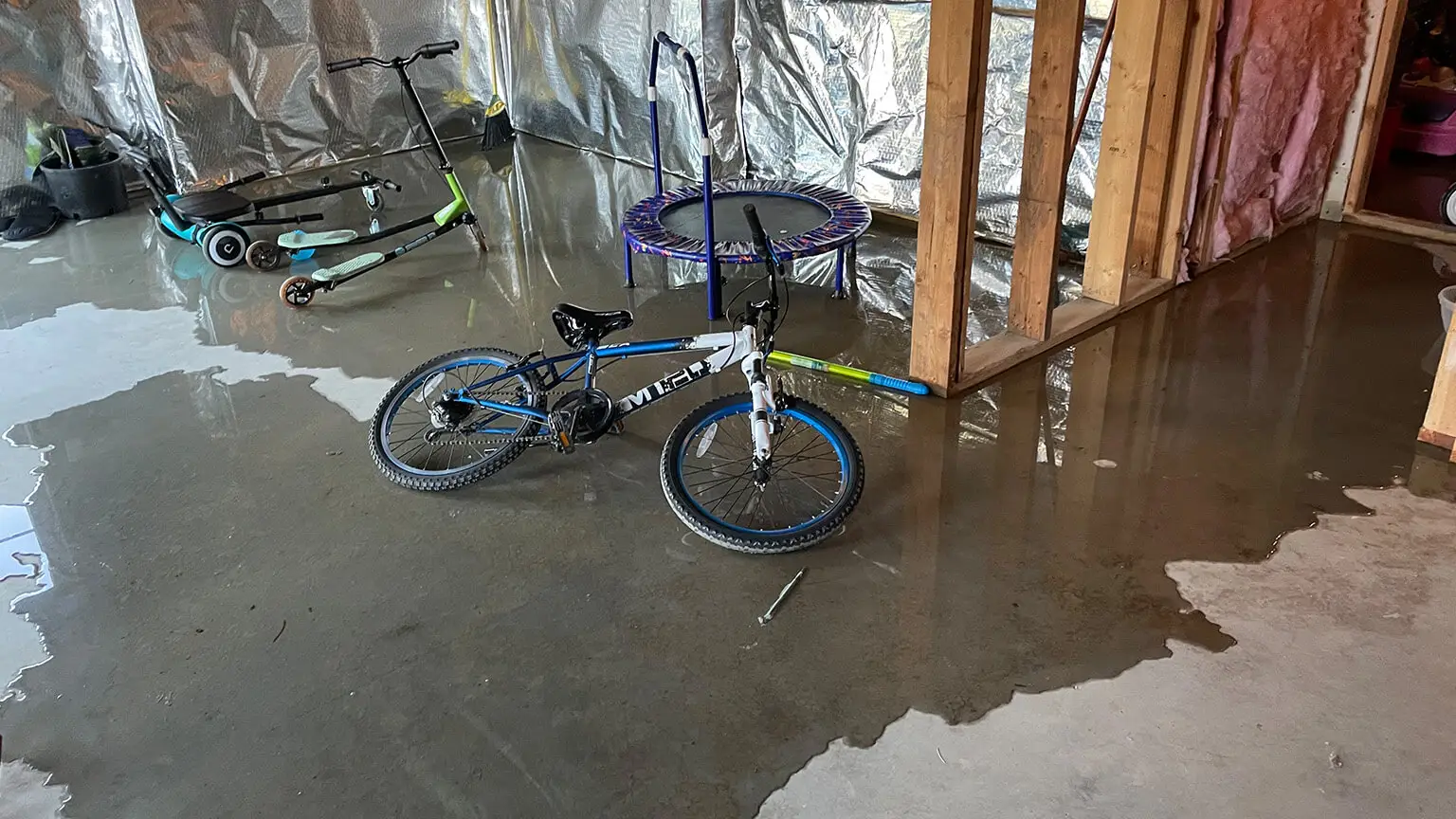
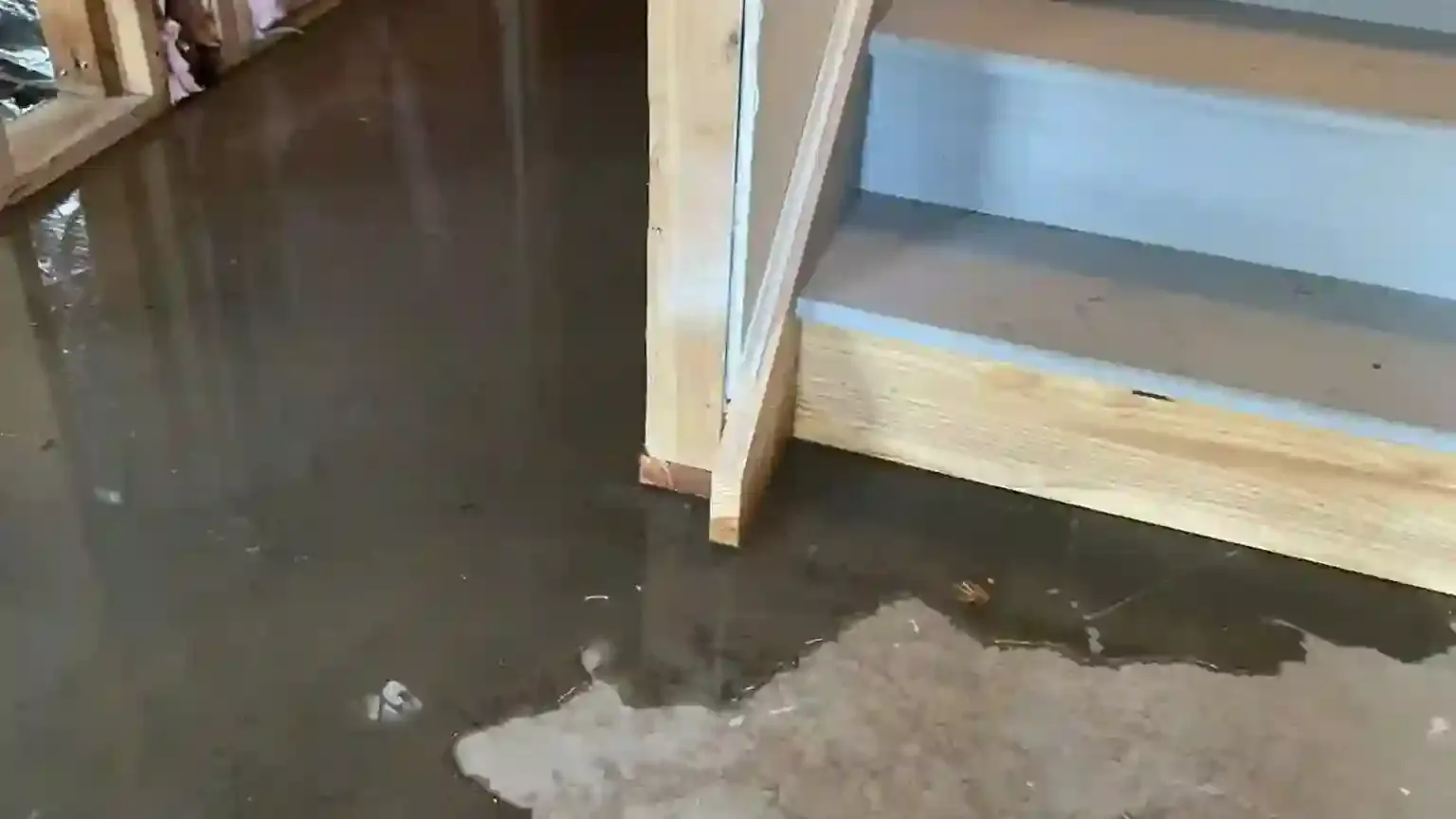
Picture two houses on the same street off Bethany Bend. Same builder, same year, same red clay under both. One storm rolls through, and one basement stays perfectly dry while the other has an inch of water at the bottom of the stairs. That’s the phone call, and it’s usually where the basement drying options Milton conversation starts — right there, at 7 in the morning, standing on a wet stair tread.
So why one house and not the other? Almost never the concrete. It’s the grade, the downspouts, and where the yard sends water once the ground gives up. Good news, though — that also means this is fixable, and you’re about to know exactly what to ask for.
Why is this a bigger deal in Milton than most places?
Here’s the local truth. In Milton the basement isn’t storage. It’s a finished floor of the house — a theater, a gym, a wine room, an in-law suite — so a small amount of water down there causes a very large amount of damage. A wet corner in an unfinished basement is a Saturday. The same wet corner behind finished walls is a different project entirely.
Lot size plays a part too. Big open acreage looks like it should drain beautifully, but red clay percolates poorly, and when several acres of ground reaches its limit, all that surface water has nowhere to go except downhill toward the house. Homes along the Bethany Bend corridor deal with this constantly, and so do the older lots out on the Crooked Creek edge.
What comes before any drying decision?
One thing, and it isn’t negotiable. Never step into standing water while the power is still on down there. Go to the panel first and kill the circuits that feed the basement. If the panel itself sits in the wet area, or you can’t reach it dry, stop and call the utility or an electrician.
After that’s handled, take pictures. Wide shots, close shots, the water line on the wall, the boxes that got soaked. Your insurance conversation goes far smoother with them, and so does ours.
Worth knowing
Standard homeowners policies usually exclude groundwater seepage, and sump pump failure coverage is often a separate rider you have to add on purpose. Check yours on a calm day, not during a storm.
Option A: what does professional structural drying actually involve?
The name sounds heavy, but the idea is simple: pull the water out fast, then pull the water out of the materials. Those are two different jobs, and the second one is the part homeowners rarely see.
It starts with extraction — truck-mounted or portable units that move real volume, not a five-gallon bucket at a time. Then wet organic material comes out. Carpet pad, the bottom edge of drywall, insulation trapped inside finished walls. Next comes targeted air movement, meaning fans aimed along surfaces and into wall cavities on purpose, not just pointed at the room. Commercial dehumidifiers run alongside them to grab the moisture the air picks up, because moving wet air around a closed basement just relocates the problem.
The last piece is the one that matters most: documented moisture readings. Meters on the framing, the slab and the drywall, logged daily until the numbers come back to where they started. That log is your proof the cavity is dry, not just the surface.
When it wins: finished space, water that sat overnight or longer, anything that came from a sewer backup, and any basement where walls were involved rather than just the floor.
What it costs: the number rides on square footage, how many days the equipment runs, and how much material has to be removed and rebuilt. A single room dried in three days sits at the low end. A large finished lower level with demo and reconstruction sits far above it.

Option B: can you just do it yourself?
Sometimes, honestly, yes. A wet/dry shop vac, a few box fans and a rental dehumidifier can absolutely handle a small event, and plenty of folks do it well. We’re not going to pretend otherwise to sell a service.
The DIY version works like this. Vacuum the standing water in passes until the floor stops giving any up. Pull anything soft out of the room — rugs, cardboard, that box of holiday decorations that has now become a sponge. Set fans to move air across the wet surfaces rather than straight down at them, run the dehumidifier with the doors closed so it’s working on one room’s air, and empty it far more often than you’d guess.
When it wins: clean rainwater, a small area, caught within a few hours, on a bare slab with no finished walls involved. That’s a real scenario and it happens all the time.
What it costs: a rental dehumidifier for a few days plus whatever fans you own. Cheap, and worth every dollar when the situation fits.
The honest trade-off: a rental unit is sized for a damp room, not a saturated one, and no fan reaches inside a wall. That’s the whole ballgame, which brings us to the thing we end up explaining on nearly every estimate.
How do the two compare, straight across?
Professional structural drying
- High-volume extraction on day one
- Wet organics removed, not just dried
- Air moved into wall cavities on purpose
- Commercial dehumidifiers sized to the space
- Daily moisture readings you can keep
- Costs more, and needs scheduling
Shop vac, fans and a rental
- You can start in the next ten minutes
- Very low cost
- Plenty for small, clean, fresh water
- Slower on volume — a lot slower
- No way to dry a closed wall cavity
- No readings, so you’re guessing at “dry”
Notice that neither column says “better.” They’re built for different amounts of water, and the amount is what picks for you.
So what’s the myth we hear on almost every estimate?
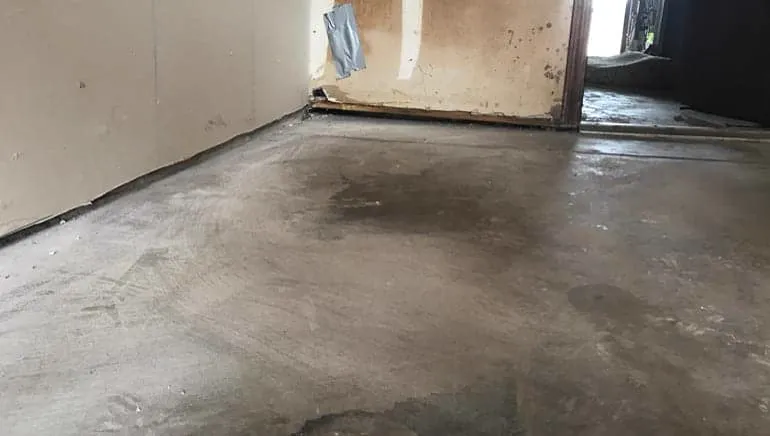
This one: “It’s dry — I touched the carpet.” We hear it constantly, and it’s completely understandable, because the surface really does feel dry. The trouble is that the surface dries first and fastest while the cavity behind it stays wet for days.
Here’s what’s happening back there. Water wicks up the paper face of drywall and soaks into the insulation, and finished walls seal that space off from the room. Fans blow past it. The dehumidifier never sees it. Weeks later a musty smell shows up and nobody can find the source, because the source is inside the wall.
That’s why the fix is removal, not evaporation. Cut the bottom band of drywall, take out the wet insulation, pull the carpet pad, and now the air you’re moving can actually reach the wet stuff. Not glamorous. Very effective.
The feeling on the other side of that is the real payoff — no mystery smell, no wondering, no second job in six months. You walk down your own stairs and it just smells like a house.
What four questions decide it?
When we walk a basement, we’re really only answering four things. Every choice between basement drying options Milton homeowners face comes down to these, and you can answer them yourself before anybody shows up.
The deciding factors
- How much water? A damp strip along one wall is a different animal than water over the tops of your shoes.
- How long did it sit? Caught in an hour is very different from found the next morning. Time is the factor people underestimate most.
- Is wet organic material trapped behind finished walls? Carpet pad, drywall paper and insulation are food for mold. Bare block and bare slab are not.
- Where did the water come from? Clean rainwater is one plan. A sewer backup is a different plan entirely, and that one is never DIY.
On timing, mold can begin on wet organic material in roughly 24 to 48 hours, which is why speed beats equipment size every single time. A shop vac running at hour two does more good than a truck arriving on day three. The National Weather Service flood safety guidance is worth a read before storm season for the same reason.
Twenty years in, the pattern is boring and consistent. The jobs that go badly aren’t the ones with the most water. They’re the ones where the surface dried, everybody relaxed, and the wall stayed wet.
What would we actually tell you to do?
You asked for a recommendation, so here it is, plainly.
If it’s clean rainwater, under a couple hundred square feet, on a bare slab, and you caught it same-day — do it yourself. Vacuum it, get the soft stuff out, run fans and a rental dehumidifier for two or three days, and you’re done. We’d rather tell you that than sell you equipment you don’t need.
Call for professional drying when any one of these is true: the water sat overnight, it reached finished walls, it covered a large area, or it came from a sewer line. Just one is enough. Those situations need extraction volume and cavity drying, and both of those are hard to rent your way into.
Then, once things are dry, ask the other question — why did water come in at all? That answer usually lives outside in the grading and downspouts, and it’s the difference between drying a basement once and drying it every spring. Our page on basement waterproofing walks through the systems we install, and if you want the drainage side specifically, start with best basement drainage.
A house near the Crooked Creek edge
Here’s how it went for one homeowner out that way, in a home from the early 2000s with a fully finished lower level. Spring storm, two inches of water across about a third of the basement, found the next morning. They’d already done the smart thing — power off at the panel, shop vac running, fans going, all before we ever got the call.
Their instinct was that they had it handled, and on the floor they nearly did. Our meters told a different story, though. The framing and the bottom foot of drywall along two walls were soaked, and the insulation behind them was holding water like a towel. So we pulled the bottom band of drywall, took out the wet insulation and pad, and ran commercial dehumidifiers with air pushed into the open cavities for four days, logging readings every morning.
Dry on day four, verified, with a written log. After that we walked the yard and found the real culprit — surface runoff off the upper lot pooling against the back wall with nowhere else to go. Regrading and extended downspouts handled that part. Two springs later, still dry, and the basement is a basement again instead of a worry.

If you’d like to get ahead of the next one, FEMA’s building science resources on protecting property from flooding cover the grading and drainage side well. And if you’re seeing cracks along with the water, that’s a separate conversation — read up on foundation repair before you plan anything else.
Why does hiring a local crew matter for this?
Because drying is a schedule, not a product. Equipment has to be placed, checked and moved daily, and readings only mean something if somebody actually takes them. We’re about 35 minutes from Milton City Hall, so coming back tomorrow morning isn’t a problem — it’s just the job.
We know these streets, too. The newer homes over by the Crabapple Market district, the big lots where runoff has nowhere to go, the properties out past Scottsdale Farms with long driveways aiming water right at the house. Same crews, same trucks, every visit. Neighbors one county over can read the same breakdown in our Cumming basement drying options guide.
Where we work around Milton
We’re based in Lawrenceville, about 35 minutes southeast, and we’re up this way often. Along with Milton we cover Alpharetta, Roswell, Cumming, Woodstock and Canton in Cherokee County, plus Johns Creek, Duluth, Suwanee and the wider Fulton area.
Questions Milton homeowners ask us
In most homes, yes, once the source is handled rather than just the symptom. That usually means correcting the grade, moving roof water well away from the house, and adding drainage where the ground can’t keep up. Drying alone never prevents the next one, which is why we always walk the outside too.
It depends on how much wall is involved, whether finished space has to come out first, and whether the fix is drainage, grading or a full perimeter system. A downspout and grading correction sits at the low end, while a full system under a finished lower level sits at the high end. You get a written scope with the number, never a guess over the phone.
That’s still worth looking at, because twice a year is enough to keep materials damp between events. The good news is that occasional water usually points to a simple outside cause, like runoff or a downspout, and those are the cheapest fixes we do. An inspection will tell you which category you’re in.
For a small amount of clean rainwater on a bare slab that you caught the same day, yes, and we’ll say so. It stops being enough when water reached finished walls, sat overnight, covered a large area, or came from a sewer backup. Fans dry surfaces, but they can’t reach the inside of a wall.
On wet organic material like carpet pad, drywall paper or insulation, growth can begin in roughly 24 to 48 hours. That’s why speed matters more than equipment size, and why removing wet material beats trying to dry it in place. If you’re inside that window, you’re in good shape.
Not sure which drying plan your Milton basement needs? Let’s look together.
The inspection is free, the estimate is free, and there’s no pressure at the end. We’ll take real moisture readings, show you what’s wet and what isn’t, and tell you honestly if this is a job you can handle yourself.
(678) 914-5112Serving Milton and all of Metro Atlanta · $500 off projects over $3,500 · Live support 7am–8pm, 7 days a week