

Basement Drying Peachtree Corners Homeowners Can Do Themselves — and When to Call for Gear
Fans and a rental dehumidifier, or a full professional dry-out? Here’s how to tell which one your basement actually needs.
Most people smell it first. Weeks before anybody sees water, there’s that cool, earthy, old-penny smell at the bottom of the stairs — and you crack a window and forget about it. So when folks call us about basement drying Peachtree Corners homes need after a storm, the water is usually the second chapter, not the first. The smell was the opening line.
That’s not a scolding. It’s good news, because a smell means moisture is still in the manageable stage. Plenty of basements we walk into need a weekend of fans and a rental dehumidifier, and nothing more. Some need real equipment, though. So let’s lay out both honestly, then we’ll tell you which one we’d pick for your house.
What comes before anything else?
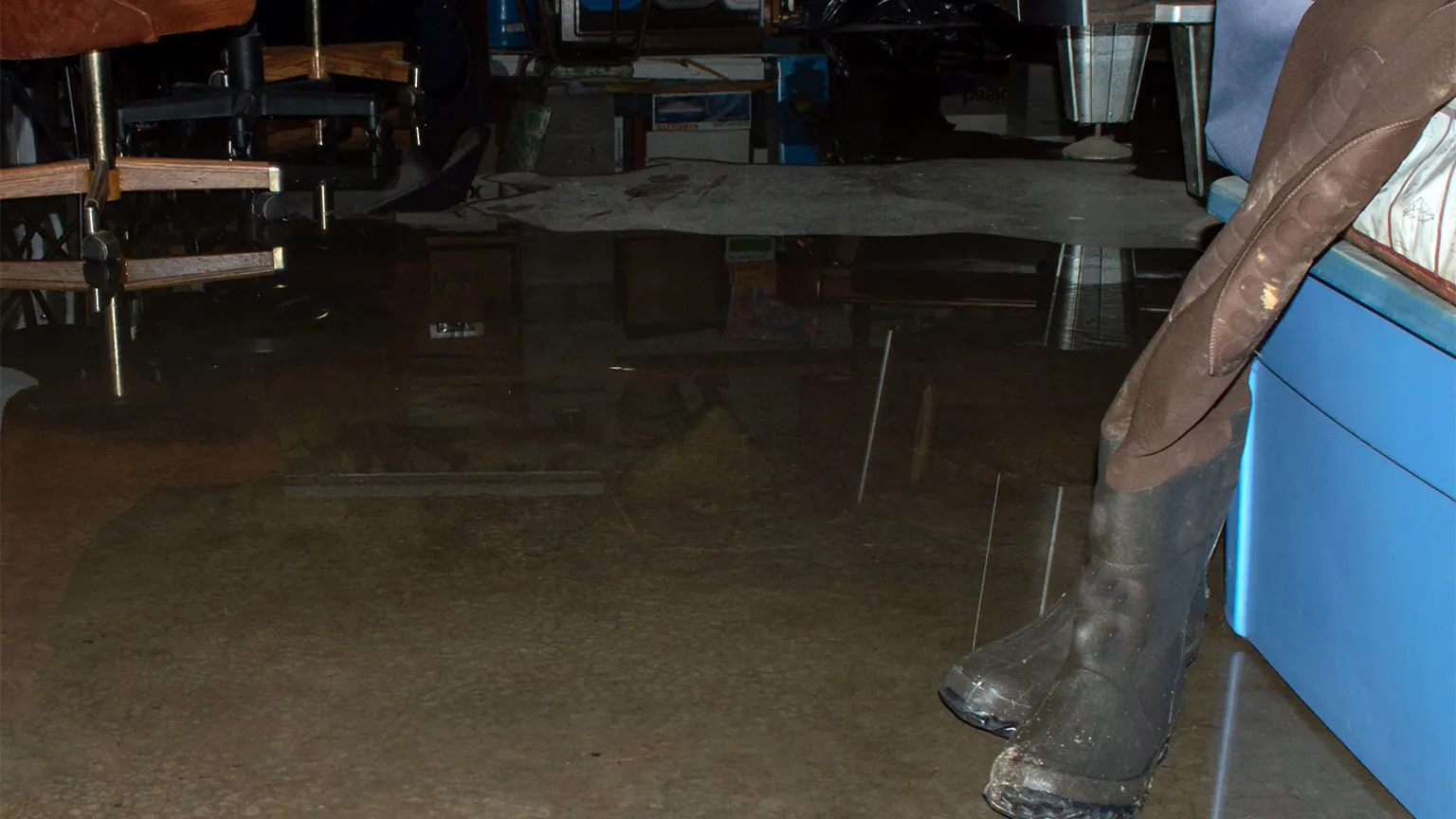
One rule, and we’re serious about it. Never step into standing water while the power is on. Kill the circuits for that level at the panel first, and if the panel is down there or you can’t reach it dry, call your utility or an electrician instead.
Then ask a second question: where did this water come from? Clean rainwater or a burst supply line is one situation. A sewer backup is a different one, and that water gets handled by pros with proper gear. The National Weather Service flood safety guidance covers that difference well.
Option A: can you dry it yourself?
Honestly? Often, yes. Plenty of basement drying Peachtree Corners homeowners handle on their own works out fine, and we’d rather say so than sell you something you don’t need.
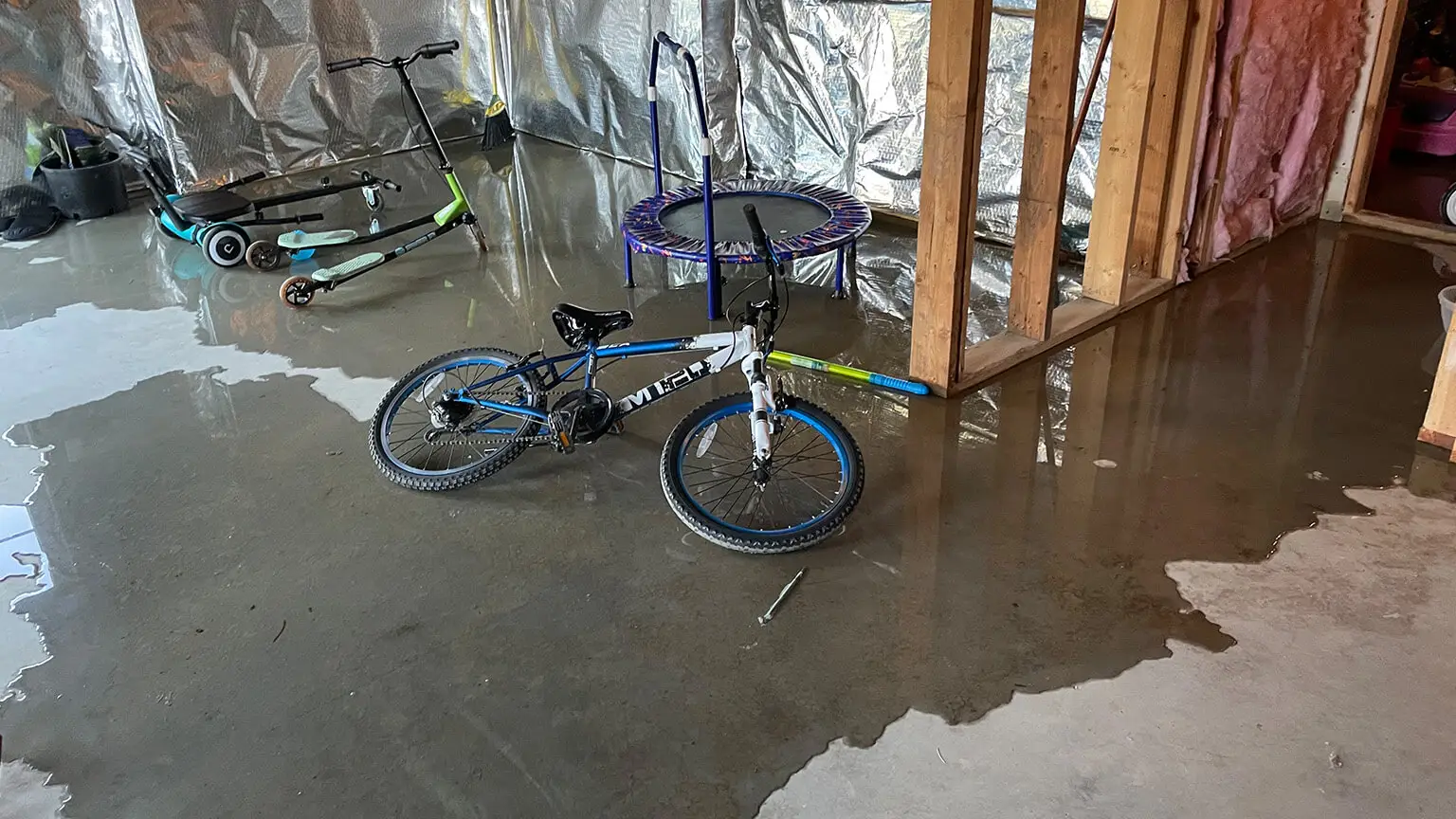
The homeowner version looks like this. A wet/dry shop vac pulls the standing water out. Box fans get pointed low, across the slab, not up at the ceiling. A rental dehumidifier runs nonstop with the door and windows shut, because you’re pulling water out of the air, not swapping air with a humid Georgia afternoon. Wet boxes, rugs and anything soft go outside the same day.
When it wins: a small area, clean water, caught fast, and nothing finished or soft got soaked. An unfinished basement in Peachtree Station with two inches along one wall is a classic do-it-yourself job.
What it costs: a weekend rental and some electricity. Real money, but not much.
The trade-off: home gear moves modest amounts of moisture, and it can’t see inside a wall. You’re going by feel, and a slab can feel dry on top while it gives off water for days. Concrete is patient like that.
Good news
Wet does not mean ruined. Most of what people throw out after a basement flood could have been saved with air moving under it inside a day.
Option B: what does a professional dry-out actually involve?
Same idea, scaled up and measured instead of guessed. Four parts.
Extraction. Truck-mounted or portable units pull water out fast, including water sitting in carpet pad and under toe-kicks where a shop vac can’t reach.
Targeted air movement. Air movers get aimed on purpose, at angles that sweep the whole surface and push air into wall cavities through small vents cut low. Not a fan in the middle of the room hoping for the best.
Commercial dehumidification. These units pull many times what a big-box dehumidifier pulls, and they keep pulling when the air turns cold and stubborn.
Documented moisture readings. That’s the quiet one, and the biggest difference. Meters read real moisture in the block, framing and slab, logged daily, until the numbers match dry material elsewhere in the house. Then the gear comes out.
When it wins: lots of water, water that sat, finished walls, or any question about the source. Also any time you’ll need paperwork for a claim.
The trade-off: it’s louder, it costs more, and your basement hums for three or four days. Nobody enjoys it. It just works.
How do they compare, straight across?
Doing it yourself
- Cheap — a rental and a weekend
- You can start within the hour
- Great for small, clean, fresh spills
- Dries surfaces well, cavities poorly
- No moisture readings, so you’re guessing
- No documentation for a claim
A professional dry-out
- Removes far more water, far faster
- Reaches wall cavities and under flooring
- Daily readings prove it’s actually dry
- Handles contaminated water safely
- Costs more and runs three to four days
- Paperwork your insurer will accept
Neither column says “better,” because neither one is. Both are tools, and the water picks which one you reach for.
What would we want to know if it were our house?
If this were our basement, we wouldn’t start by asking what equipment to rent. We’d ask one question: is anything soft still wet behind something solid?
Because that’s the whole ballgame. Carpet pad, the bottom edge of drywall and fiberglass insulation all soak up water and hold it like a sponge in a plastic bag. You can run fans until the floor squeaks and that cavity stays wet. So drying the surface while the inside stays soaked is the most common mistake we see, and it’s why a basement can smell musty months after it dried out.
Good news, though — the fix is simple, just not fun. Wet organic material comes out. Carpet pad gets cut and hauled, drywall gets cut a foot or two above the waterline, and wet insulation goes in the trash. After that the cavity is open, air reaches it, and the drying part is fast. Then you rebuild a clean wall over dry framing and the room feels new instead of mostly okay.
Twenty years in, this is the lesson we keep relearning: the winner isn’t the biggest dehumidifier. It’s whoever gets there first.
So what actually decides it?
Four things, and you can answer all four standing on your basement stairs.
The four-question test
- How much water? A damp strip along one wall is different from an inch across the whole slab. Volume changes everything.
- How long did it sit? Mold can start on wet building materials in roughly 24 to 48 hours, so drying speed matters more than almost anything else. Caught this morning is a different job than found on Sunday.
- Is wet organic material trapped behind finished walls? If the answer is yes, something has to come out. No fan solves this one.
- Where did the water come from? Clean rain, you can handle. A sewer backup is a health matter, and that one is ours.
Small, clean, fresh, nothing finished? Rent the gear and go. Flip any two of those, and professional equipment finishes in days what fans won’t finish at all.
One local wrinkle, though. Peachtree Corners homes were mostly built before modern basement waterproofing was standard practice. Many of these houses never had a real system — they had a coat of tar and good intentions. So around here, water often isn’t a one-time event.
On the older streets near Technology Park and over toward the Dunwoody Club Forest edge, we see hand-laid block walls leaning against fifty years of clay pressure. The homes are great. The original waterproofing simply aged out, all on the same schedule.
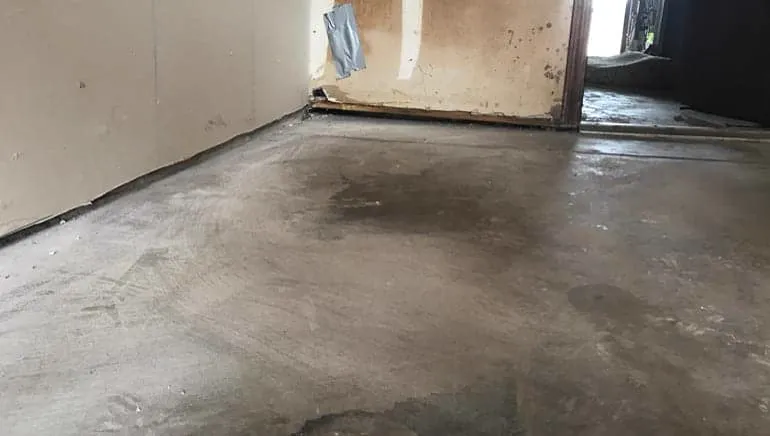
So we’ll often finish a basement drying Peachtree Corners job and then say the honest thing: the drying was the emergency, but the drain is the answer. If you’re at that point, our page on basement waterproofing walks through the systems we install, and if you’re seeing cracks or a wall that’s moved, start with foundation repair instead.
Which rooms feel it that nobody expects?
Here’s the part that surprises people. A wet basement rarely stays a basement problem, because air moves upward through a house. Warm air rises and leaves through the attic, and replacement air gets pulled from the lowest level. So whatever is in your basement air ends up in your bedrooms.
That’s why families call us about a musty upstairs closet, or a bedroom that feels clammy in August while the rest of the house is fine. Parents near Simpson Elementary have told us their kid’s spring allergies flared for years and they’d blamed pollen. Pollen wasn’t helping, sure. Neither was the damp air coming up the stairs.
Your air conditioner feels it too. Humid air makes the system work harder for the same temperature, so it runs longer and the bill creeps up each summer. Fix the moisture and that reverses on its own.
Picture the after, though. Dry slab. No smell at the bottom of the stairs, boxes on the floor instead of pallets, and a lower level you’d actually finish someday. Better yet, that quiet pride of knowing your house is solid because you take care of it — not because you got lucky with the weather.
Would we ever tell you to skip the big option?
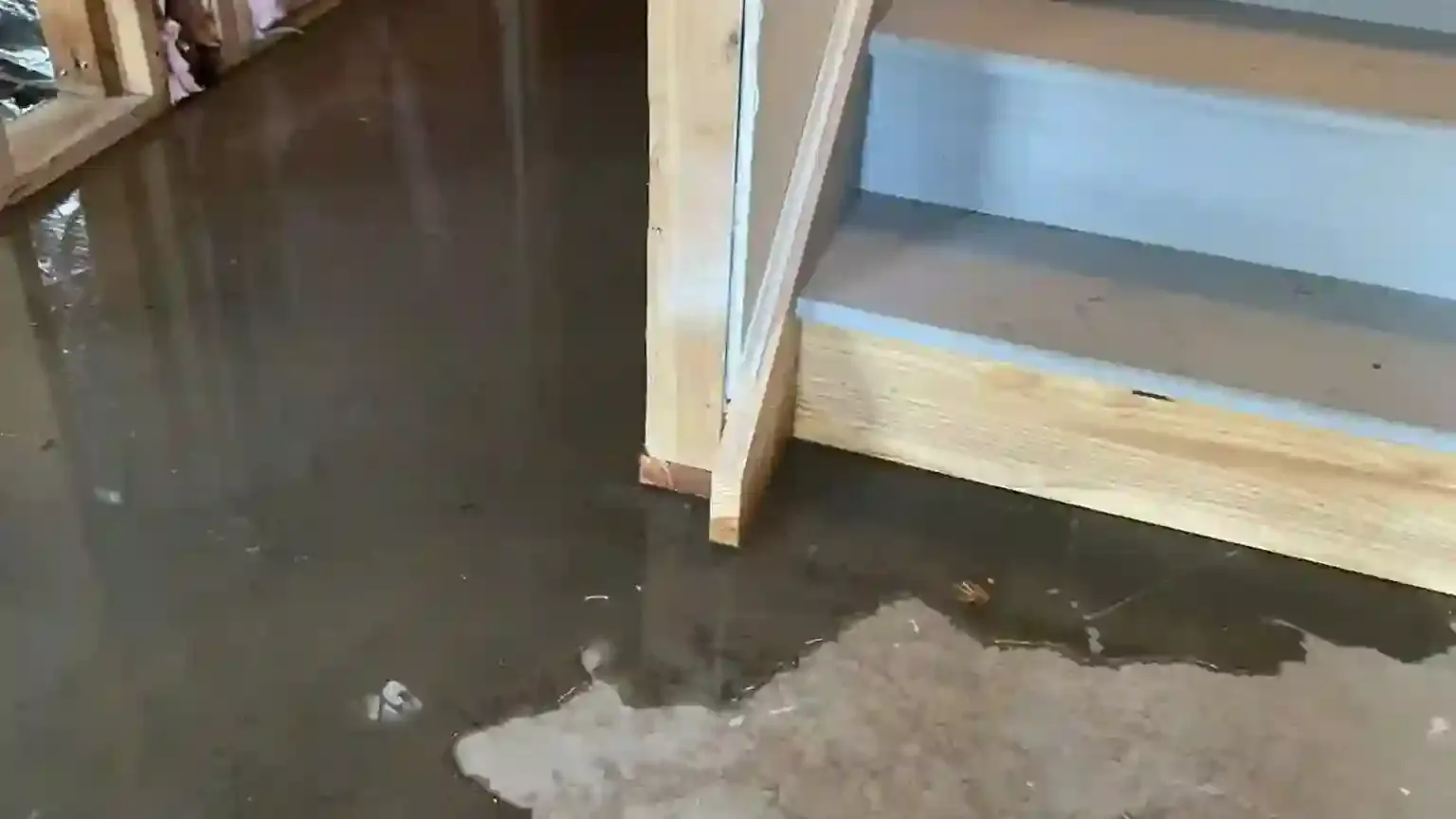
All the time, and often on the phone before we ever drive out. If the water was clean, it covers a small patch of slab, the basement is unfinished, and it happened this morning, our answer is: rent a dehumidifier, run it with the door shut for two days, and save your money.
One follow-up, though. Walk the outside afterward and check your downspouts and grading, because plenty of what comes in along Peachtree Parkway and the streets feeding off it starts as roof water landing three feet from the wall. FEMA’s building science resources on protecting your property cover that well.
And if you want a second opinion before spending anything, the inspection is free. We’ve done flood restoration in the newer builds around Town Center at Peachtree Corners and in houses four times their age. Folks one town over can compare notes with our Dunwoody basement drying options guide.
Where we work around Peachtree Corners
We’re based in Lawrenceville, twenty minutes northeast, so we’re down 141 constantly. Along with Peachtree Corners, we cover Norcross, Duluth, Johns Creek, Dunwoody, Berkeley Lake, Sandy Springs, Suwanee, Alpharetta and Roswell, plus the wider Gwinnett area.
Questions Peachtree Corners homeowners ask us
Sometimes, and it depends on the source. A burst pipe or failed water heater is usually covered, while groundwater and surface flooding typically need separate flood coverage. Sump pump failure is often its own add-on. Call your agent, photograph everything before you move it, and keep the drying documentation.
Start the same day if you can. Mold can begin growing on wet building materials in roughly 24 to 48 hours, so the clock matters more than the size of your equipment. Getting air moving in hour two beats renting something bigger on day three.
Because saturated clay pushes water up from below, and the seam where the floor meets the wall is the easiest opening in the room. That seam is the cove joint, and it’s the most common entry point we find. It usually means drainage outside the footing has silted shut, which is normal in homes this age.
You can get very close. A perimeter drain, a sump with a battery backup, and honest gutter and grading work handle the situations that cause almost every basement flood we see. Nothing is magic, but a well-built system plus ten minutes of maintenance twice a year is about as close as houses get.
It rides on how much wall is involved, whether finished space has to come out first, and whether you need a sump. A small drainage correction sits at the low end, while a full perimeter system under a finished basement sits at the high end. You get a written number with the scope spelled out, never a guess over the phone.
Not sure which one your Peachtree Corners basement needs? Let’s look.
The inspection is free, the estimate is free, and there’s no pressure at the end. We’ll check the moisture, show you what’s actually wet, and say honestly if fans and a rental will get it done.
(678) 914-5112Serving Peachtree Corners and all of Metro Atlanta · $500 off projects over $3,500 · Live support 7am–8pm, 7 days a week