

Wet Basement in Grayson: What’s Causing It, and How It Actually Gets Fixed
If it’s happening in your basement, odds are good it’s happening three doors down too. Here’s why — and what a fair plan looks like.
Ask around your cul-de-sac after the next spring storm. You’ll usually find the damp corner, the musty smell, or the puddle by the stairs isn’t just yours. A wet basement Grayson homeowners notice in March is almost never a one-house problem, because the houses on your street were built the same year, on the same clay, by the same crews, with the same grading plan.
So here’s the good news up front. This is one of the most common things we look at, and it’s very fixable. Let’s take it apart slowly, because you should understand your own house before anybody hands you a price.
Why is the whole street dealing with this?
Most of Grayson went up between the late 1990s and around 2012. That window matters. Those homes got the waterproofing standard of their day, which usually meant tar-style damp-proofing on the outside of the wall and a footing drain in gravel. Both were built with a service life, not a forever life.
Twenty-something years later, that first-generation system is simply tired. In other words, nothing “failed” dramatically — it aged out, the way a roof ages out. Since every house on the block hit that mark in the same season, the calls arrive in clusters. We’ve had three neighbors near the Rosebud corridor call in one week, each convinced they were the unlucky one.
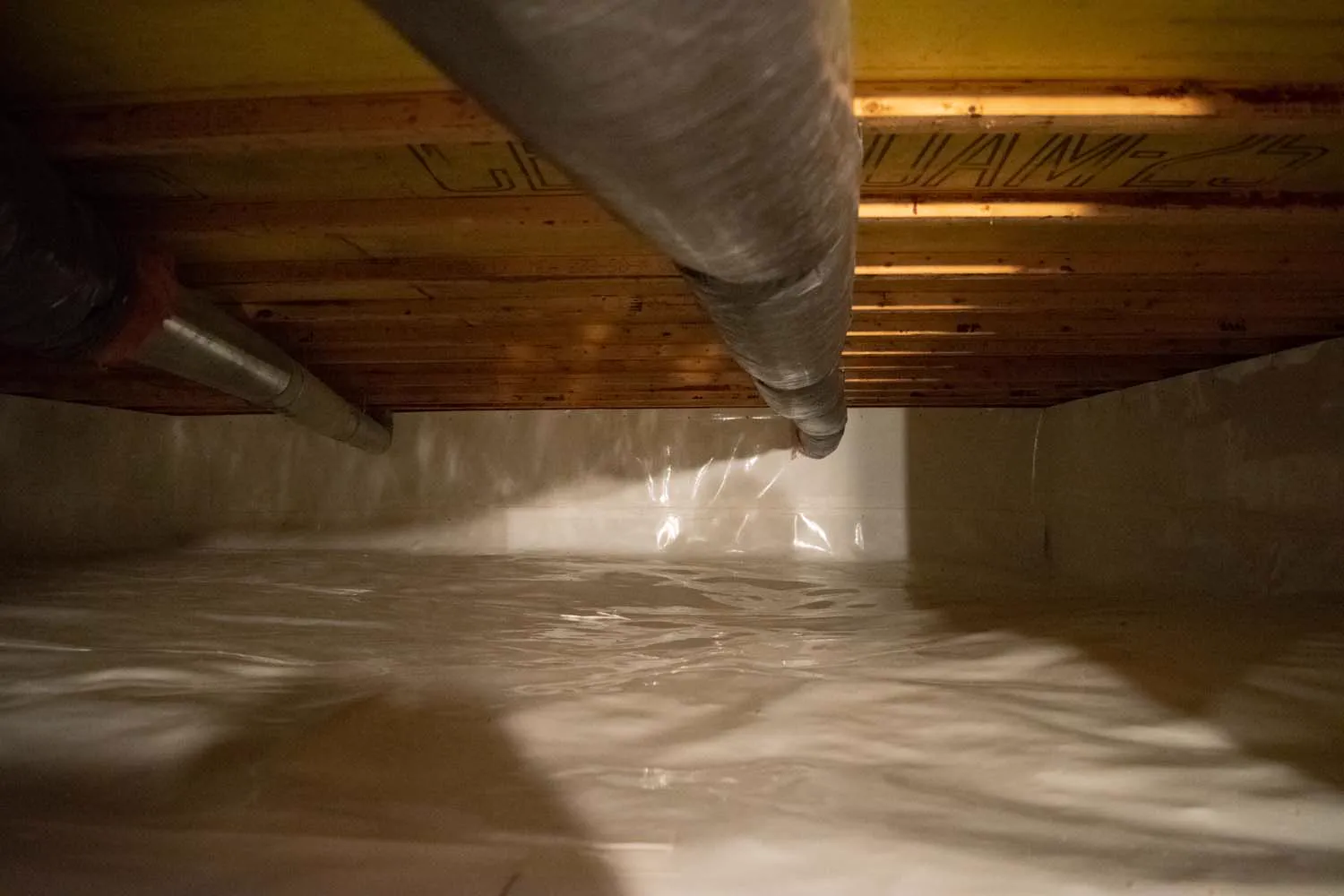
Then there’s the Grayson lot itself. Bigger yards here are great — until a heavy rain, when you realize all that water has to go somewhere, and your foundation is downhill of it. Clay sheds runoff instead of soaking it up.
What’s actually happening under your floor?
Two words cover most of it: hydrostatic pressure. Red clay swells when it soaks up rain, and saturated soil pushes hard against everything it touches. Water doesn’t need a big crack, either — under enough pressure it moves through concrete block the way it moves through a sponge.
That’s why a wall can be perfectly sound and still get damp. In fact, most walls we inspect in Grayson are structurally fine. The weak points are the seam where floor meets wall, the mortar joints, and any spot where a utility line passes through.
Worth knowing
Seepage and structural movement are two separate conversations. We’ll tell you plainly which one you have, and if it’s only seepage, we’ll say so before anyone talks money.
Grading is the other half of the story, and it’s the half that gets overlooked. Builders sloped these lots away from the house on day one. After twenty-plus years of settling, mulch beds and added patios, that slope has quietly flattened or reversed. As a result, storm water that used to run off now sits against the wall.
Groundwater plays a part too, especially on lots near the Alcovy River and the Big Haynes Creek tributaries that thread through the area. If you like understanding the science behind it, the USGS groundwater primer explains how a water table rises and falls, without trying to sell you anything.
Is yours mild, or is it something bigger?
Fair question, and you can get most of the way there yourself. Nearly every wet basement Grayson call we take starts with one of these five signs, and none of them are bad news.
Reading the signs
- Musty smell, nothing visible. Moisture is arriving as vapor. Mild, and often solved outside in the yard.
- Chalky white bloom on the block. That’s efflorescence — minerals left behind after water passed through.
- One damp corner after a storm. Extremely common, and usually one downspout is doing all the damage.
- Water tracking along the floor-and-wall joint. Pressure is winning at the seam, which points toward drainage.
- Standing water that hangs around for days. Time to have someone look. Still fixable, just a wider scope.
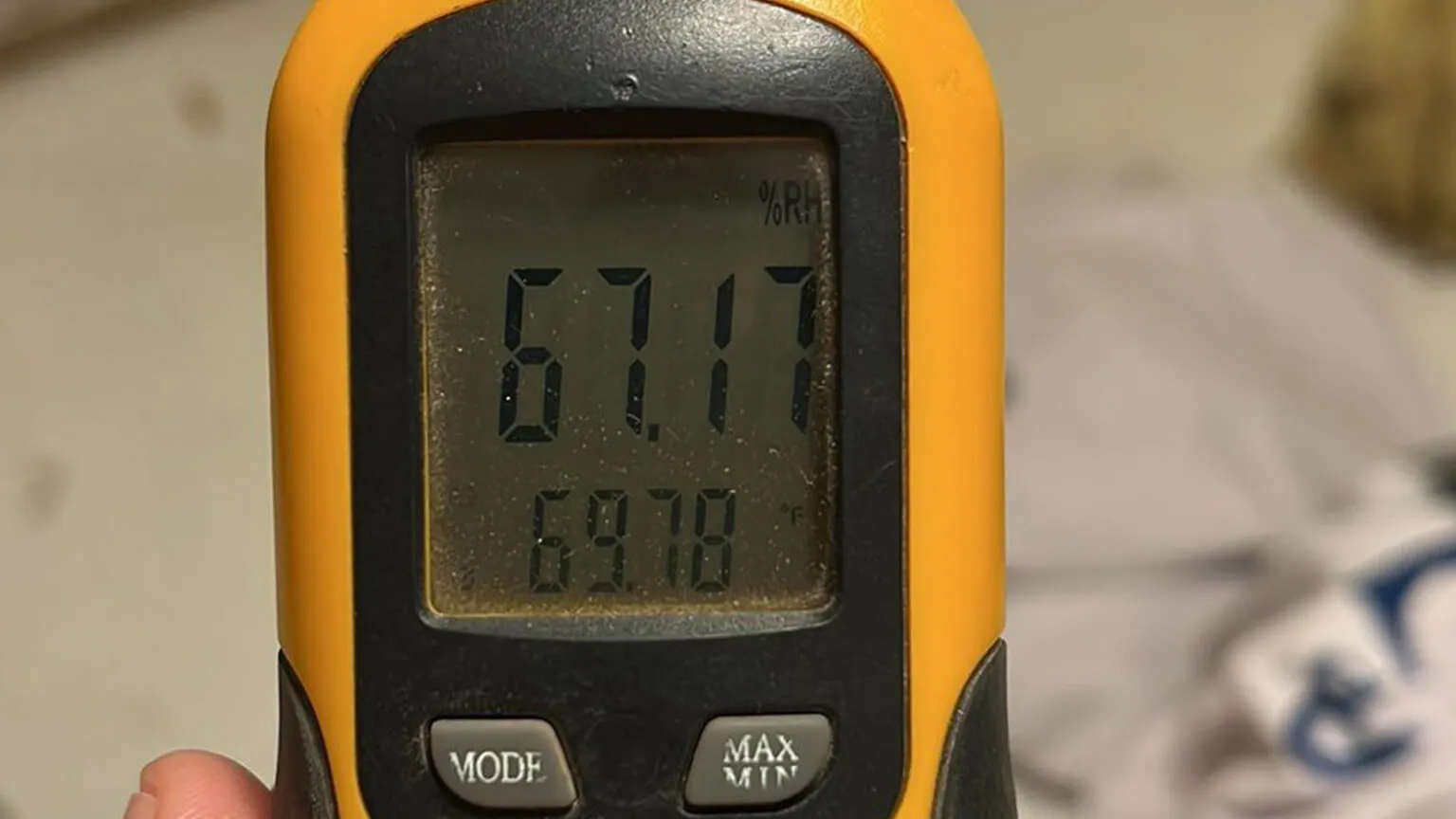
What happens if you leave it alone? Nothing dramatic, and we won’t pretend otherwise. Moisture problems widen slowly — stored things get ruined, humidity climbs, and an easy repair turns into a bigger one. The EPA’s guide to moisture control covers the indoor-air side clearly if you want to read up.
Where does most advice stop?
Right about here. Search this topic and most articles end with “extend your downspouts and fix your grading,” then wish you luck. That advice isn’t wrong. It’s just half a sentence.
Here’s the part that gets left out: on a big Grayson lot, fixing the wall without fixing the yard rarely holds, and regrading without a plan for where the water goes just moves the puddle. Otherwise you’ve relocated the problem to your neighbor’s fence line, which makes for awkward mailbox conversations.
So a real plan answers three questions. Where is the water coming from? How do we collect it at the house? And where does it discharge so it can’t circle back?
Most of the time the wall isn’t failing. Something outside the wall is delivering more water than the ground can carry away — and that’s a much friendlier problem to own.
We had a homeowner over in the Grayson Village district who’d already sealed his walls twice with paint-on products. Both times the damp came back within a season. The real cause was a collapsed buried downspout line, plus a patio that tipped water back toward the house. Once we handled those and ran drainage on that one wall, it stayed dry.
So how does it actually get fixed?
Simpler than most people expect. The old approach fought water at the wall with coatings, which is a raincoat on a submarine. Interior drainage systems collect water below the slab and route it to a sump before it ever reaches your floor, instead of trying to block it at the wall. Here’s the sequence.
- Walk the outside first. Downspouts, grade, patios, buried lines. Sometimes the whole fix lives in the yard.
- Read the foundation. Poured wall, block wall and walkout basements each get handled a little differently.
- Open a narrow strip of slab. Only along the affected walls, and only for a day of noise.
- Set perforated pipe in clean stone, below floor level. Depth is the whole ballgame here.
- Route it to a sump basin. The pump sends water well away from the house, not back into the flower bed for a second try.
- Close it up. Fresh concrete, wall liner where it’s called for, and our mess leaves in our truck.
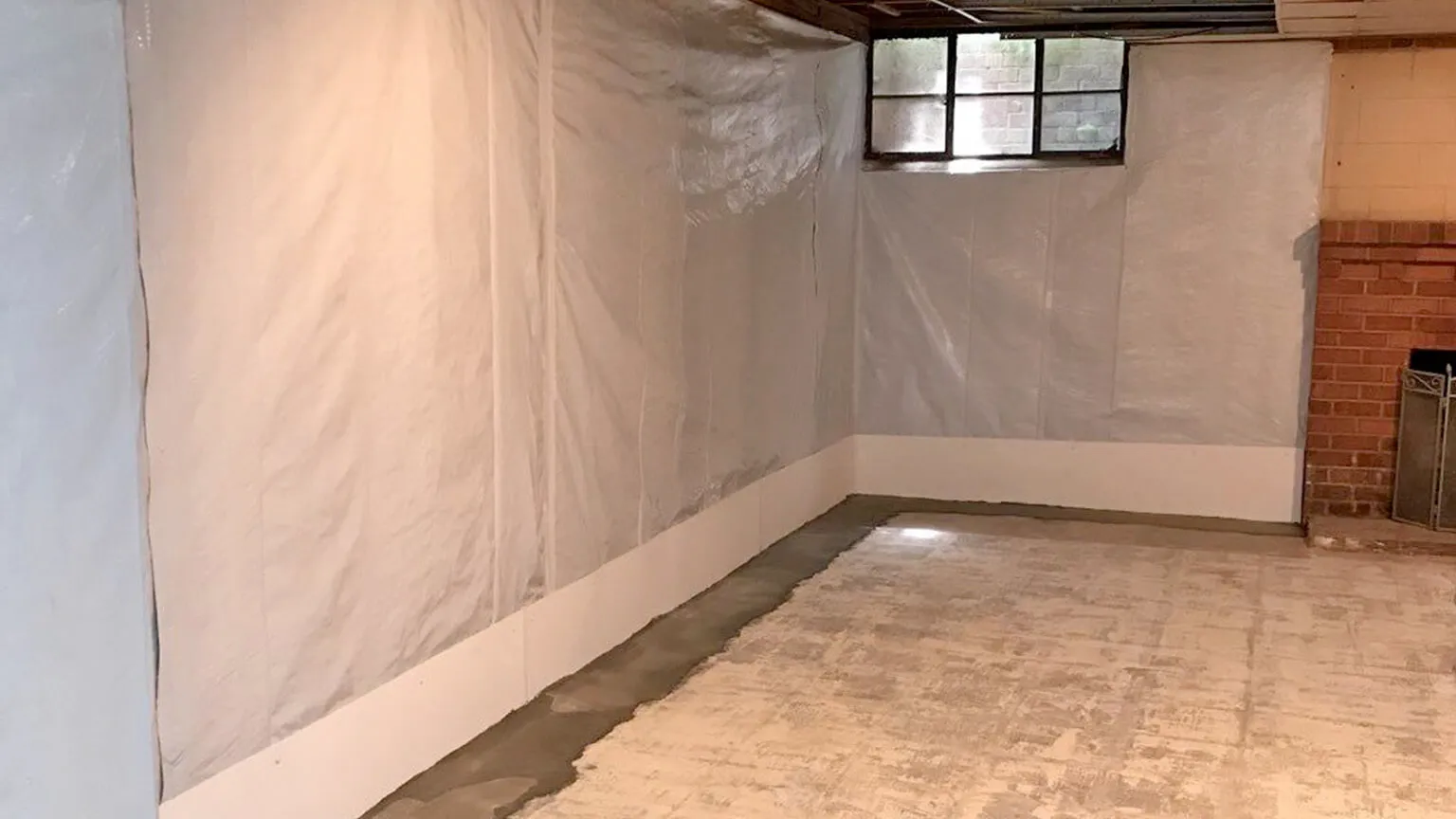
Most systems in a home this age run two to four working days. Add a day when the space is finished. Pricing tracks scope more than anything else, and our waterproofing cost breakdown walks through what moves the number. The basement waterproofing page shows exactly what we install and why.
Not every Grayson home has a full basement. Some older rural parcels out past historic Grayson downtown sit on crawl spaces instead, and for those crawl space encapsulation is the better system — different approach, same goal.
What should you do every year once it’s fixed?
Ready for the part almost nobody hands you? A dry basement stays dry with about an hour of attention a year. Here’s the short list we give homeowners after we finish, and it’s genuinely all of it.
Your once-a-year hour
- Clean the gutters twice. Once after leaf drop, once in spring. Clogged gutters undo good drainage faster than anything else.
- Check where downspouts end. They should discharge several feet out, not beside the wall.
- Walk the foundation and look at the soil line. If dirt or mulch sits above the top of the block, pull it back down.
- Test the sump pump. Pour a bucket of water in the basin and confirm it kicks on and shuts off.
- Look at the discharge line outside. Make sure the end isn’t buried, crushed by a mower, or frozen shut in January.
- Glance at the corners after the first big storm. Thirty seconds, and that’s the whole inspection.
Do those and the system will outlast most things in your house. Pipe and stone below the slab have nothing to wear out, so the pump is the only part with a service life. Plan on replacing it around the ten-year mark, like a water heater.
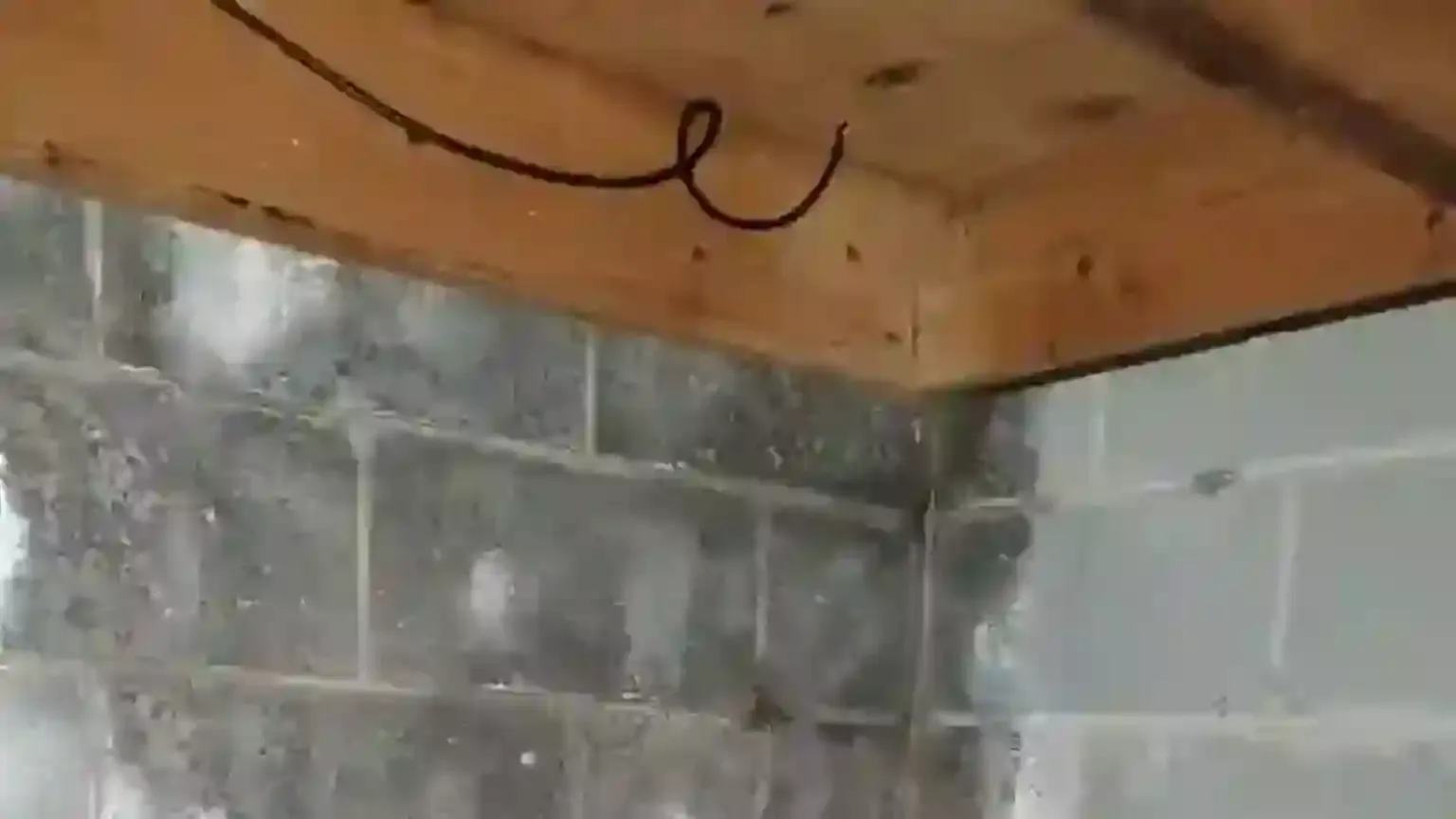
What does life look like once it’s dry?
Quieter, mostly. The smell fades within a few days once the moisture source is cut. Your sump cycles after a storm, which is the system working rather than a warning. By the second weekend, people carry boxes back downstairs without thinking twice.
A year in, you stop checking after rain — and that’s the real prize. One homeowner near Hidden Falls said the strangest part was watching a spring storm roll in and feeling nothing about it. No flashlight, no towels, no listening for drips.

Better yet, the space becomes usable again. Families off Grayson Parkway have turned theirs into playrooms, home gyms and one very well-organized craft room. That’s a whole floor coming back for a few days of noise.
If you’re comparing notes across the county, our Dacula wet basement guide covers how nearby subdivisions behave, since the housing stock and soil there are close cousins to ours.
Where we work around Grayson
We’re based in Lawrenceville, roughly twelve minutes up the road, so Grayson is a short drive for us. We also work throughout Snellville, Loganville, Dacula, Lilburn, Suwanee, Duluth, Buford, Bethlehem, Auburn and the wider Gwinnett area. Same crews, same trucks, same people you met at the inspection — no rotating cast of subcontractors.
Questions Grayson homeowners ask us
Usually, yes. We open only the bottom strip of wall and floor along the affected perimeter, then put it back when we’re done. Finished spaces sometimes hide moisture behind paneling, so we check that first — and if we find something, we’ll show you before we touch anything.
It certainly helps, mostly because a dry basement is a room buyers can count and a damp one is a question they can’t answer. You also get a transferable record of the work, which removes a common sticking point during inspection. Plus, a dry space is one you can actually finish later if you want to.
Often within a few days, and faster when there’s active water. Since we’re only about twelve minutes away in Lawrenceville, scheduling around here is easy. Live support runs seven days a week from 7am to 8pm, so you’re not leaving a voicemail into the void.
It depends on how much wall needs drainage, how deep the footing sits, and whether yard work is part of the plan. A single problem wall costs a fraction of a full perimeter system, so the inspection matters before any number does. We give you a written scope with the price, and projects over $3,500 get $500 off.
Most jobs in homes of this age run two to four working days. Finished basements add about a day, and exterior grading or drain work can add another. We’ll give you the schedule up front so you can plan around the noise.
Let’s find out what your Grayson basement really needs
We’ll walk the house and the yard with you, show you where the water is starting, and explain the fix in plain language. The inspection is free, the estimate is free, and nobody pressures you at the end of it.
(678) 914-5112Serving Grayson and all of Metro Atlanta · $500 off projects over $3,500 · Live support 7am–8pm, 7 days a week