

Wet Basement in Alpharetta: What’s Causing It and How It Gets Fixed
A plain-English walk through the damp spot, the smell, and the puddle — plus what a fair estimate should say.
Long before you owned the place, a builder stood on a graded lot and made a quiet decision about how water would leave your yard. That single call — where the pipe went, how steep the dirt sloped, how deep the gravel ran — is the reason you’re now standing at the bottom of the stairs typing wet basement Alpharetta into your phone. Good news, though: it’s a decision that can be re-made, and it gets re-made every week.
Nobody cut a corner on purpose. Back then the grading worked and the soil hadn’t settled yet. Thirty years of rain, roots, patios and mulch beds later, that original plan just doesn’t move water like it used to. So the water goes looking for somewhere else to be, and your basement is the lowest room in the house.
What are you actually looking at down there?
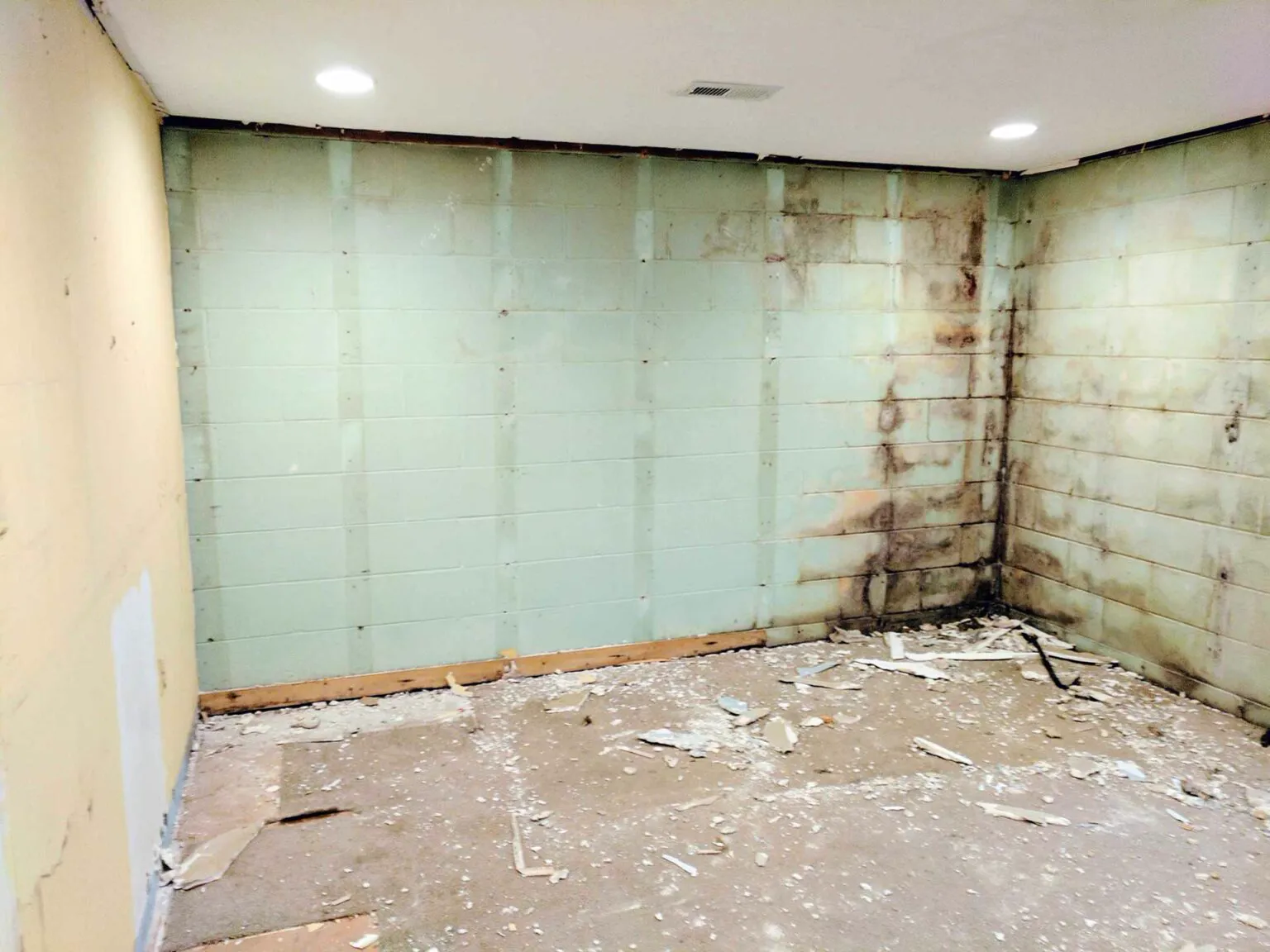
Let’s back up a second and name it, because vague worry is worse than a clear answer. Most homeowners call us about one of five things: a damp stain on the wall, a chalky white film, a smell that hits you halfway down the stairs, a puddle that shows up after storms, or carpet that feels cool and heavy in one corner.
All five are the same story told five ways. Water is arriving faster than the ground outside can carry it away, so it’s coming through the wall or the floor seam instead. Honestly, it isn’t rare — your basement is just the only room with dirt pressed against three or four of its sides.
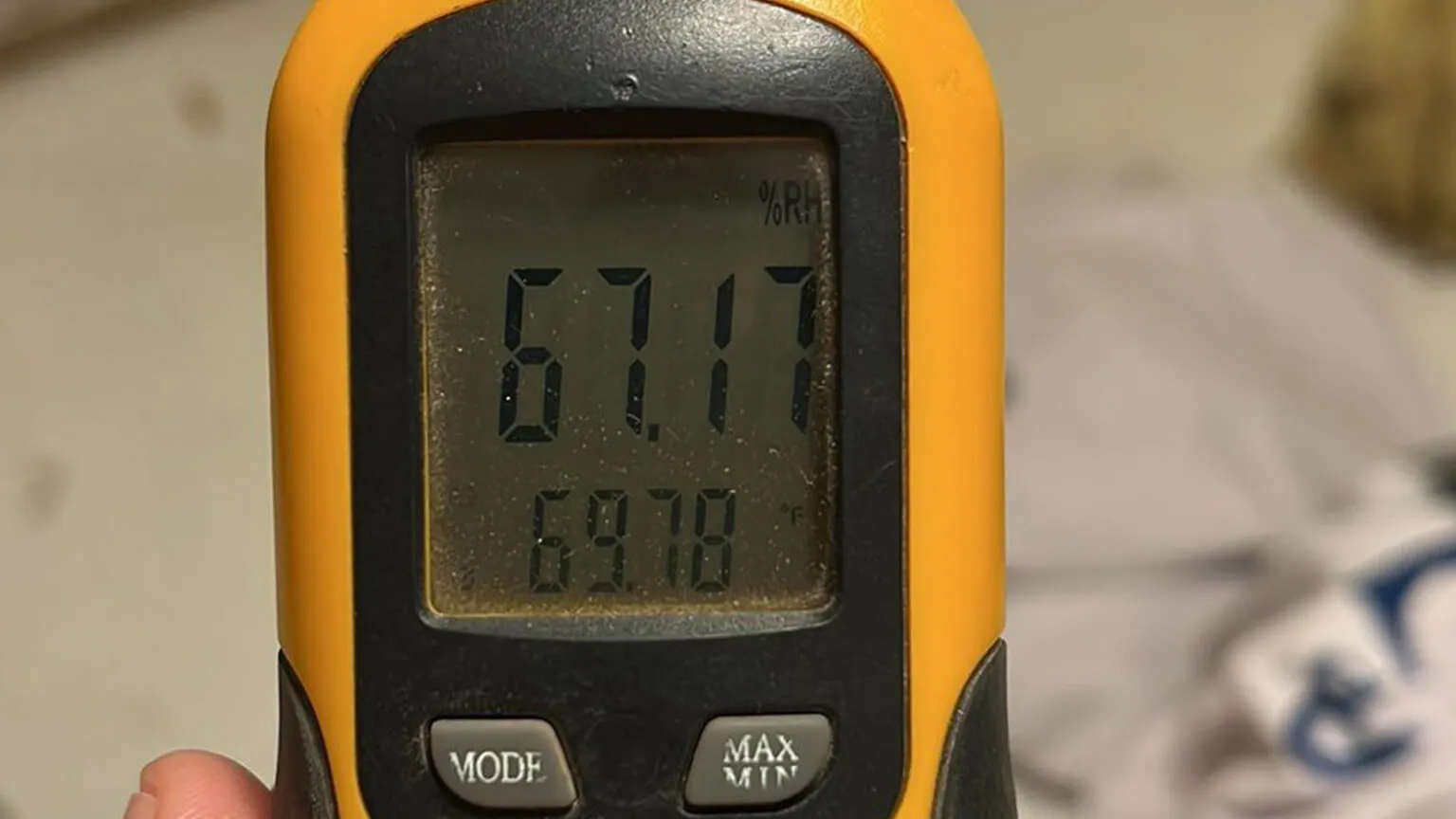
Here’s the part that surprises people: the wall doesn’t need a crack. Concrete and block are porous, so water wicks through solid material the same way a paper towel pulls up spilled coffee. Because of that, plenty of homeowners hunt for a hole that was never there in the first place.
So what’s the real mechanism?
Georgia red clay is the main character in this story. Clay drains slowly, and when it takes on water it swells, which means it pushes against your foundation walls with steady force. That force has a name — hydrostatic pressure — and it’s strong enough to move water through material that looks perfectly solid.
Under Alpharetta, that clay sits on weathered granite. Water soaks down, hits rock that won’t take it, and then spreads sideways looking for room. Sometimes it finds a gravel pocket, and sometimes it finds your footing. If you want the short science version, the USGS explanation of how groundwater moves lays it out well.
Good news
A wet basement and a failing foundation are two different conversations. Most homes we look at only need the first one — and we’ll tell you plainly which one you’re in, even when the answer is “less than you feared.”
How do you tell mild from serious?
This is the question everyone wants answered before they call anybody. There’s no scare tactic here, just a simple way to read what you’re seeing.
A calm way to size it up
- Mild. Damp smell, slightly cool wall, a stain that comes and goes with the weather. Often this traces back to a downspout or a flower bed sloping the wrong way.
- Medium. White powdery bloom on block, water at the floor seam after heavy rain, a dehumidifier that never seems to catch up. Drainage is usually the answer here.
- Worth looking at sooner. Standing water after every storm, a sump that runs constantly, or wall cracks that have grown. Still fixable — it just means the inspection should cover the structure too.
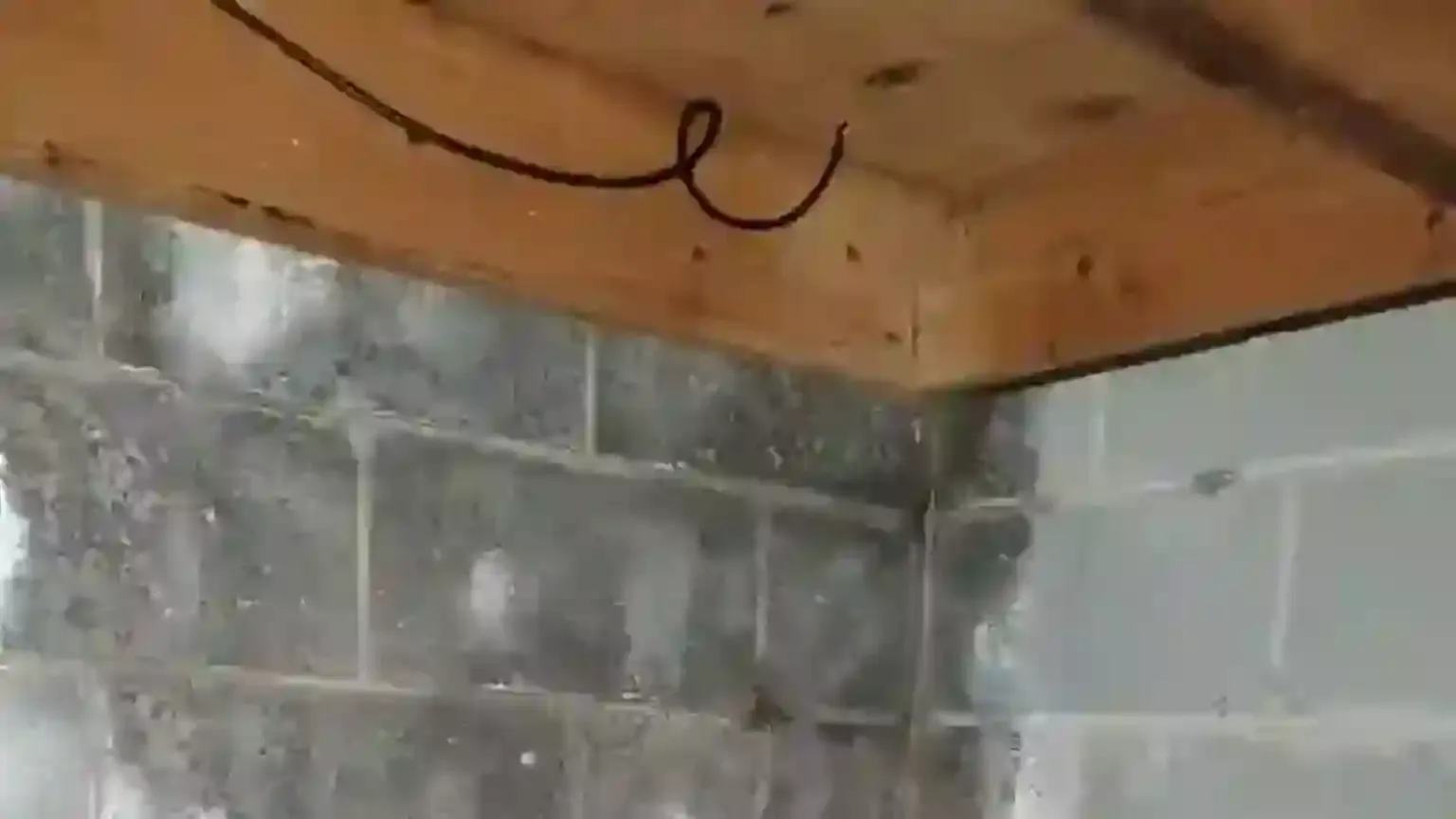
What happens if you leave it? Nothing dramatic, and we’re not going to pretend otherwise. Moisture problems just tend to widen slowly — damp drywall softens, wood trim swells, stored boxes give up, and humid air spreads through the rest of the house. The EPA’s guide to moisture control is a solid neutral read on why dry air matters indoors. So the honest answer is that waiting rarely costs you a house, but it usually costs you a bigger scope later.
Here’s the thing about Alpharetta houses specifically
Why does this city produce so many wet basement Alpharetta calls? Because of timing. Alpharetta’s boom-era subdivisions are now old enough that the original waterproofing has simply worn out — even on homes that look brand new from the street. A well-kept 1998 house with fresh paint and a new roof can still be running on 1998 drainage.
We see the pattern by neighborhood. Out around Hopewell Plantation, it’s mature lots where thirty years of settling changed the slope away from the house. Over near Academy Park, it’s older block walls that have been quietly wicking for a decade. In the Avalon district townhomes, it’s tighter lots and shared grading, where one downspout serves more house than it should.
Then there’s the Big Creek floodplain running right through the middle of town, which raises groundwater on plenty of otherwise ordinary streets. If your kids play ball at Wills Park or you commute the Windward Parkway stretch toward the Northwinds office park, you’ve driven over that low ground a hundred times without thinking about it. Your basement thinks about it constantly.
One more Alpharetta special: the finished basement office. This is a work-from-home town, so a huge share of these calls come from a room with a desk, a rug, and a very expensive monitor in it. That raises the stakes, but it also makes the fix more satisfying — you get your workday back, not just your storage.

What does the actual fix look like?
Simple idea, done carefully: stop trying to block water at the wall and give it an easier path instead. Interior drainage systems collect water below the slab and route it to a sump before it ever reaches the floor. Water is lazy, so if you hand it an easy exit, it stops being creative about your carpet.
- Find the source first. We walk the outside before we ever quote — grading, gutters, where roof water lands. Sometimes the whole fix is out there, and that’s a smaller invoice.
- Open a channel at the perimeter. A narrow strip of slab comes up along the affected walls. Loud and dusty, but usually a day or two.
- Set drainage below the slab. Perforated pipe in clean stone, below floor level, so water is collected before it arrives instead of mopped up after.
- Route it to a sump. The pump sends water well away from the house — not two feet from the foundation, where it would just take another lap.
- Close it back up. Fresh concrete, wall liner where it’s called for, and our mess hauled off. Leaving debris in the driveway isn’t a finish.
Twenty years in, the thing that changed our thinking is this: we stopped trying to block water and started routing it.
Now, about the estimate — this is where you get to feel confident instead of confused. A fair one names the linear feet, says whether a sump is included, spells out the discharge route, and puts the warranty in writing before work starts. If a quote is a single number with no scope, that’s not a plan, that’s a price tag. You can compare what drives those numbers on our waterproofing cost breakdown, and see the full range of basement waterproofing systems we install.
What about the rooms upstairs?
Ever notice the whole house feels a little heavy in the summer? Basement moisture doesn’t stay in the basement. Warm air rises through a house all day, pulling damp basement air up with it through stairwells, floor gaps and duct chases.
That’s why a wet lower level often shows up in places nobody links to it. Hardwood on the main floor can cup at the edges. Closets on the north side smell musty even after you clean them. Your HVAC works harder too, because damp air takes more energy to cool — and yes, that shows up on the bill.
Good news? Those symptoms usually fade on their own once the source is handled, without anybody touching the upstairs. Dry the bottom of the house and the rest tends to follow. Homeowners often mention the smell going first, sometimes within a week.
And if your house has a crawl space instead of a full basement, the same air rules apply, just lower. In that case crawl space encapsulation is usually the better answer. Comparing notes with family across the county line? We cover the same ground for the Duluth wet basement situation too.
Picture the after
Spring storm rolls through on a Tuesday night. You hear it, you roll over, and you go back to sleep — because you’re not doing the mental math about the corner behind the shelves anymore. Next morning the floor is dry, the air smells like nothing at all, and the desk chair is still exactly where you left it.
That’s the real product. Not a pipe in the floor, but a forecast you get to ignore.
Where we work around Alpharetta
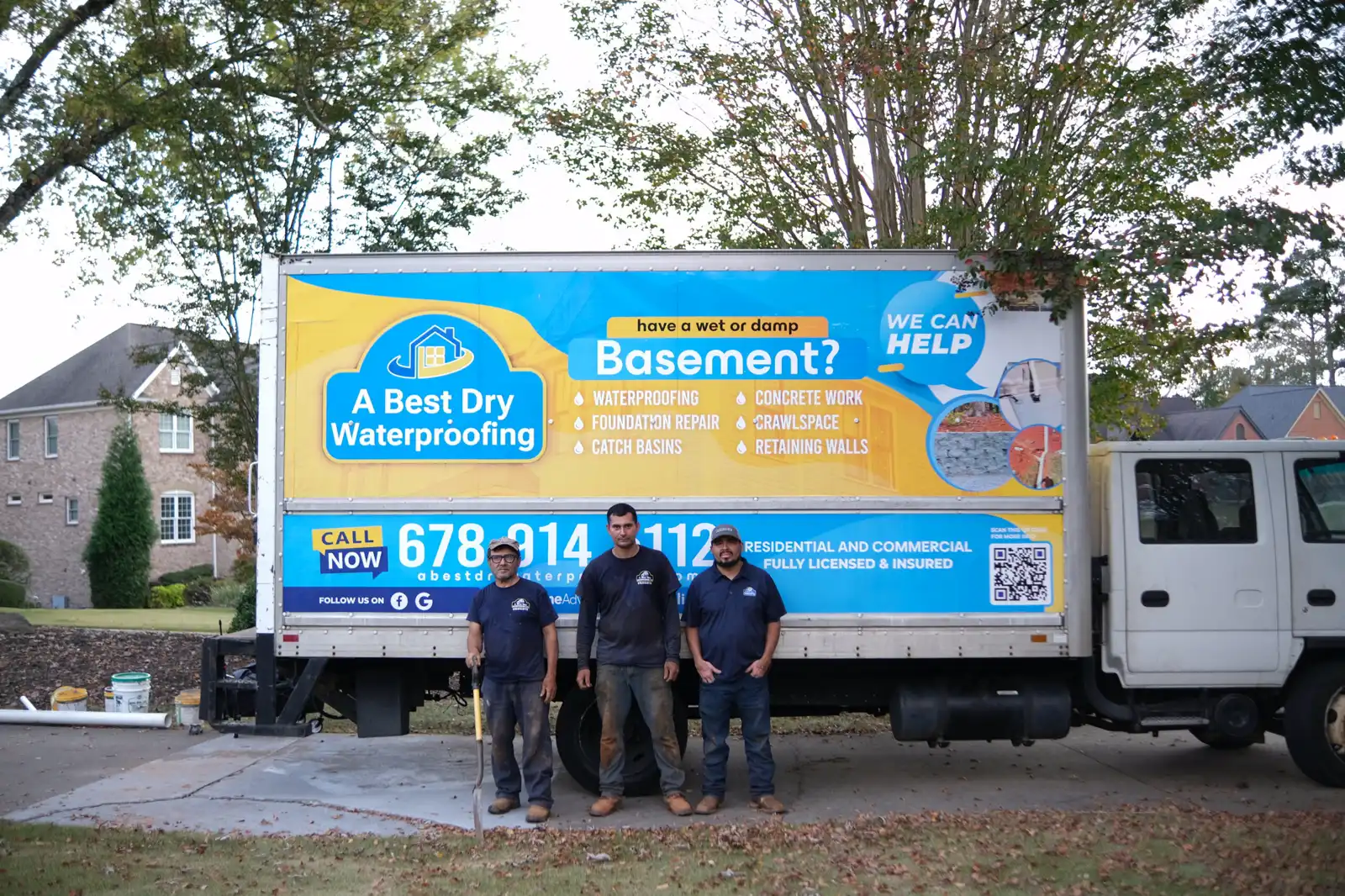
We’re based in Lawrenceville, a short drive from most of north Fulton. Along with wet basement Alpharetta work, we regularly help homeowners in Milton, Johns Creek, Roswell, Cumming, Duluth, Sandy Springs, Suwanee and Norcross, plus the wider Fulton and Gwinnett area. If you’re along the GA-400 corridor, odds are we already have a truck nearby.
Questions Alpharetta homeowners ask us
The drainage itself is built to last the life of the house, because it’s stone and pipe below the slab with nothing to wear out. The pump is the part with a service life, so plan on replacing one somewhere around the ten-year mark — about like a water heater.
Yes, and you get it in writing before we start, not after. Ask us to walk you through what’s covered in one sentence. If a warranty takes a page to explain, it isn’t really doing much for you.
Usually, yes. We open the drywall and flooring only along the affected walls, then put it back. It costs a little more than an open basement because there’s careful work before the real work, but you’re not gutting the room.
It helps most at sale time, since a documented, warrantied system answers the question every buyer’s inspector asks. It also turns unusable square footage back into real living space. That said, we’d rather you do it because you want the room back.
Often within a few days, and sooner when there’s active water. Live support runs 7 a.m. to 8 p.m., seven days a week, so you can reach a person outside work hours. The inspection and the estimate are both free.
Let’s find out what’s really going on under your Alpharetta home
The inspection is free, the estimate is free, and nobody pressures you at the end. We’ll show you where water is getting in and what a fair scope looks like — even if the fix turns out smaller than you expected.
(678) 914-5112Serving Alpharetta and all of Metro Atlanta · $500 off projects over $3,500 · Live support 7am–8pm, 7 days a week