

Waterproofing Cost in Loganville: A Step-by-Step Breakdown, No Upsell
The steps, the real price drivers, honest timelines, and when the smaller yard fix is the smarter buy.
“Hey, I’ve got water under my house and I just want to know what I’m looking at before somebody comes out and sells me the moon.” That’s close to word for word how these calls start, and it’s why folks go looking up waterproofing cost Loganville numbers before they ever pick up the phone. You’re not being difficult. You just want the real range and the real reason.
Good news, said plainly: this is fixable, and usually less mysterious than it feels. So let’s walk it out loud — steps, timing, what pushes the price around, and where the cheaper answer is the right one.
Why does water show up out here?
Because Loganville sits on rolling ground with big lots and red clay, and clay drains slowly. Rain soaks into an open yard, then travels sideways until it meets something solid. Your foundation is that something. On the Walton side especially, plenty of homes sit on crawl spaces instead of basements, which changes the whole conversation.
Here’s the thing about a crawl space: a wet one doesn’t stay down there. Damp air rises right into the rooms you live in, which is why folks often smell the problem months before they see it. Good news is the fix is simple, and the house smells like a house again.
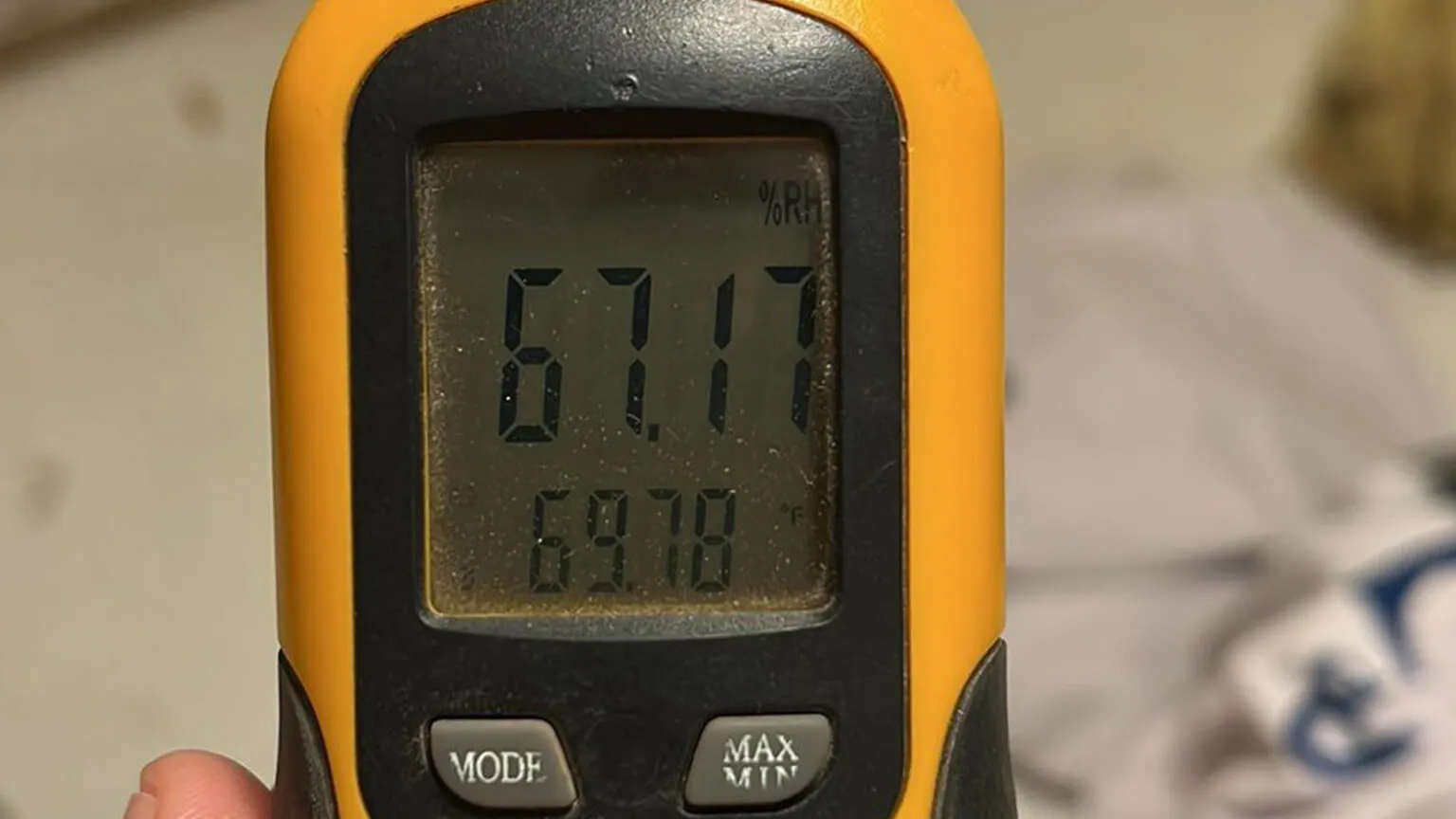
One more thing surprises people. Concrete is porous, so water moves through solid, uncracked walls by capillary action, a little like a paper towel pulling up a spill. That’s why a wall can be damp with no crack on it. For the science version, the USGS groundwater primer sells you nothing.
Worth knowing
Homes built in the early 2000s around here are hitting first-generation waterproofing failure. Those systems simply aged out. We’ll tell you which parts still do their job before anybody talks money.
What does the job actually look like?
Every property is a little different, but the order almost never changes. Here’s the honest sequence, start to finish.
- Walk the yard first. Downspouts, grade, low spots, and where the septic drain field sits. On big lots the answer sometimes lives entirely outside, which is a much smaller invoice.
- Get under the house. Crawl spaces tell the truth fast — standing water, missing vapor barrier, soft framing. Basements get read differently.
- Write the scope on paper. What we’re installing, where, and why each piece is there.
- Open the perimeter. In a basement, a narrow strip of slab comes up along the affected walls. It’s loud for a day, then it isn’t.
- Set drainage below floor level. Perforated pipe in clean stone, placed low, so water gets caught before it touches your floor.
- Send it somewhere real. The pipe feeds a sump basin, and the pump pushes water well away — not politely back to the flower bed for round two.
- Seal and close up. Fresh concrete, liner where it’s called for, ground sealed in a crawl space, and our mess in our truck.
Timeline? Most interior basement systems here run two to four working days. Crawl space work often finishes quicker, while a full encapsulation can stretch longer. Rain slides start dates too, since nobody should trench a yard in a downpour.
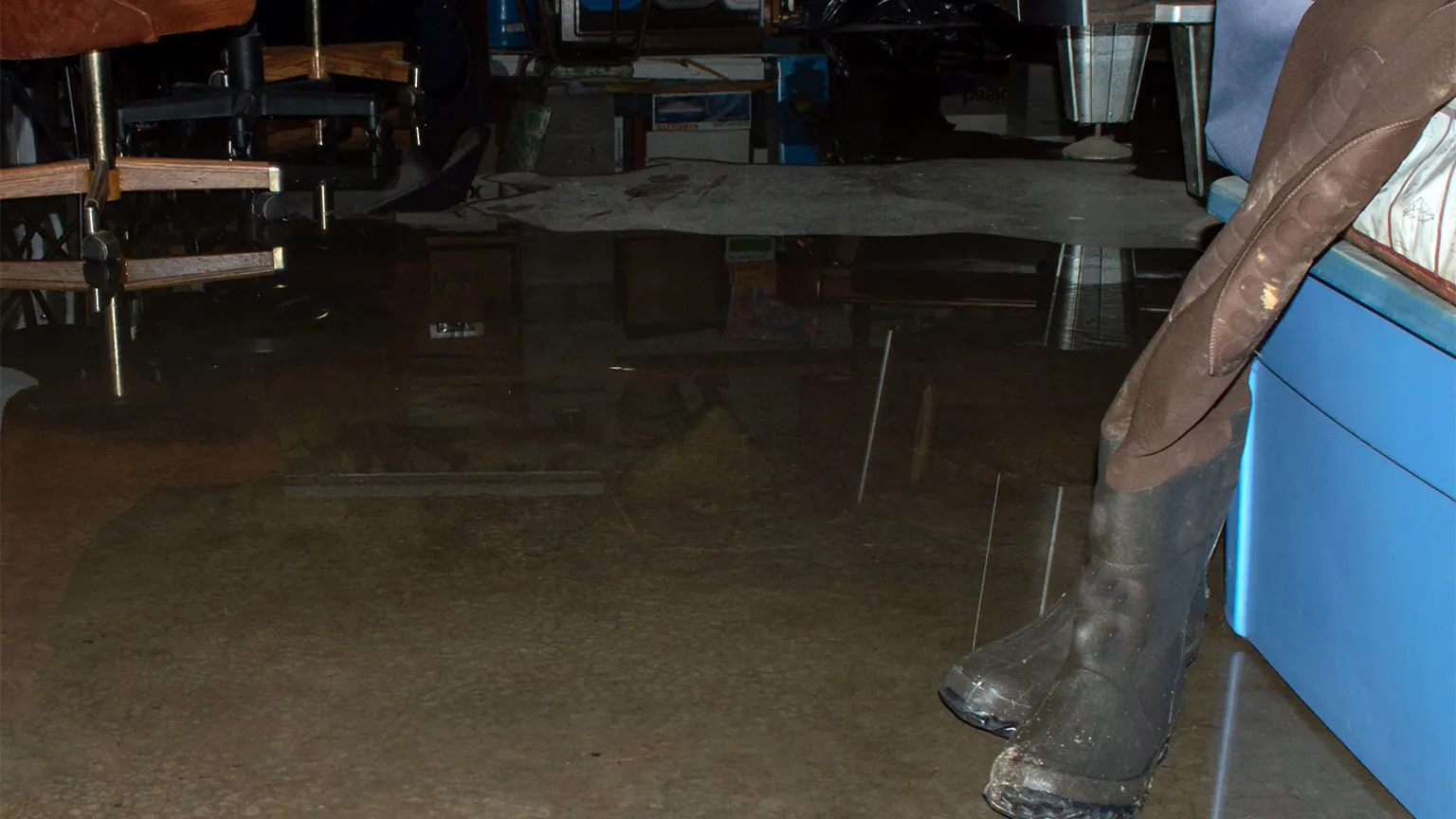
Real talk: the steps above are the easy half. Whether your system still works in year twelve comes down to one part almost nobody asks about — where the water goes after it leaves the pump.
Where does a system actually fail?
Not at the pipe. Not at the stone, either. Systems fail at the discharge — the line carrying water away from the house. Run it eight feet onto clay and that water walks right back to the footing, which means you paid for an expensive circle.
Good news is that this is very solvable, and on a big Loganville lot you have room most homeowners don’t. We route discharge far downhill, away from the drain field, to daylight where gravity finishes the job free. A homeowner near Windsor Creek had a solid system quietly recycling its own water for years, and the real repair was outside, not under the slab.
That’s also the honest reason we sometimes quote less than you expected. If your problem is a flat yard and short downspouts, a drainage correction is the right buy and a full interior system is overkill. We’d rather be the company you call again than the one that oversold you.
Real DIY wins
- Extend downspouts six to ten feet. Cheap, fast, and it quietly solves more crawl spaces than people expect.
- Pull soil and mulch off the wall. Regrading a few feet of dirt can drop the water load a lot.
- Find the low spots. If water stands after a storm, that’s your map. Mark it while it’s wet.
- Keep notes. Which wall gets damp, after which rain, and how fast it dries. That log beats any photo.
Now the other side, said with respect. Waterproof paint can’t beat water pressure, because a coating is a raincoat on a submarine. Loose plastic tossed over crawl space dirt isn’t encapsulation either — it has to be sealed to the piers. Sub-slab drainage isn’t weekend work, and not because the tools are exotic. A system set at the wrong depth looks identical to a correct one until the first hard spring storm.
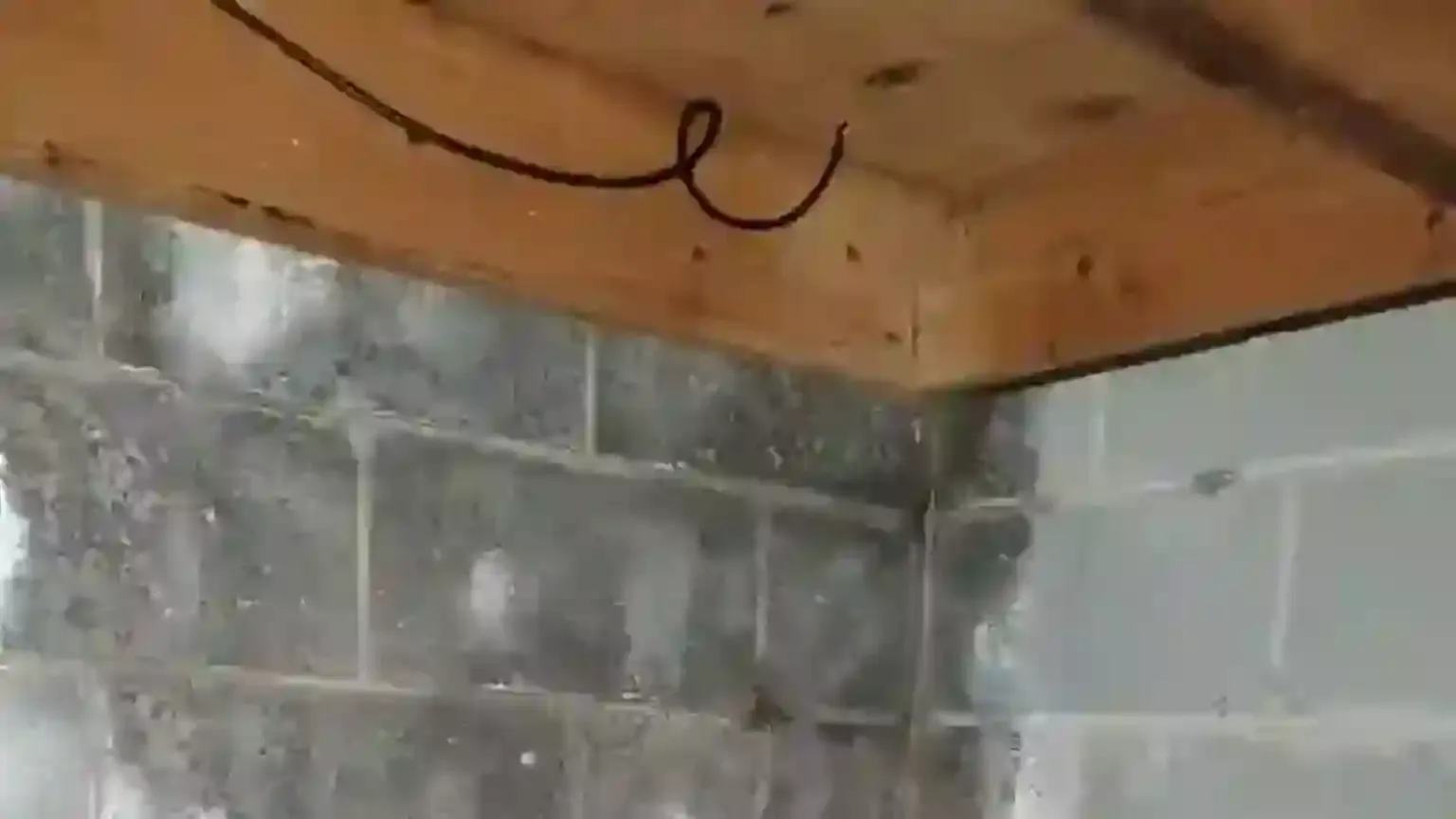
So what moves the number?
Straight answer: how much wall or ground is involved, and how hard it is to reach. Most waterproofing cost Loganville estimates swing on those two things before anything else. Anybody who quotes a flat price over the phone is guessing, so here’s what we actually weigh.
Price drivers, biggest first
- Linear feet. One wall versus a full perimeter is the single largest swing there is.
- Basement or crawl space. Crawl work is less invasive, but low clearance slows everything down, and that’s real labor.
- Access. Finished rooms, built-ins, or a tight crawl hatch all mean careful work before the real work starts.
- Discharge run. A long downhill run to daylight costs more trench than a short one, and it’s worth every foot.
- Outside corrections. Regrading, French drains, buried downspouts. Sometimes this is the whole fix, and we’ll say so.
- Septic layout. We work around drain fields, never through them, which occasionally reroutes a plan.
Small exterior corrections land at the low end. A full perimeter system with a new sump, or a sealed crawl space with a dehumidifier, sits at the top — most jobs land in between. After we walk your property you get a written number with the scope beside it. If you’d rather compare systems first, our rundown of waterproofing options puts them side by side, and the basement waterproofing page shows exactly what we install. Curious how pricing shifts closer to the perimeter? The Tucker waterproofing cost guide covers tighter lots and older stock.
How should you get ready?
Honestly, not much. Clear about four feet along the walls we’re working on, and slide boxes toward the middle. We’ll move the heavy things. Crawl space jobs need a clear path to the hatch, so that’s the one spot where a little yard work helps. Pets do better inside while the saw runs, and that’s the list.
Want a number that reframes all of this?
One inch of rain on a 2,400-square-foot roof sheds roughly 1,490 gallons of water. That’s one storm, one afternoon — and every gallon lands feet from your foundation unless something carries it off. Suddenly a downspout extension stops sounding small, doesn’t it?
Put that against a big lot where rain also arrives from uphill, and the picture gets clearer. You’re not fighting a leak. You’re managing volume, which is why drainage beats sealing nearly every time. Once you see it that way, the estimate turns into math you can check.
Week one. The floor is closed and curing, the sump cycles when it rains, and that’s the system working rather than a problem. Damp smells fade fast once the source is cut off.
Year one. You get through spring storms and a humid Georgia summer without thinking about it. A homeowner out toward Wildwood told us the strangest part was realizing she hadn’t looked under the house since March.
Year ten. Stone and pipe below the slab have nothing to wear out, so drainage keeps working quietly. The pump is the one part with a service life, so plan to swap it near the ten-year mark, same as a water heater. Meanwhile that space has been one less thing on your mind for a decade.
How do you know it was done right?
Ask for four things, and any honest crew hands them over without flinching. First, photos of the stone bed and pipe before concrete goes back. Second, a walk to the discharge point so you see where water lands. Third, a written warranty short enough to read in one sitting. Fourth, a plain reason your house got this plan and not a bigger one.
If your home sits on a crawl space — common on older properties between Bay Creek and Athens Highway (US-78) — the right answer is often crawl space encapsulation instead. Different build, same goal: dry air, solid framing, a house that smells clean. Moisture and indoor air are tied together, and the EPA’s guide to moisture control lays that out simply.
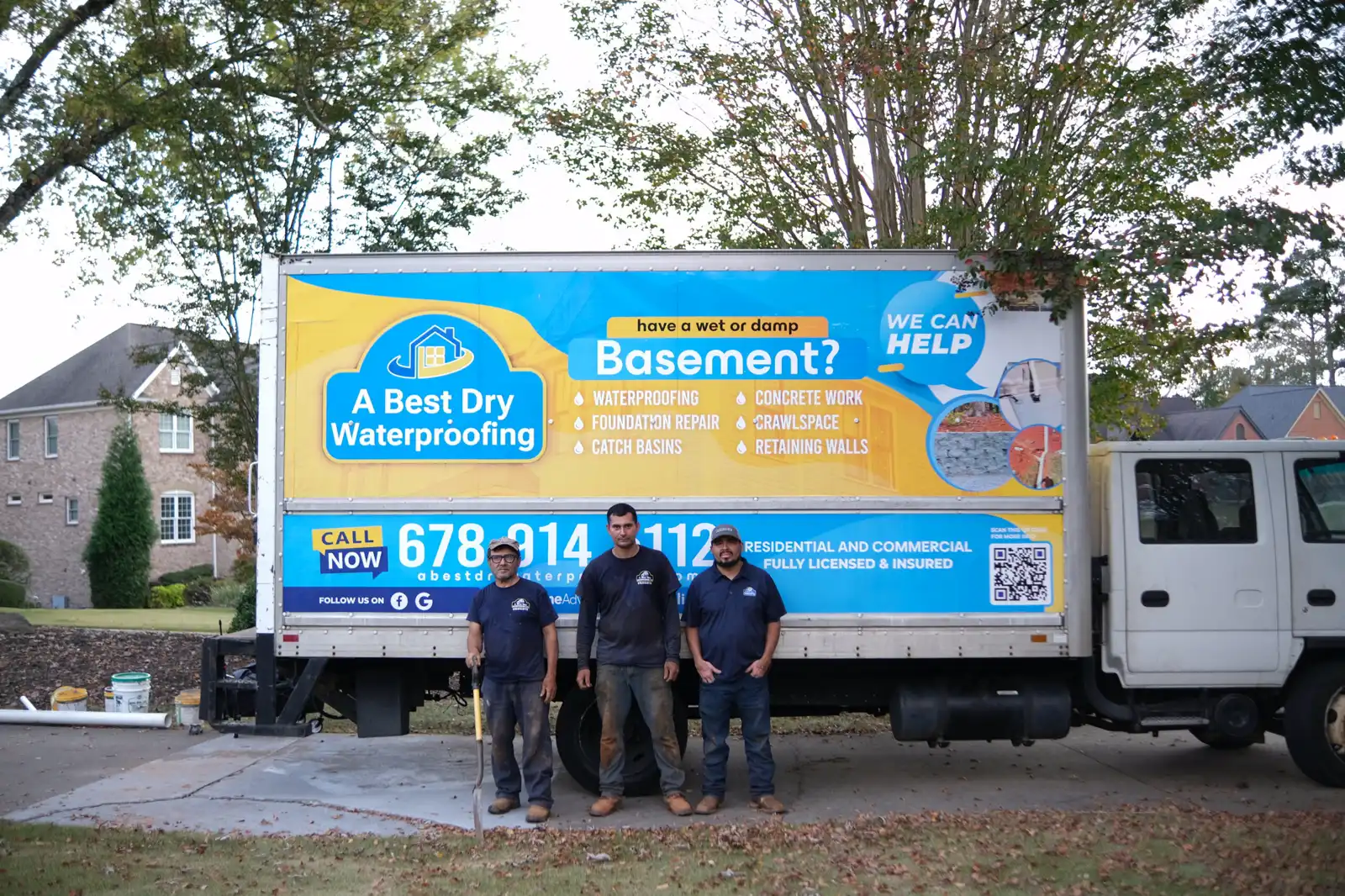
Where we work around Loganville
We’re based in Lawrenceville, roughly twenty minutes northwest, so we’re through here constantly — Walton side and Gwinnett side both. That covers Loganville, Snellville, Grayson, Monroe, Between, Bay Creek, Dacula, Centerville and Bethlehem. Whether you’re near the Rock Gym, past Downtown Loganville, or on a few acres off a county road, we’ve been under houses like yours.
Questions Loganville homeowners ask us
It depends on where the water starts, not on which one costs more. Interior drainage handles water that’s already reaching the wall, while exterior work stops it farther out in the yard. On larger lots out here, the outside fix is often the smarter buy, and we’ll say so plainly if that’s what we find.
The drainage itself is built to last as long as the house, because stone and pipe below the slab have nothing to wear out. The pump is the part with a service life, so plan on replacing it somewhere around the ten-year mark. Everything else just keeps working quietly in the background.
Yes, and you get it in writing before work starts rather than after. Ask us to explain what’s covered and for how long, in normal words. If a warranty can’t be summed up in a sentence or two, it isn’t doing you much good.
Usually, yes. We open only the bottom section of wall and floor along the affected perimeter, then put it back. Finished spaces sometimes hide moisture behind paneling, so we check that first — and if we find some, we’ll show you before we touch anything.
A dry, documented foundation is a real asset at sale time, since buyers here ask about crawl spaces early. Transferable warranty paperwork helps a lot during inspection. Beyond resale, you also get usable space and cleaner air right now, which is value you enjoy today.
Let’s find out what your Loganville home actually needs
We’ll walk the property with you, show you where water gets in, and explain the fix plainly — including when the smaller outside repair is the right call. The inspection is free, the estimate is free, and nobody pressures you.
(678) 914-5112Serving Loganville and all of Metro Atlanta · $500 off projects over $3,500 · Live support 7am–8pm, 7 days a week