

How to Choose the Best Basement Waterproofing in Milton, GA
What to ask, how to read an estimate, and the red flags worth walking away from — from a crew that has worked these hills for twenty years.
It showed up on line 42 of an inspection report. “Evidence of past moisture intrusion, lower level — recommend evaluation by a qualified specialist.” Two weeks from closing, and suddenly a family was searching for the best basement waterproofing Milton has to offer, with a deadline attached and no idea how to compare one company to the next.
Good news, and we mean this: that line on the report is not bad news. It’s information, and information is the cheap part. A dry lower level is very fixable, and by the end of this page you’ll know exactly what to ask, what a real estimate looks like, and how to spot the outfit that’s guessing. You’ll be the most prepared person in the room. That’s a good feeling to walk into your own house with.
What makes a Milton basement different?
Short answer? Size, slope, and what’s downstairs. In Milton the basement isn’t storage. It’s a finished floor of the house — a theater, a gym, a wine room, a suite where somebody’s parents actually live. So a small amount of water down there causes a very large amount of damage, and that changes how the job should be planned from the first phone call.
The land is the second half of the story. Lots run big and rolling, with pasture, woods, and long drives that change grade twice before they reach the house. Rain that falls on five acres has to go somewhere, and on red clay it doesn’t soak in nearly as fast as people expect. So it travels across the surface until it meets something solid, which is often a foundation wall.
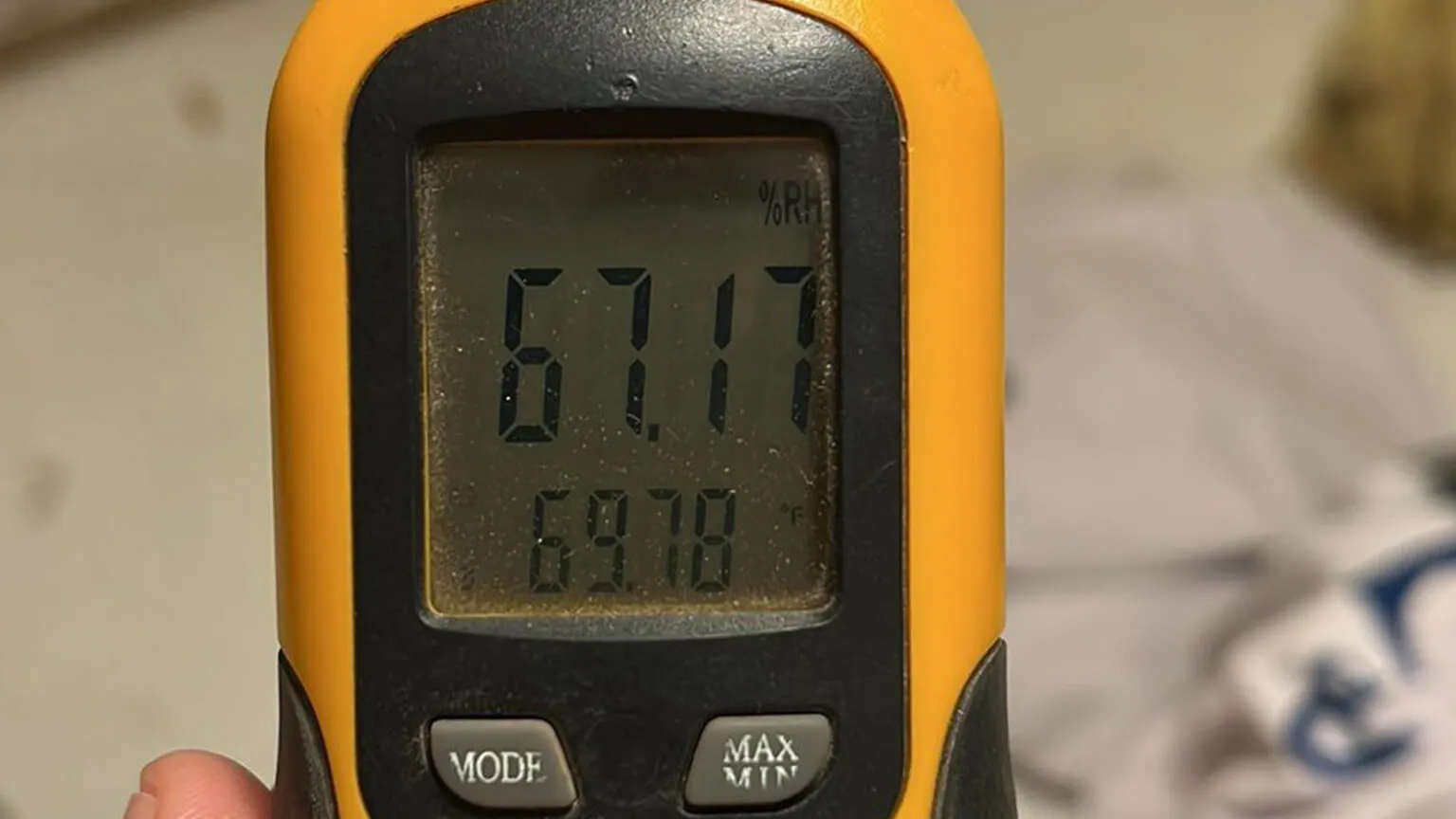
Then there’s age. Most homes here went up between 1995 and 2015, which surprises people who assume water is an old-house problem. It isn’t. Twenty-year-old exterior coatings get tired, backfill settles, and a house on a big open lot near Kensington Farms can start seeping without a single thing being wrong with how it was built. That’s a service life, not a defect.
Worth knowing
A wet basement and a failing foundation are two different conversations. Most homes we look at only need the first one, and we’ll say so plainly rather than selling you the bigger job.
Can we back up for a second?
Because there’s a question underneath the question. Everybody starts by asking “who’s the best company,” but the more useful question is “best at what, exactly?” A company that’s excellent at sealing a small crack in a townhome basement may have never touched a 4,000-square-foot finished lower level on four acres with a septic field uphill of it.
Here’s the thing: those are different trades wearing the same word. So the real test isn’t a shiny truck or a slogan. The real test is whether the person walking your property spends more time outside than inside. Water almost never starts where you see it. If nobody looks at your grade, your downspouts, your driveway, and the way the yard falls, they’re diagnosing a house they haven’t met.
The best waterproofing job in Milton is often the one that ends up smaller than the homeowner expected, because somebody found the source outside first.
We had a homeowner over near Six Hills who was braced for a full perimeter system. But the water was coming off a long paved drive that had been resloped years earlier, so it was arriving at the house by the truckload every storm. Fix the drive, redirect the flow, and the interior work shrank to a single wall. That’s a smaller invoice, and honestly a better night’s sleep for everyone.
Why does water push through solid concrete?
This part is worth two minutes, because it explains why cheap fixes fail. When clay soil takes on water it swells, and swollen clay leans on your foundation wall with real weight — a basement wall can face thousands of pounds of pressure from saturated soil. That force has a name. It’s called hydrostatic pressure, and it’s strong enough to push water straight through concrete that has no crack in it at all.
Concrete looks solid, but it’s porous, more like a very dense sponge than a sheet of glass. So water wicks through under pressure and shows up as a damp patch, a chalky white bloom, or a smell you notice at the bottom of the stairs before you ever see a drop. If you want the plain-science version, the U.S. Geological Survey’s groundwater basics covers how water moves through soil.
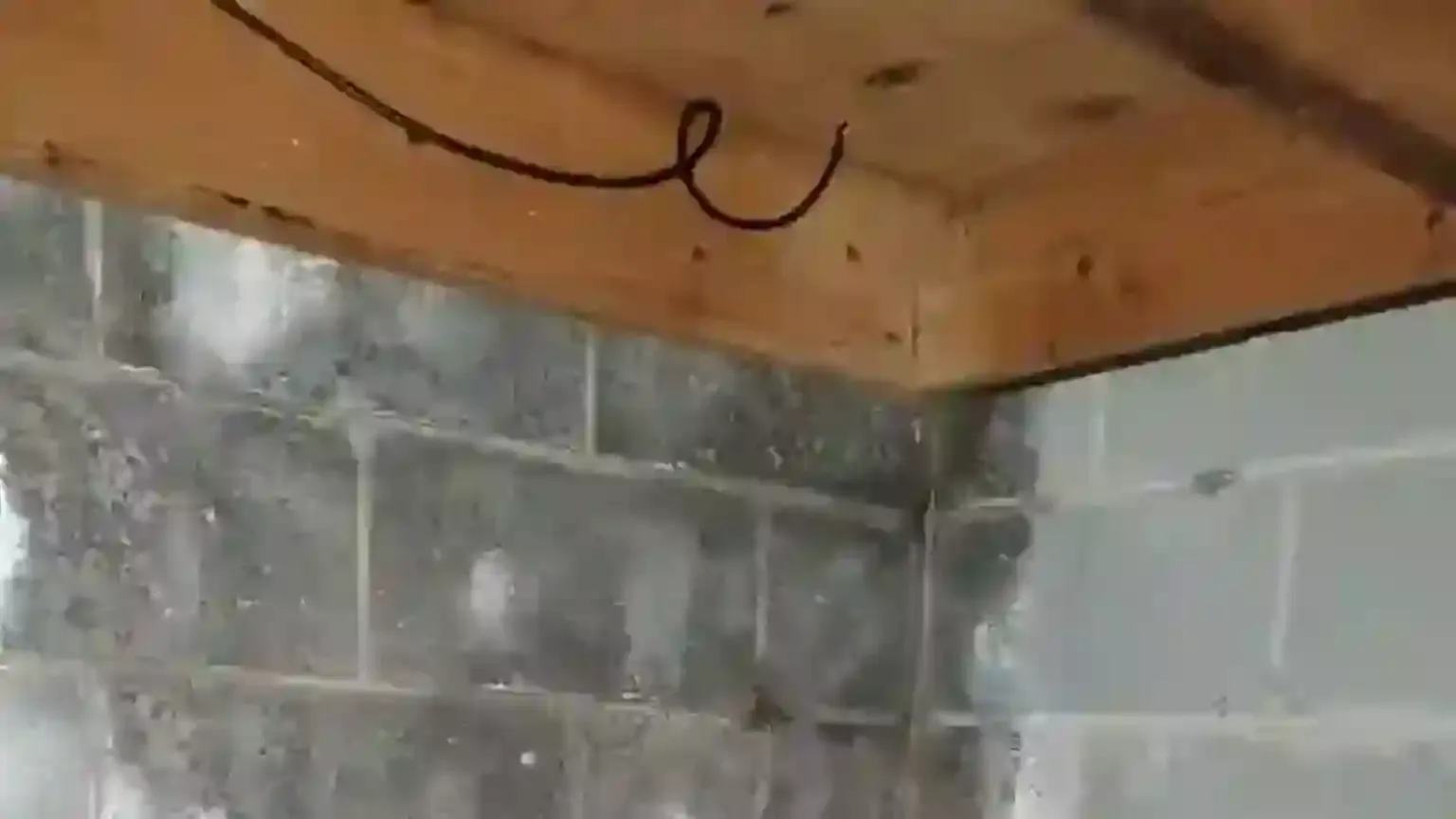
Which means a coating can’t win. Waterproof paint is a fine product for what it is, but it’s a raincoat facing a river. That’s why a good system stops trying to block water and starts routing it somewhere harmless instead. Give water an easier path, and it stops being creative about your floor.
How do you read an estimate?
Slowly, and with a pen. A real estimate is a plan you could hand to a stranger and have them build the same job. A weak one is a price and a promise. Here’s what should be on the page before you sign anything.
What a strong estimate spells out
- The diagnosed source. Not “water intrusion.” Where it’s entering and why, in a sentence you understand.
- Linear feet by wall. Which walls get drainage, and how many feet of each. This is the biggest price driver, so it should never be vague.
- Depth and materials. Perforated pipe in clean stone, set below the slab. Ask where the pipe sits relative to your floor.
- Discharge point. Where the sump sends water, and how far from the house. Water dumped by the foundation just comes back around.
- Restoration. Who reinstalls the drywall, trim, carpet and built-ins in a finished space — and whether that’s in the number or not.
- Warranty terms. In writing, before work starts, in language you can repeat out loud.
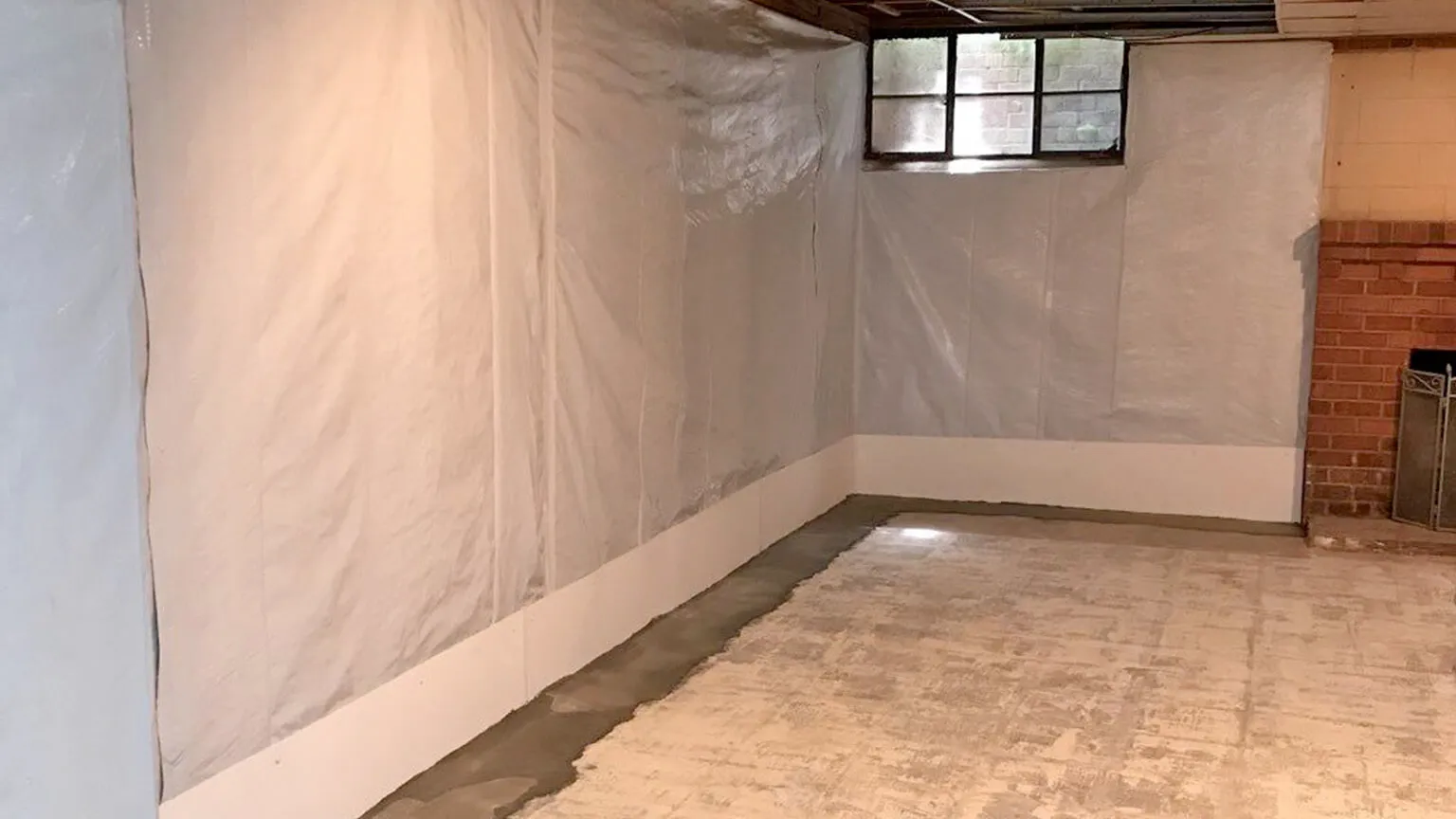
That last one matters more here than almost anywhere. Finished basements mean the demolition and rebuild can rival the drainage itself in cost, so two bids can look thousands apart simply because one of them quietly leaves your theater room in pieces. Ask. Every time.
What should you ask before you hire?
Five questions do most of the work, and none of them require you to know anything technical.
- “Show me where the water is starting.” A good answer points outside at least part of the time.
- “Have you worked on homes like mine nearby?” Big finished lower levels on acreage are their own skill set.
- “Who’s actually on my property?” Same crews or subcontracted strangers — both exist, and you deserve to know which.
- “What happens in year six?” A warranty is only as good as the company still answering the phone.
- “What’s the smallest version of this job?” Anybody unwilling to describe a cheaper option probably only sells one.
Red flags are simpler. Be careful with a firm price quoted over the phone, sight unseen — that’s a guess, and you’d be paying for it. Watch for a discount that expires today, an inspector who never leaves the basement, and a proposal with no linear footage on it. Also, if the plan is paint, it’s not a plan. Your lower level shouldn’t need a raincoat.
One more, gently: a bid that’s dramatically cheaper than every other bid is usually a smaller job in disguise. Sometimes that’s great news. Sometimes it means three walls got left out. Either way, compare the scope lines, not the totals.
What if it isn’t what you think?
This happens more than you’d guess. A homeowner off Crabapple Road called about a wet wall in a finished basement, fully expecting to hear that the foundation was cracked. Two weeks of worry, a room they’d stopped using, and a very reasonable assumption. But the walkthrough told a different story.
The wall was fine. What had changed was the yard — a stand of trees had come out a few years back, and without those roots pulling water, the whole upper slope started shedding runoff toward the house. The foundation wasn’t failing. It was just standing downhill of a new little creek that appeared every time it rained hard.
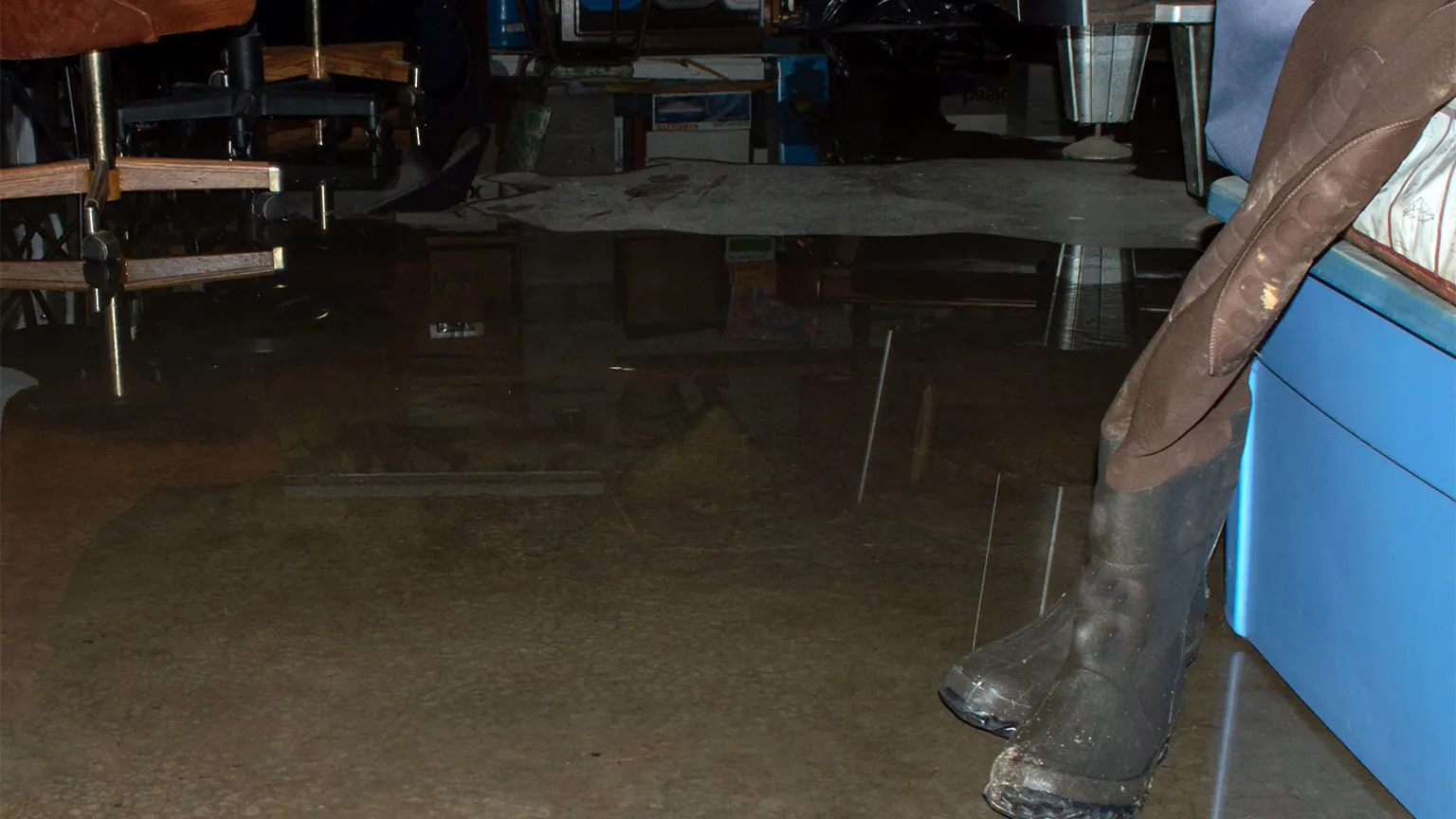
So the fix was mostly outside: regrading, a catch basin, a buried line carrying water well past the house, plus drainage on one interior wall as insurance. Half the job they’d braced for. That’s the difference a real diagnosis makes, and it’s why we won’t quote a Milton house without walking the property first. The house told us the truth once somebody went outside to listen.
Now picture the other side of it. The floor stays dry through a hard spring storm, the musty smell at the bottom of the stairs is simply gone, and the finished space is a room you use again instead of a room you explain. Better yet, when the sky opens up over Birmingham Falls on a Saturday afternoon, you don’t think about your basement at all. You think about the rest of your weekend.
Are we the right fit for your house?
Sometimes yes, sometimes no, and we’ll tell you either way. We’ve spent twenty-plus years on Metro Atlanta foundations, and a lot of that time has been on exactly this kind of house — big finished lower levels, long drives, sloped acreage, and septic fields that complicate the picture. We know the Crabapple side of town, we’ve worked the lots that fall away toward the creeks, and we’ve had crews near Bell Memorial Park on more than a few Saturdays.
What you get from us is boring in the best way. Same local crews, licensed and insured, a written scope with real numbers, and a plan explained in words you can repeat to your spouse. Stop the source, protect the structure, explain the plan, build it to last. That’s it. That’s the whole pitch.
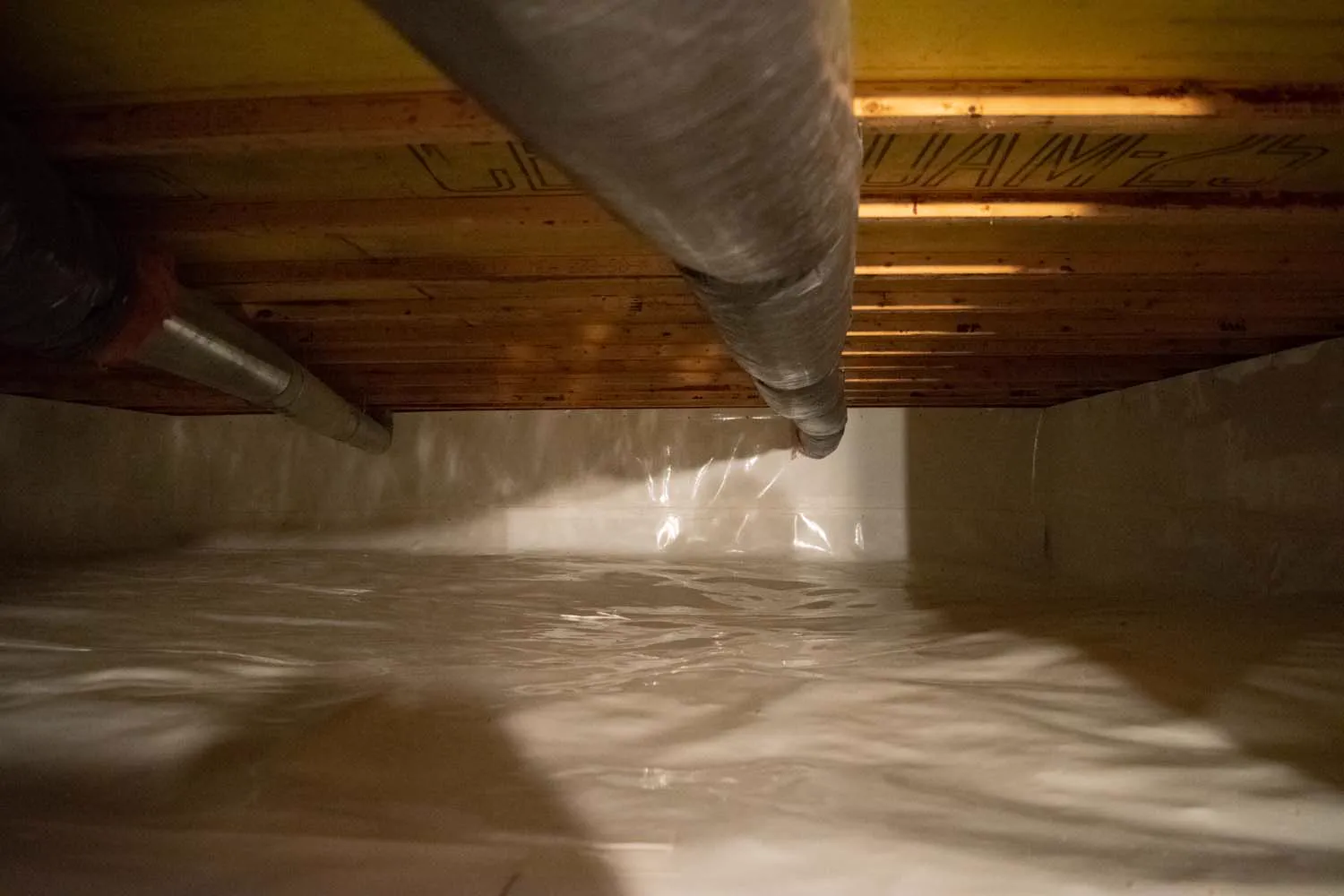
Still working out what you’re looking at? Our overview of keeping a lower level dry here in town covers the symptoms, and the drainage systems we install are laid out in detail. If the damp spot is under a vented area instead of a slab, crawl space encapsulation is usually the better answer. Comparing notes with family up in Forsyth? We cover Cumming best basement waterproofing the same way. For a neutral third-party read, the EPA’s guide to moisture control is ten well-spent minutes.
Where we work around Milton
We’re about thirty-five minutes southeast, so Milton is a regular stop for our trucks. We work throughout Alpharetta, Roswell, Crabapple, Cumming, Johns Creek, Woodstock and the rest of Cherokee County, along with Sandy Springs, Dunwoody and the wider Fulton area. If you’re out near Kensington Farms, over by Six Hills, or anywhere along Crabapple Road, odds are good we’ve already been on your street.
Questions Milton homeowners ask us
Mostly, yes. We open a narrow strip along the affected walls, which means removing the bottom section of drywall and flooring there, not the whole room. Cabinets, built-ins and trim come off carefully and go back. We’ll show you the exact footprint before anybody starts.
It protects value more than it adds it, and that’s the honest framing. A documented, warrantied system answers the moisture question on an inspection report instead of leaving a buyer to imagine the worst. In a house where the lower level is real living space, that’s a big deal at closing.
Usually within a few days, and faster when you’re up against a closing date. The inspection and the estimate are both free, and there’s no pressure at the end. Our live support runs 7 a.m. to 8 p.m., seven days a week.
It depends on how much wall is involved, how hard it is to reach, and how much finished space has to come apart and go back. Small drainage corrections land at the low end, while a full perimeter system with a new sump in a finished lower level sits well above that. After we walk it, you get a written number with the scope spelled out — never a phone guess.
Most interior systems run two to four days on site, depending on how many linear feet we’re covering. Exterior grading and drainage work can add a day or two, mainly because of weather. Finish carpentry afterward is scheduled separately so the concrete has time to cure.
Let’s take a real look at your Milton basement
The inspection is free, the estimate is free, and you’ll get a straight answer about what’s actually happening down there — including when the fix is smaller than you feared. Then you decide, on your schedule.
(678) 914-5112Serving Milton and all of Metro Atlanta · $500 off projects over $3,500 · Live support 7am–8pm, 7 days a week