

How to Choose the Best Basement Waterproofing Loganville Has, Without Getting Upsold
What makes homes out here different, what a good crew should do about it, and the questions that tell you everything before you sign a thing.
Two houses on the same street, built the same year by the same builder. One stays bone dry every spring. The other gets a puddle by the stairs after every good storm. So when folks go looking for the best basement waterproofing Loganville can offer, that gap is really the whole question — because nothing about those two houses looks different from the curb.
Good news right up front: the difference is almost never mysterious. It’s usually water arriving somewhere it shouldn’t, and that has a fix. Sometimes it’s a big fix. Honestly, though, it’s often a small one.
So why does one house stay dry?
Because of what’s happening outside and underneath, not what’s on the wall. One lot slopes a hair toward the house. Another has a downspout dumping four feet from the corner instead of twenty. One sits a little lower in the same gentle bowl, so groundwater sits higher against the footing after a long soaking week.
None of that shows up on a listing photo, but all of it shows up in your basement. That’s why an honest inspection starts in the yard, not in the basement with a sales folder.
What makes a Loganville home different?
Land, mostly. Lots out here are bigger and the ground rolls, and it all drains slowly toward the Alcovy River and Big Flat Creek. Add red clay that holds water like a sponge holds a grudge, and you get wide yards that stay soggy for days after a storm.
Then there’s the housing stock. Most of these homes went up between the mid-1990s and the mid-2010s, so they’re not old houses — but plenty of them are hitting the age where first-generation waterproofing quits. Meanwhile the semi-rural fringe holds older properties on block piers, and those tell a completely different story.
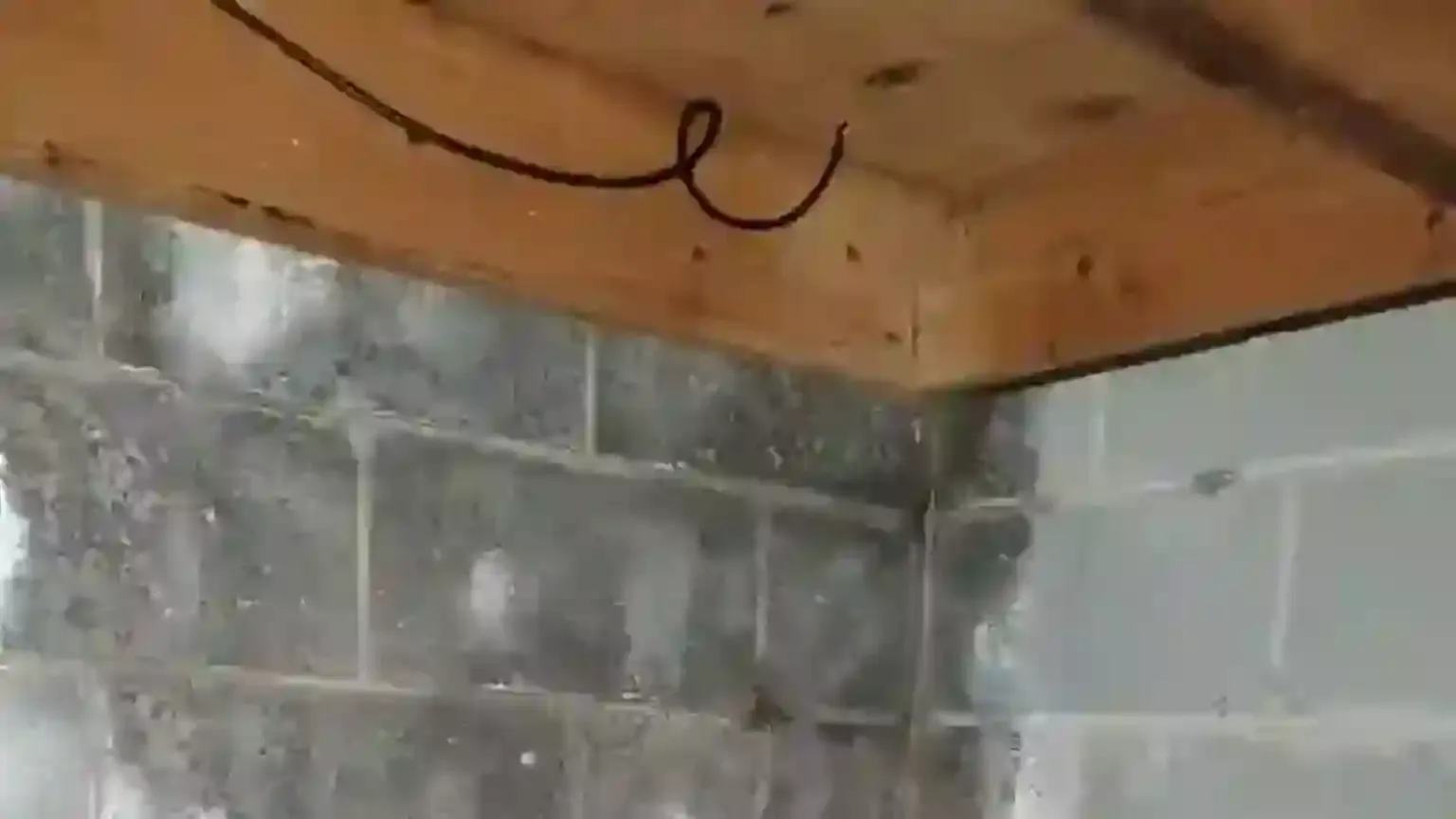
Here’s the big one, and it’s the thing out-of-town crews miss. Out in Loganville a lot of homes sit on crawl spaces, not full basements, and a wet crawl space doesn’t stay down there. That damp air rises right up into the house you’re living in, which is why a musty smell in the hallway often starts three feet below the floor.
Septic systems matter too, since many properties here have one. A drain field working hard in a wet season can keep soil near a foundation saturated for weeks. Good news — that’s a drainage puzzle, and it’s solvable once somebody looks at the whole lot instead of one wall.
Before you call anyone, understand this one distinction
There are two completely different jobs that get sold under the same name. One is stopping water that’s already inside. The other is stopping water from ever arriving. Companies that only sell the first one will happily install a big system when a hundred feet of pipe in your yard would have done it.
Worth knowing
An interior drainage system collects water below the slab and routes it to a sump before it ever reaches your floor, instead of trying to block it at the wall. That’s why it works so reliably — it isn’t arguing with pressure, it’s giving water an easier path.
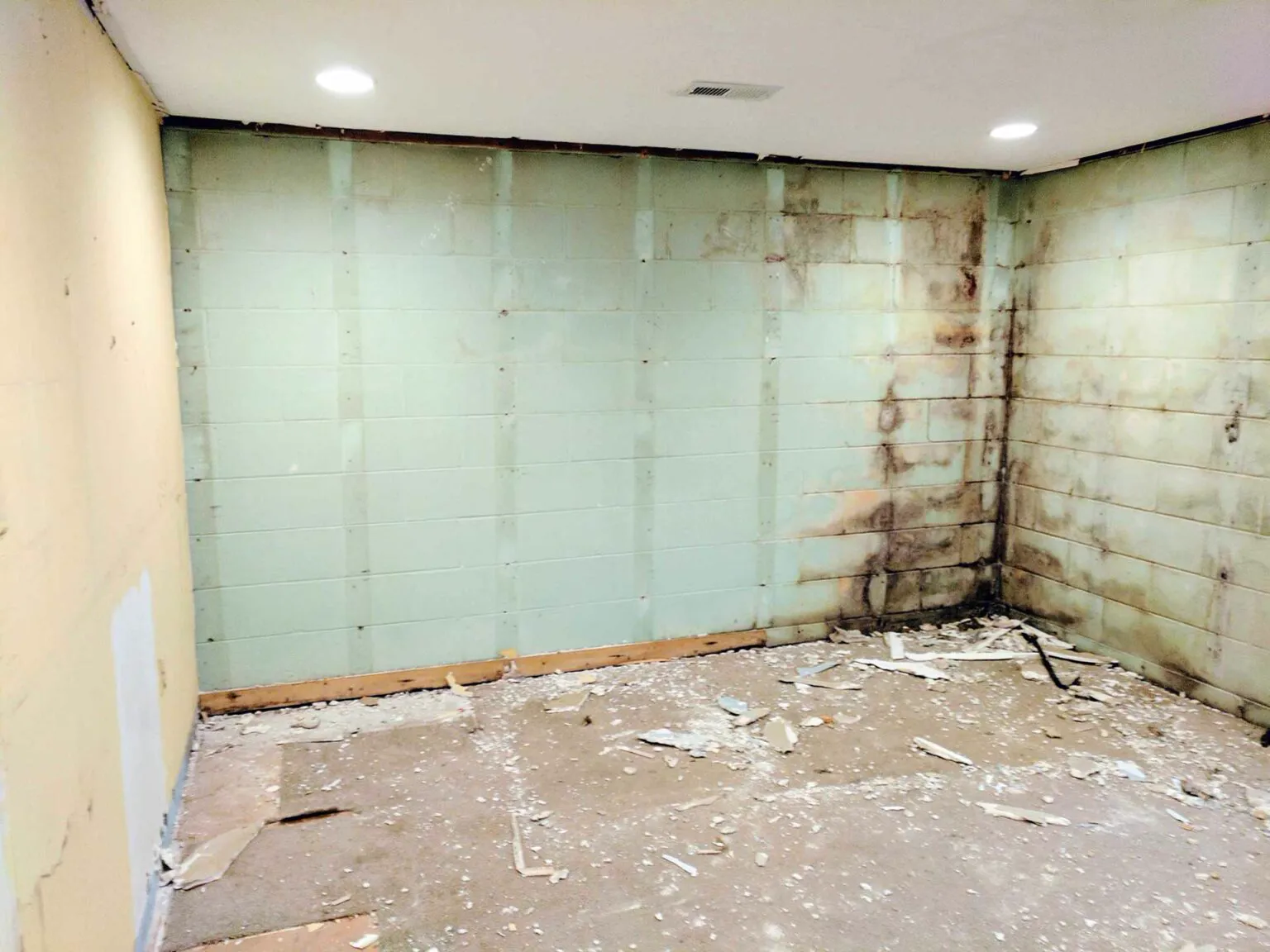
Both approaches are legitimate. What matters is which one your house needs. A home in the Highway 81 corridor new construction with a five-year-old foundation and a badly placed downspout usually needs the cheap outside fix. Meanwhile a 2003 house in Meadow Glen with water at the cove joint every spring probably needs the interior system, because the source is groundwater and you can’t re-grade groundwater away.
Ask any company you talk to which one they’re recommending and why. If the answer to every house is the same answer, you’ve learned something useful for free.
How do you read an estimate without a degree in this?
Read the scope, not the total. A real estimate names the walls, the linear feet, how deep the drainage sits, where the water discharges, and what happens to the dirt that comes out. If you got a price and a signature line, that’s not an estimate. That’s a guess wearing a nice font.
What a solid Loganville estimate spells out
- Which walls, and how many feet. One wall versus a full perimeter is the biggest price swing there is.
- Depth of the drainage. Below the slab, not beside it. Cheap bids quietly cross that line.
- Where the water goes. It has to leave the property, not tour the yard and come back for seconds.
- Crawl space areas, called out separately. Many homes here have both, and the work is different in each.
- Exterior corrections. Grading and downspout work sometimes is the fix, so it should be priced plainly.
- Warranty terms in writing. What’s covered, for how long, and who honors it.
Prices swing because houses do, so get your number after somebody stands in your basement. For how the systems actually work, our guide to basement waterproofing for local homes walks through them step by step, and the basement waterproofing service page shows exactly what we install.
What should you ask before you hire anyone?
Five questions sort out most of the field. Ask everybody the same five, then compare the answers instead of the totals — that’s honestly how the best basement waterproofing Loganville has to offer separates itself from the rest.
Five questions worth asking
- “What did you find outside?” If nobody walked the yard, nobody looked for the source.
- “Is there a cheaper fix that would work?” A straight answer here tells you almost everything.
- “Do you handle crawl spaces too?” Out here that’s not a side skill. It’s half the work.
- “Will you photograph the pipe before the concrete goes back?” Yes should come instantly.
- “Who’s actually on my job?” Same crews every time, or a subcontractor you meet on day one?
Red flags are simpler than people think. A firm price over the phone means nobody measured anything, and pressure to sign today is a sales tactic rather than a real schedule. Real talk: if a bid lands far below the others, ask what got left out. Usually it’s drainage depth or the discharge line.
Watch for the opposite problem too. Some crews see one damp corner and quote a full perimeter system plus everything else in the catalog. Folks out here smell that a mile off, and they’re right to.
Local rainfall patterns matter when you’re judging a plan, and the records the National Weather Service Peachtree City office keeps show just how much can land here in one afternoon. Air quality counts as much as the floor, which the EPA’s guide to moisture control explains without trying to sell you a thing.
Once it’s fixed, what should you do every year?
This is the part nobody talks about at the estimate, and it’s the part that keeps a good system good. None of it is hard, and the whole list takes an afternoon.
Every spring. Pour a bucket of water into the sump pit and watch the pump kick on. Then walk outside and make sure the discharge line is clear and still pointed away from the house. After a winter of debris, that line is the thing most likely to be blocked.
Twice a year. Clean the gutters and check that every downspout still carries water well away from the foundation. Extensions get bumped by mowers all the time, especially on the big lots out toward the Ozora corridor.
Once a year. Walk the perimeter and look at the grade. Soil settles, mulch piles up, and beds slowly build a little dam against the house. Ten minutes with a rake beats a phone call in March.
And if you have a crawl space. Open the hatch and take a look and a sniff. Dry liner, no standing water, no musty smell means everything’s working. If it does smell down there, crawl space encapsulation is often the honest answer instead of more basement work.
Why are we a fit for homes out here?
Because we’ll tell you when the cheaper fix is the right one. We’ve had homeowners near Vines Park expecting a big number and hearing instead that two downspout extensions and a regrade along one side would probably do it. That’s a smaller ticket for us. Still, it’s the correct answer, and correct answers are how a local company keeps working for twenty-plus years.
We also know crawl spaces, which matters more here than in the Gwinnett core. A house off GA-20 with a damp crawl space and a musty upstairs doesn’t need a basement system. It needs the ground sealed, the air dried, and the water moved. Different problem, different fix, same goal.
Picture the after for a second. Spring storms roll through, the yard soaks up its usual mess, and you don’t think about the basement at all — no towel by the stairs, no smell in the hallway, no flashlight check at eleven at night. For newer subdivisions nearby, our Tucker best basement waterproofing guide covers similar homes.

Where we work around Loganville
We’re based in Lawrenceville, about twenty minutes northwest, so we’re down this way constantly. That includes Loganville, Snellville, Grayson, Monroe, Between, Bay Creek, Dacula, Lawrenceville and Centerville, plus the wider Walton and Gwinnett Counties area. Whether you’re on the Walton side or the Gwinnett side, we know these lots — and odds are a truck is already nearby.
Questions Loganville homeowners ask us
It helps in two ways. A dry, warrantied basement removes a repair item buyers and inspectors flag, and it turns square footage you were avoiding into space you can actually use. Buyers out here notice a clean, dry lower level right away.
Usually within a few days, and faster right after a big storm. Live support runs seven a.m. to eight p.m., seven days a week, so call whenever it works for you. Both the inspection and the estimate are free.
It depends on how much wall is involved and how easy it is to reach. Exterior drainage corrections sit at the low end, while a full perimeter system with a new sump sits at the top. We won’t quote a flat number over the phone, since that number would be a guess you’d end up paying for.
Most interior systems run two to four working days. Add a day when the basement is finished and we’re opening walls back up, and exterior drainage work depends on the length of the run and what’s in the way. We’ll give you the schedule before we start.
No. Clear about four feet along the walls we’re working on, pull boxes toward the middle, and we’ll handle the heavy stuff. Pets do better upstairs while the saw runs, and that’s really the whole list.
Let’s take a look at your Loganville basement together
We’ll walk the lot with you, show you where water is getting in, and explain the plan in plain language — including when the smaller fix is the right one. Free inspection, free estimate, and no pressure at the end of it.
(678) 914-5112Serving Loganville and all of Metro Atlanta · $500 off projects over $3,500 · Live support 7am–8pm, 7 days a week