

How to Choose the Best Basement Drainage Lawrenceville Homeowners Can Count On
What separates a real drainage plan from a quick quote — and the questions that tell you which one you’re getting.
The cardboard box gives it away first. It sat in the same corner all winter, dry as a bone, and now the bottom flap is soft and the tape has let go. That’s usually the week folks start searching for the best basement drainage Lawrenceville has on offer — not after a flood, but after a soggy box. Good news: catching it at the soft-box stage means you’re early, and early is cheap.
So let’s make you a confident shopper. By the end you’ll know what a real scope of work looks like, what moves the price, and which question separates a company that diagnosed your house from one that just measured it.
Why is drainage the part that actually lasts?
Because coatings treat the wall, while drainage treats the water. Sealing a block wall can look great for a season, but water under pressure finds the next seam. Give that water somewhere to go, on the other hand, and the pressure stops building at all.
There are four tools in the box, and each solves a different entry route. An interior perimeter drain collects water below the slab and carries it to a sump. An exterior footing drain intercepts water before it touches the wall. Regrading changes where rain goes once it lands, and downspout extensions move roof water away instead of parking it beside the foundation.
Good news
Most homes don’t need all four. The honest answer is often one or two, and a company worth hiring will tell you which — even when that means a smaller ticket.
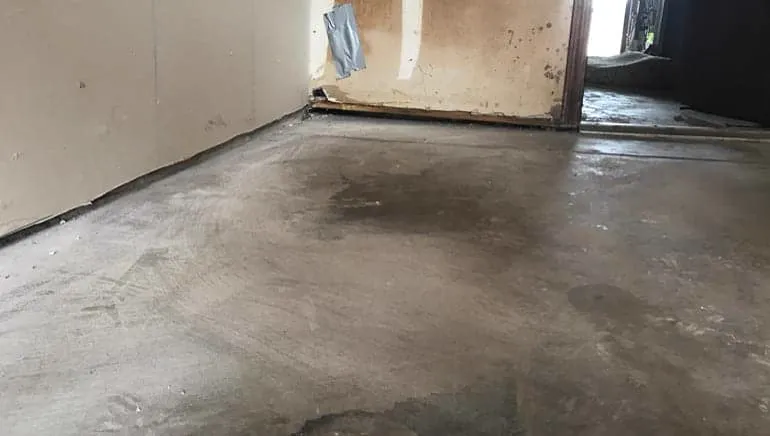
Here’s the detail that explains most wet basements: the cove joint. That’s the seam where the wall meets the floor, and it’s the single most common place water shows up when the soil outside is saturated. An interior perimeter drain relieves exactly that pressure, which is why it works when a bucket of sealant doesn’t.
What makes our homes different around here?
Start with the dirt. Gwinnett red clay drains slowly, so after a long spring rain it holds water against your foundation like a wet sponge pressed to a window. That’s why grading and downspouts matter more here than most homeowners expect. Move the water before it reaches the clay, and the clay stops working against you.
Then there’s the age spread, which is unusually wide in this city. Out toward the Hamilton Mill edge you’ll find 1990s and 2000s subdivisions where the original drain system has quietly silted up. Closer in, around Historic Downtown Lawrenceville and the Courthouse district, the foundations are older and the original drainage was never much to begin with. Same city, two completely different conversations.
Terrain plays a role too, since lots that slope toward a low spot collect everything the neighbors shed. We also see older east-side properties with crawl spaces missing a vapor barrier, where damp ground sits uncovered under the house. That one’s an easy fix, and the difference in how the house smells is immediate.
One local note worth saying plainly: we’re based right here in Lawrenceville. Twenty-plus years in this county means we’ve probably already been in a house on your street. That’s not a sales line — it’s what happens when your trucks never leave the area.
Ready for the question that tells you everything?
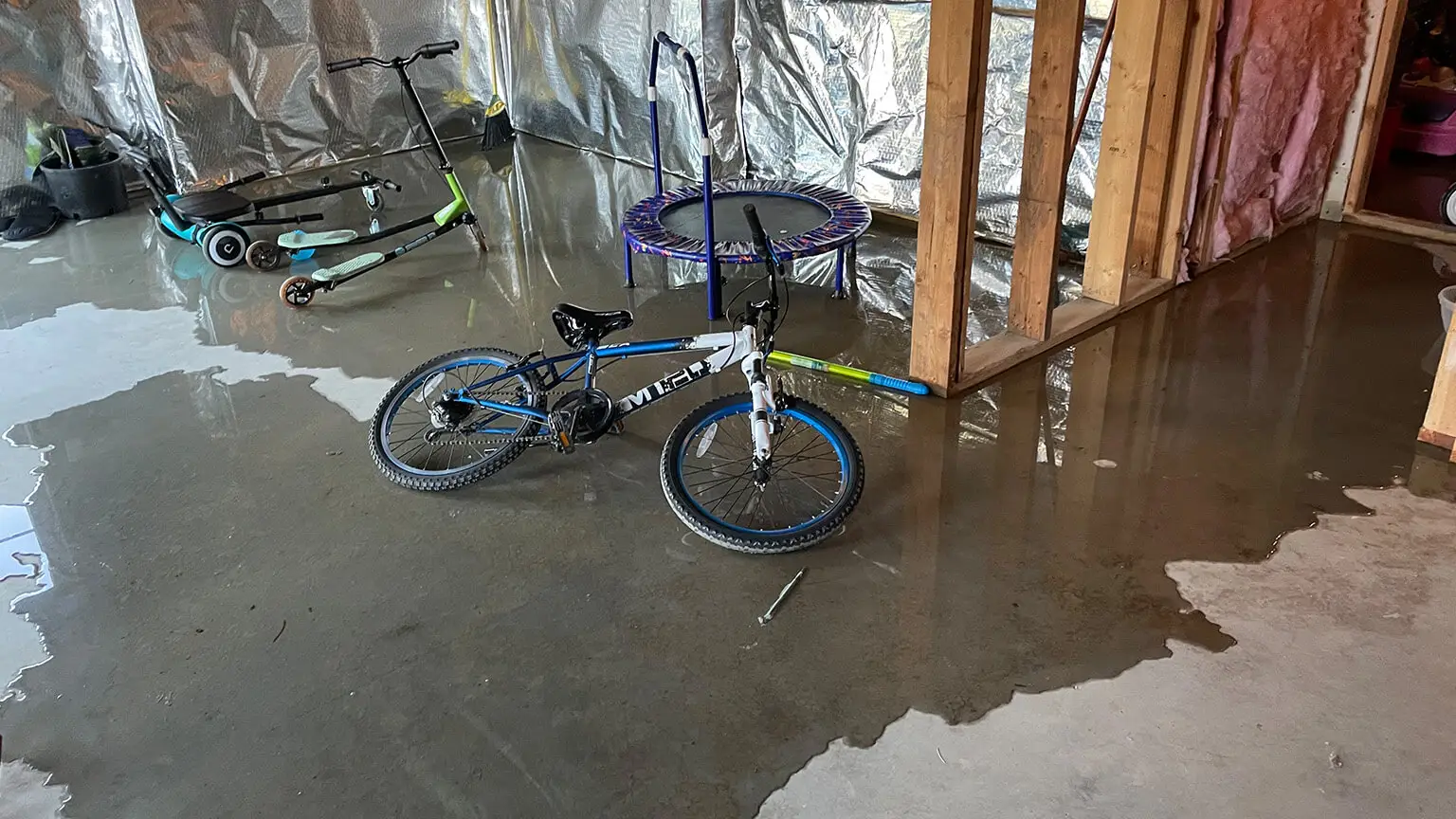
Ask this: “Where is the water getting in, and what did you see that told you so?” That’s it. A company that diagnosed your house answers with specifics — a joint on the north wall, a settled patch of grading, a downspout dumping six feet from the corner. A company that didn’t will answer with a product name.
Finding the entry point is the job. The system is just what we install once we know the answer.
Notice what else that question does: it tells you whether anyone went outside. A real inspection walks the yard, the gutters and the grade before it reaches the basement. If the whole visit happened at the bottom of the stairs, half the evidence never got looked at.
Be ready for an answer you might not expect, too. Sometimes the cheapest correct fix is entirely outside the house — two downspout extensions and a regraded flowerbed. Yes, that’s a smaller invoice. It’s also the right answer, so we say it.
How do you read a drainage estimate?
Line by line, looking for nouns and numbers. A strong scope names what’s installed, how many linear feet, how deep, where the discharge ends up, and what happens to the floor afterward. A weak one says “drainage system” followed by a total, which is a guess in a nice font.
Questions worth asking before you sign anything
- Where’s the entry point, and how did you confirm it? Specifics beat confidence.
- Why this route instead of the cheaper one? A good answer compares options out loud.
- How many linear feet, and why that stretch? Vague coverage means a vague price.
- Does the drain sit below the slab? Below the floor is a system. On top of it is a gutter.
- Where does the discharge line end? Well away from the house, never back beside the foundation.
- Is there a battery backup option? Fair thing to ask, and a fair thing to decline.
- Is the warranty transferable, and what voids it? Ask for it on paper, not in conversation.
- Who’s on the crew? Your own people, or whoever’s free that week?
Red flags get obvious once you’ve asked those. Watch for a firm price quoted over the phone before anyone saw the house, or a discount that expires tonight, since real pricing doesn’t need a timer. Also skip anyone who won’t put measurements in writing, or who recommends the same full-perimeter system for every home on the block.
On cost, we’ll be straight with you. Exterior corrections like regrading and downspout work sit at the low end. A partial interior drain along one wall sits in the middle, while a full perimeter with a new sump, a backup and finished-space rebuild sits at the top. What moves the number is linear feet, slab depth, access, and how much finished space we have to protect and put back.
What about the sump pump?
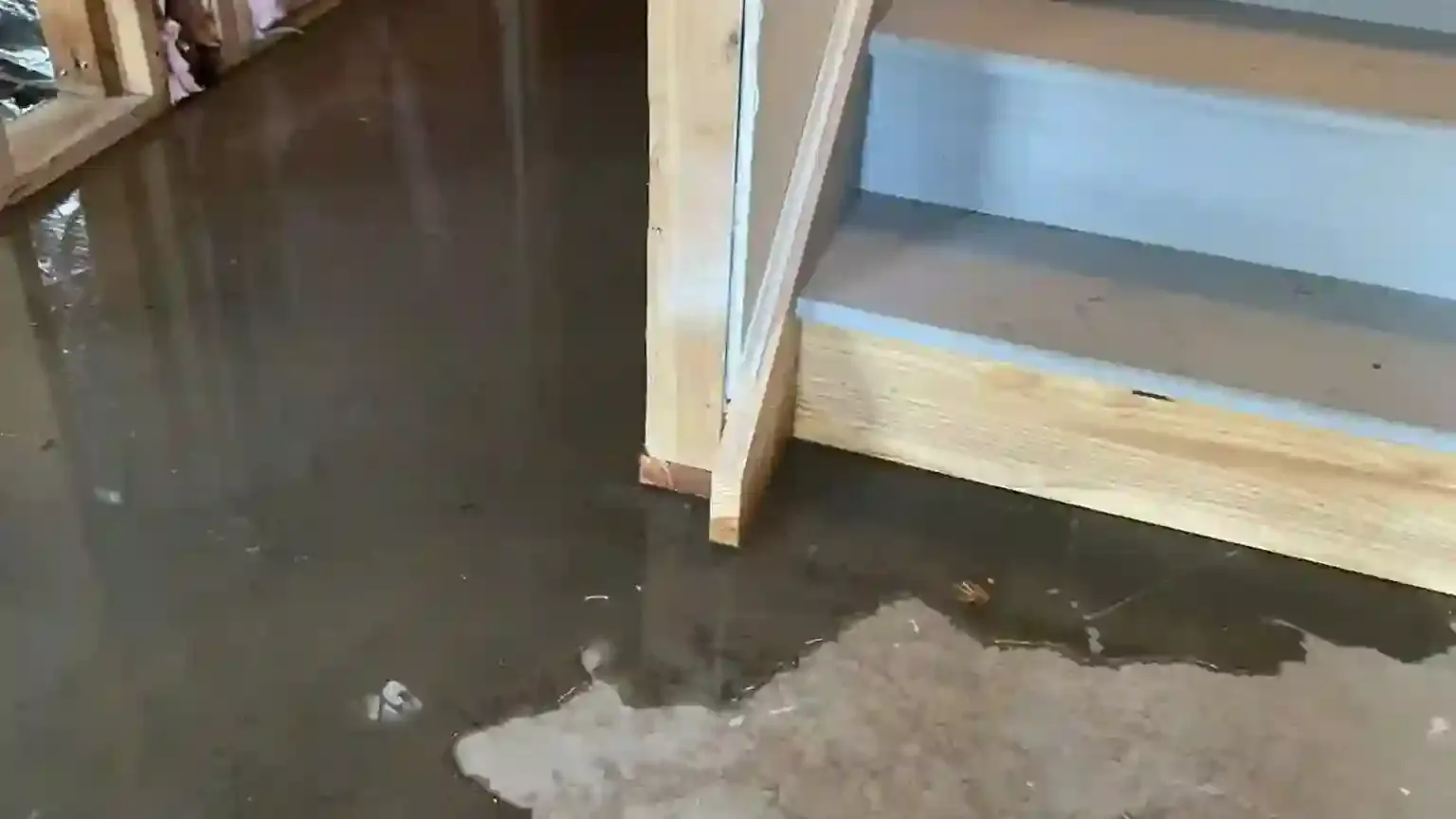
Pumps don’t fail mysteriously — they fail predictably, and usually in one of five ways. Power goes out mid-storm, which is the classic. A float sticks against the basin wall. The pump was undersized for the volume. There’s no check valve, so water drains back down and the pump cycles itself to death. Or the discharge line clogs or freezes at the outlet.
Every one of those has a fix, and none are expensive compared to the alternative. A battery backup handles the power problem, while a correctly sized basin keeps the float free. Sizing, check valves and a clean discharge run are basic details a careful crew handles without being asked. Ask anyway — the answer tells you a lot.
Worth knowing before you shop: standard homeowners policies generally exclude groundwater seepage, and coverage for sump pump failure is usually a separate rider you have to add. That’s not a scare tactic, just a phone call to your agent that takes ten minutes and can save you a headache later. The FEMA building science library is a solid neutral place to read up on protecting a property from water.
What does a damp basement have to do with upstairs?
More than most people realize. Air moves upward through a house, so the air sitting in your basement or crawl space is a real share of what you’re breathing in the living room. Damp air carries a musty smell, and given enough time and moisture, it grows things nobody wants in the ductwork.
Good news — this is one of the most satisfying parts of the job to fix. Once drainage carries water out and humidity comes down, the smell goes away on its own within a few weeks. No candles required. The CDC’s guidance on mold after water damage lays out the basics if you want a second opinion that isn’t from a contractor.
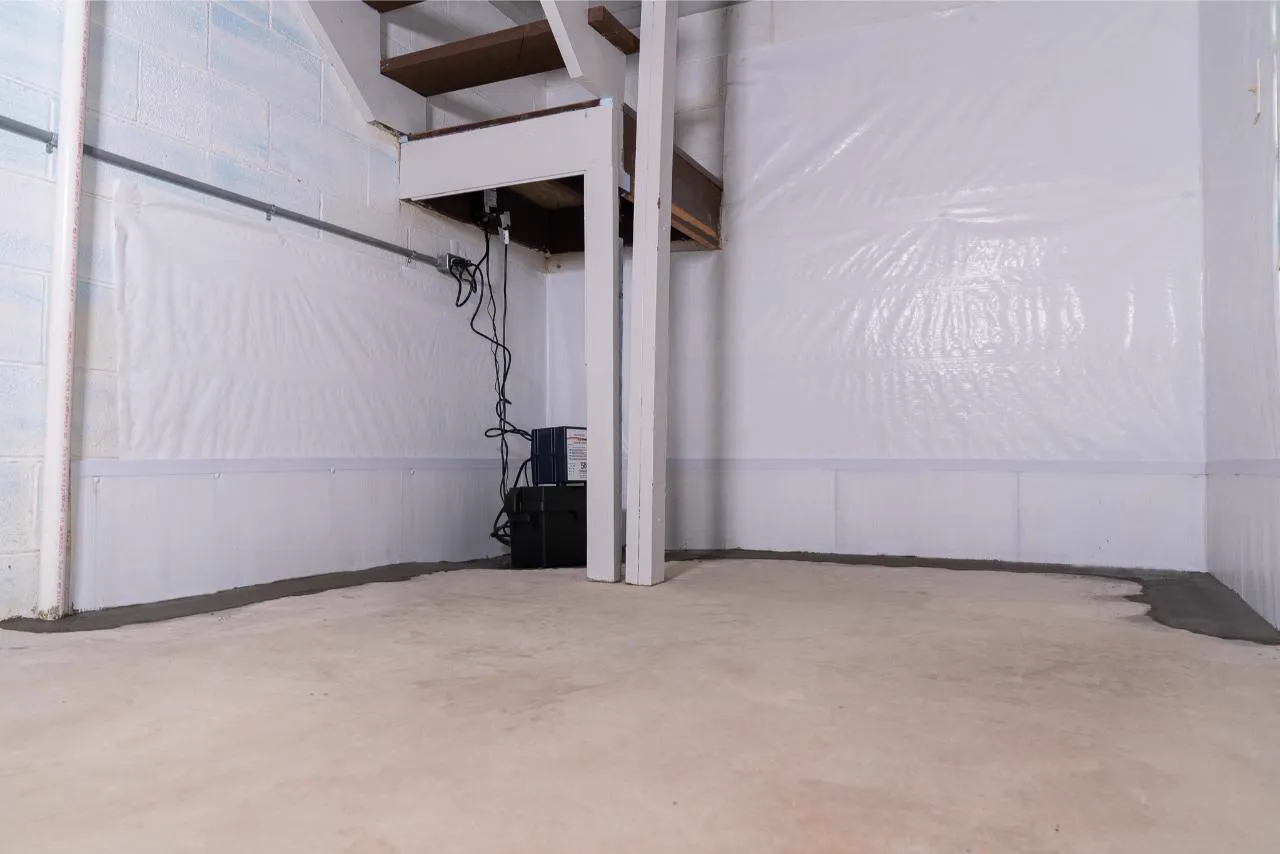
Picture the after for a second. The floor stays dry through a hard March storm. Boxes go back on the concrete instead of on pallets, the bottom of the stairs smells like nothing at all, and the room becomes a room again. Better yet, you paid for the problem you had rather than the package somebody was selling.
Why we might be a good fit
We’re local in the plain sense of the word: our shop is here, our crews live here, and you’ve probably passed our truck on GA-316. We work homes on both sides of the city, from the newer subdivisions out past Northside Hospital Gwinnett to the older streets near Georgia Gwinnett College. Familiar housing stock means faster, more accurate diagnoses.
Winter is usually the calmest window to schedule interior work, while March through May is our busiest stretch. Either way, the inspection and estimate are free, and nobody leaves a pressure pitch on your kitchen table.
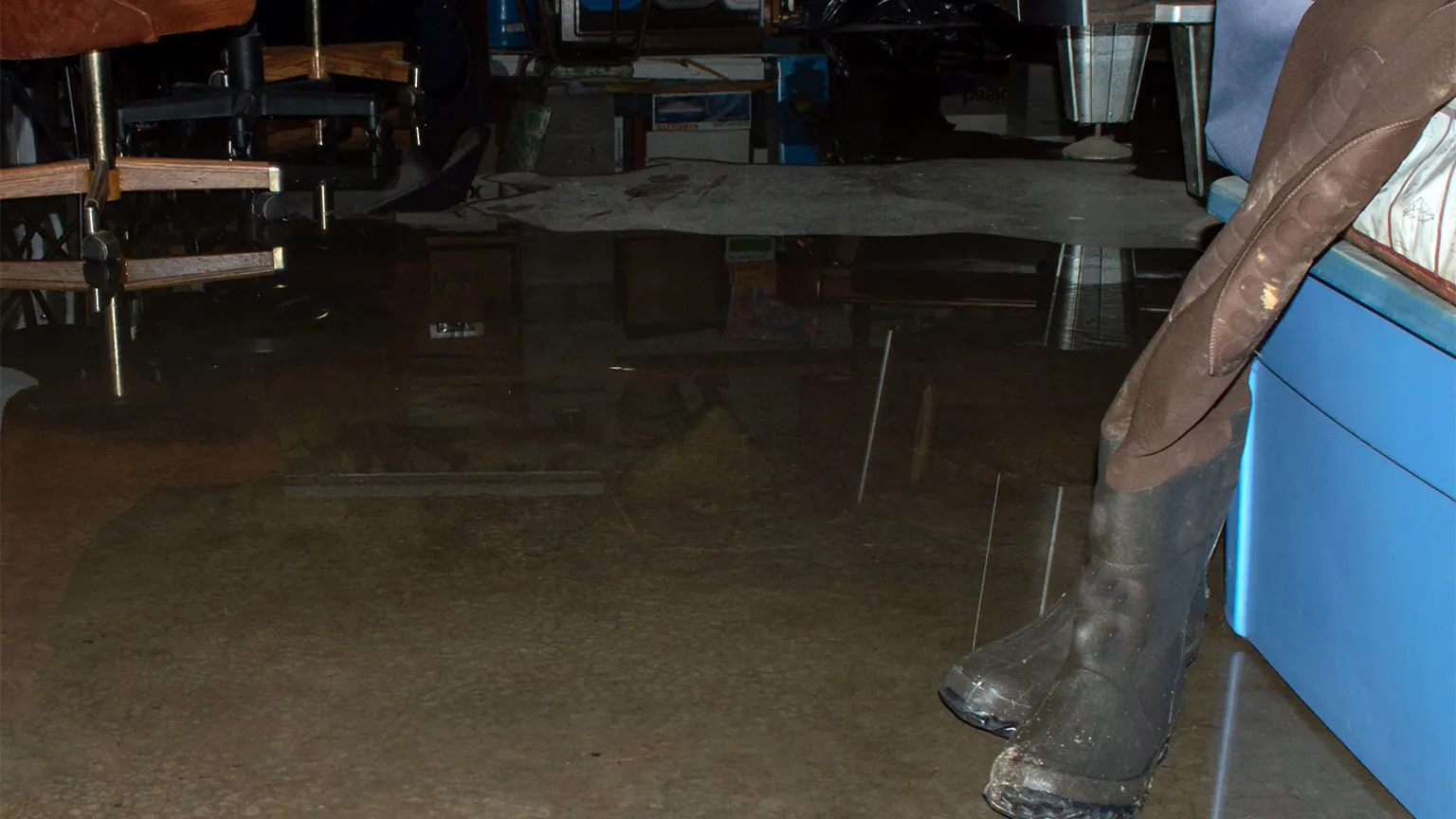
Want to go deeper before you call anyone? Our guide to flooded basement repair covers what to do in the first 48 hours, and the systems we install are detailed on our basement waterproofing page. If cracks or settling are part of your picture, start with foundation repair instead. Comparing notes with family one town over? We cover the same ground for Snellville best basement drainage.
Where we work around Lawrenceville
This is home base, so we’re on these streets constantly. Beyond Lawrenceville, we work in Snellville, Grayson, Dacula, Suwanee, Duluth, Lilburn and Loganville, plus the wider Gwinnett area. Odds are good we already have a truck within a few minutes of your driveway.
Questions Lawrenceville homeowners ask us
Cut power to the affected area if outlets or cords are near the water, then get the water out and start air moving. After that, lift anything porous off the floor so it can dry. Once things are calm, have someone find the entry point — that’s the part that keeps it from happening again.
Because red clay drains slowly, so a long rain saturates the soil and pressure builds against the wall. That pressure pushes water through the cove joint where the wall meets the floor. Drainage relieves the pressure, which is why the same storm stops being an event afterward.
Standard policies typically exclude groundwater seepage, which is what most basement water actually is. Sump pump failure is often covered only through a separate rider you add on purpose. Call your agent and ask about both, because the answer varies by policy.
Sooner is better — the first day or two matters most, since damp materials start growing mold within a couple of days. Fans, a dehumidifier and removing wet carpet or padding usually do the job. If drywall got soaked more than a few inches up, plan on cutting that section out.
That’s saturated soil under the slab pushing water up through the cove joint or a crack. It means the water table around the house is high, not that your walls failed. An interior drain below the slab collects it and sends it to a sump before it ever reaches your floor.
Let’s find out what your Lawrenceville basement actually needs
The inspection is free, the estimate is free, and you’ll get a written scope with real measurements. We’ll show you where water is getting in and which fix is the right size — including the times that’s a smaller job than you expected.
(678) 914-5112Serving Lawrenceville and all of Metro Atlanta · $500 off projects over $3,500 · Live support 7am–8pm, 7 days a week