

Basement Waterproofing in Dunwoody: What It Costs and What You Actually Get
A plain-English look at the work itself, the real cost drivers, and why so many homes on this side of town share the same story.
Water weighs about 62 pounds per cubic foot. That sounds like trivia right up until you do the math on a wall: stack soaked clay eight feet deep against block, and every foot of that wall is quietly holding back close to a ton of push. So when folks call us about basement waterproofing Dunwoody homes need, they’re usually not fighting a leak. They’re fighting a load.
Good news, though — a wall under load is normal, not an emergency. Almost every basement in DeKalb County holds that same push right now, and most are perfectly fine. The ones that get wet aren’t weaker. They just have nowhere to send the water. So let’s walk through the real fix, what moves the price, and how to tell a full system from a fresh coat of paint.
So what is waterproofing, really?
Ask three companies and you’ll get three answers, which is exactly why this feels murky. Ours is short: waterproofing means giving water an easier way out than the way it’s taking through your house right now.
That one idea explains a lot. Water is lazy but very patient, so it follows the easiest path — and in a Georgia home that path is almost always the cove joint, the seam where your basement wall meets the floor slab. In fact, that seam is the most common water entry point in houses around here. It isn’t a crack and it isn’t a defect. It’s where two pours meet, and water figured that out long before we did.
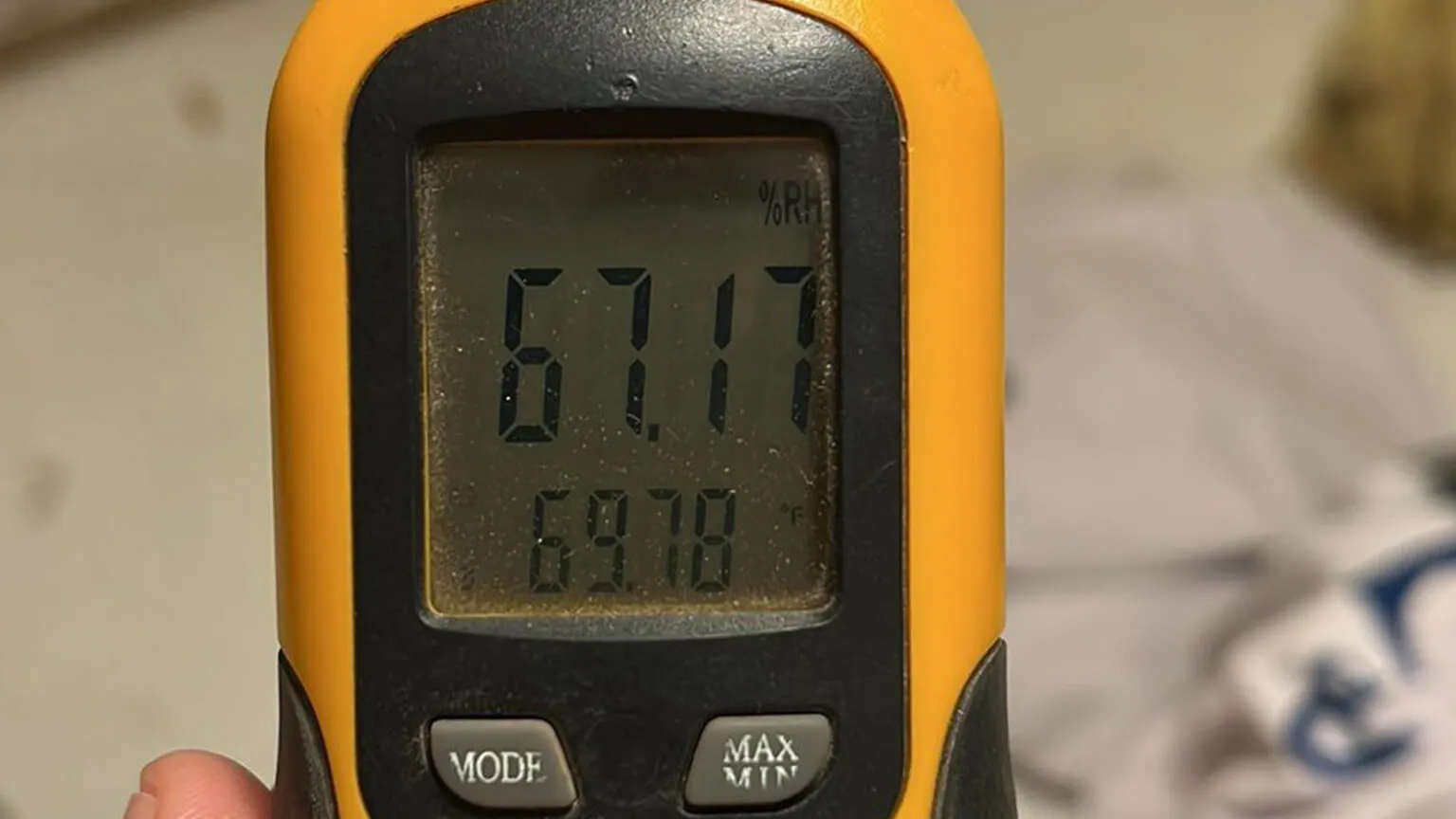
Why does water get pushy in the first place? Because red clay swells as it takes on rain, and swollen clay leans on your foundation with real force. That force has a name — hydrostatic pressure — and it’s strong enough to move moisture through solid, uncracked concrete. Concrete looks sealed, but it’s porous, so water wicks through with no crack anywhere in sight. If you want the plain-science version, the U.S. Geological Survey’s groundwater primer explains how water travels through soil better than we ever could.
Good news
None of this means your foundation is failing. A wet basement and a structural issue are two different conversations, and most homes we look at only need the first one. We’ll tell you plainly which one you’re in.
What does a real job look like on your house?
Most interior systems follow the same shape, so you can picture the week before anyone shows up with a jackhammer. Here’s the honest version:
- We find the source first. Before we price anything, we walk the outside — grading, downspouts, where the roof water lands. Then we walk the inside. Often the real fix is smaller than expected, because the problem was never indoors.
- We open a channel at the perimeter. A narrow strip of slab comes up along the affected walls. It’s dusty and loud, but it’s usually done inside a day or two.
- We set drainage below the slab. This is the part that matters most. Perforated pipe in clean stone, placed under floor level, so water gets collected before it reaches your floor.
- Everything routes to a sump. The pipe carries water to a basin, and the pump pushes it well away from the house — not right beside the foundation, where it would come back for another go.
- We close it up clean. Fresh concrete over the channel, wall liner where it’s called for, and our mess hauled off. Leaving a pile in your driveway isn’t a finish.
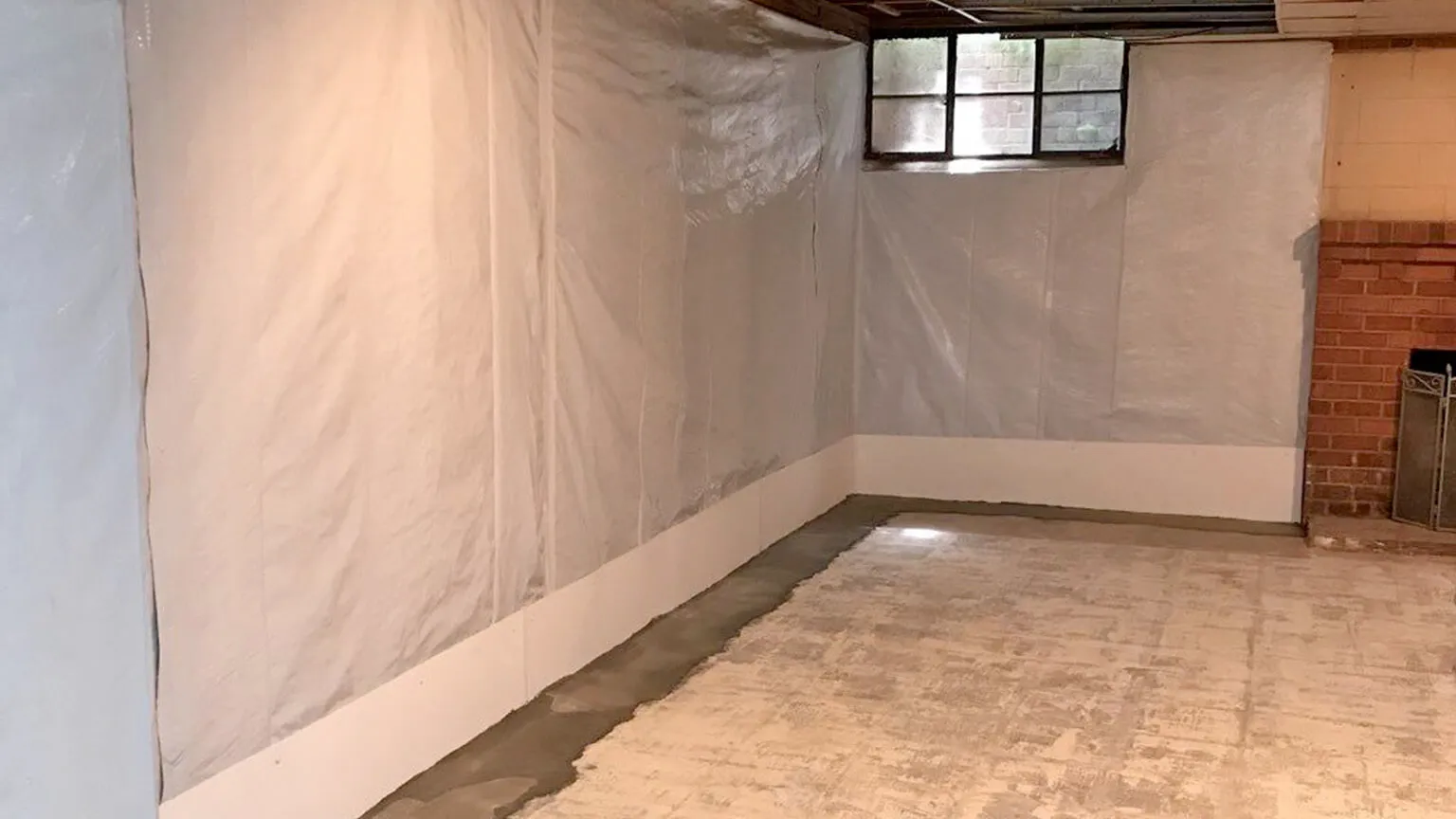
Notice what nobody did on that list? Painted. Waterproof paint is a fine product for what it is, but it’s a coating, and a coating can’t beat pressure. It’s a raincoat on a submarine.
We stopped asking how to keep water out and started asking where we wanted it to go. Every good decision since has come from that one flip.
Why do Dunwoody basements do this?
Here’s the thing about the houses on this side of town. Most of Dunwoody went up between the mid-sixties and the mid-eighties — split-levels, four-sides-brick ranches, and traditional two-stories sitting on hilly, wooded lots. Back then, “waterproofing” meant a sprayed coat of asphalt on the outside of a block wall. That coating did its job for a couple of decades. Fifty years of Georgia clay later, though, those walls are telling on themselves.
Then add the terrain. Streets around Kingsley and Georgetown roll hard, so plenty of homes sit below street grade with the basement cut into a slope. During a heavy rain, water doesn’t have to find your house — gravity delivers it to the door. Over in Dunwoody North, the other regular culprit is roots, because sixty-year-old oaks and poplars crushed the original footing drain years ago without telling anybody.

That sounds like a lot, but it’s the encouraging part. These homes fail in patterns, and patterns are easy to plan around. We’ve been in enough basements a few minutes from Dunwoody Village that we usually know what to look for before we reach the bottom step. Winter freeze-thaw is the other local wrinkle, since it widens hairline cracks a little each year until they start weeping.
If you drive GA-400 every morning, you’ve seen how fast a spring storm can dump on this corner of DeKalb. That’s the weather these systems are built for. Handle the water once, correctly, and the next storm becomes your gutters’ problem instead of yours.
So what does it cost?
Straight answer: it depends on how much wall is involved and how hard that wall is to reach. Anybody quoting a flat number over the phone, sight unseen, is guessing — and you’d be paying for the guess. Still, you deserve to know what moves the number, so here’s what we weigh.
What drives the price up or down
- Linear feet. One wall is a very different job than a full perimeter. This is the biggest single factor.
- Access. An open basement is straightforward. A finished one with built-ins and a bathroom costs more, because there’s careful work before the real work.
- Whether you need a sump. Some homes have a serviceable basin already. Many don’t, or theirs is twenty-five years old and running on stubbornness.
- What’s happening outside. Sometimes regrading and moving downspouts solves most of it. That’s a smaller invoice, and we’ll say so.
- Wall condition. Bowing or cracked block means structural work comes first. Waterproofing over a moving wall is money spent twice.
- Backup power. A battery backup adds cost. It also runs during the storm that knocks your power out, which is the exact storm that fills basements.
Small drainage corrections land at the low end. A full perimeter system with a new sump and battery backup under a finished basement sits at the top end. Most jobs settle somewhere in between, and once we’ve walked it you get a written number with the scope spelled out — not a range, and definitely not a “starting at.”
What’s included, and what isn’t?
Included: the inspection, the estimate, the drainage, the sump work, the concrete we pour back, wall liner where the plan calls for it, and cleanup. Also included is the part people forget to ask about — someone walking you through the plan before a tool comes off the truck.
Not included: rebuilding a finished wall we opened, replacing flooring, or structural repair, since that’s a separate scope with its own price. Landscaping repair sits outside too when the work goes outdoors. We’d rather say that up front, because surprises belong at birthday parties.
What about the warranty?
You get it in writing before work starts, not after. A warranty is really a promise about the future, so the fair question isn’t only what it covers — it’s who will still be here to honor it. That’s also why we don’t warranty coatings. A system built on how water behaves can be stood behind, while a sealant only ages in one direction.
The diagnosis that surprised a homeowner
Want the story that changes how people think about this? A homeowner over near Dunwoody North called us braced for the worst. Two walls showed cracking, water arrived along the floor after every real rain, and they’d been told to expect a wall rebuild.
But the inspection said something different. The block was under pressure, sure, and yet the walls weren’t moving — that cracking was old and stable. What was failing sat outside: a collapsed original footing drain plus an old sewer lateral quietly wetting the soil at one corner. Soaked soil swells, swollen soil pushes, and pushing soil sends water to the cove joint.
So the actual job was interior drainage, a sump with the discharge carried well away from the house, and one repair outside. It cost meaningfully less than the rebuild they’d budgeted, and the scarier answer got ruled out on day one. That’s why we inspect before we quote.
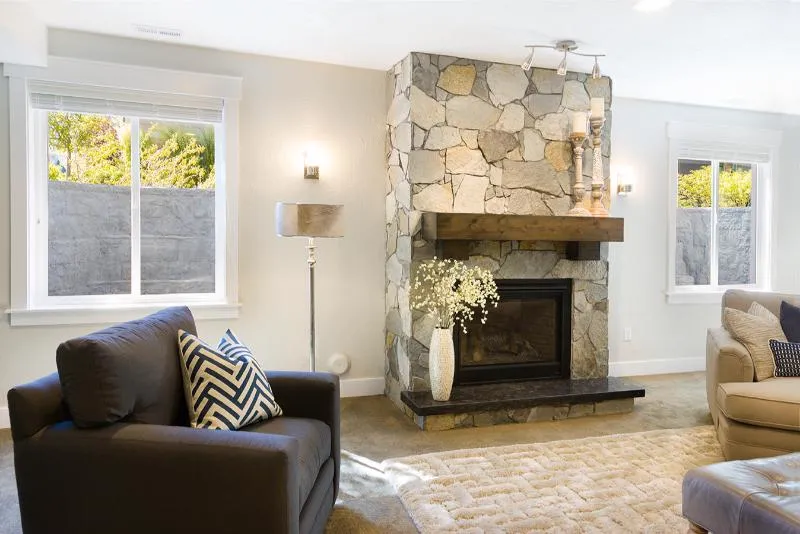
Picture the other side of it. The floor stays dry through a hard spring storm. That musty smell at the bottom of the stairs is simply gone. Instead of a room you apologize for, you’ve got storage you trust and a place the kids can be loud. Best of all, when the forecast turns ugly you don’t think about the basement at all. Your home and your family are looked after, and you never had to become an expert to get there.
Why hire somebody local for this?
Because after twenty-plus years around Metro Atlanta, we’ve very likely worked on a home shaped like yours already. We know how mid-century block basements behave here. We also know the sloped lots between Ashford-Dunwoody and Emory Saint Joseph’s Hospital move water differently than flatter streets do, which changes where the discharge goes.
That history matters for a boring but important reason: a warranty is only as strong as the company behind it. If something needs a look in year seven, you’re calling the folks who did the work, not a call center three states away.
Still working out what you’re seeing down there? Our guide to what causes a wet basement covers the common symptoms, and the drainage systems we install are laid out in full detail. Comparing notes with family across the river? We cover the same ground for Roswell basement waterproofing. If your older ranch has a crawl space instead of a basement, crawl space encapsulation is usually the better answer. And for a neutral second opinion on moisture and indoor air, the EPA’s guidance on moisture control is worth ten minutes.
Where we work around Dunwoody
We’re based in Lawrenceville, which puts Dunwoody about half an hour up the road — close enough that we’re out this way most weeks. Along with Dunwoody, we regularly work in Sandy Springs, Brookhaven, Chamblee, Doraville, Peachtree Corners, Norcross and Tucker, plus the rest of DeKalb County. If you’re near Perimeter Center or out toward Brook Run Park, we’re minutes away, and there’s a fair chance we already have a truck nearby.
Questions Dunwoody homeowners ask us
Usually, yes. We open only the bottom section of wall and floor along the affected side, then close it back up. Finished space does add labor, so it costs more than an open basement — but nobody is gutting your family room to run a drain.
It helps in two ways. A documented, warrantied system answers the question every buyer and inspector asks about a basement, and a dry basement becomes usable square footage you can finish later. Homes on this side of town are old enough that buyers look closely, so paperwork you can hand over carries real weight.
Often within a couple of days, and sooner when there’s active water. Live support runs 7 a.m. to 8 p.m., seven days a week, so you can reach a person at a normal human hour. The inspection and estimate are both free.
It’s driven by how many linear feet of wall are involved, how easy that wall is to reach, and whether a sump is needed. A short drainage correction is a modest job, while a full perimeter system with backup power under a finished basement is the high end. We price it after we see it, then put the scope in writing.
Most interior systems run one to three days on site. Concrete needs a little curing time after that, and finished or larger basements stretch the schedule some. We’ll give you the day count before we start, not after.
Let’s find out what’s really going on down there
The inspection is free, the estimate is free, and there’s no pressure at the end of it. We’ll show you where water is getting in, what it would take to stop it, and whether the fix is smaller than you think. Dunwoody homeowners have been calling us for years for exactly that.
(678) 914-5112Serving Dunwoody and all of Metro Atlanta · $500 off projects over $3,500 · Live support 7am–8pm, 7 days a week