

How to Choose the Best Basement Drainage Loganville Homeowners Can Count On
Which fix matches which problem, what belongs in a written scope, and the questions that tell you who really looked.
Back when your house was framed, a builder made one quiet decision about where rainwater would go. Sometimes that meant a real drain line at the footing. Other times it meant a slope in the dirt and a hopeful shrug. Either way, you’re living with that call today — and the best basement drainage Loganville homes can get usually starts by correcting it.
Here’s the thing: drainage is the permanent half of a wet basement. Pumping and fans are the temporary half. So the useful question isn’t who charges least — it’s who can show you where water enters, then match the fix to it.
What makes Loganville homes different?
Start with the dirt. Georgia red clay drains slowly, and out here it sits under wide open yards. After a long rain it holds water right against your foundation wall, like a wet sponge on a sidewalk. Then the ground stays loaded for days, and that pressure has to go somewhere.
Add the terrain, which rolls gently and sheds toward the Alcovy. Plenty of properties out past Bay Creek and along Tom Brewer Road have an acre or more with no defined drainage path, so water pools wherever the yard says so. Your lot shouldn’t store rain like a birdbath, and it doesn’t have to.

Timing matters too. Most homes here went up between 1995 and 2015, so a whole town’s worth of original drainage is aging out on the same schedule. Nobody did anything wrong. Systems wear out, same as a water heater.
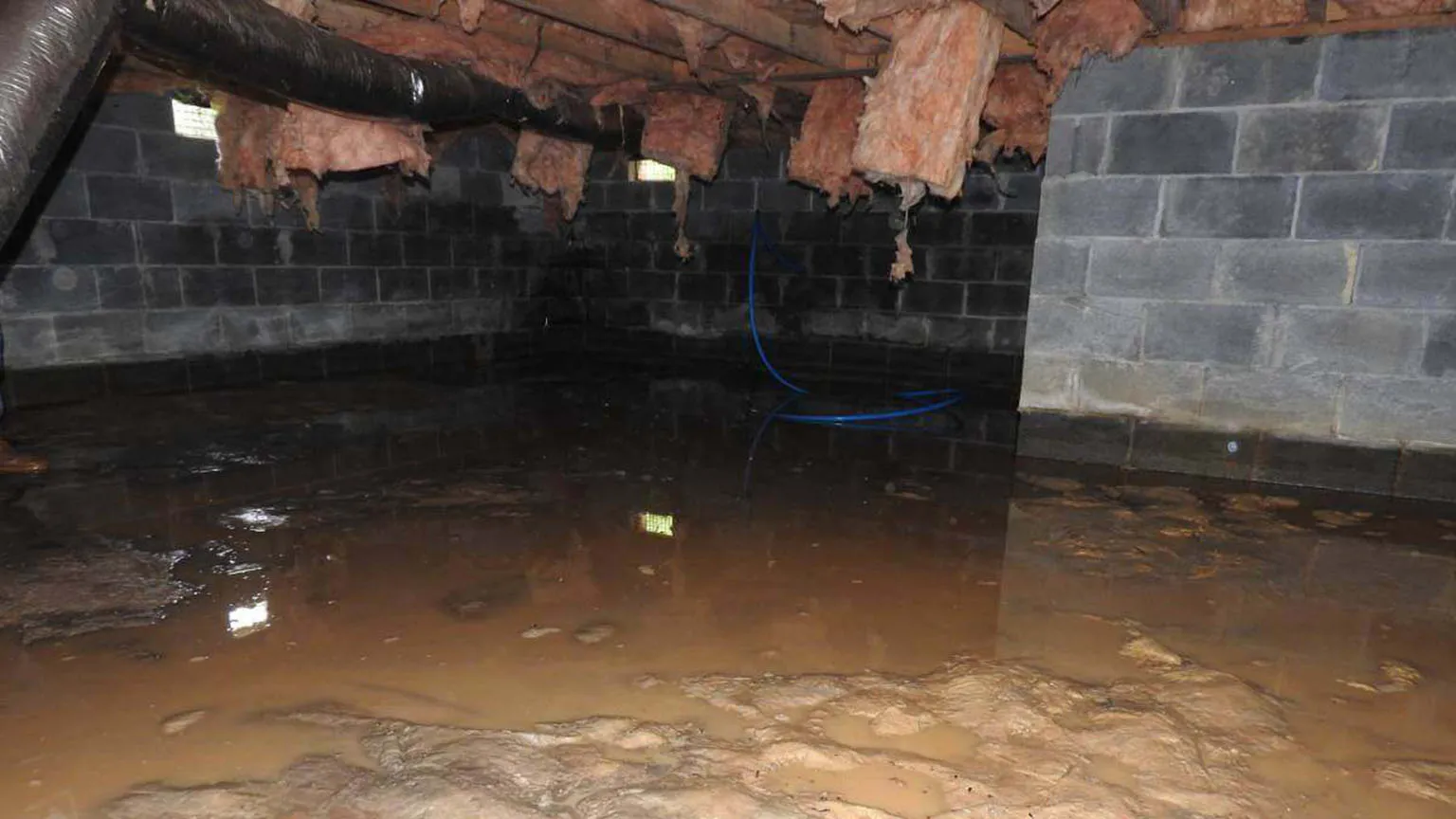
One local wrinkle is worth naming. Many Loganville homes sit on crawl spaces instead of full basements, and a wet crawl space doesn’t politely stay down there. That damp air drifts up into the rooms you live in, which is why a musty hallway sometimes has nothing to do with the hallway.
Which drainage fix solves which problem?
Four main routes exist, and they aren’t interchangeable. Each one solves a different entry path, so knowing which is which is most of what separates the best basement drainage Loganville has to offer from a one-size-fits-all sale.
Interior perimeter drain to a sump
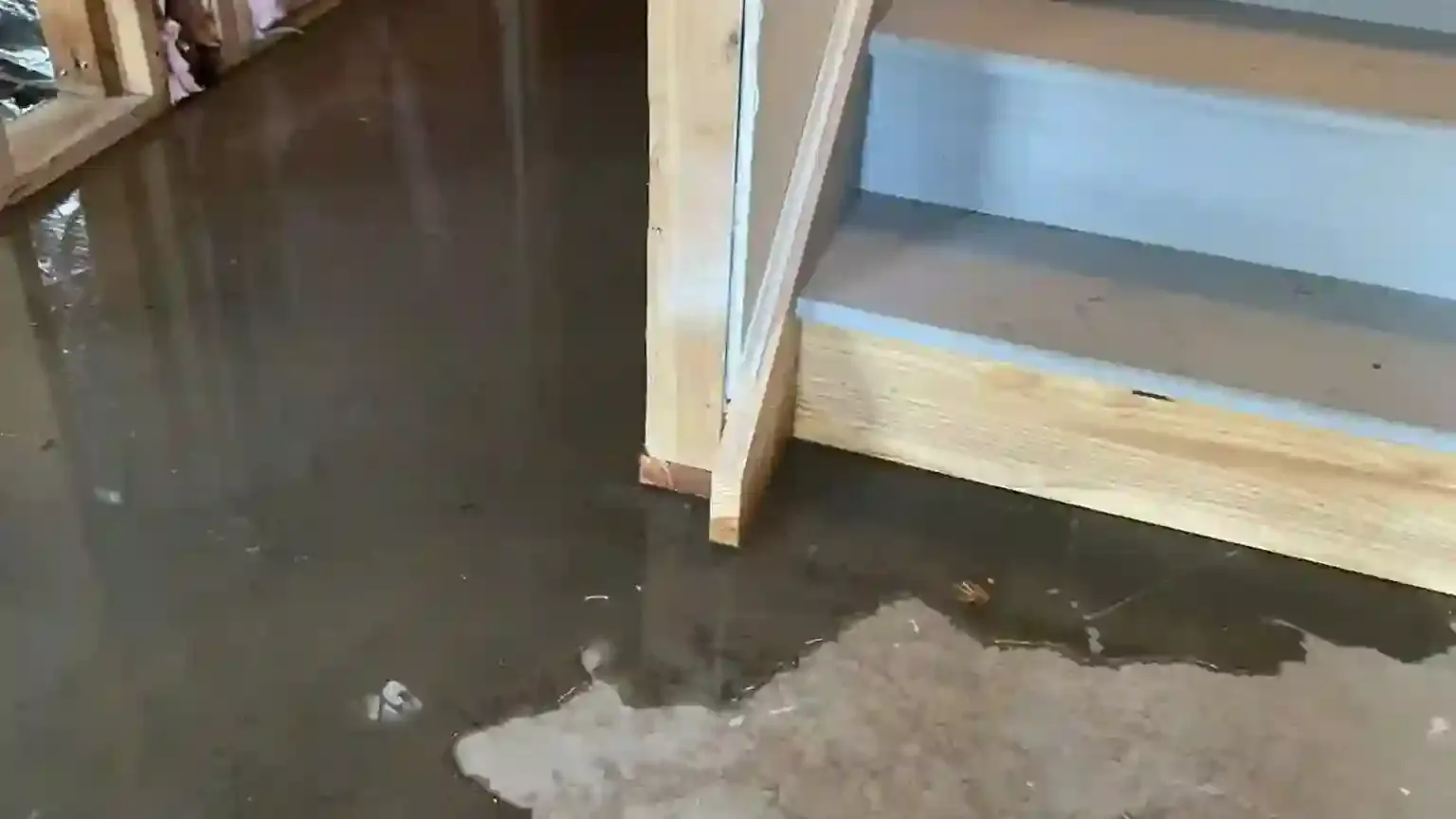
Look where your basement wall meets the floor. That seam is the cove joint. It’s the most common spot water shows up when the soil outside is under pressure. An interior perimeter drain sits below the slab along that joint, catches the water, and carries it to a sump. So instead of fighting the pressure, you give it somewhere to go.
Exterior footing drain
This one intercepts water outside, before it ever touches the foundation. It’s excellent when conditions call for it. However, it means digging alongside the house, so patios, decks, mature landscaping and septic layouts change the math fast — and out here plenty of properties have all four.
Grading and downspout extensions
Least glamorous, often the most effective. Roof water is a big volume landing in one place, so a downspout emptying beside the wall is basically a hose aimed at your basement. Sloping the soil away and running extensions out into the yard solves more Loganville basements than homeowners expect.
Crawl space drainage and a vapor barrier
Since so many homes here sit on crawl spaces, this comes up constantly. A drain line, a sump if needed, and a sealed liner turn a damp space into a clean dry one. Then the air upstairs improves too, because you cut the moisture off at the source instead of chasing the smell with candles.
Now here’s where most advice stops — and it shouldn’t
Nearly every article ends at “install a drain and a sump.” Real talk: the drain is the easy part. What separates a system that lasts twenty years from one that quits mid-storm is everything attached to that pump.
Sump pumps don’t fail randomly, either. They fail in a short, predictable list, so you can ask about every item on it.
The five ways a sump quits
- Power drops mid-storm. The pump needs electricity exactly when the line is most likely to go down. That’s what a battery backup is for, so ask the price.
- The float sticks. A crowded basin, or a cord looped over the float, keeps the switch from rising.
- It’s undersized. A small pump on a big lot with slow clay runs constantly and burns out early.
- No check valve. Water in the pipe falls back into the basin after every cycle, so the pump keeps moving the same gallon.
- The discharge clogs or freezes. A line ending too close to the house sends water right back where it started.
None of that is complicated, and all of it is checkable. Ask how a company handles those five, then notice how fast the answer comes. A crew that installs drainage weekly will rattle it off, with specifics about your basin.
Before storm season, two free reads help: the National Weather Service flood safety guide and FEMA’s building science library, which covers how water actually moves around a house.
How do you read a drainage estimate?
Line by line, out loud if that helps. A real proposal names what gets installed, how many linear feet, where it goes, and where the water ends up. A weak one says “drainage system” and a number. Folks here compare bids carefully, which honestly makes our job easier.
Questions worth asking before you hire anyone
- Where is water getting in, and how do you know? A confident answer includes something they saw outside.
- Why this route instead of the cheaper one? If interior drainage beats fixing the grade, they should explain why in plain words.
- How many linear feet, and why that stretch? Vague coverage produces a vague price.
- Does the drain sit below the slab? Below floor level is a system. Above it is a gutter.
- Where does the discharge end up? Well away from the foundation, not back beside it.
- Is the warranty transferable, and what voids it? Ask for it on paper.
- Who’s on my property that week? Your own crew, or whoever got subbed in?
Red flags get obvious once you’ve asked those. Be careful with a firm price quoted over the phone, or a discount that expires tonight, since honest pricing needs no countdown clock. An inspection that never leaves the basement is another, because on a big Loganville lot the cause often sits twenty feet from the wall.
The cheapest correct fix is sometimes outside the house. A company worth hiring will tell you that, even though it’s the smaller invoice.
On cost, we’ll be straight. Downspout and grading corrections land at the low end. A full perimeter drain with a new sump, a backup and a long discharge run sits at the high end. Linear feet, slab depth, access and finished space move the number. After we walk it, you get one written figure with the scope spelled out.
The house off Chandler Ridge
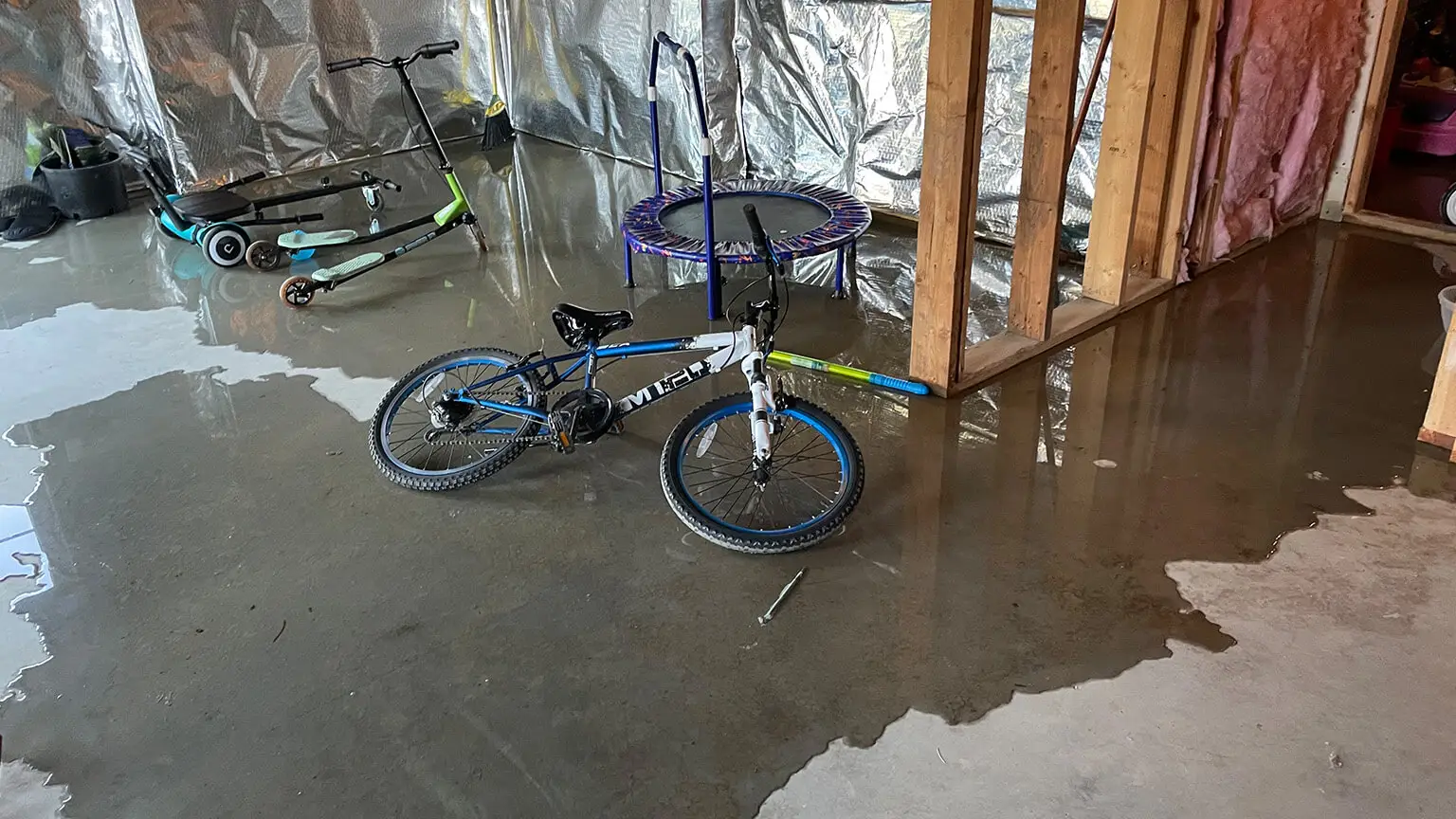
Want the one that surprised everybody? A homeowner on an older street near Chandler Ridge called after two spring storms put water across the back half of her basement. She already had a quote for a full perimeter system on all four walls, plus a second opinion saying the same thing louder.
Then we went outside. A rear downspout had come apart at the elbow and was emptying a foot from the wall, while the yard behind the house had settled just enough to tilt back toward the foundation. Meanwhile the original sump had no check valve and was cycling itself half to death.
So the real fix came in much smaller. We repaired and extended two downspouts, corrected the grade across that back stretch, added drainage along the one wall showing cove joint staining, and replaced the pump. Since then she’s watched hard rain roll through and gone back to whatever she was doing.
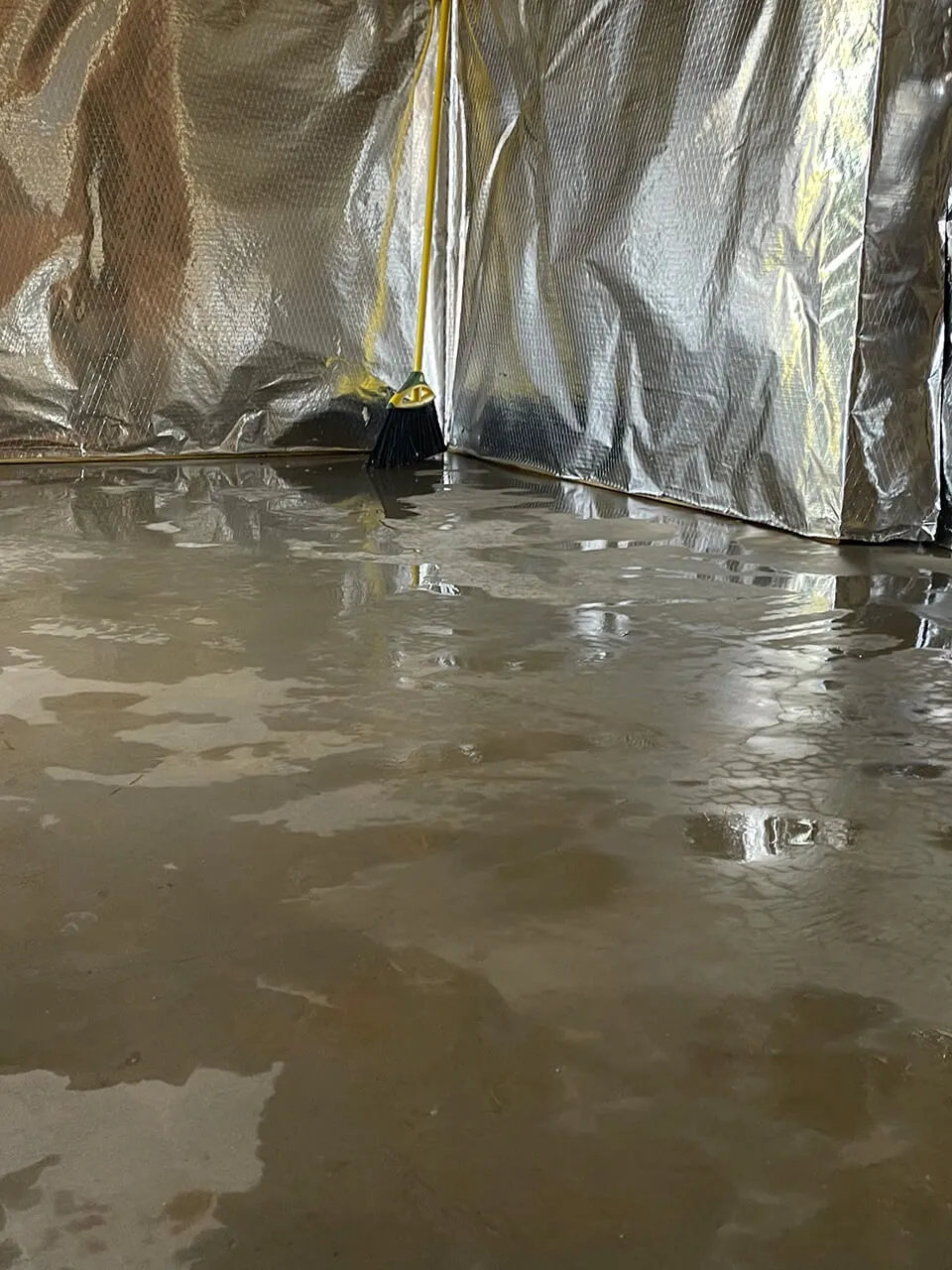
Picture that version of your own house. The floor stays dry through a March storm, the bottom of the stairs smells like nothing, and the basement becomes a room you use instead of one you check on. Plus you paid what the problem actually cost.
Why we might be the right fit
We’re about twenty minutes northwest of you in Lawrenceville, and we’ve done this for more than twenty years. We’ve worked the older streets between Downtown Loganville and the Rock Gym, the bigger lots out toward Bay Creek, and newer subdivisions like Meadow Glen where first-generation systems are aging out right now.
Our promise is boring on purpose. We find the entry point before we quote, we put the scope in writing, and we explain why we chose one route over another. When the answer is smaller than you expected, we say so.
Still sorting out what’s happening down there? Our guide to flooded basement repair walks through the first 24 hours, and the full range of basement waterproofing work we install is laid out step by step. If you’re also seeing stair-step cracks or a sticking door, foundation repair is its own conversation. Family closer to the perimeter? We cover the same ground for Tucker best basement drainage.
Where we work around Loganville
We’re out this way constantly, from the acre lots along Tom Brewer Road to the established streets near Bay Creek. Beyond Loganville, we work in Snellville, Grayson, Monroe, Between, Bay Creek, Lawrenceville, Dacula, Walnut Grove and Centerville, plus the wider Walton and Gwinnett Counties area.
Questions Loganville homeowners ask us
For a small amount of clean water you caught quickly, often yes. But drying is only step one, because the path the water used is still there. So run the fans, then have the entry point looked at before the next long rain.
Generally within a day or two once materials stay damp. The good news is that speed works in your favor. Get the water out, move air across the space, and keep humidity down, and it usually never gets started.
Handle power first — don’t step into standing water near outlets or a running appliance. Then take photos before you move anything, since that helps with any claim later. After that, note where water first appeared, because that spot tells us more than the puddle does.
Because the clay around your foundation fills faster than it drains. That trapped water leans on the wall, then pushes through the weakest seam — usually the cove joint where wall meets floor. Once drainage relieves the pressure, a heavy storm stops being an event.
Usually not for groundwater seepage, which standard policies typically exclude. Sump pump failure coverage is normally a separate rider you add on request. A sudden burst pipe is a different situation and often is covered, so a quick call to your agent is worth five minutes.
Let’s find out where the water is really coming from in your Loganville home
The inspection is free, the estimate is free, and nobody pressures you at the end. We’ll show you the entry point, explain which route fits your lot, and say plainly when the smaller fix is the right one.
(678) 914-5112Serving Loganville and all of Metro Atlanta · $500 off projects over $3,500 · Live support 7am–8pm, 7 days a week