

Basement Waterproofing in Grayson: Real Costs and What Actually Happens
You’re past wondering and ready to hire. Here’s the finished result first, then the work, the price drivers, the warranty, and why a local crew is the safer call.
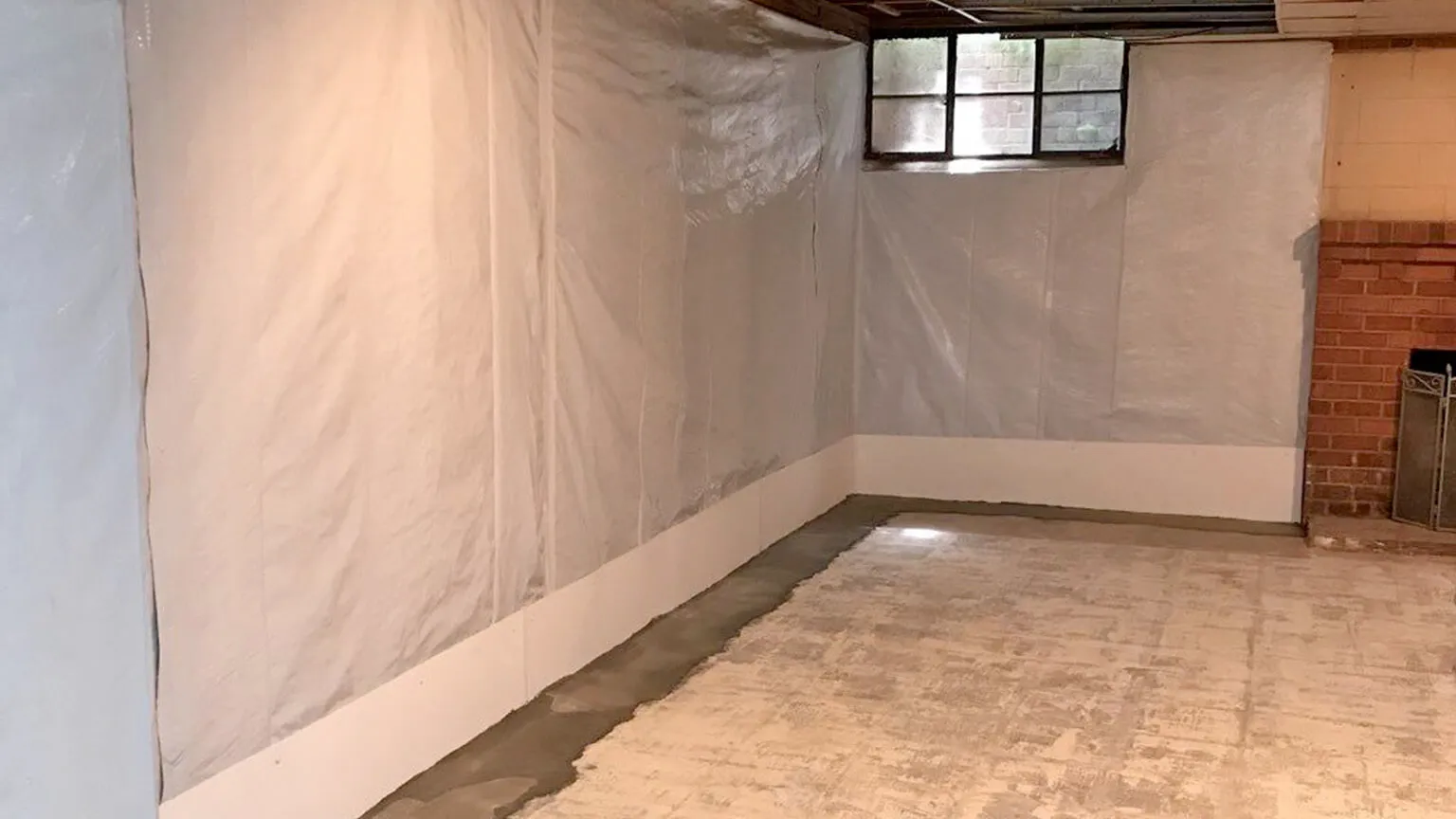
Picture the end of it. The floor is dry, a clean white liner runs the wall, and a narrow channel sits quietly at the base doing all the work. That’s what basement waterproofing Grayson homeowners are actually buying, and everything below walks backward from that picture to how you get there, what it costs, and what’s written on the paperwork.
Because here’s the thing about Grayson. Bigger yards are great — until a heavy rain lands and you realize all that water has to go somewhere, and your foundation sits downhill of it.
What does “done” look like?
Done is boring, and boring is the goal. You walk downstairs after a two-day soaker, and nothing has changed. No dark line along the wall, no towel by the stairs, no smell that makes you leave the door open.
Also, the room starts earning its keep again. Families around Ozora Lake use that space for a playroom, a home gym, or the teenager who wants a floor of his own. Once it’s dry, storage stops being a gamble and the boxes can go back on the floor.

So what is the work, in plain words?
Water sitting in the soil around your house pushes. That push has a name, hydrostatic pressure, and it moves water through solid block without needing a crack to do it. You don’t beat that pressure, though — you give it a path and a place to go.
An interior system opens a narrow strip of floor along the wall. Then we set perforated pipe in clean stone below the slab, run it to a sump basin, and let the pump carry water well away from the house. Exterior work solves the same problem from the yard side with grading, drain lines and buried downspouts.
One detail is worth knowing, since almost nobody brings it up. The cove joint — the seam where your basement wall meets the floor slab — is the single most common water entry point in a Georgia home. It isn’t a defect either. Two pours made at different times simply never bond, which is why a properly placed drain catches that seam first.
What happens on the days we’re there?
Day zero is the free inspection. We walk the outside first, because on big Grayson lots the answer often lives in the yard — and that version of the invoice is a lot friendlier. After that we read the foundation inside, wall by wall, and hand you a written scope that says what goes where and why.
Install day is loud for a while, then it isn’t. Saw cuts, spoil hauled out, stone and pipe set low, basin placed, discharge routed far from the house instead of politely back into the flower bed for round two. Fresh concrete closes it up, liner goes on where it’s called for, and the mess leaves in our truck.
Most homes here run two to four working days. Add a day for a finished basement, plus another if a walkout wall needs exterior attention. Since so much of the local housing stock went up between 1995 and 2012, we’re usually working with block or poured walls we’ve seen a thousand times.
Is something else going on down there?
Usually, yes — and it’s the part most quotes skip. Your basement is rarely the beginning of the story. It’s where the yard’s water finally shows up after running out of options.
Grayson lots are large and open, so surface runoff travels a long way before anything stops it. Add red clay that drains slowly, plus original grading that has quietly settled over twenty-plus years, and you get water pooling where the builder never expected it. Homes near the Alcovy River and the Big Haynes Creek tributaries deal with seasonal water on top of that.
Good news? This is very fixable, and it’s the kind of thing we sort out constantly. Sometimes the fix is a swale and buried downspouts. Other times it’s a drainage system inside plus grading correction outside, working as one plan instead of two half-measures.
We had a homeowner over in Alcovy Station who called about a soggy backyard, not a basement. Water stood near the walkout for days after every storm. The interior was still dry, so we handled it as a drainage job — and the basement problem that was forming never got the chance to arrive. That’s a much better Tuesday for everybody.
Worth knowing
Seepage and structural movement are two separate conversations. Plenty of the homes we inspect are seeping while the foundation itself is perfectly sound. We’ll tell you which one you have, in plain words, before money comes up.
What actually moves the price?
Mostly how much wall is involved and how hard it is to reach. A flat published number would be a lie for somebody, so we won’t do it. Still, you deserve to see the scale we weigh, so here it is in order.
Price drivers, biggest first
- Linear feet. One wall versus a full perimeter is by far the largest swing.
- Finished space. Drywall, built-ins or a bar means careful opening and rebuilding before the real work starts.
- Walkouts and grade. Common in Grayson, and a below-grade door wall changes the approach.
- Sump and discharge. Some homes already have a serviceable basin. Others have none, or one that retired years ago.
- Yard work. Regrading, drain lines, buried downspouts. On a big lot this can be the whole fix, and we’ll happily say so.
- Extras you choose. Battery backup, a dehumidifier, wall liner. Helpful, never required, always your call.
Small exterior corrections land at the low end. A full perimeter system with a new sump, backup pump and outside grading sits at the top. Most jobs settle somewhere between, and after we walk it you get one written number with the scope beside it — no surprise menu later. If you’re still sorting symptoms, our guide to a wet basement covers the early signs, and the basement waterproofing service page shows the systems we install.

What’s included, and what does the warranty say?
Included: the inspection, the estimate, the diagnosis, the system, the sump and discharge, the concrete going back, full cleanup, and photos of the stone bed and pipe before the floor closes. Ask any company you hire for those photos. An honest crew already has them on a phone.
Not included, usually: rebuilding finished walls we opened, replacing damaged flooring, mold remediation, and major plumbing repairs. We flag every one of those during the walkthrough so nothing turns into a mid-project plot twist. Nobody enjoys those.
Our warranty is written plainly and readable in one sitting. If a warranty needs a lawyer, it isn’t doing you much good. Better yet, ours transfers with the house — and in a school-driven market like the Grayson High School cluster, buyers absolutely ask.
What does this have to do with the air upstairs?
More than most people expect. Air doesn’t stay put in a house. Warm air rises and escapes through the attic, which pulls replacement air up from the lowest level — so a good share of what you breathe in the kitchen started in the basement.
That’s why a damp basement can show up as a musty smell two floors away. Moisture also feeds mold and dust mites, and the EPA’s guide to moisture and mold is clear that controlling water is the whole ballgame. Fix the water and you’ve handled the cause, not the smell.
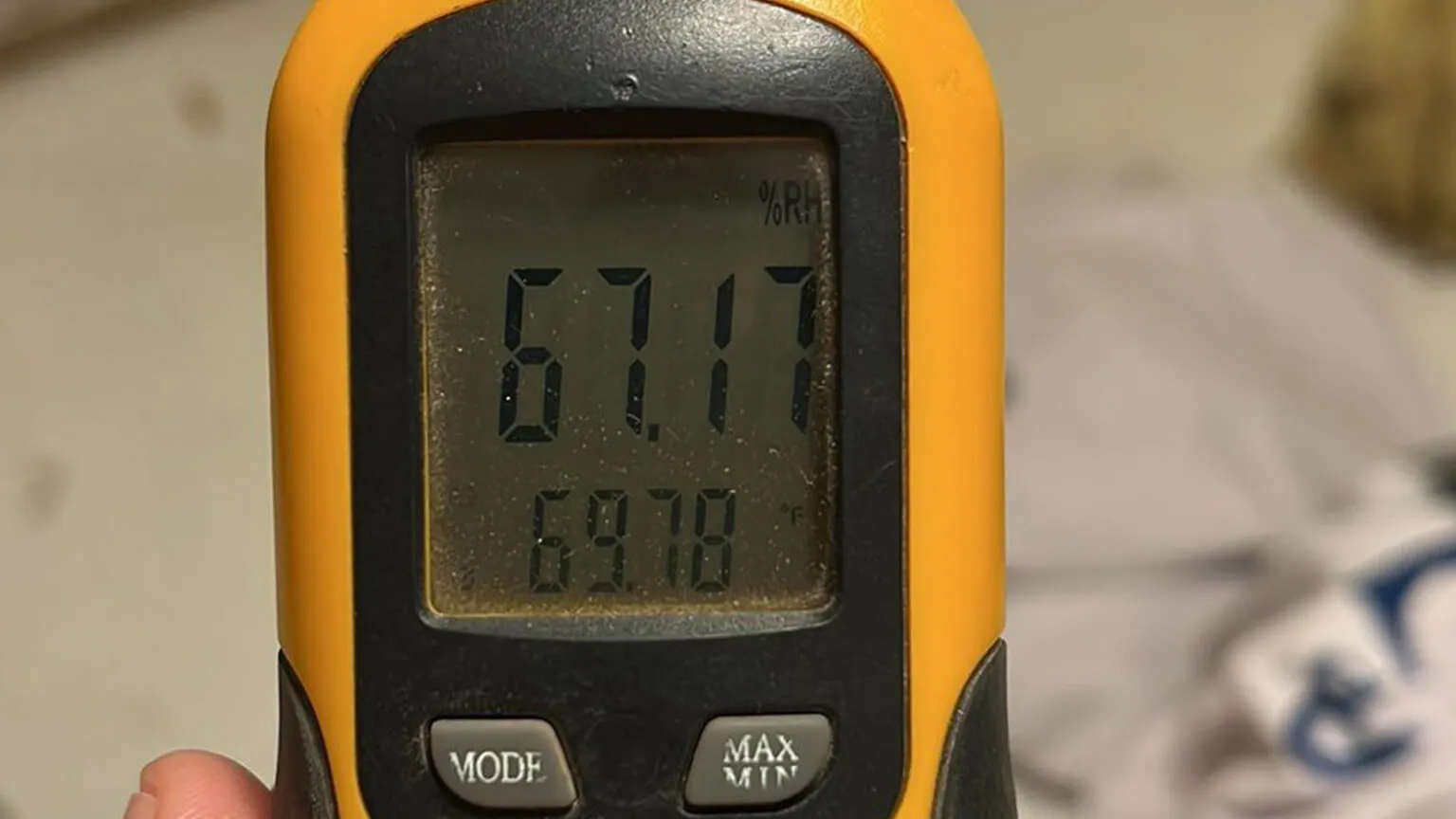
Here’s the payoff. A dry basement with steady humidity means cleaner air in the bedrooms, less musty laundry, and a house that smells like a house. For families with a kid who wheezes at the wrong time of year, that quiet improvement matters more than the drywall ever will.
Why hire a local company for this?
Because twenty-plus years in Metro Atlanta means we already know your soil, your grading and your builder’s habits. Homes along the Rosebud corridor share patterns, and so do the ones off New Hope Road. Same crews, same trucks, no subcontractor roulette.
Being close helps too. Grayson sits about twelve minutes from our shop in Lawrenceville, so a callback isn’t a scheduling event. Referrals travel fast in a small-town place like this, which keeps us honest in the best way.
Timing matters as well. Spring storms drive most of the calls here, and the National Weather Service office in Peachtree City is the straight source for what’s heading toward Gwinnett. If your home has a crawl space instead of a full basement, crawl space encapsulation is often the right answer. Comparing notes nearby? Our Dacula basement waterproofing guide covers similar-age homes just up the road.
Where we work around Grayson
We’re based in Lawrenceville, about twelve minutes northwest, and we’re in this corner of Gwinnett constantly. That covers Grayson, Lawrenceville, Snellville, Loganville, Dacula, Suwanee, Duluth, Lilburn, Buford and Braselton, plus the wider Gwinnett area. Whether you’re near Tribble Mill or on a quiet cul-de-sac off Grayson Highway, there’s usually a truck close by already.
Questions Grayson homeowners ask us
The drainage itself lasts as long as the house, since stone and pipe below the slab have nothing to wear out. The pump is the one part with a service life, so plan on replacing it around the ten-year mark, much like a water heater. Everything else keeps working quietly.
Yes, and it’s written in plain language you can read in one sitting. It covers the system we install, and it transfers to the next owner if you sell. That transfer is worth real money when a buyer’s inspector heads downstairs.
Usually we only open the bottom foot or so of wall along the affected side, not the whole room. Built-ins and bathrooms take extra care, so we map that out with you before anything starts. You’ll know exactly what gets opened and what stays untouched.
A dry, warrantied basement removes a common objection during a sale, and it turns unusable square footage into space buyers count. Appraisers won’t line-item it, but agents will tell you a wet basement kills deals. Peace of mind while you live there is the bigger return.
Often within a couple of days, because Grayson is a short drive from our shop. Live support runs from 7 a.m. to 8 p.m., seven days a week, so evenings and weekends work fine. The inspection and the estimate are both free.
Let’s find out what your Grayson basement actually needs
We’ll walk the house and the yard with you, show you where water is getting in, and explain the fix in plain language. The inspection is free, the estimate is free, and nobody pressures you at the end of it.
(678) 914-5112Serving Grayson and all of Metro Atlanta · $500 off projects over $3,500 · Live support 7am–8pm, 7 days a week